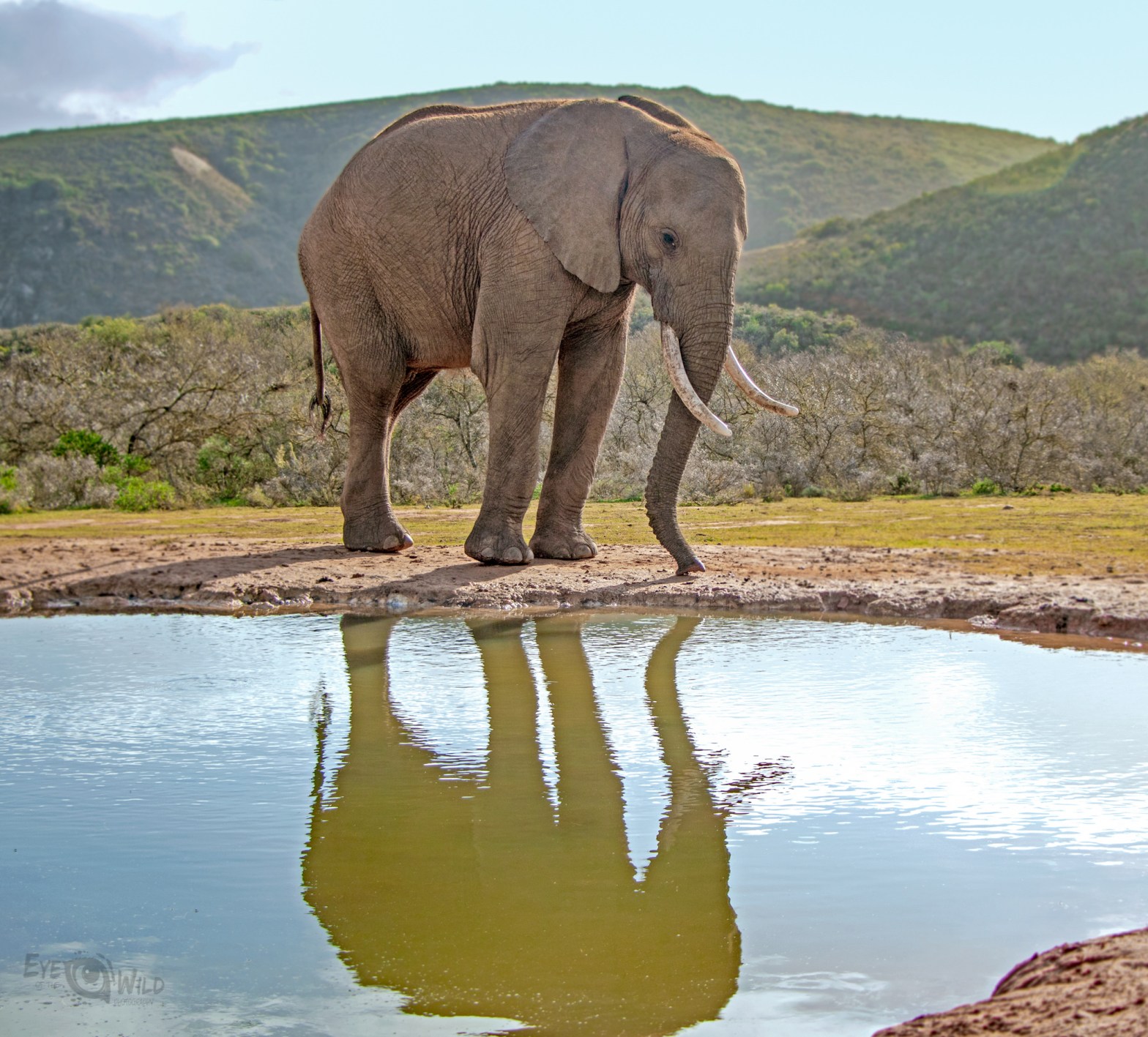
World elephant day August 12th
World Lion Day!
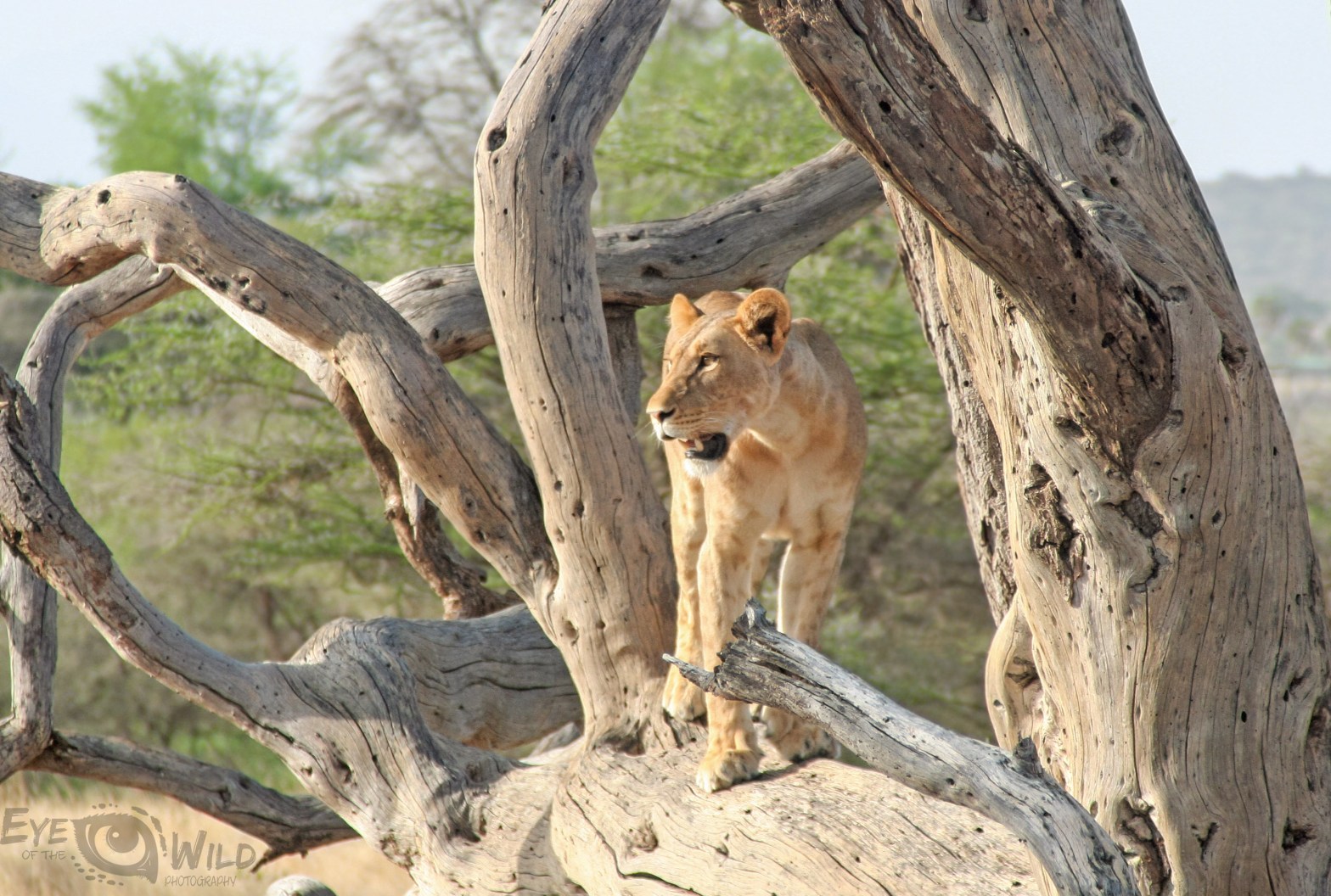
August 10th is World Lion Day
Macaw
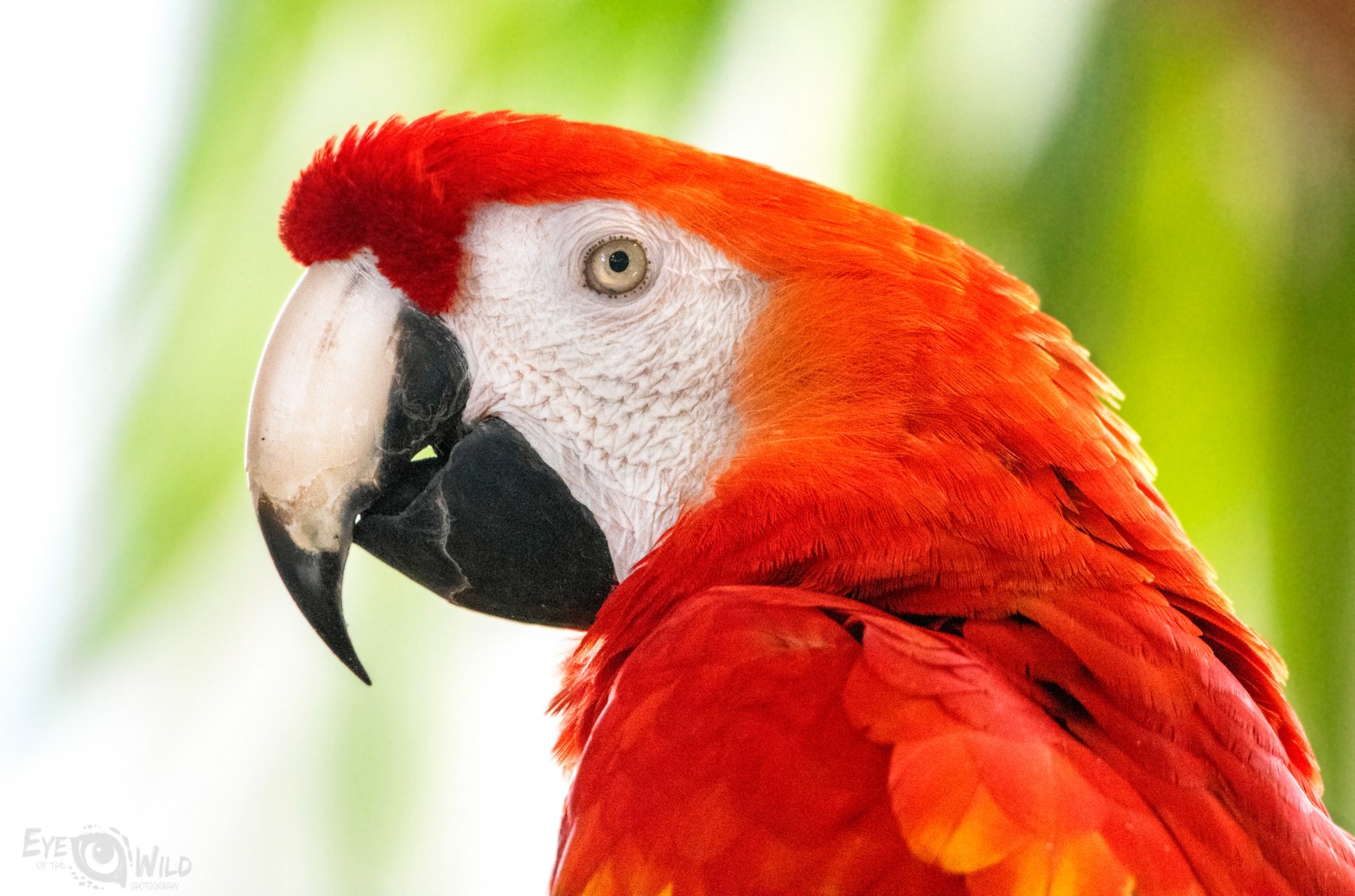
Scarlet Macaws are bright, colorful parrots native to the rainforest of Central and South America. These highly intelligent birds live in large groups and are very vocal. Capable of mimicking a variety of sounds, including human speech, macaws are loud. Their squawks, and screeches can be heard from miles away. Scarlet macaws are protected underContinue reading "Macaw"
Verdi
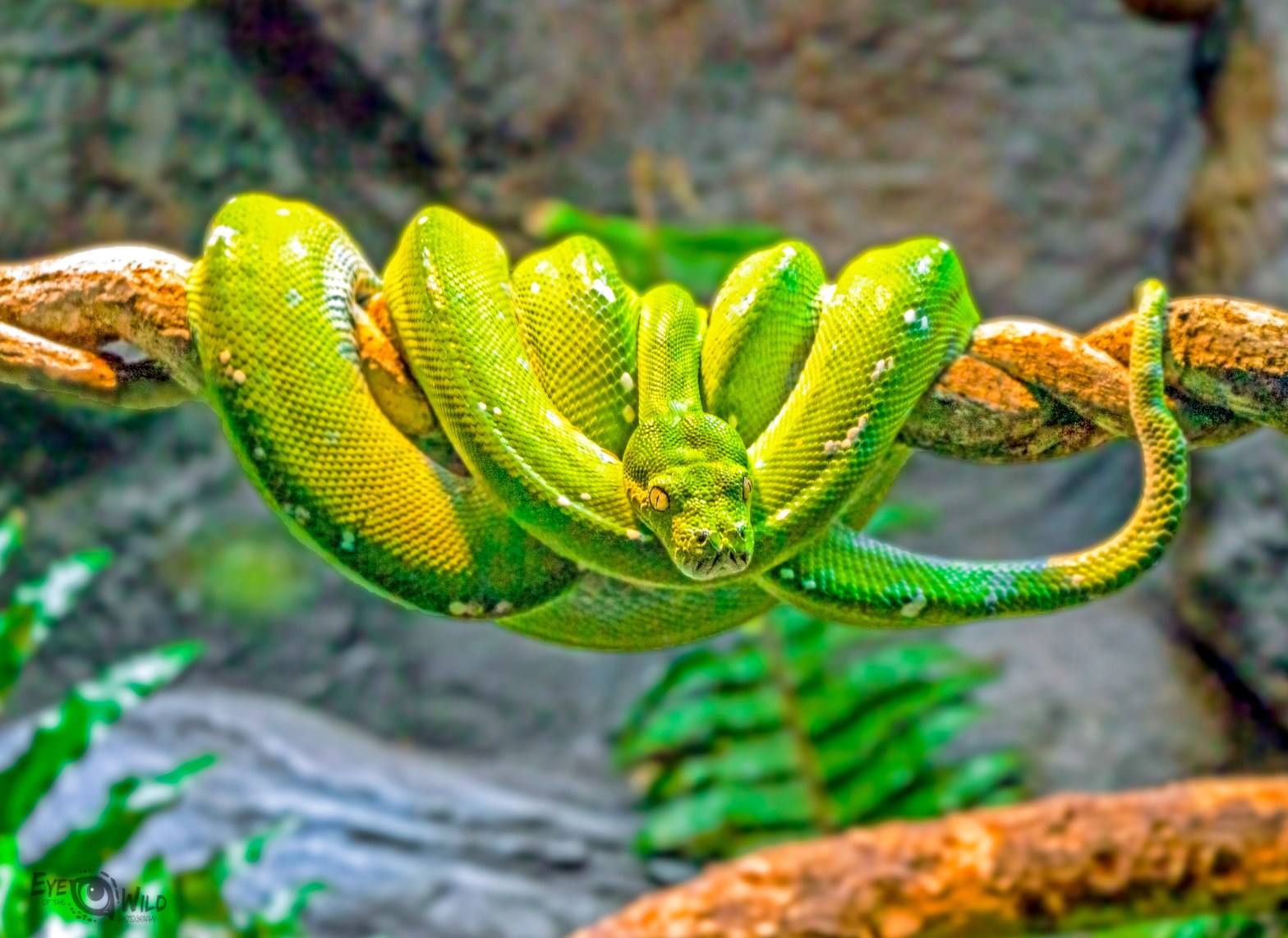
The Green Tree Python is an arboreal species of snake native to New Guinea, Indonesia and Northern Australia. They have a prehensile tail which they use to anchor themselves to a branch, allowing them to strike at prey without falling. They also use their tail as a lure prey. As with all pythons the greenContinue reading "Verdi"
Barking Deer
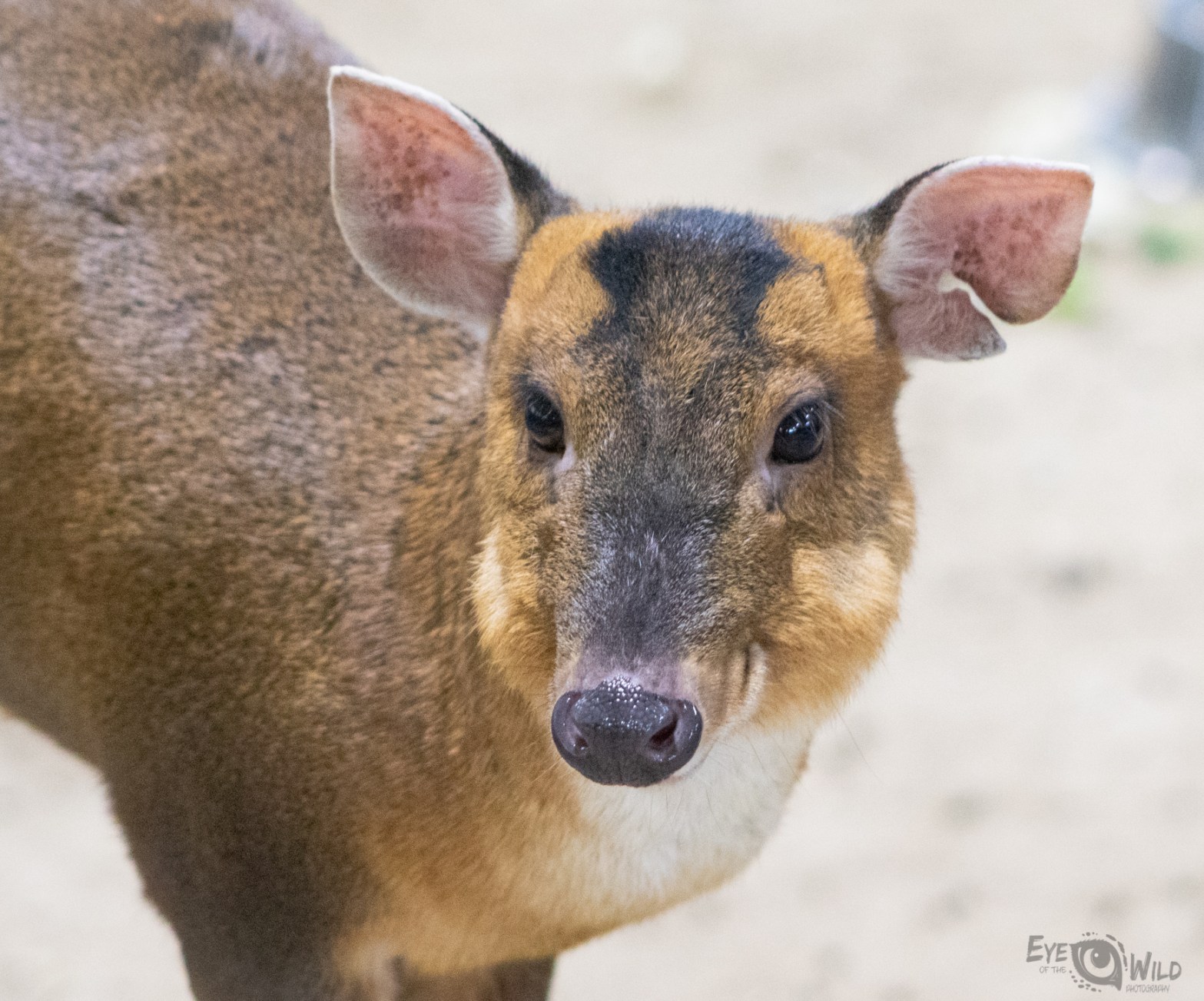
Meet Jill, a Reeves muntjac. Also known as a barking deer, because their alarm call sounds like a dog’s bark. Unlike most deer species, muntjacs don't form herds; they live alone or in pairs. They have long tongues that they use to strip leaves off of bushes. Native to China and Taiwan their biggest threatsContinue reading "Barking Deer"
Crawdad
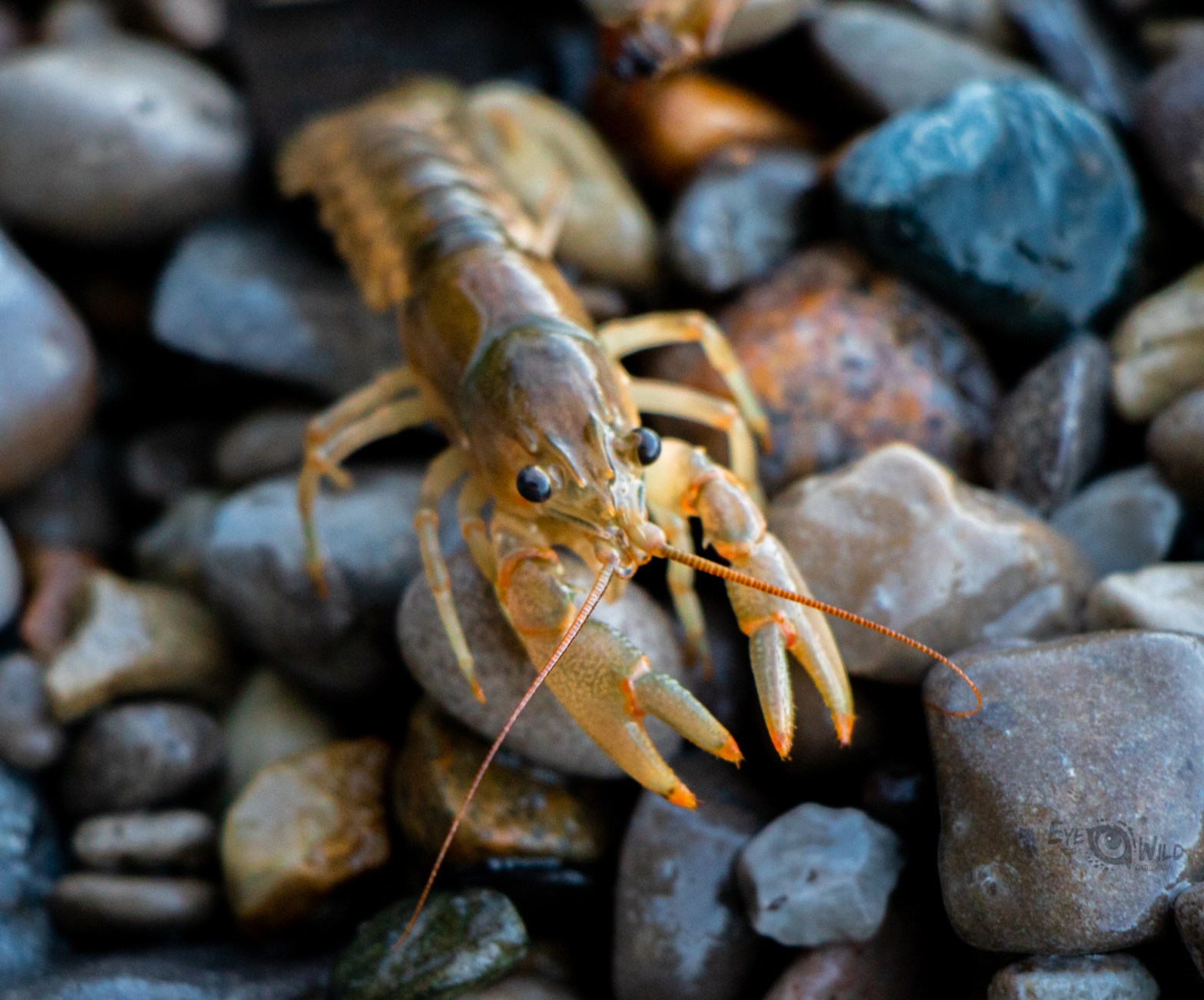
Found a little friend hanging out in the water. This is a northern clearwater crayfish. They can be found all over Michigan in rocky streams, lakes, and rivers. There are more than 540 species of crayfish worldwide. They can be found everywhere except in Africa and Antartica. Crayfish have excellent eyesight and can move eachContinue reading "Crawdad"
Small but Deadly
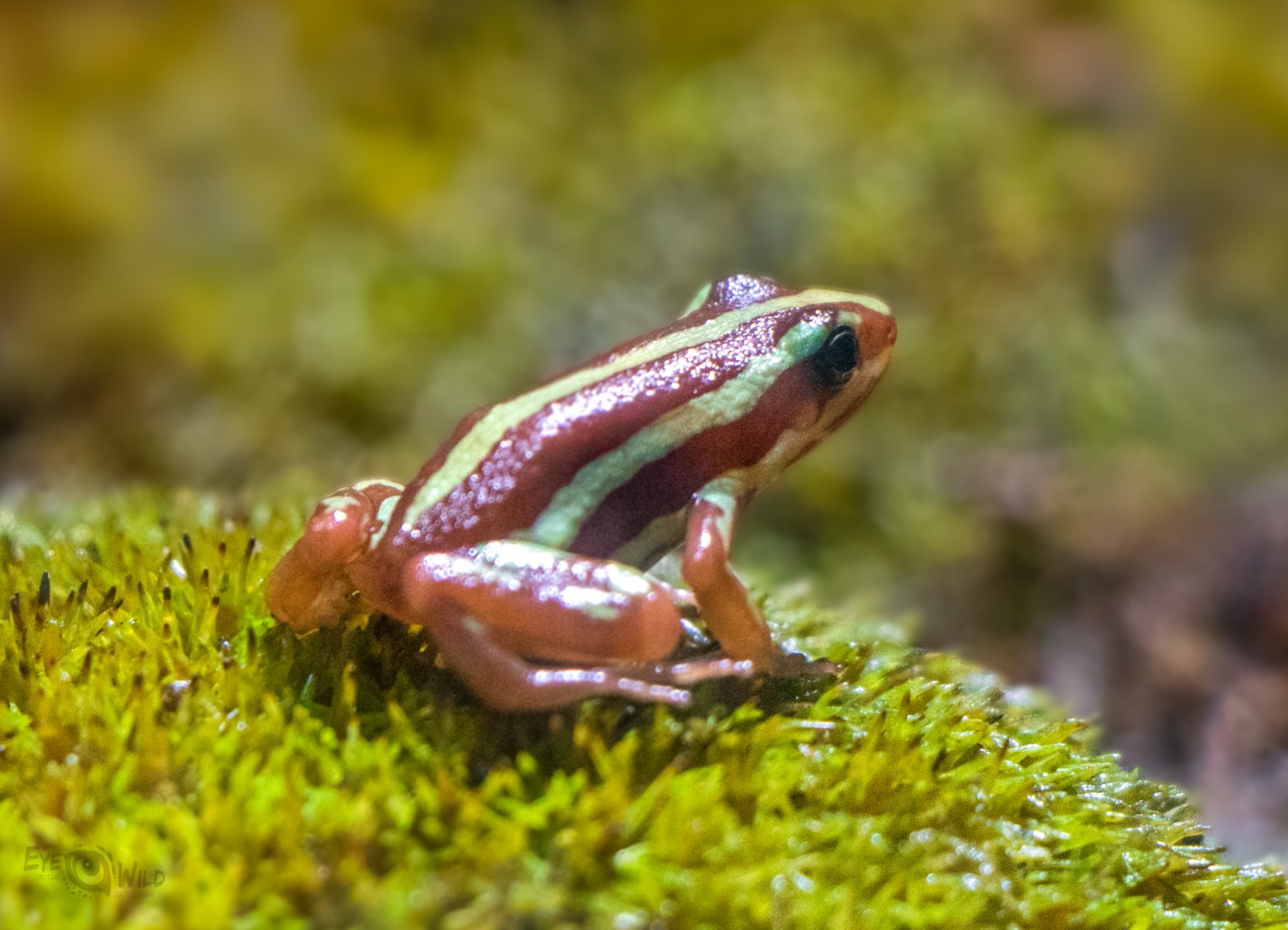
The phantasmal poison dart frog lives on the slopes of the Andes Mountains in Ecuador. As their name suggests, they are poisonous. Their poison comes from their diet, which includes ants, spiders, mites, and other insects. The frogs metabolize the toxins from their prey and combine them to produce a poison that they secrete throughContinue reading "Small but Deadly"
Happy Earth Day!
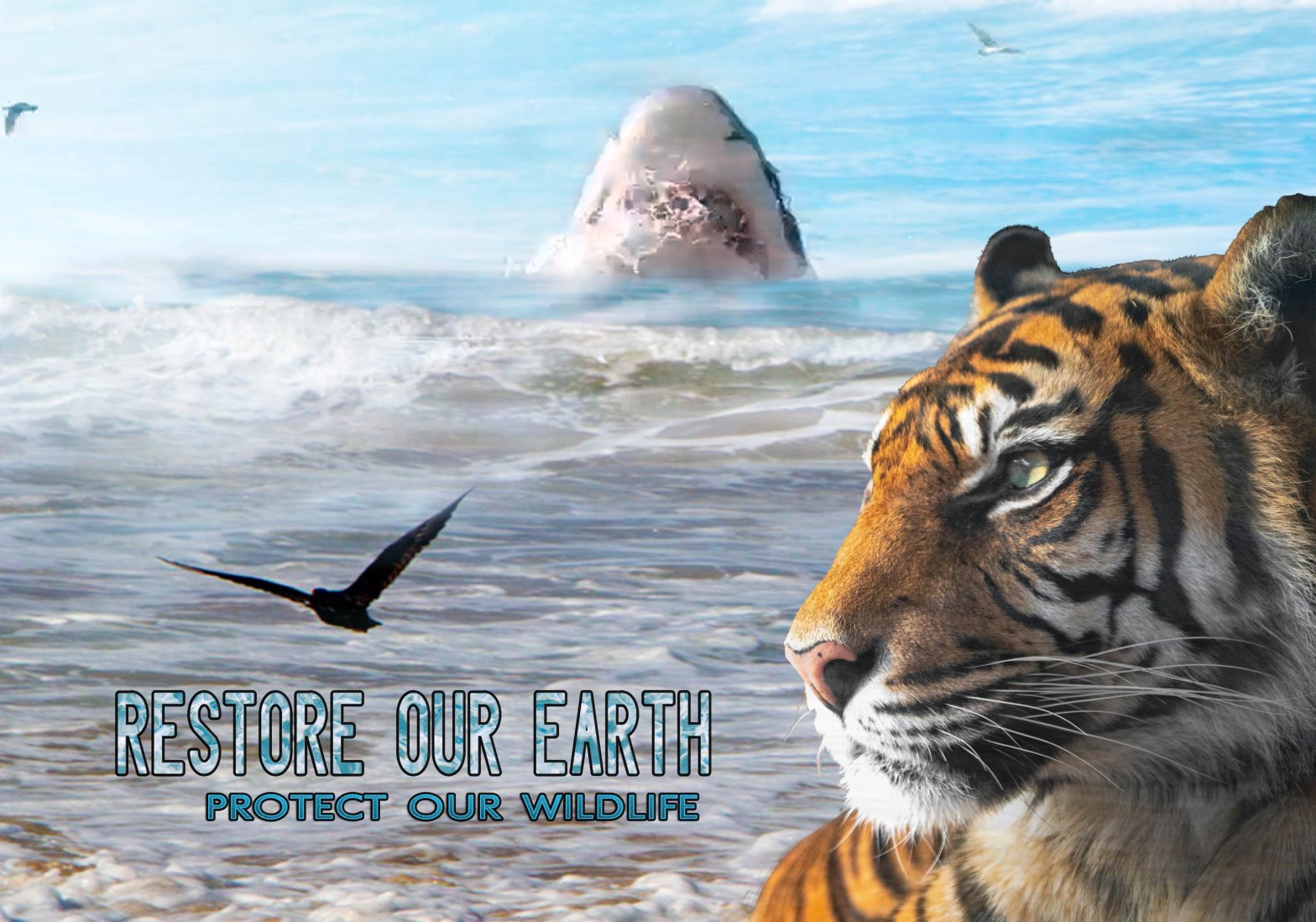
Thanks to the efforts of Senator Gaylord Nelson and the millions of Americans who participated in protests, demonstrations, and fundraisers Earth Day was born. The 1st Earth Day was April 22nd, 1970. The same year a flood of environmental legislation was passed and the EPA was created. In 1990 Earth Day went global with 141Continue reading "Happy Earth Day!"
Living in Slow Motion
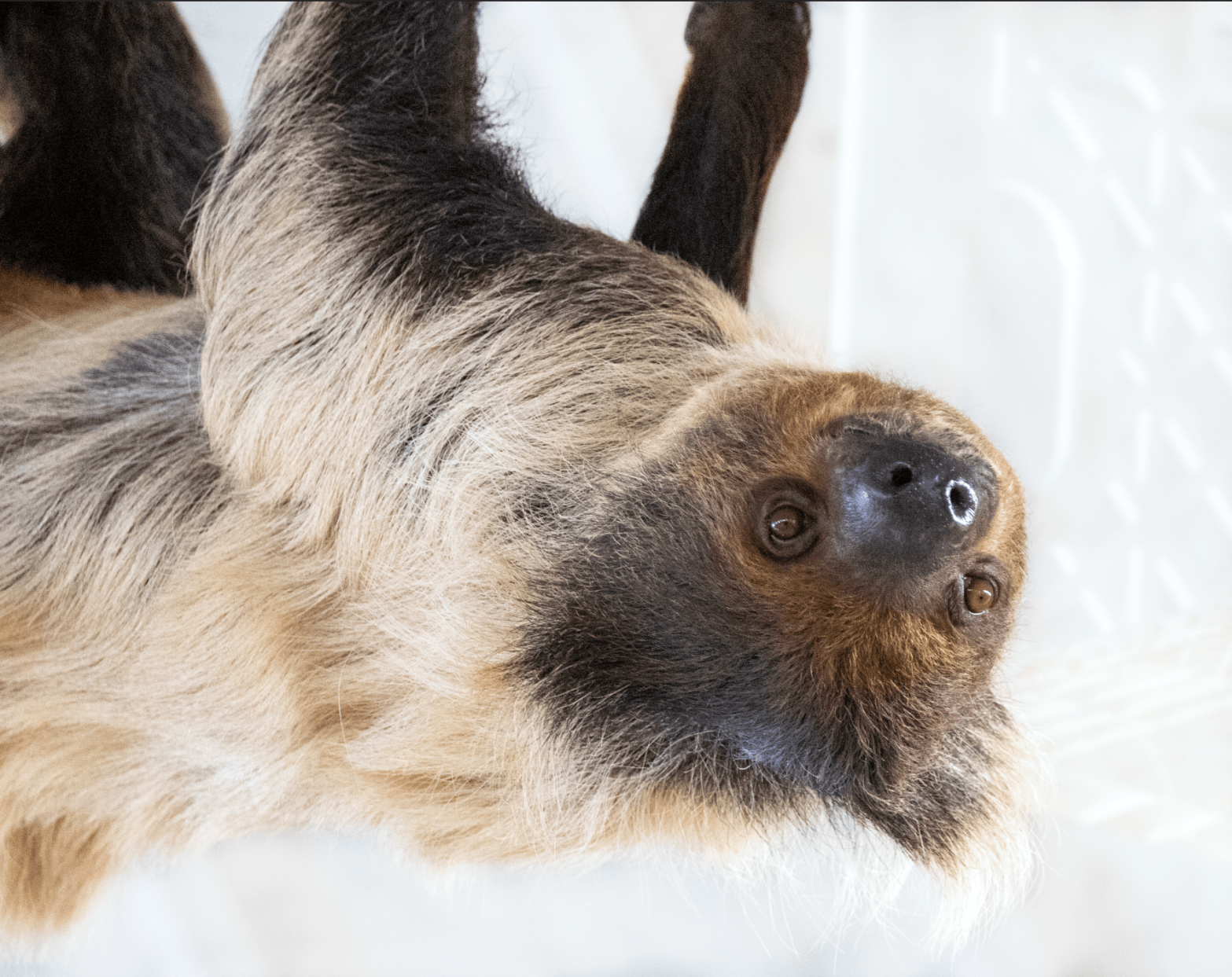
Sloths are native Central and South America. All sloths have 3 toes on their back feet, but two-toed sloths only have 2 toes on their forelimbs. This is a two-toed sloth. You can see that the front limbs have two toes while the back have three. They spend most of their time hanging out inContinue reading "Living in Slow Motion"
Pigeons can be Beautiful
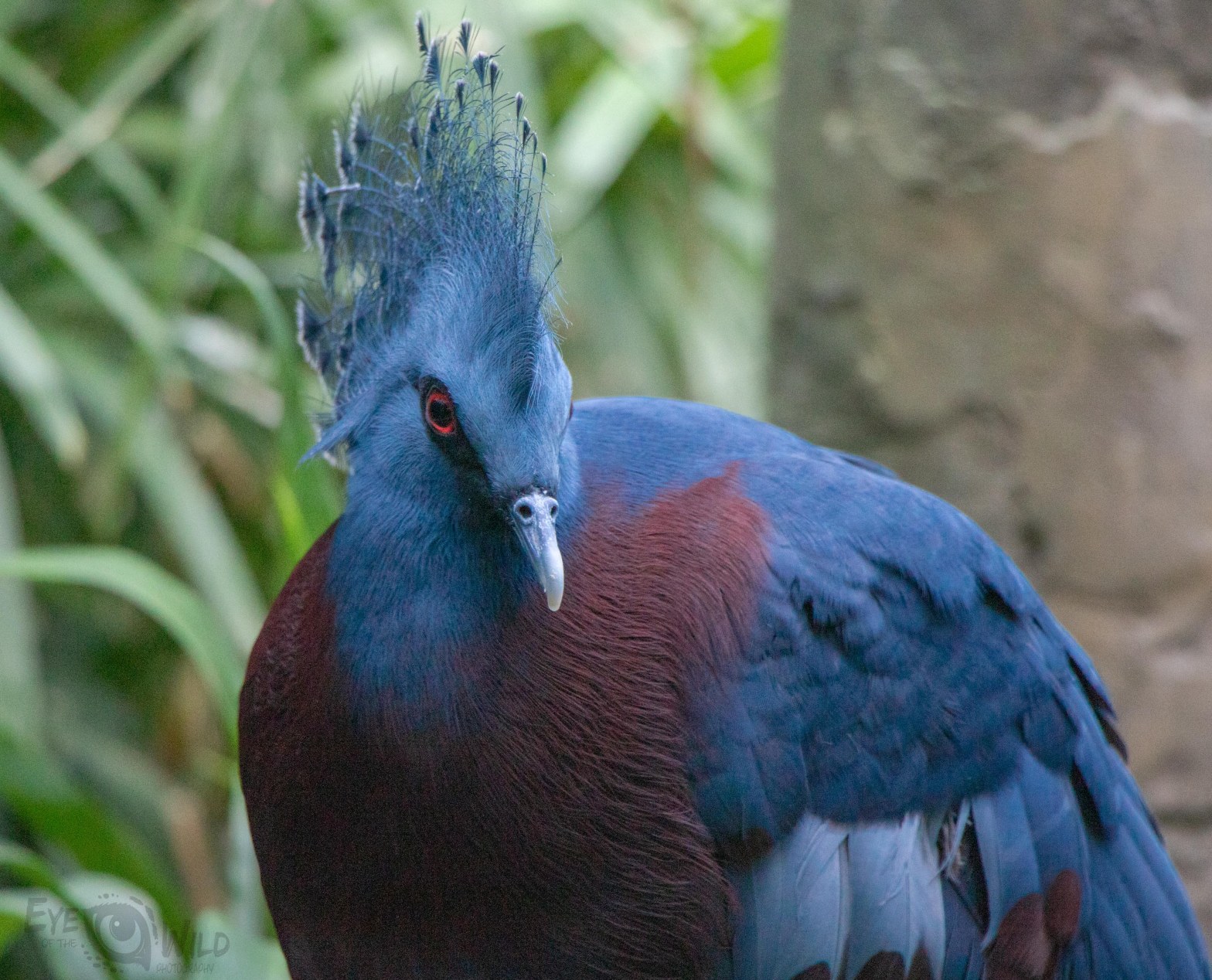
When you say pigeon most people think of the kind that live in big cities and go after your food in the park. But there are actually 175 different species of pigeons. The Victoria crowned pigeon is arguably the most elegant and ornate species of pigeons. Named after Queen Victoria for their regal appearance. TheContinue reading "Pigeons can be Beautiful"
Squirrels………..are pink?
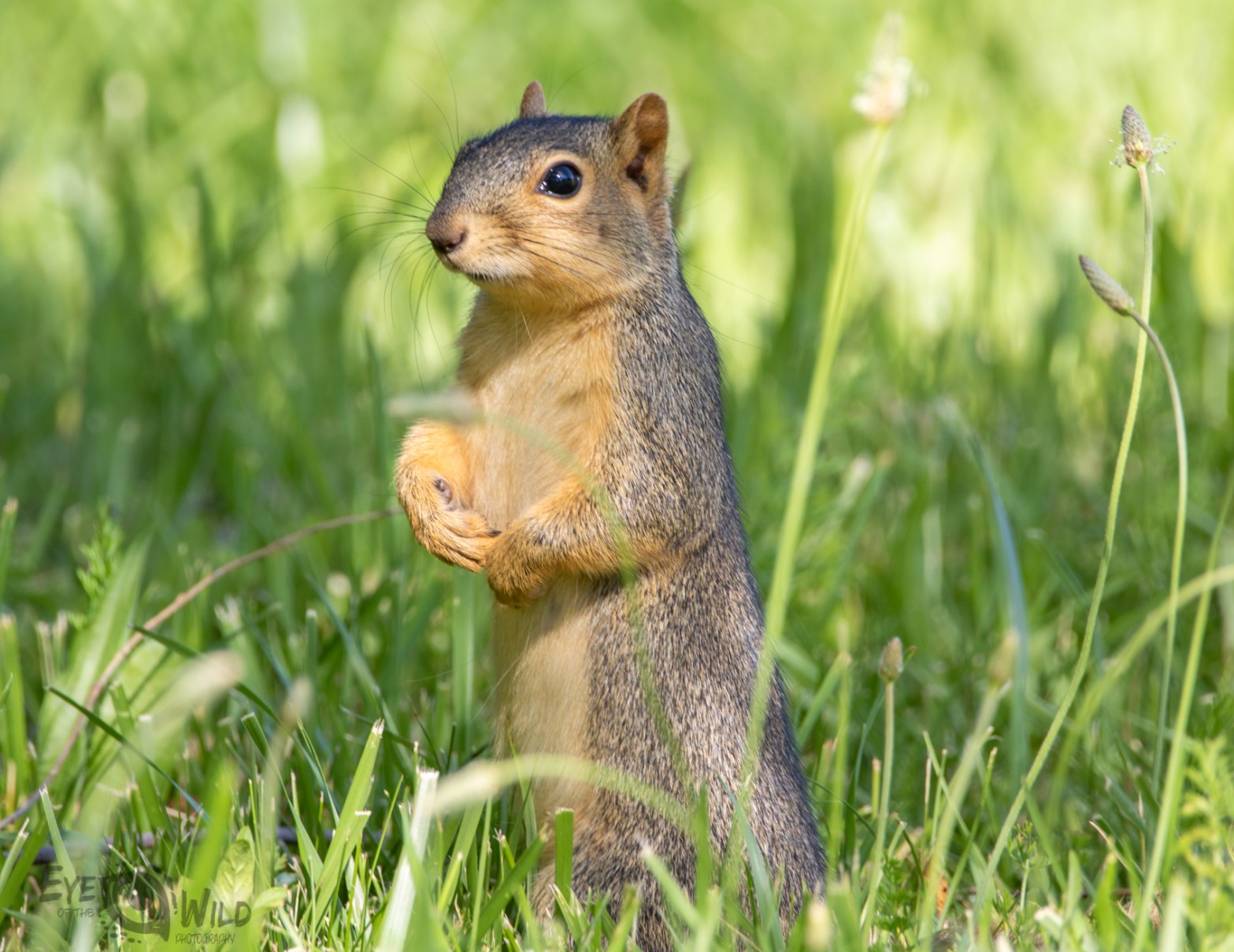
Pink Bones!! That’s right, fox squirrels' bones glow pink under ultraviolet light. This occurs because of a build up of a chemical compound called porphyrin. Eastern fox squirrels are the largest species of tree squirrels native to North America. They are common across the eastern United States, but are also found in southern parts ofContinue reading "Squirrels………..are pink?"
A Reptile Like No Other
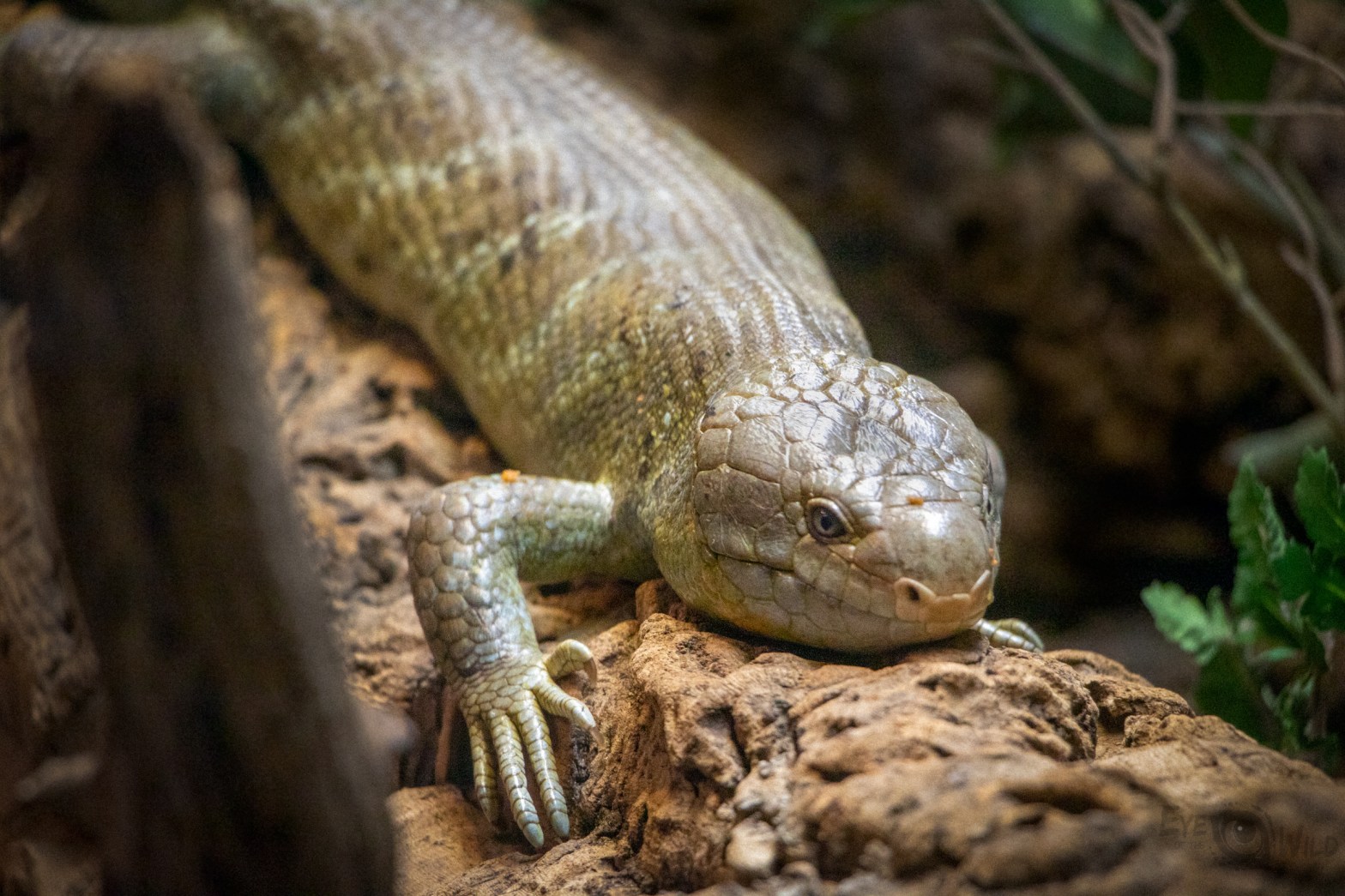
Prehensile-tailed skinks are very unique reptiles. They are the longest species of skinks reaching up to 32 inches in length. As their name suggests they have a prehensile tail, meaning they can grip objects with their tail. This is useful for these skinks since they are arboreal (live in the trees). They are native toContinue reading "A Reptile Like No Other"
Peafowl
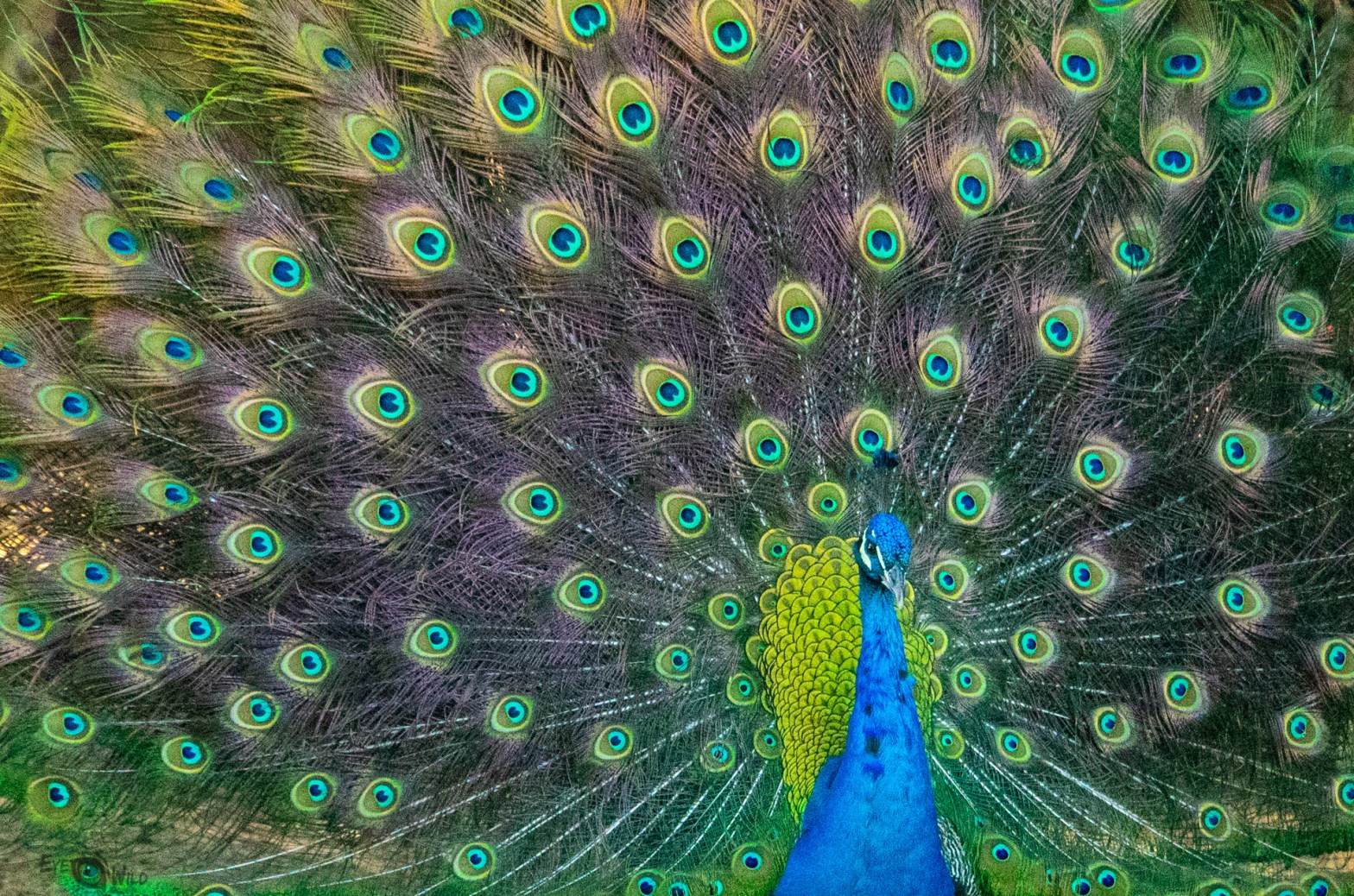
Even though most people refer to both sexes as peacocks, only the males are called peacocks. The females are called peahens. And peafowl is the term for both. Peacocks use their bright iridescent trains to attract peahens. Another technique males use is quivering their feathers to produce infrasonic sounds (low frequency). Baby peafowl are calledContinue reading "Peafowl"
Oryx in the US…?
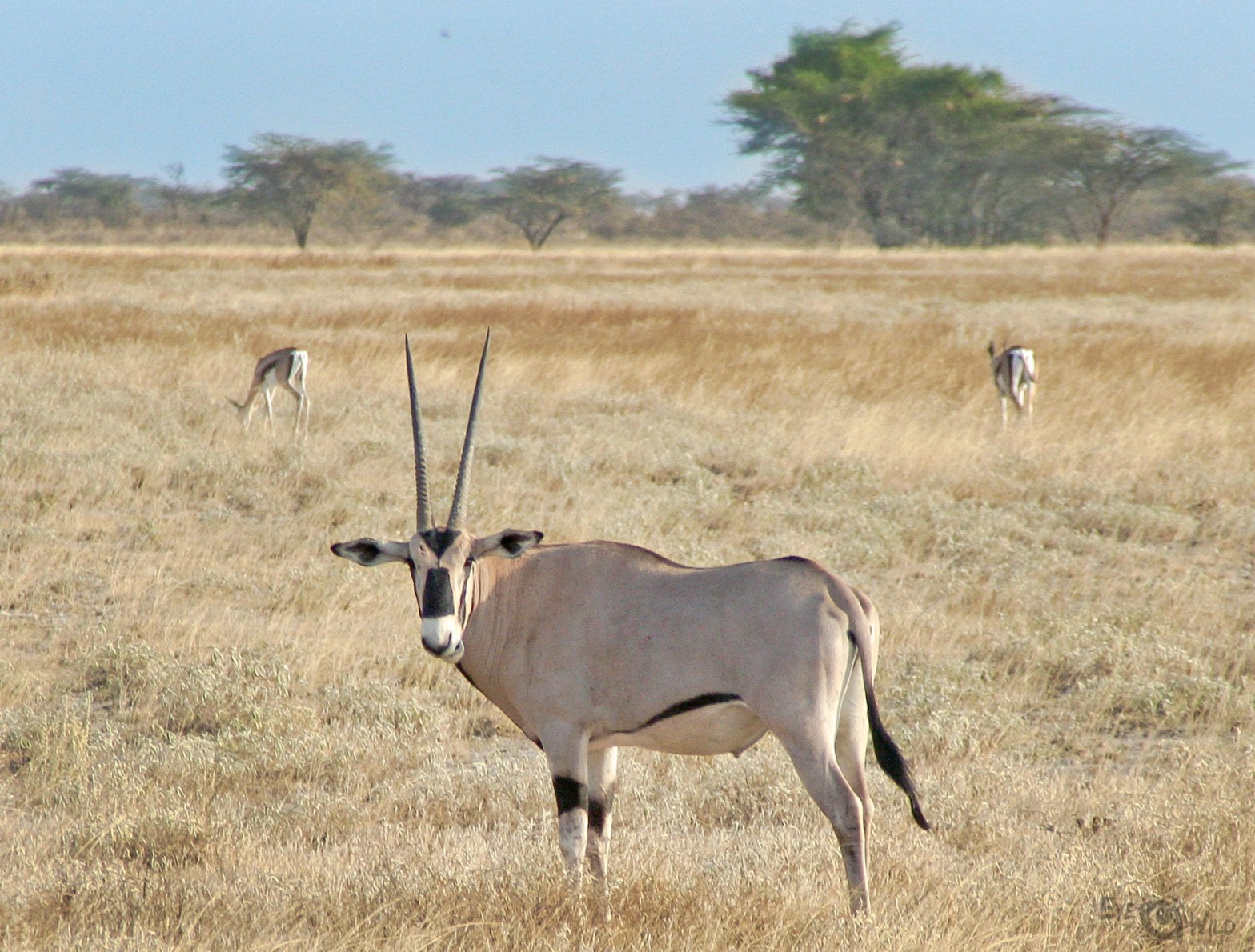
Yes. There are wild oryxes (gemsbok) in the U.S.A. No, they are not a native species. They are native to Africa. In the 1970s the New Mexico Department of Game and Fish wanted to increase “large game” opportunities for hunters. So they intentionally released 95 oryxes into New Mexico's White Sands Missile Range. An AbundanceContinue reading "Oryx in the US…?"
A Whistling Duck
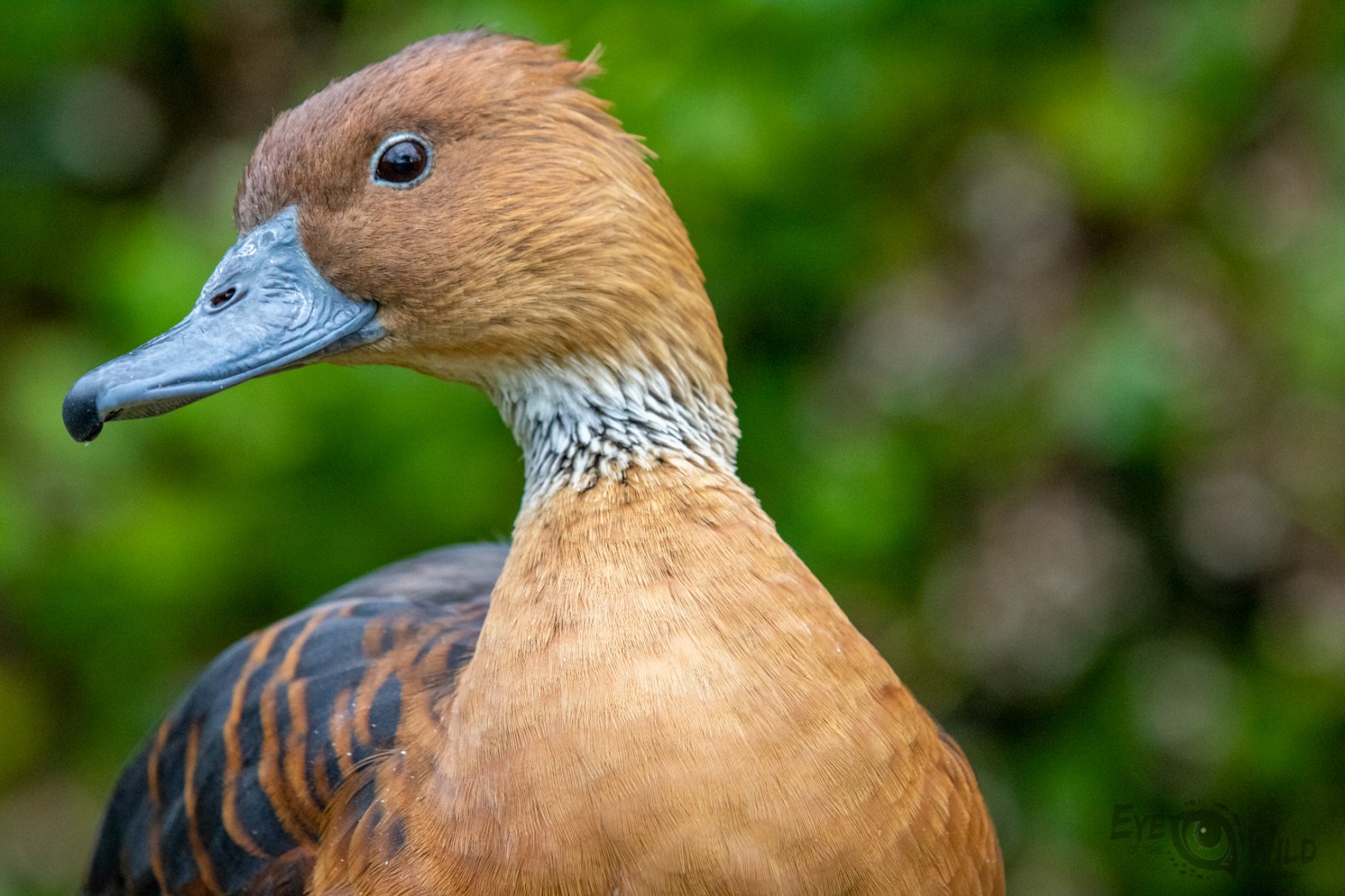
Fulvous whistling ducks live across 4 continents, including North and South America, Africa, and Asia. They are often found in marshes and rice fields. They forage by straining the mud for seeds and plant material. Unlike most ducks, fulvous whistling ducks mate for life. Both the male and female take turns incubating the eggs andContinue reading "A Whistling Duck"
A Mob of Meerkats
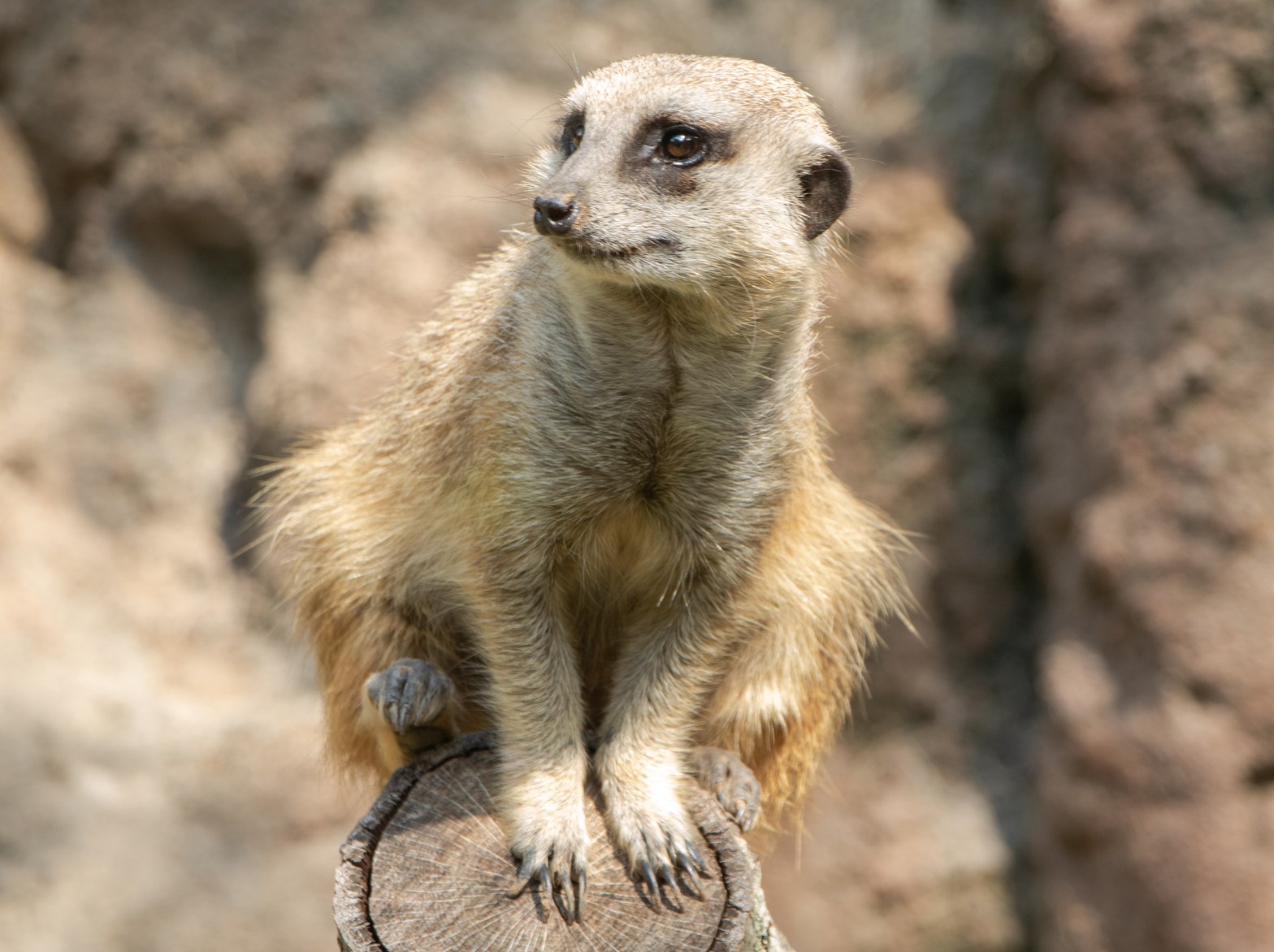
Meerkats are members of the mongoose family. They live in the African savannah and yes like Timon they do eat insects, grubs and termites. They also eat scorpions, luckily they are immune to most venoms. Meerkats live in large groups called mobs, clans or gangs. The mob is led by an alpha female, called theContinue reading "A Mob of Meerkats"
Golden-headed lion tamarin
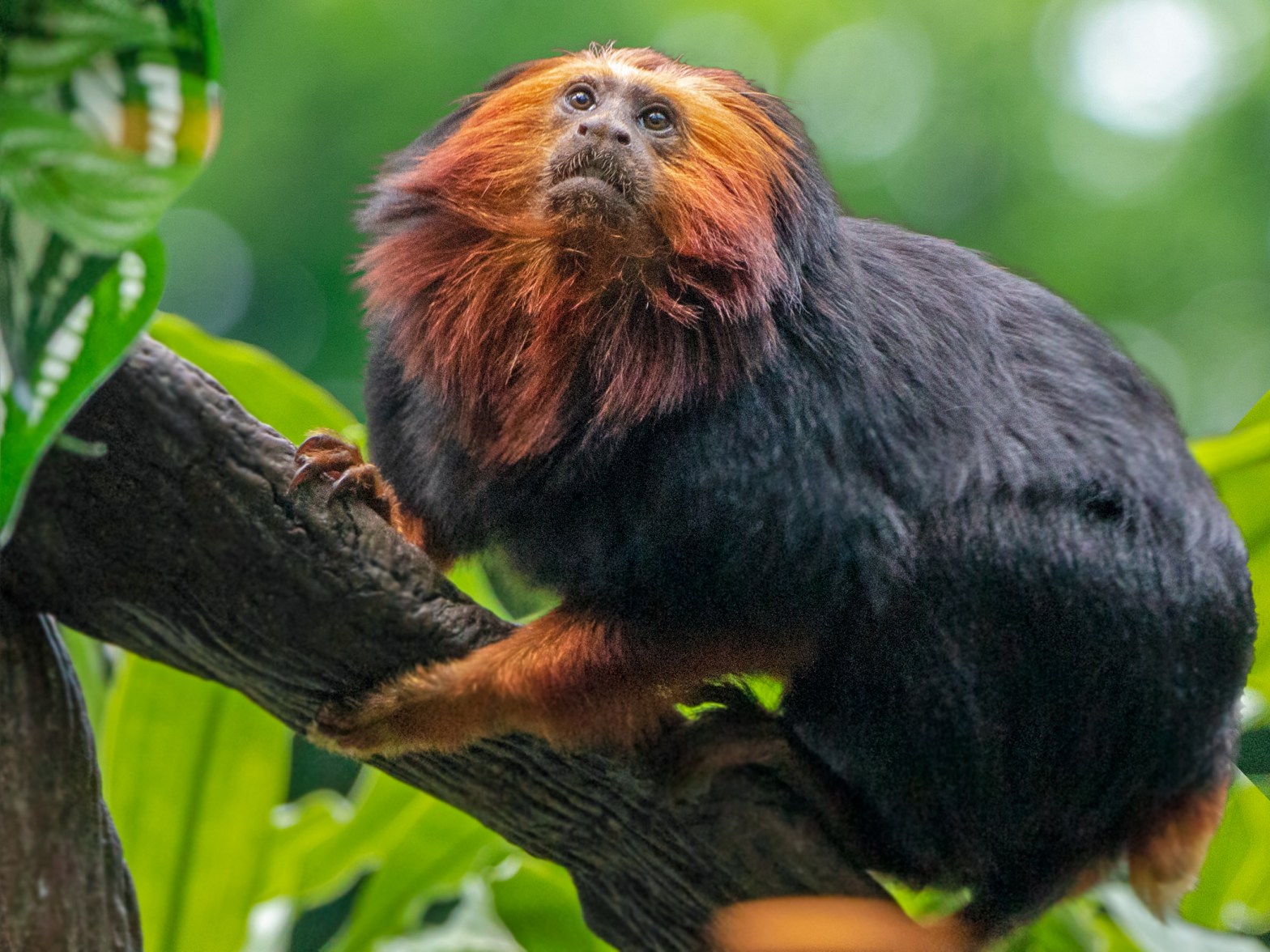
ENDANGERED! The golden-headed lion tamarin, named for their long golden fur that looks like a lion’s mane. Their small claw like nails help them climb through the trees and grab small insects. Due to habitat destruction and fragmentation they only live in a small part of Brazil. It is estimated that a mere 2-5% ofContinue reading "Golden-headed lion tamarin"
The smallest crocodilians
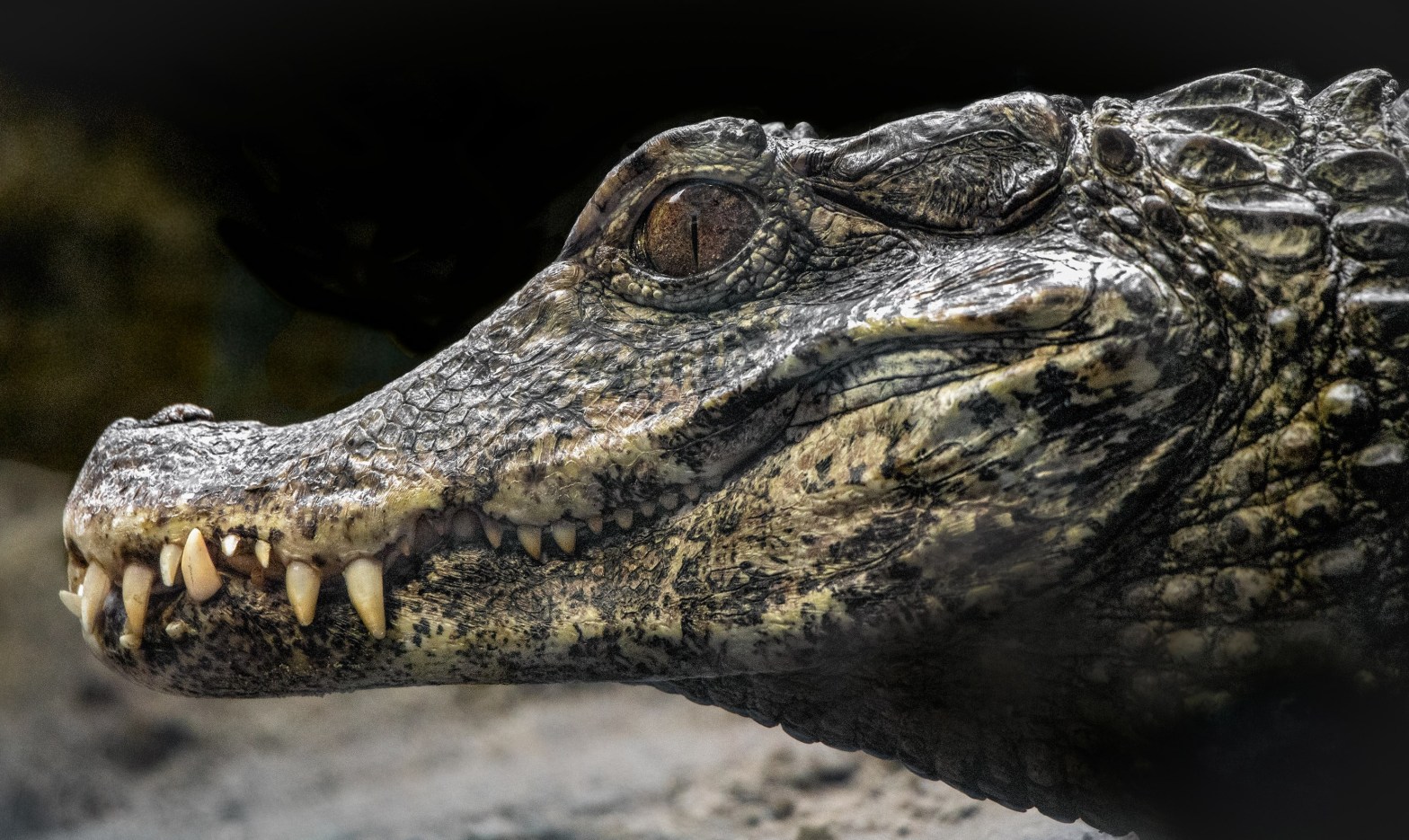
Dwarf caimans are the smallest members of the crocodilian family. Adults are on average 4-6ft long. They are native to South America. Even though they are classified as least concern on the IUCN’s red list, dwarf caimans still face several threats to their survival. Including habitat destruction, pollution, and the illegal pet trade. Dwarf caimans haveContinue reading "The smallest crocodilians"
The worlds largest bird
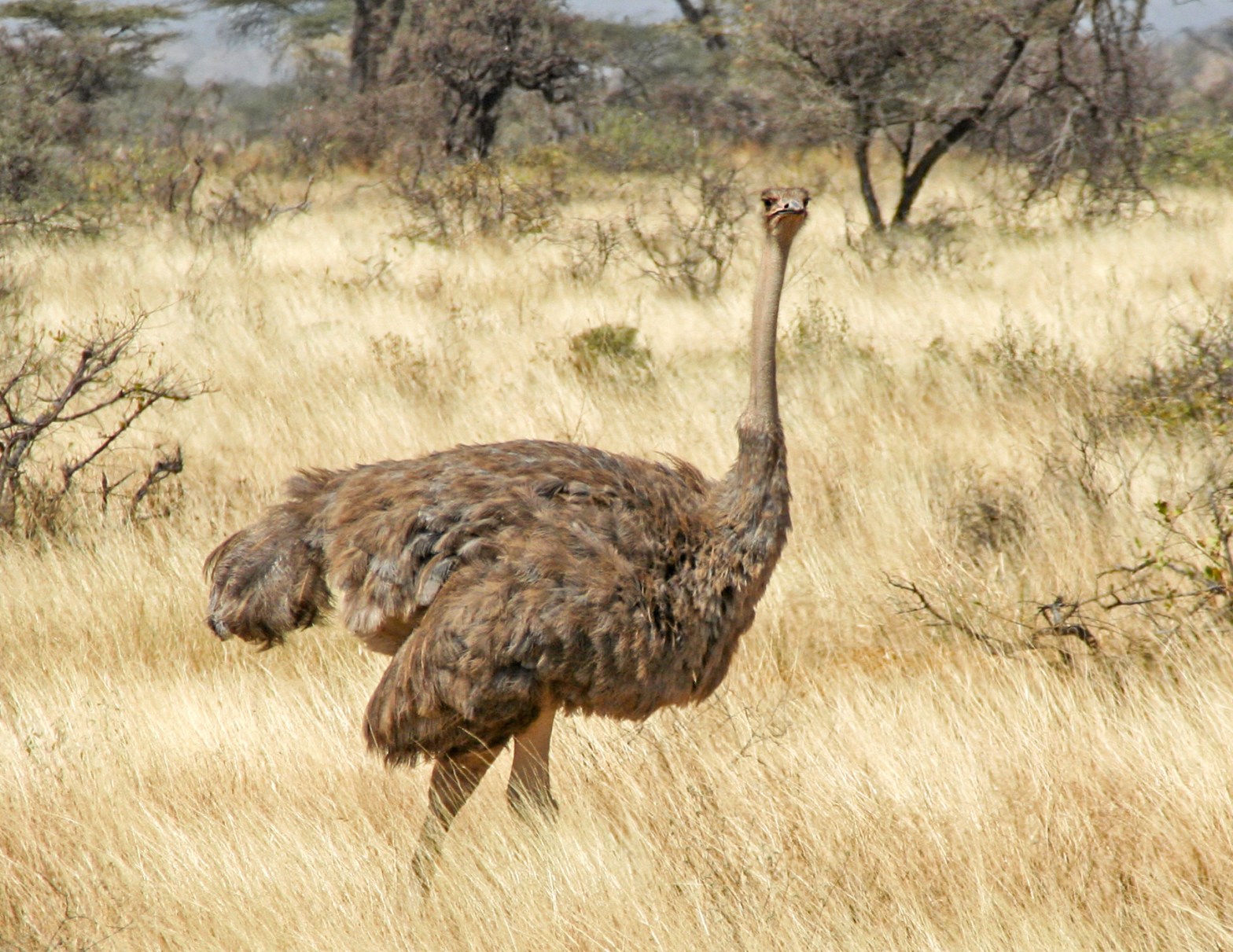
You guessed it...The Ostrich These birds are not just big, they are powerful. The ostriches' main defense is its legs. They can run up to 43 mph (70 kph). When running isn’t an option, ostriches use their foot equipped with a 4-inch long claw. A single kick from an ostrich can kill a lion. OstrichesContinue reading "The worlds largest bird"
What is the Buzz?
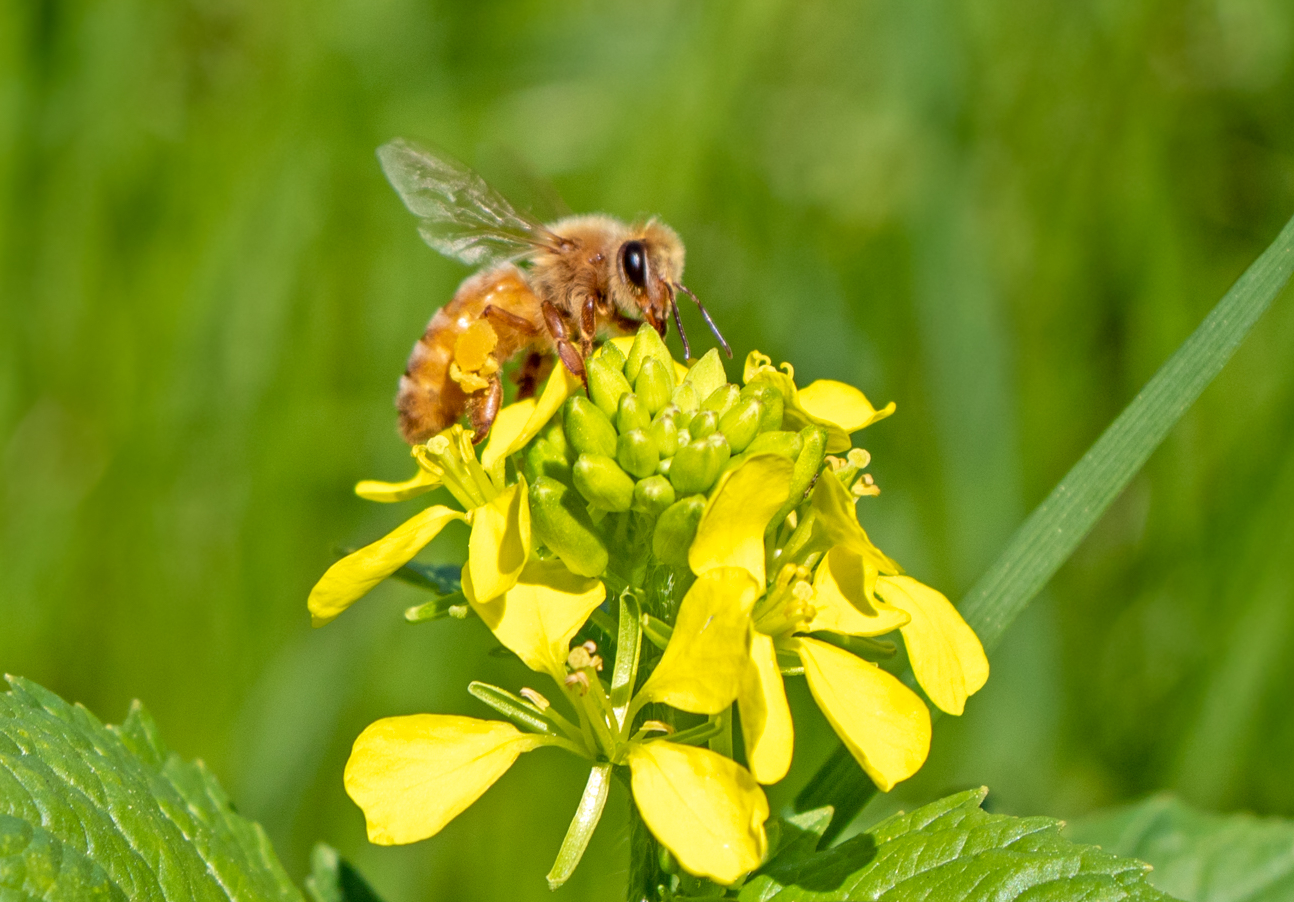
.....Bees... Bees are extremely important pollinators. They are a vital part of our ecosystems, without them the human population would plumate. About ⅓ of the world's food production depends on bees to pollinate the crops. Although honeybees are not endangered other bees are. On the IUCN Red list 16 bee species are listed as vulnerable,Continue reading "What is the Buzz?"
The elephant’s closest living land relative is ….
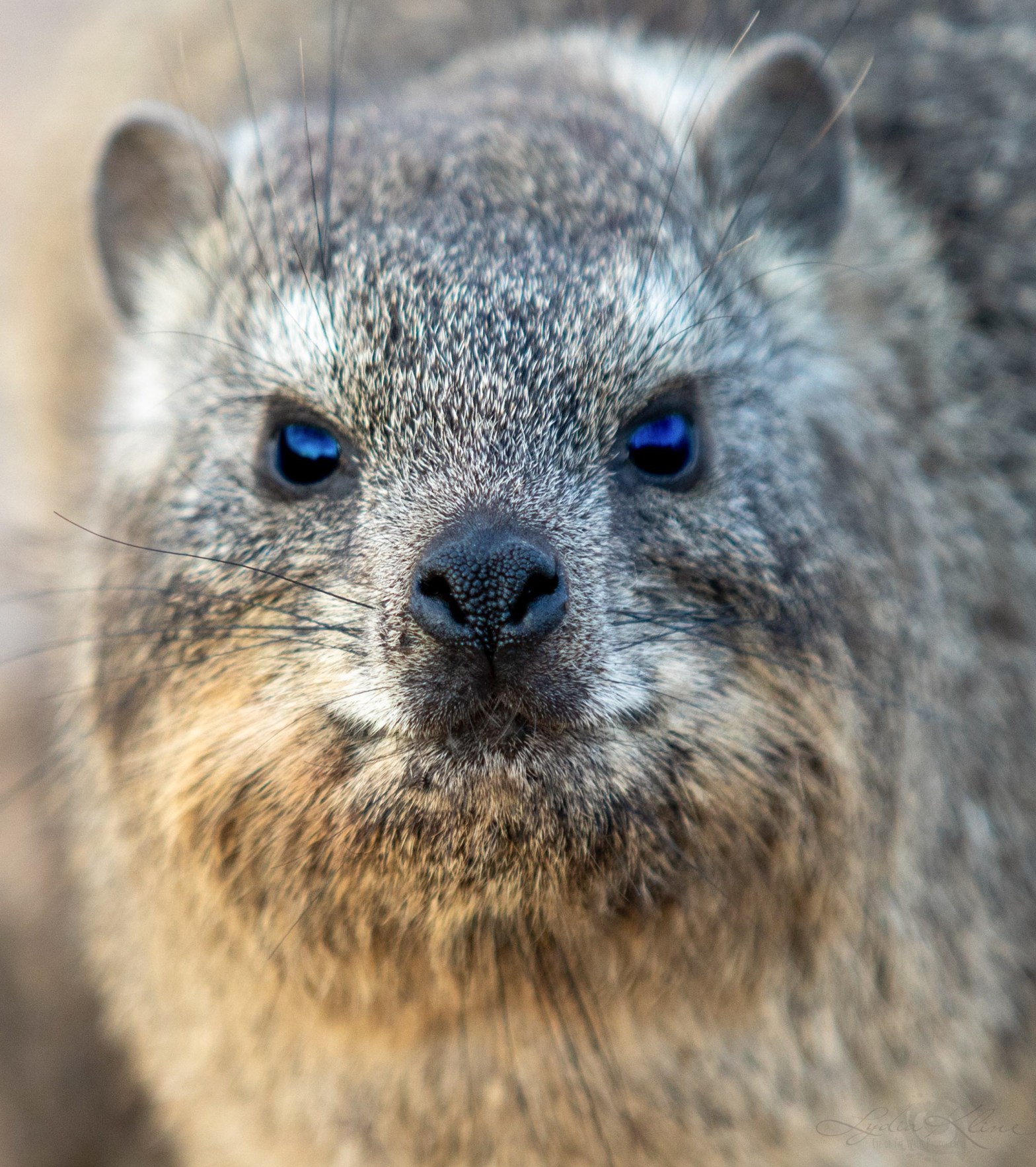
....The hyrax Hyraxes may look like rodents but they are actually cousins of the elephant. Elephants, hyraxes, dugongs, and manatees all share a common ancestor. There are several unique physical characteristics that hyraxes and elephants share. Both have tusks formed from their incisors, instead of their canines like other tusked animals. Both have flattened, hoof-likeContinue reading "The elephant’s closest living land relative is …."
Flaming Flamingos
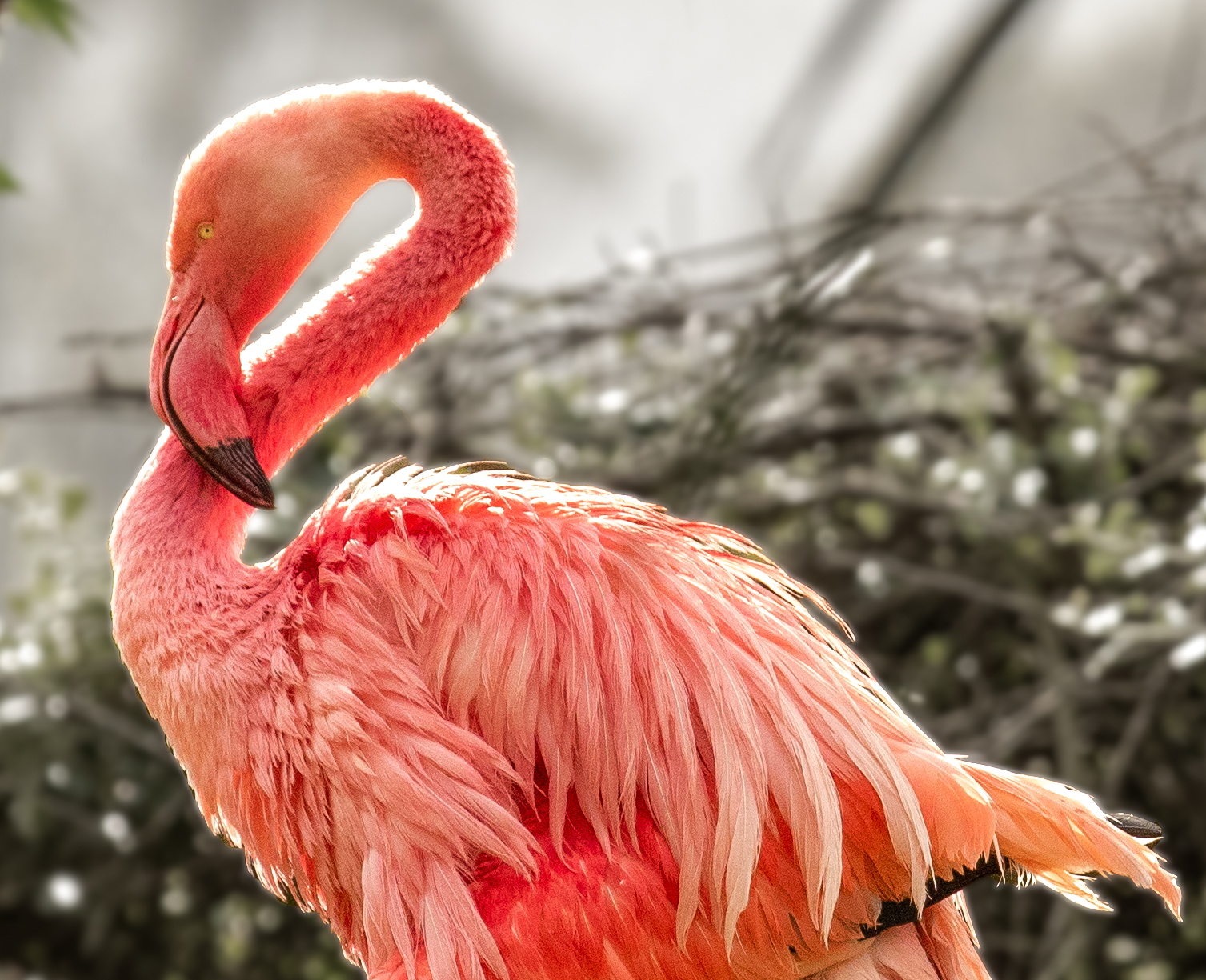
The name "flamingo" comes from Portuguese or Spanish flamengo, meaning "flame-colored" The pink or reddish color of flamingos comes from carotenoids found in the shrimp, plankton, algae and crustaceans they eat. Flamingos have a unique way of eating...upside down. They plunge their head underwater and use their bills like a shovel to scoop up food.Continue reading "Flaming Flamingos"
Running out of space
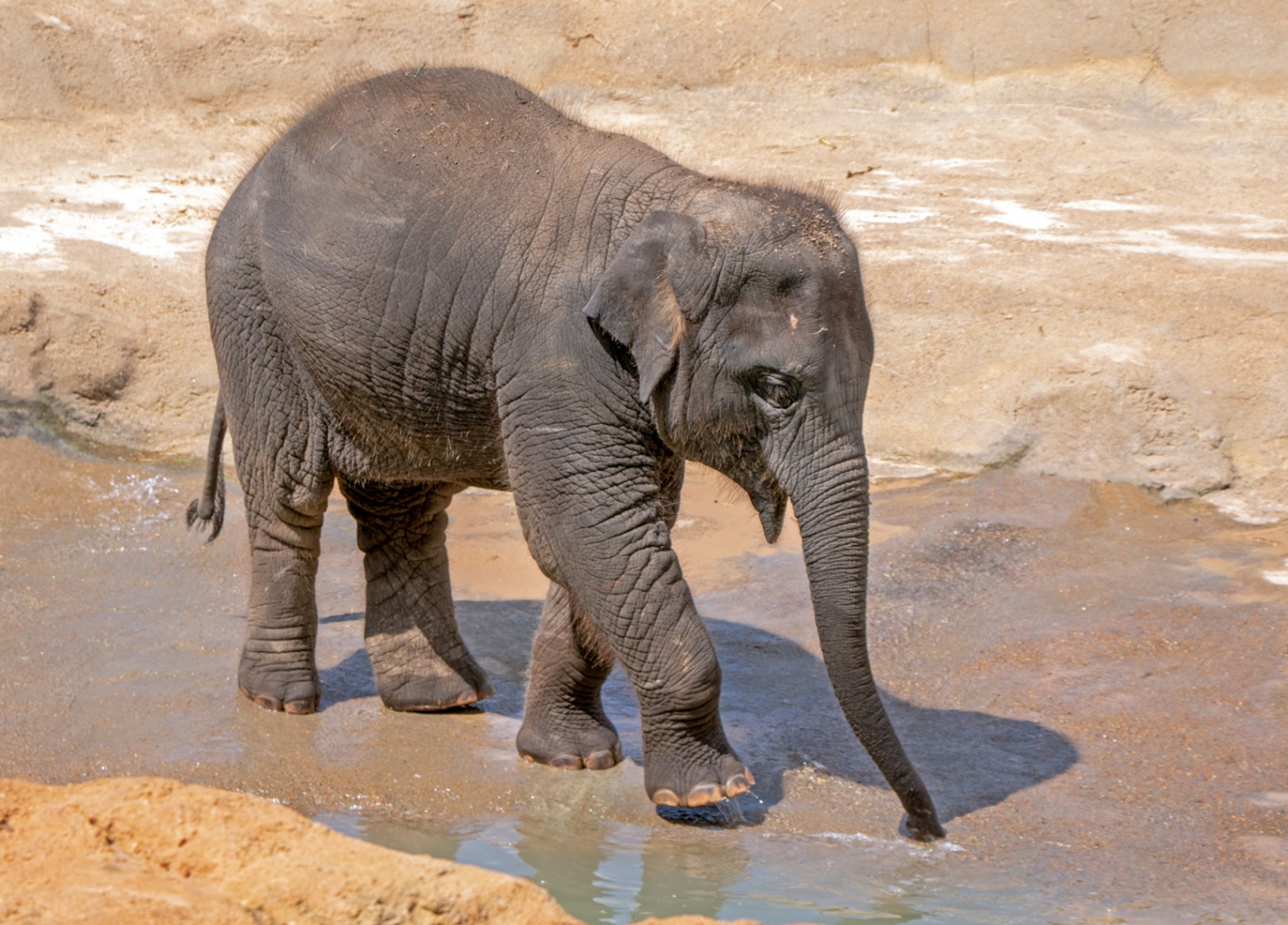
Endangered Asian Elephants
Happy Turkey Day!
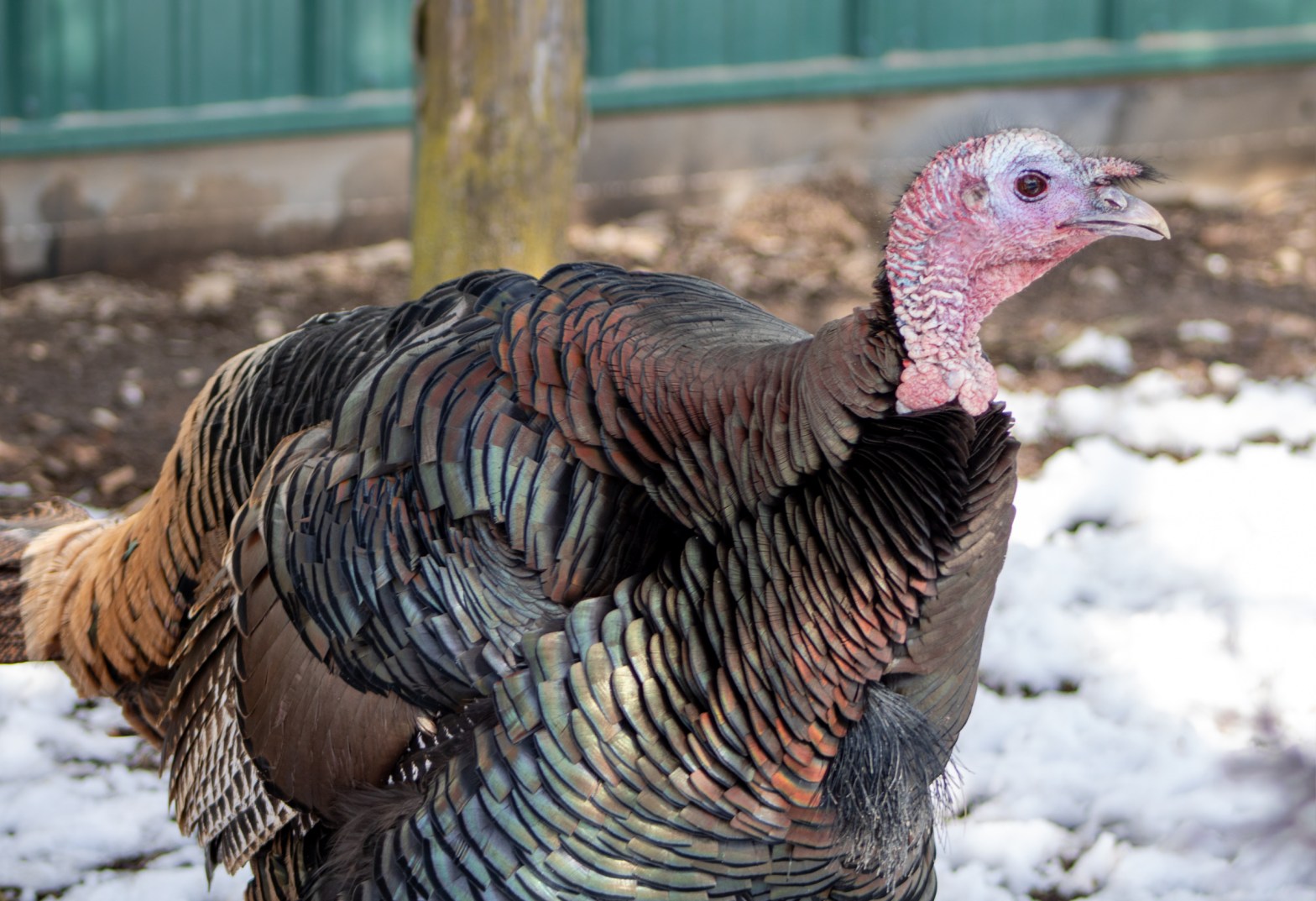
Wild Turkeys are native to North America. They have distinguishing characteristics such as large fanned tail feathers, a snood (flap of skin that hangs over their beaks) and a wattle (the flap of skin below their chins.) Wild turkeys eat seeds, insects, and occasionally a frog or lizard. Wild turkeys can fly for short distances. Continue reading "Happy Turkey Day!"
The masters of defense
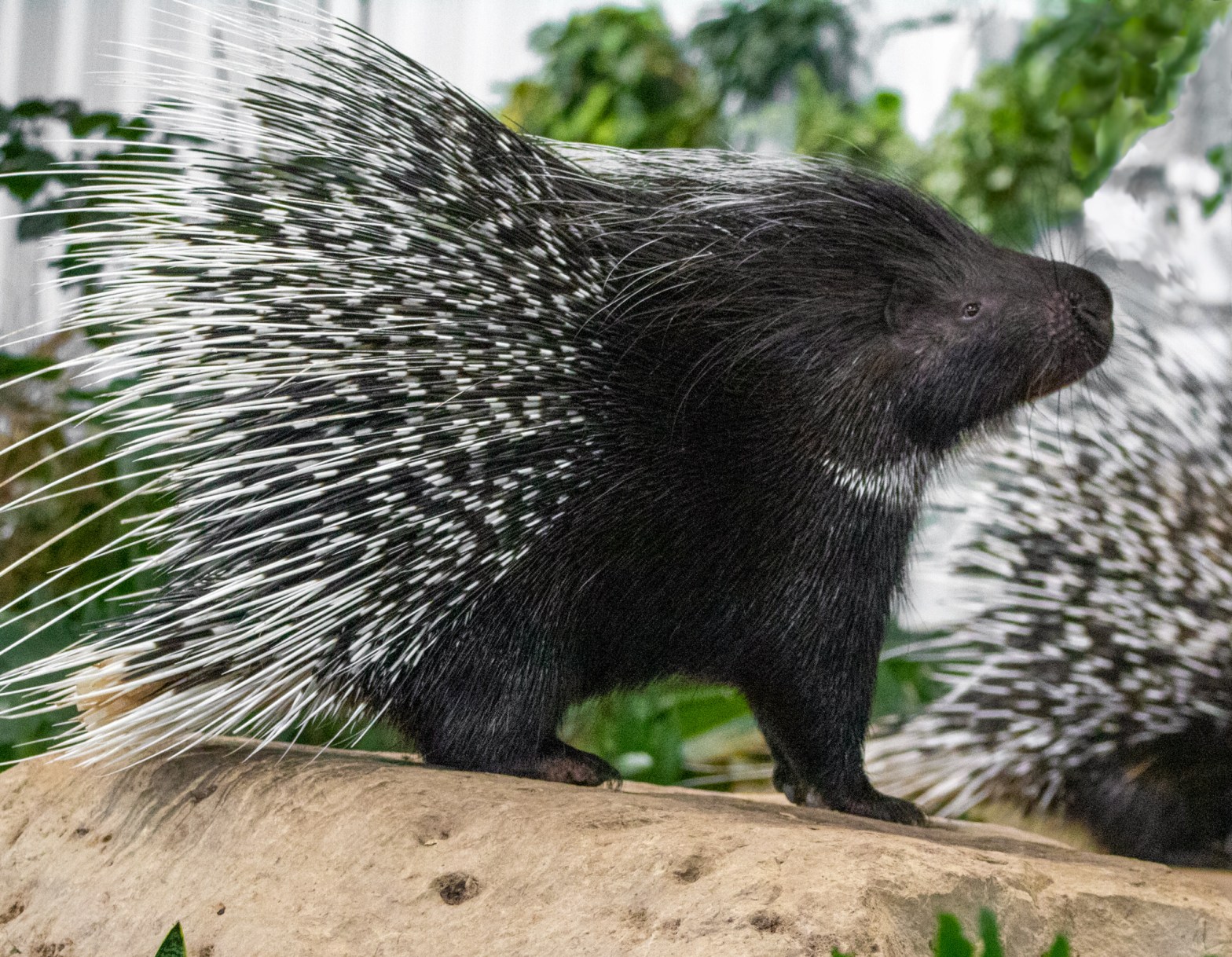
The African crested porcupine. Porcupine means “quill-pigs” in Latin. But don’t be confused porcupines are rodents, not pigs. The African crested porcupine has highly effective defense mechanisms. The first strategy is to appear bigger by raising and fanning out it’s 13 in quills. If this doesn’t scare a predator away the next thing they willContinue reading "The masters of defense"
Flying Foxes!!..?
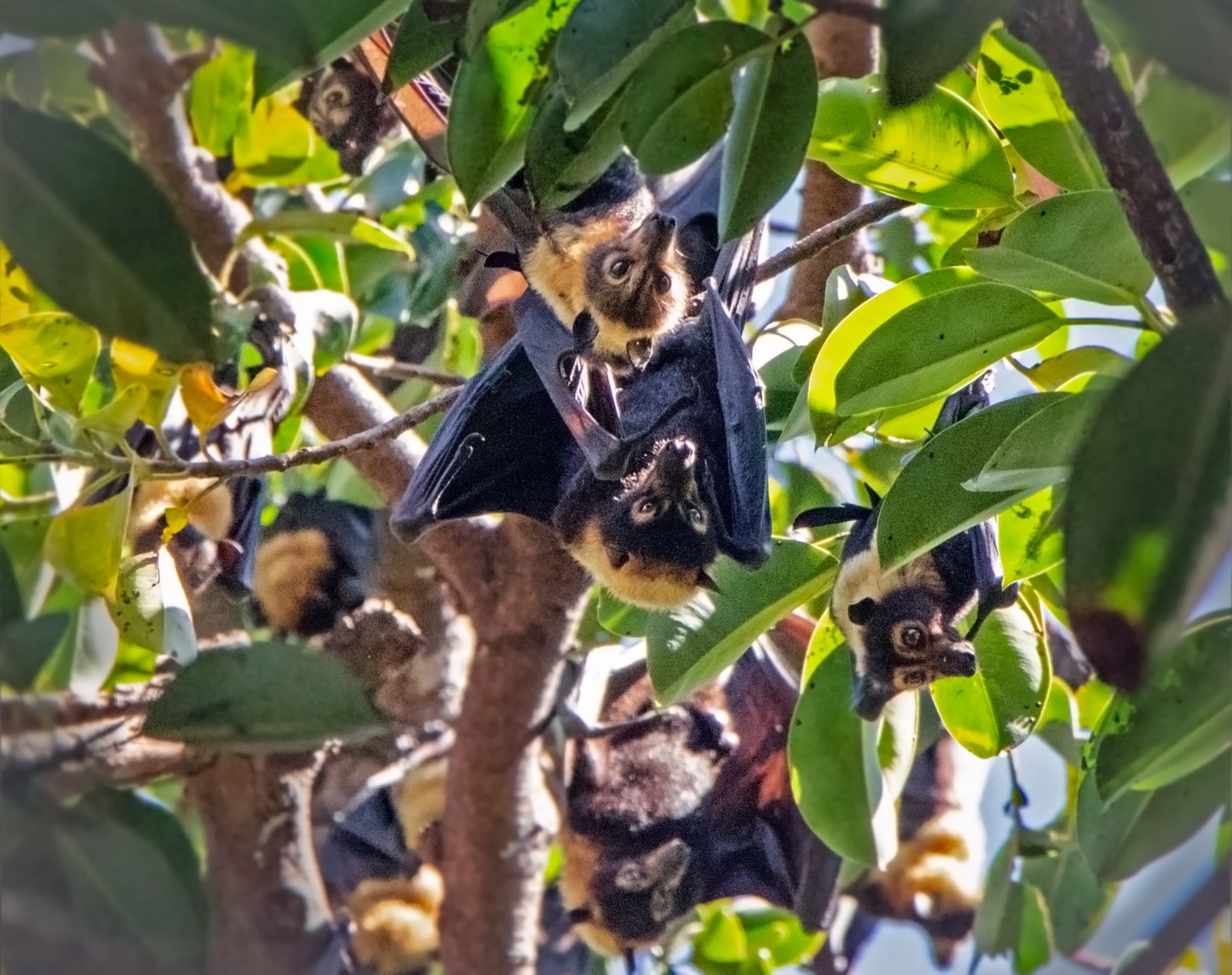
Spectacled flying-foxes are megabats, also known as fruit bats, that live in Australia, Papua New Guinea, and the surrounding islands. They are social animals that live in large groups called camps. These bats are very vocal, often chattering all day. The camp I observed in Australia sounded like a school lunchroom. In February 2019 theContinue reading "Flying Foxes!!..?"
Tiny Turtles
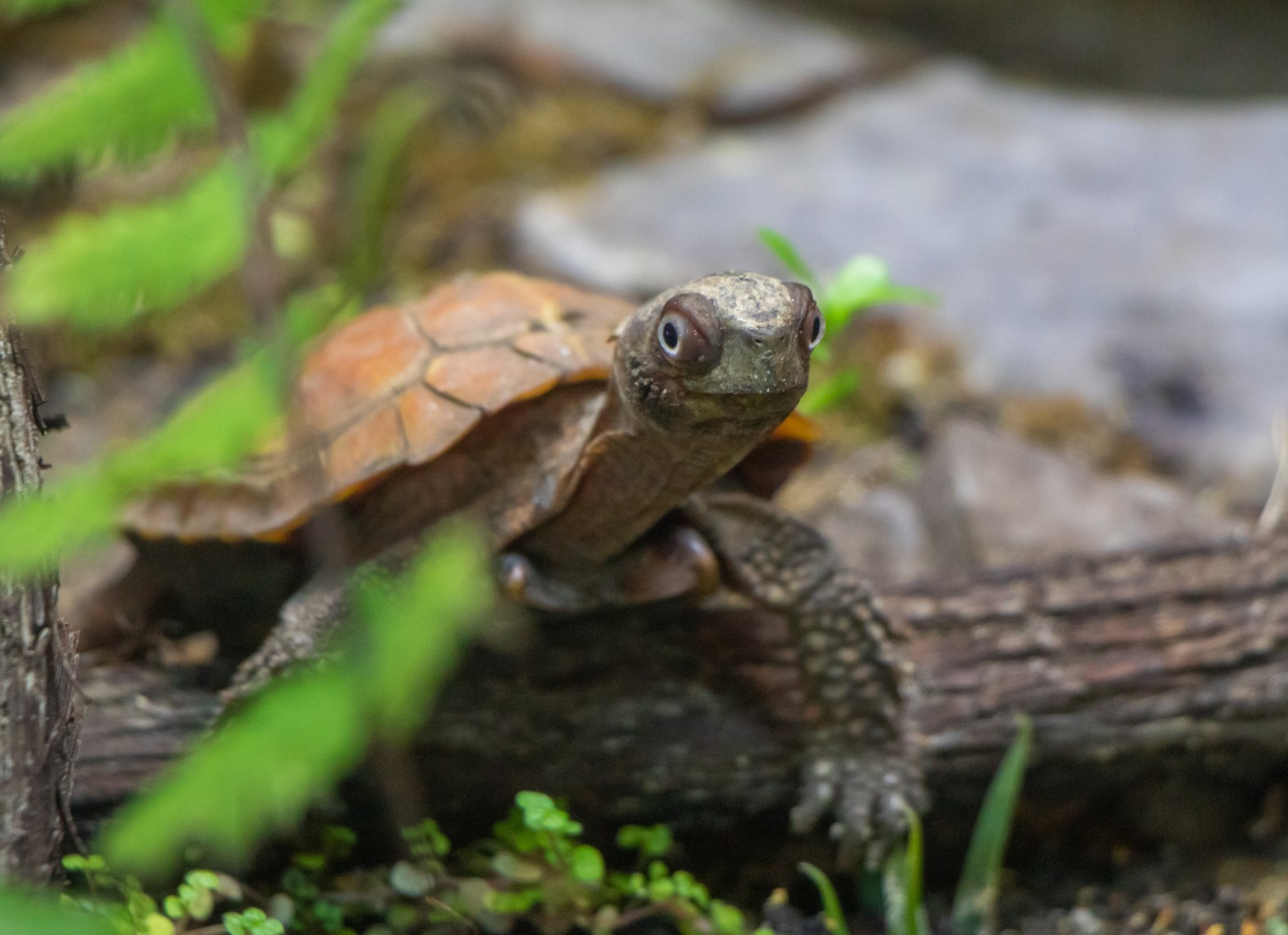
ENDANGERED! The black-breasted leaf turtle is one of the smallest turtles in the world. Adults are a maximum of 5 inches. They can move their brilliant eyes independently, like a chameleon. This is especially useful when they are looking for prey. Leaf turtles are omnivores that eat earthworms, insects, and small fruit. Unlike most turtles,Continue reading "Tiny Turtles"
A Duck known around the World
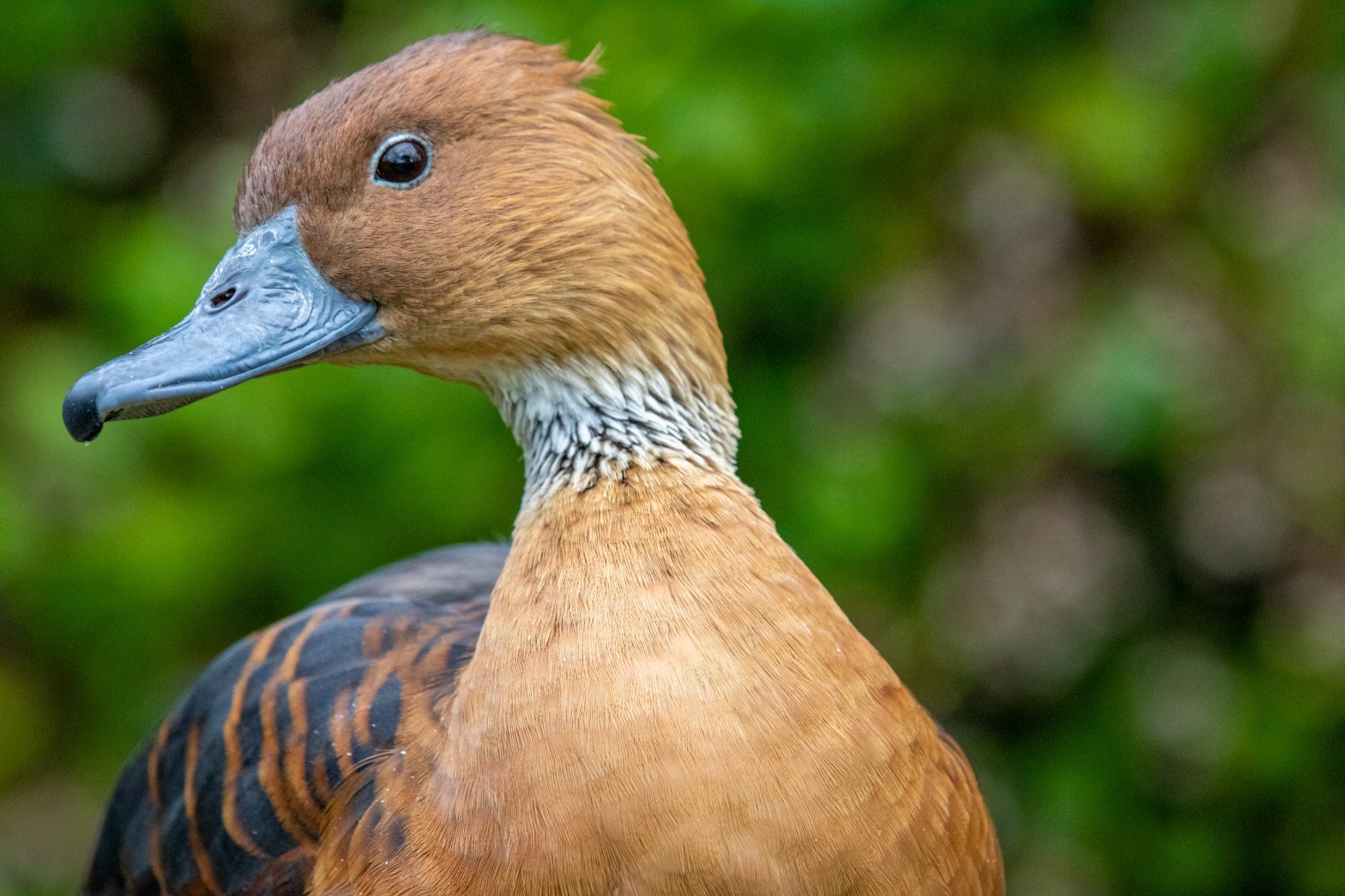
Fulvous whistling ducks are one of the most widespread ducks in the world. They live on four continents, South and North America, Africa, and Asia. These ducks live in freshwater marshes with tall grasses and vegetation. They forage, often at night, eating mainly seeds from aquatic plants. As you might have guessed by the name theseContinue reading "A Duck known around the World"
Flying Monkeys
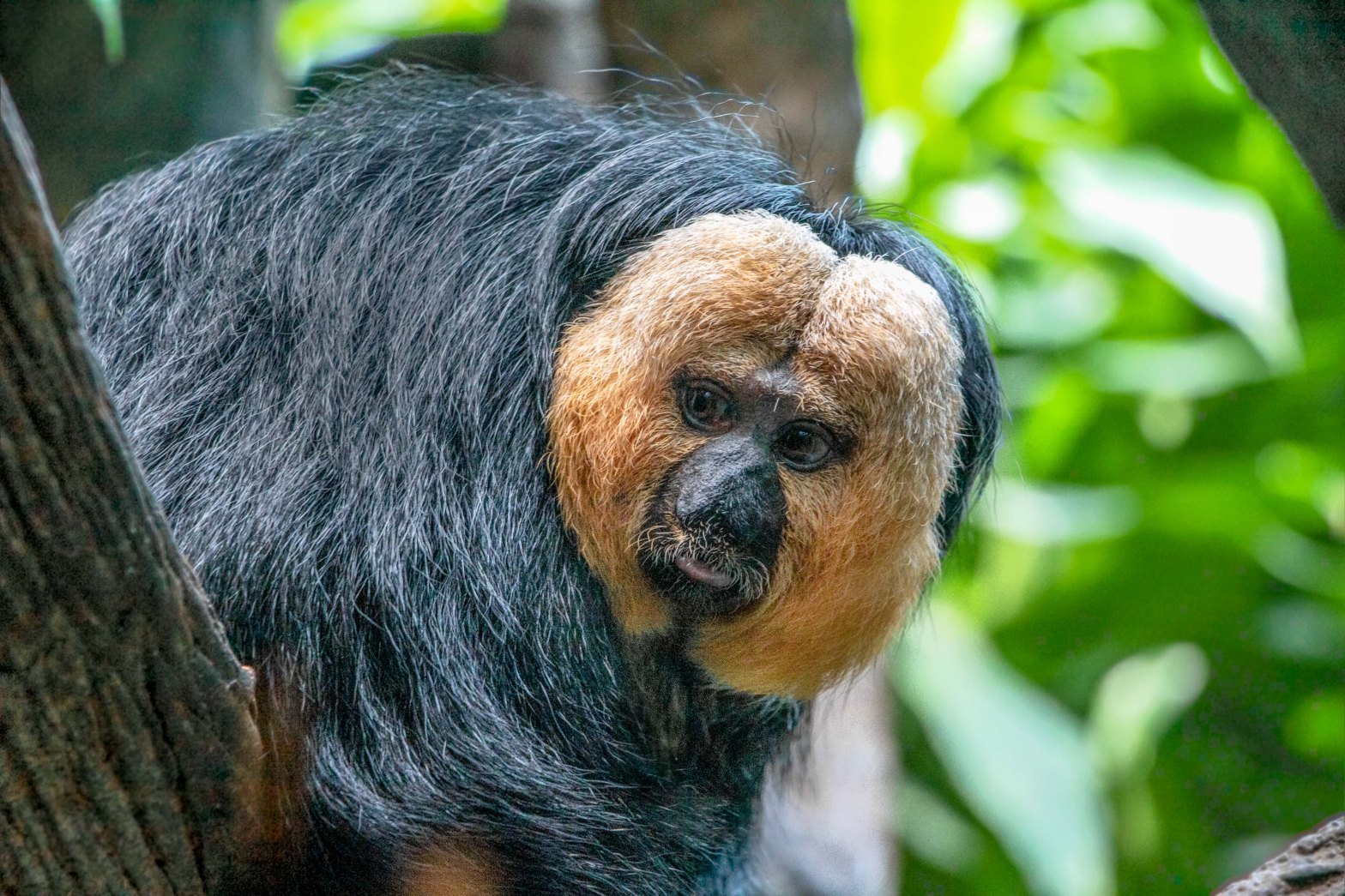
White-faced sakis are nicknamed “flying monkeys” because of their impressive leaps between trees. They can leap up to 33 ft in a single bound. Only the males have a white face, the females have a black/gray face. These monkeys live in the northern part of South America. Their diet consists of fruit, seeds, leaves, andContinue reading "Flying Monkeys"
On one island
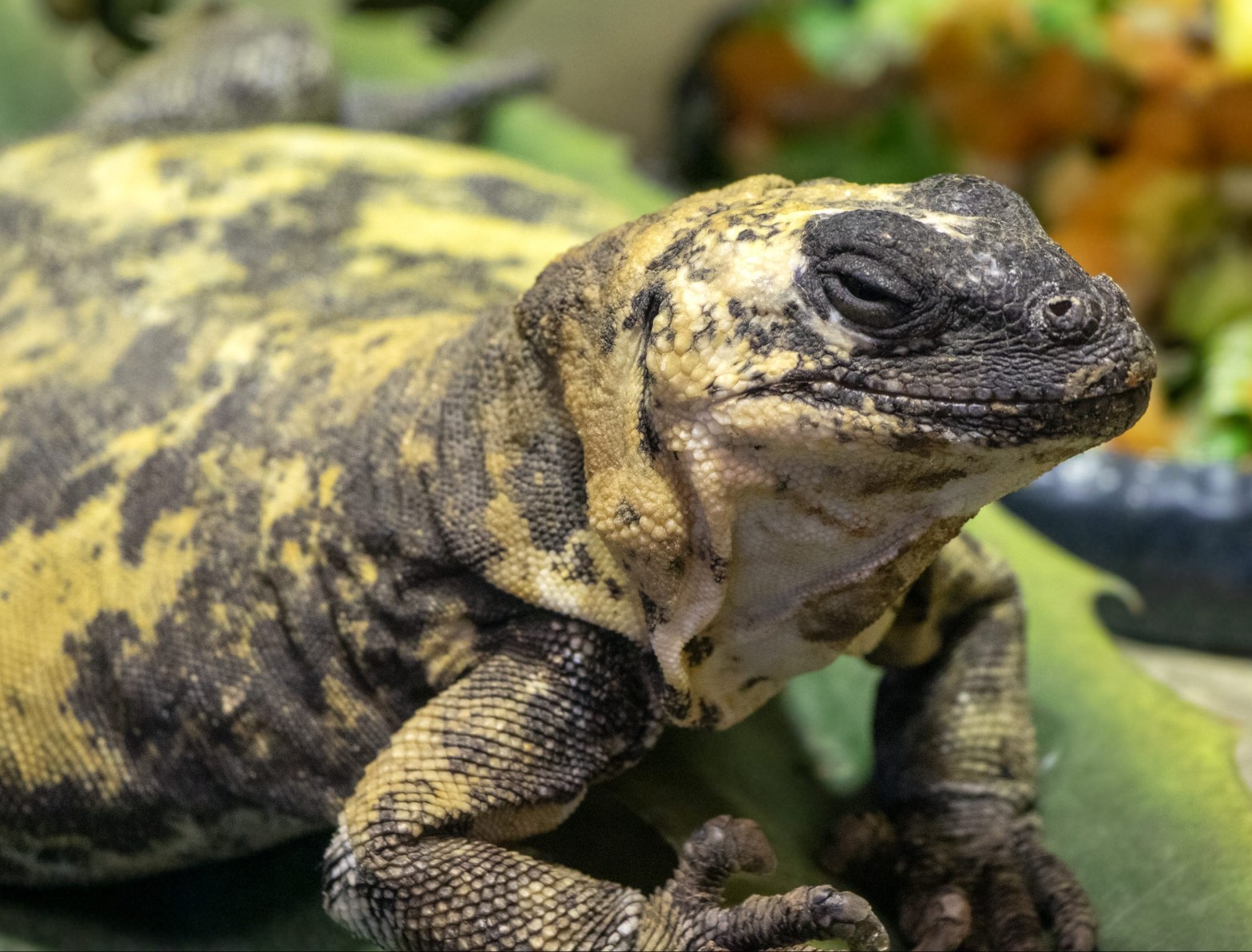
The San Esteban Chuckwalla is an endangered species. These lizards live only on the small Mexican island of San Esteban in the Gulf of California. Chuckwallas are mainly herbivores that occasionally eat insects. They don’t drink water, instead, they get water from the plants they eat. Instead of urinating chuckwallas have a unique way ofContinue reading "On one island"
What animal has no heart, no brain, no blood?
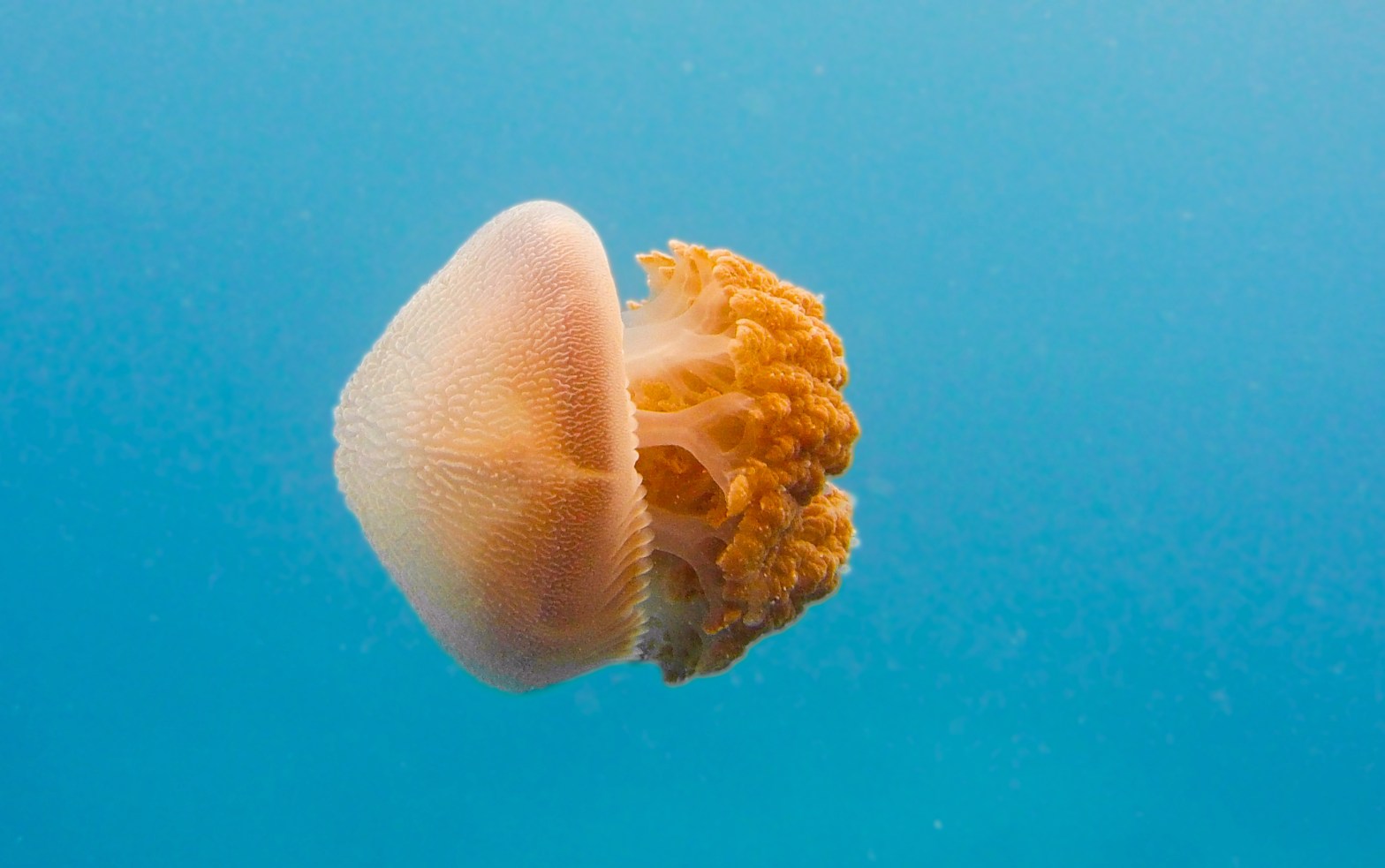
Jellyfish! These unique creatures are mesmerizing. I have always been fascinated by the way they glide through the water. This is a blubber jelly that I saw while diving on The Great Barrier Reef in Australia. https://videopress.com/v/CobOHSOo?preloadContent=metadata The blubber jelly doesn’t have a mouth instead it has tiny openings of each of its eight tentacles.Continue reading "What animal has no heart, no brain, no blood?"
One tough Cookie
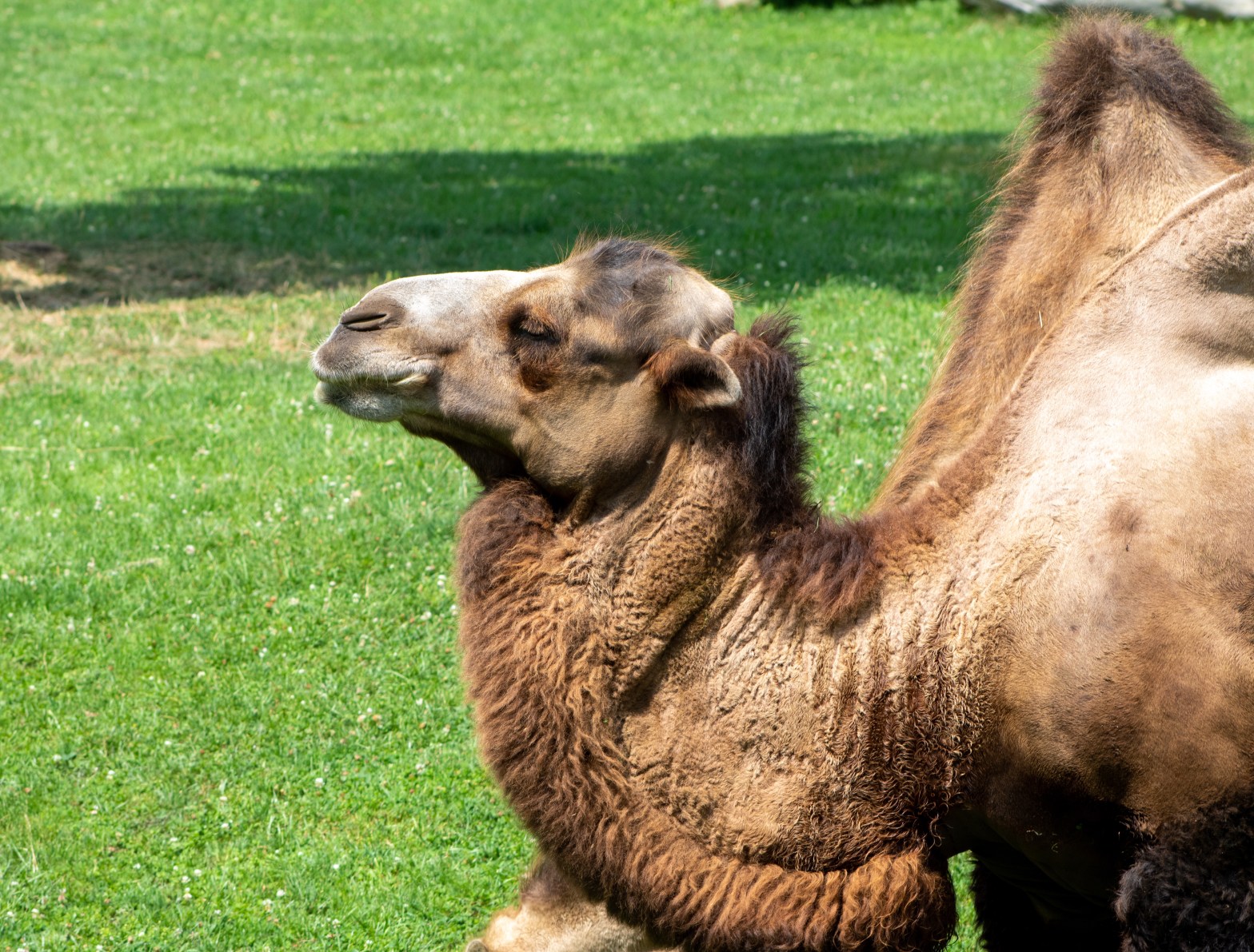
Bactrian camels are built to survive in one of the most hostile regions on earth, The Gobi Dessert. They are one of the few mammals that can eat snow as a way to quench their thirst. They are the only land mammals capable of drinking brackish/salty water with no negative effects. It is a commonContinue reading "One tough Cookie"
Chinese Dragons
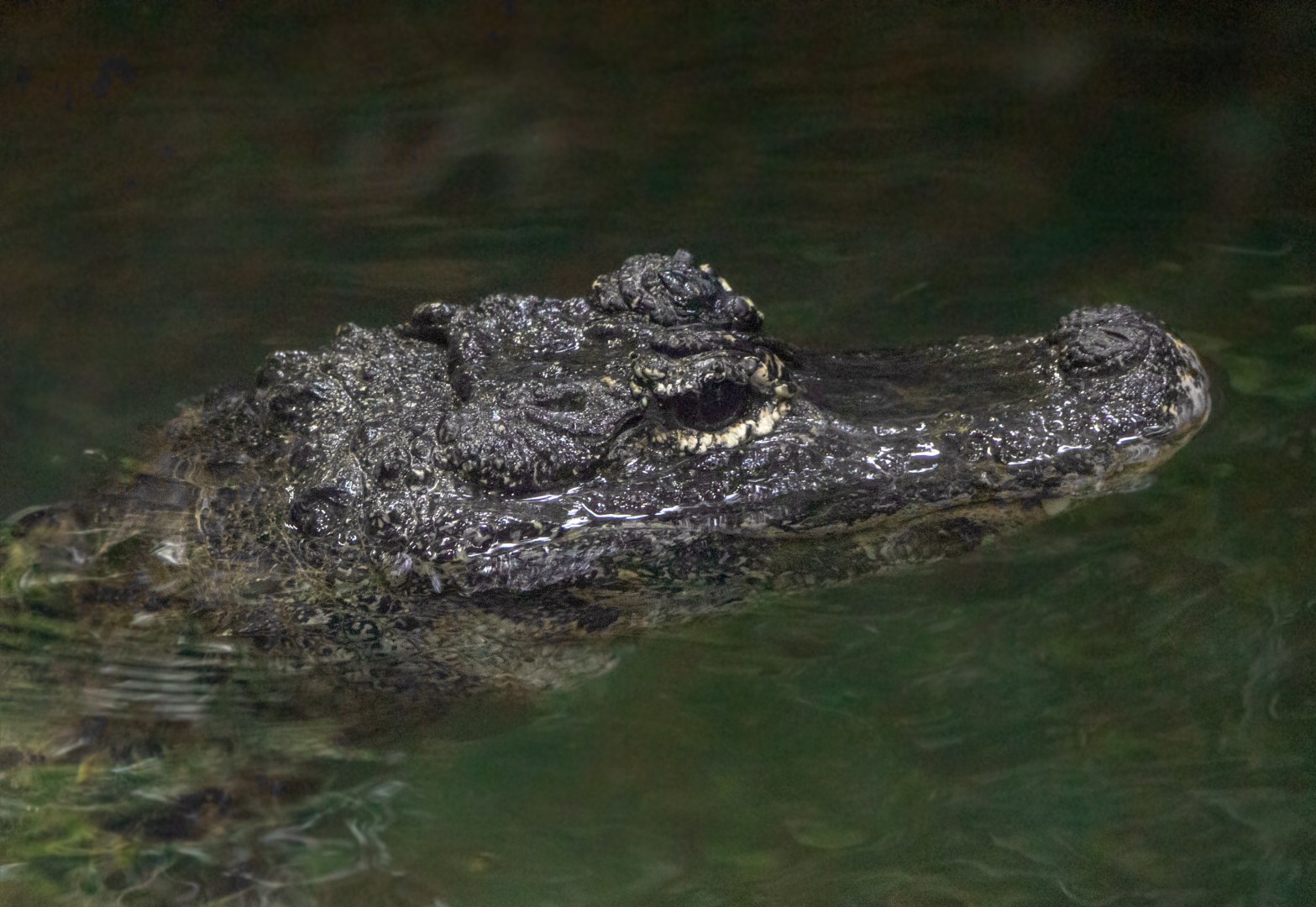
The Chinese alligator is Critically Endangered! There are less than 150 left in the wild. Habitat loss, climate change, and pollution are their biggest threats. The Chinese alligator is one of the smaller species of crocodilians. Adult males are 5-7ft, and females 4-5ft. During late October these alligators dig burrows where they brumate until April.Continue reading "Chinese Dragons"
Flamingos are not the only pink birds
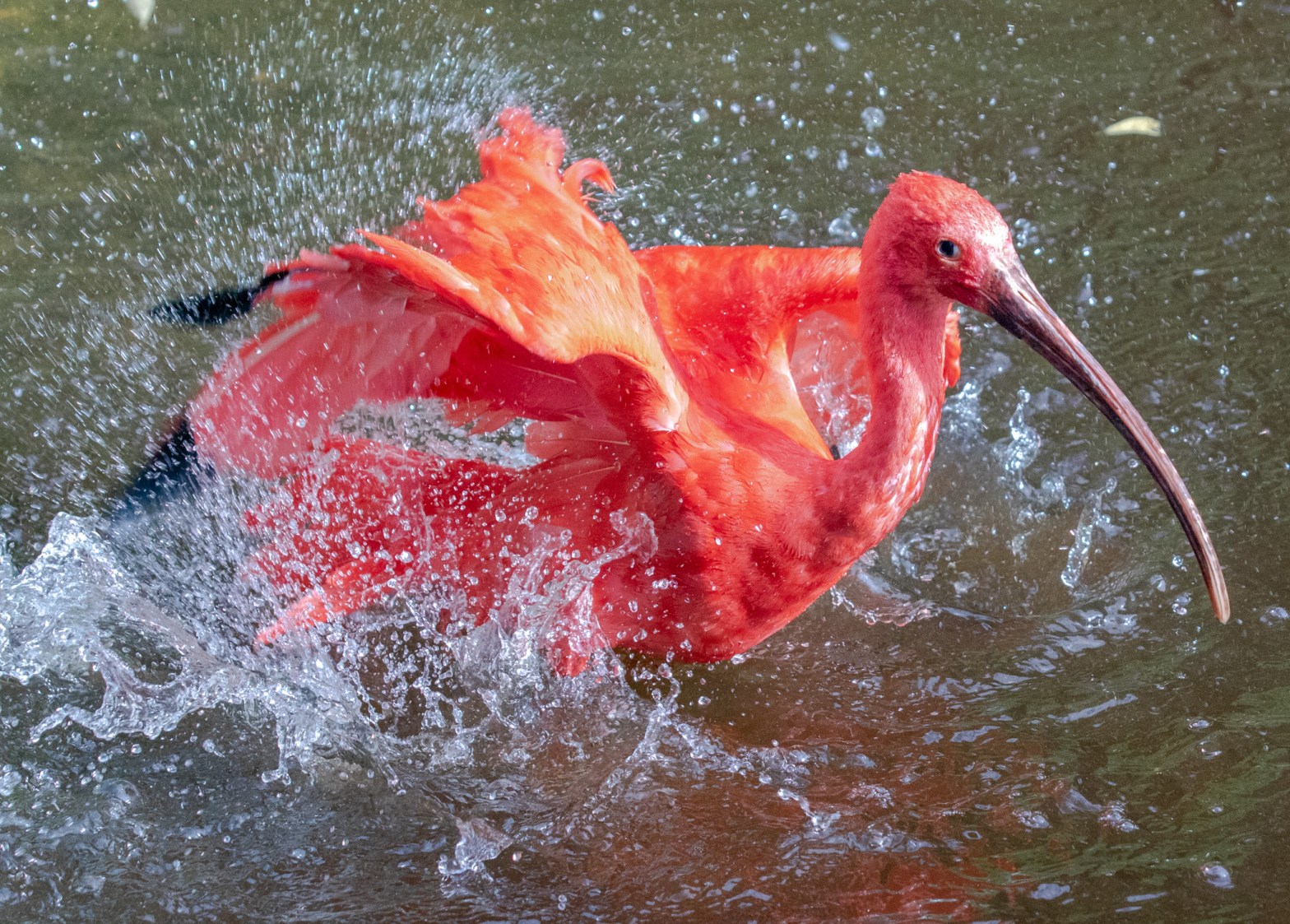
Like flamingos, the scarlet ibis’s vibrant coloring comes from the red crustaceans they eat. They live in shallow waters, and swaps in South America and the Carribean. Their long curved beaks are used to probe through the mud and sand to find food. They eat insects, crustaceans, shellfish, and amphibians. Their population is decreasing dueContinue reading "Flamingos are not the only pink birds"
Why the long face?..
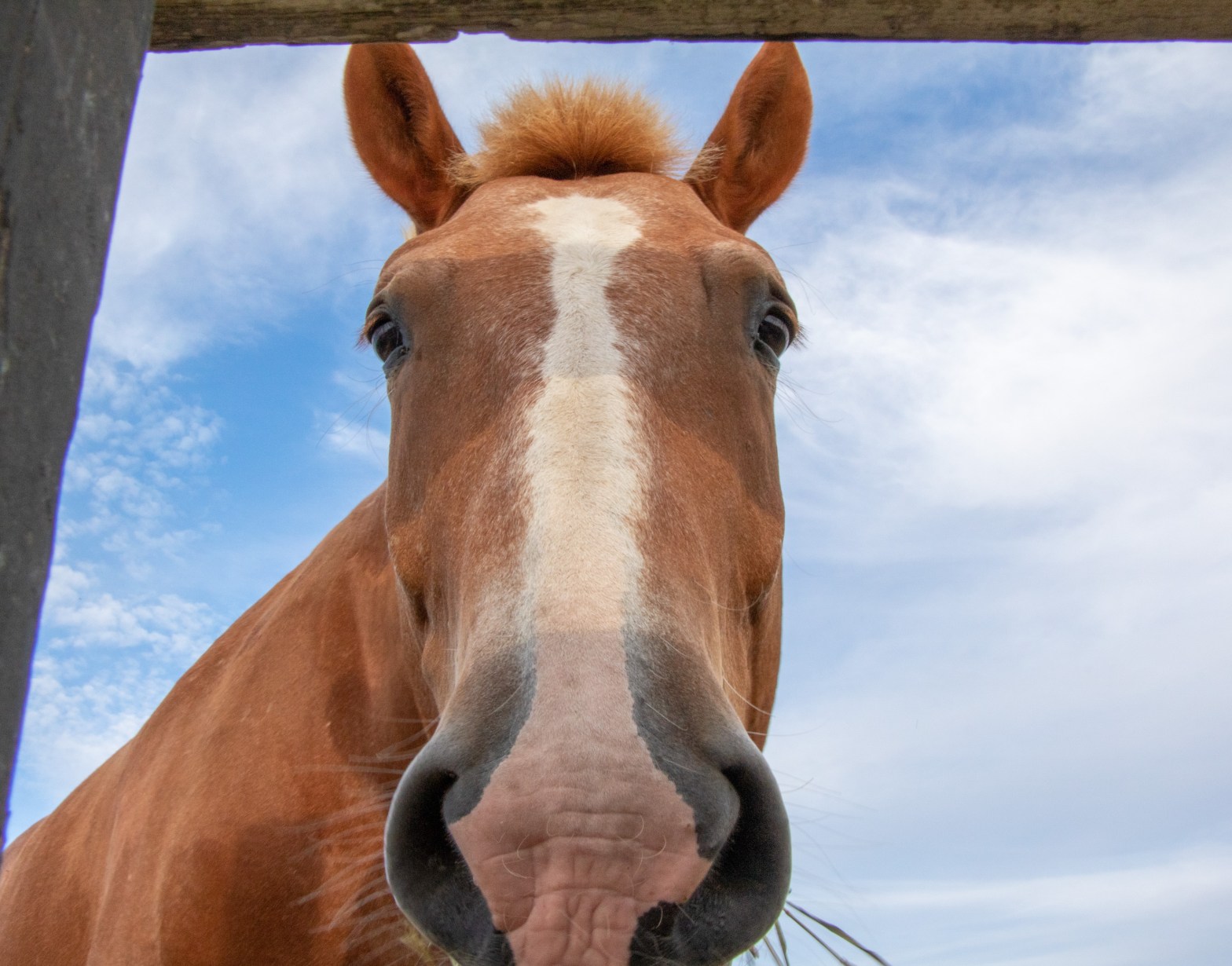
….Huge teeth A horse’s teeth take up more space in their head than their brain does. Horses have the largest eyes of any land mammal. Having eyes on the sides of their head allows them to see almost 360 degrees. The only wild horse species left is the Przewalski’s horse, and they are endangered. OnceContinue reading "Why the long face?.."
A Global Conservation Story
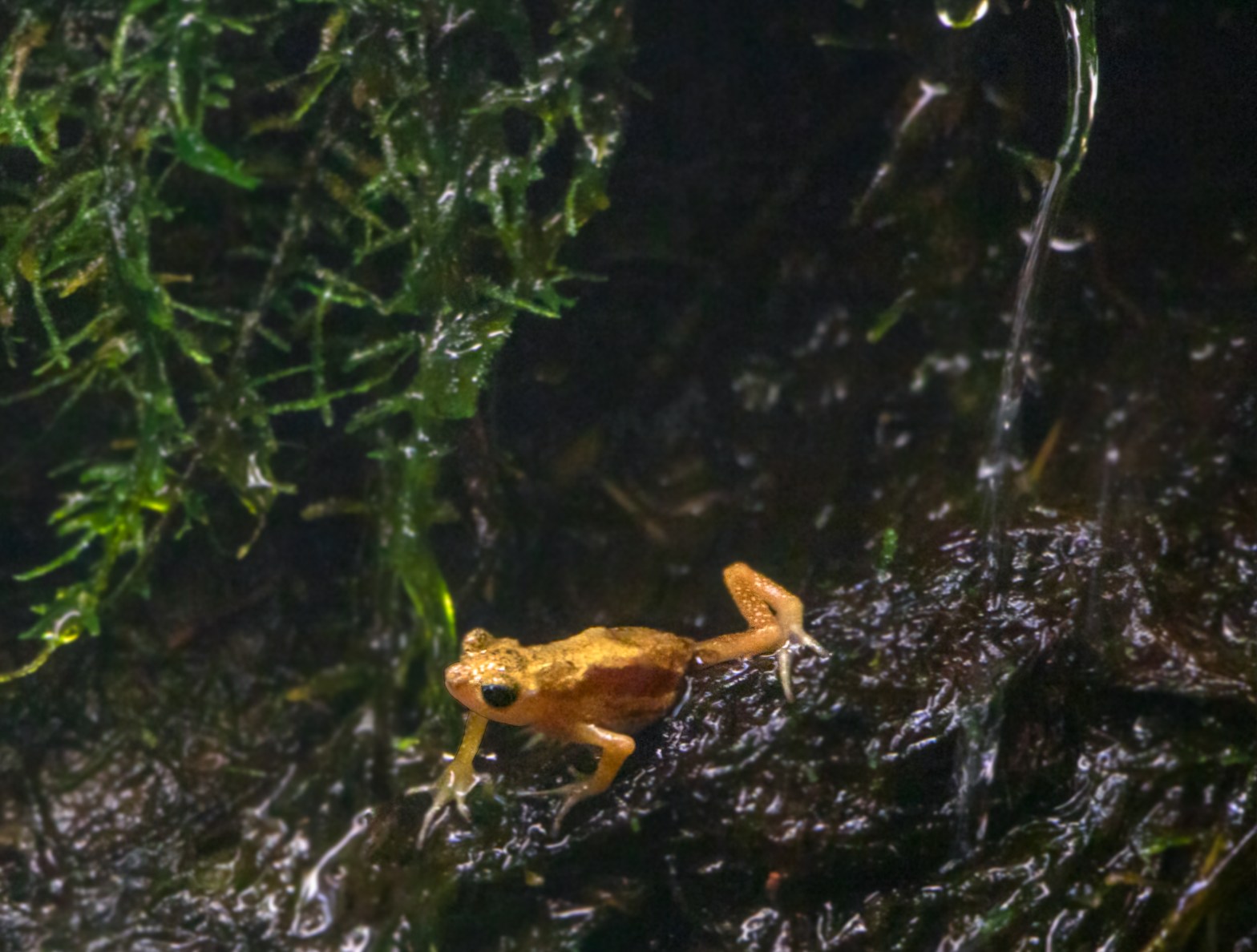
The Kihansi Spray Toad is the first extinct in the wild amphibian to be reintroduced to its natural habitat, the Kihansi Falls in the Udzungwa Mountains in Tanzania, Africa. This toad lives only in the spray zone of the falls, where there is plenty of mist. In 2000 the water flow was diverted to powerContinue reading "A Global Conservation Story"
Cute but resilient
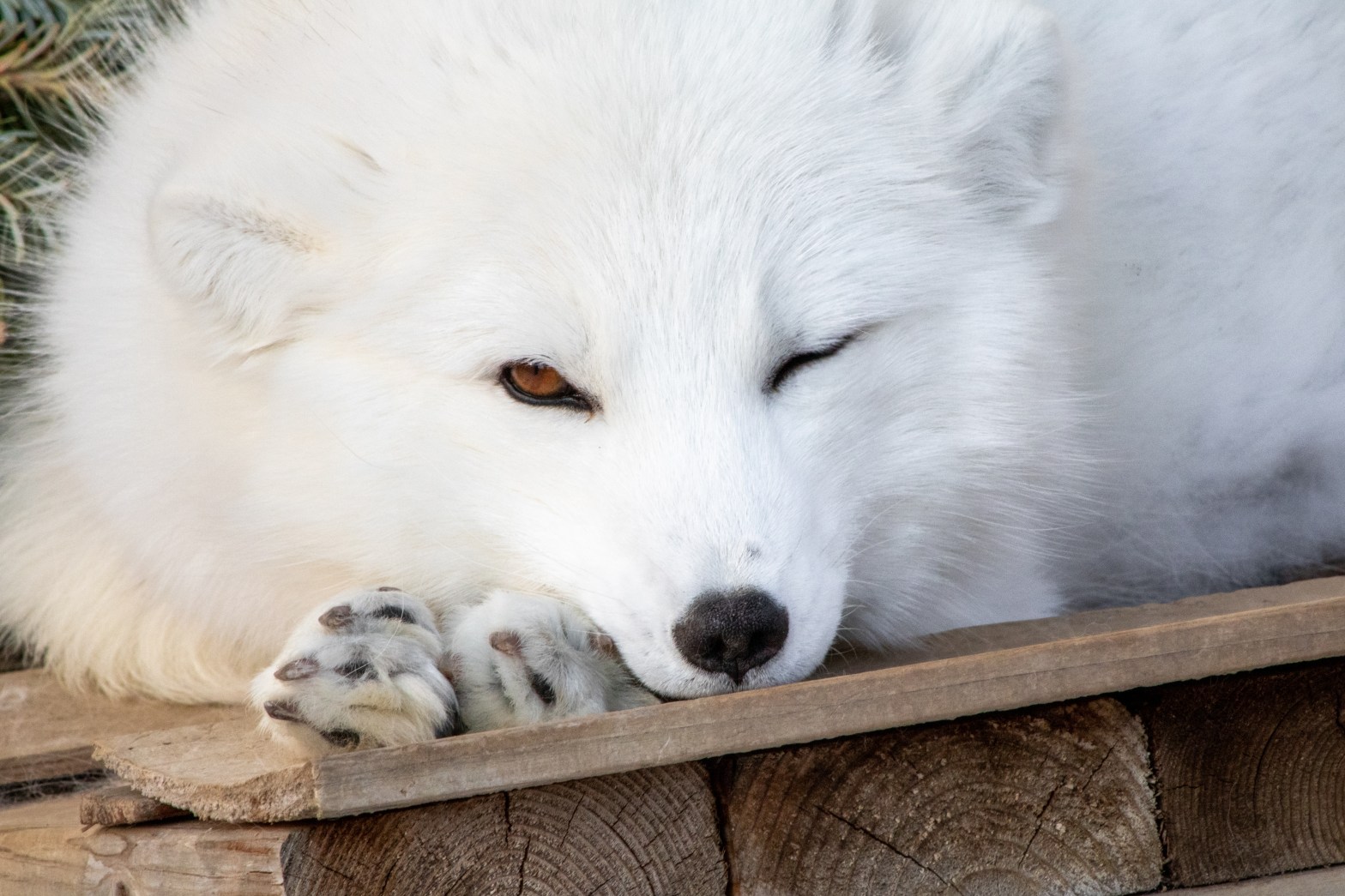
Arctic foxes are tough little creatures that can survive in temperatures as low as -50℃ (-58℉ ). Their thick fur, short legs, and round bodies help to keep them warm. They hunt lemmings, voles, fish, and eat berries, eggs, and seaweed. In winter when food is scarce arctic foxes will follow polar bears at aContinue reading "Cute but resilient"
The Unseen Turtle
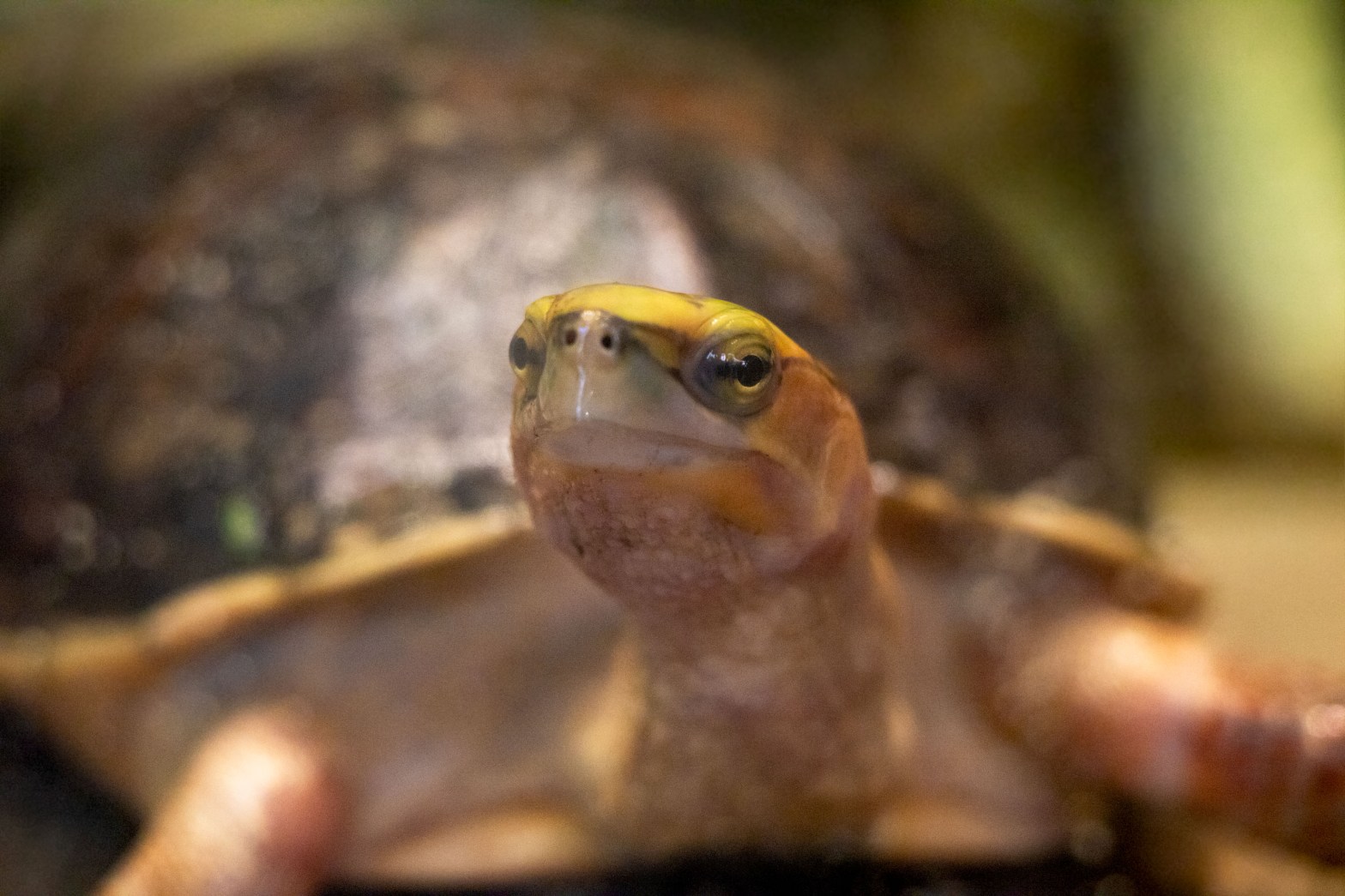
The McCord’s box turtle is CRITICALLY ENDANGERED. They are native to China, where they are often harvested for traditional Chinese medicine and the illegal pet trade. They are also threatened by habitat loss and pollution. A herpetologist first described this species in 1998 when he saw it at a Chinese market. It wasn’t until 2007Continue reading "The Unseen Turtle"
Humans are killing their closest living relative!
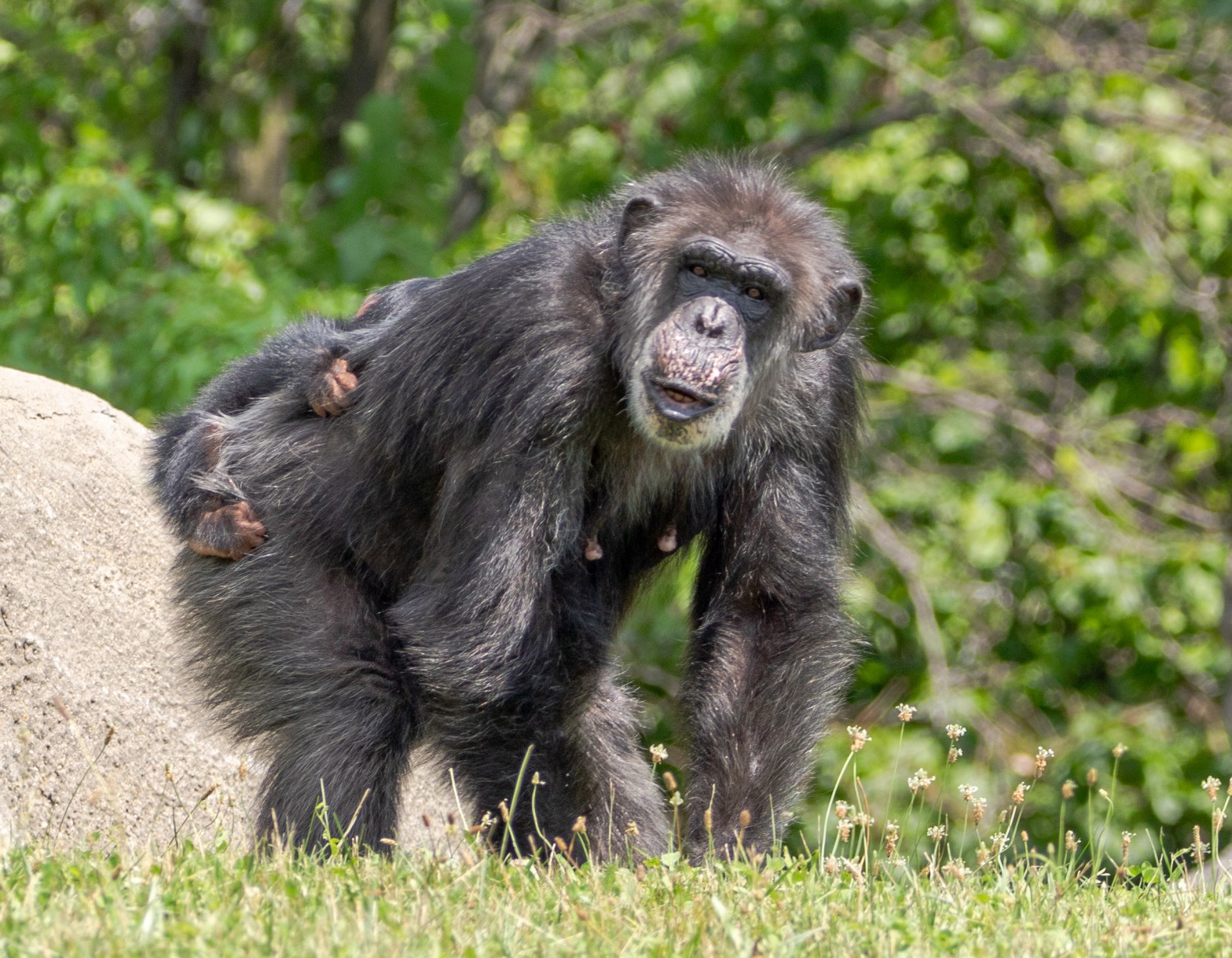
We are pushing our closest cousins towards extinction. Chimpanzees share 98.7% of their genes with us. But humans and chimps do not mix. There has been an increase in human-chimp conflicts. This is largely due to deforestation. And the encroaching human population. Other threats to the species include disease, the illegal pet trade, and being poachedContinue reading "Humans are killing their closest living relative!"
Eagle Snacks
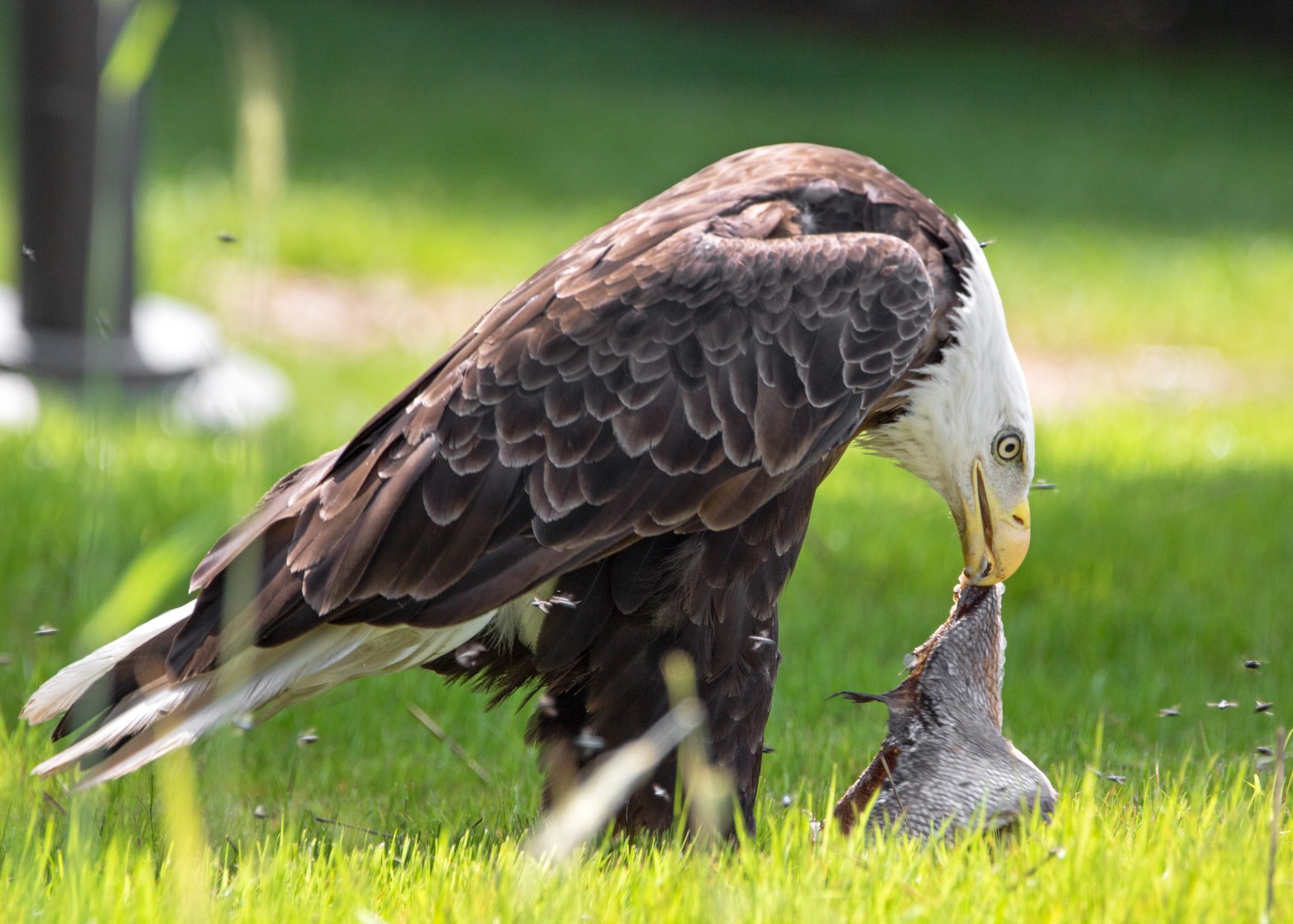
A bald eagle ripping apart and devouring a dead fish in Northern Michigan. Bald eagles live across the United States. They have been the national emblem of the USA since 1782. Despite this, the bald eagle was on the verge of extinction in the 1950s. Illegal hunting, habitat loss and the pesticide DDT were theContinue reading "Eagle Snacks"
Frogs that make their own sunscreen
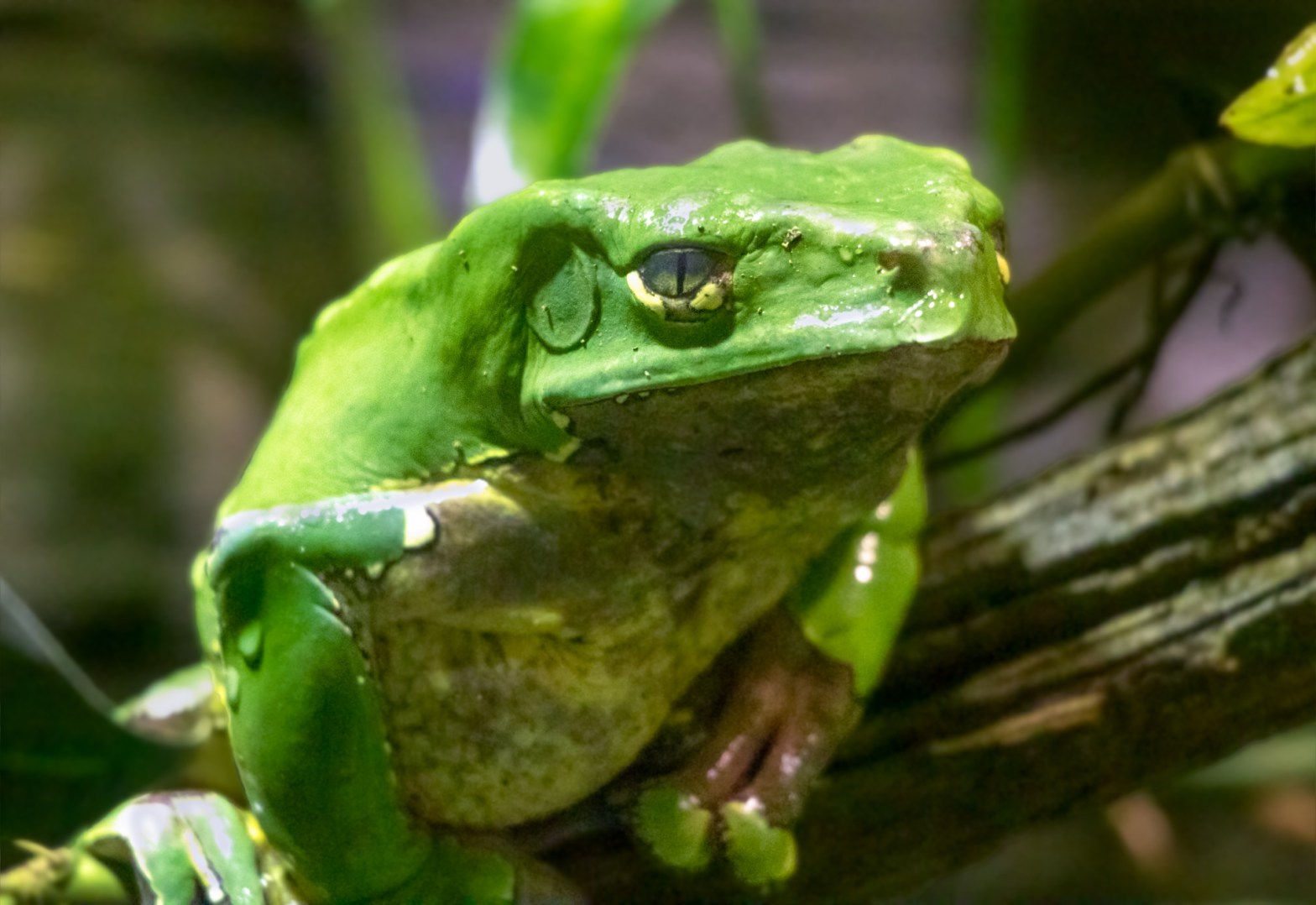
The waxy-monkey tree frog is unlike most frogs. It is able to tolerate higher temperatures and direct sunlight due to their special skin glands that produce a waxy substance. The frogs rub the secretions all over themselves as protection from the sun aka sunscreen. The waxy substance also traps in moisture so the frogs don’tContinue reading "Frogs that make their own sunscreen"
RAWR
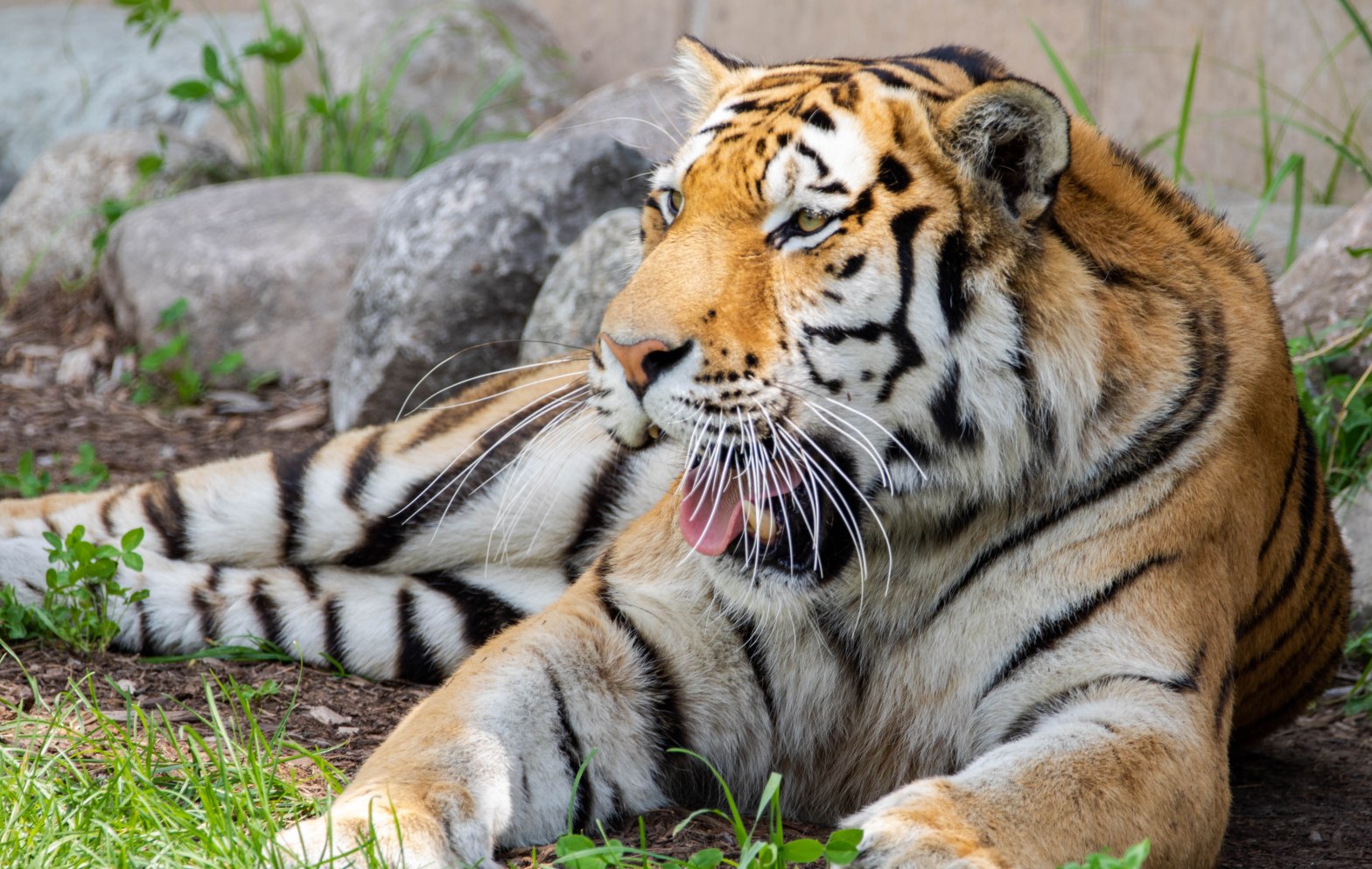
ENDANGERED. The Siberian tiger (also known as the Amur tiger) is the largest cat in the world! Males can be up to 11ft long and weigh 660lbs. Deforestation is the biggest reason for the population decline. These tigers are also poached for their fur and body parts (used in traditional medicine). They live mostly inContinue reading "RAWR"
Open Wide!
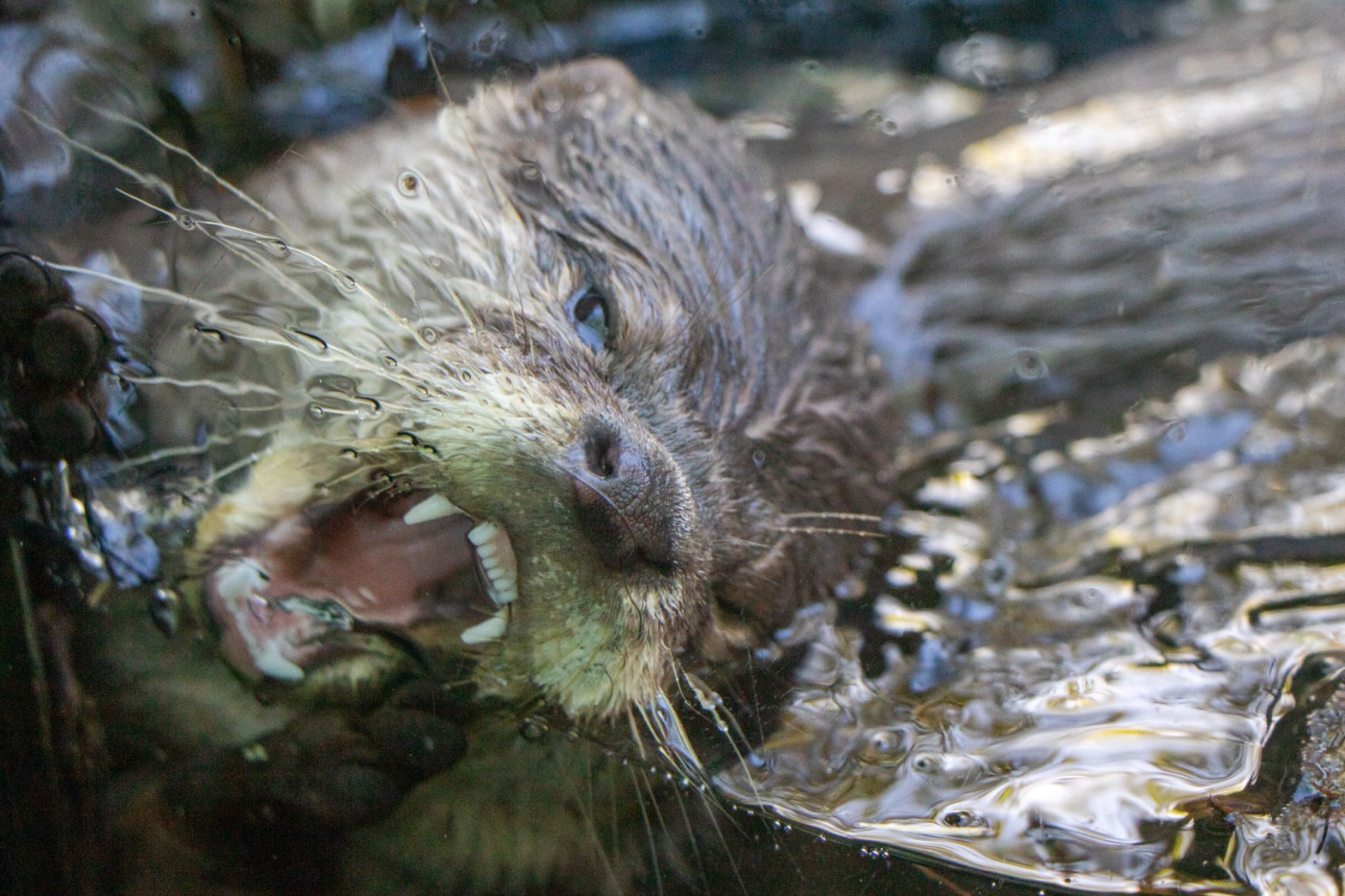
Although river otters are adorable they are carnivores. Their favorite food - fish. They use those sharp canines to stab and catch fish. Built to swim, river otters can hold their breath for 8 minutes and dive up to 60 ft deep. Pollution and habitat destruction are major threats to their conservation.
The Big Macs of the Savannah
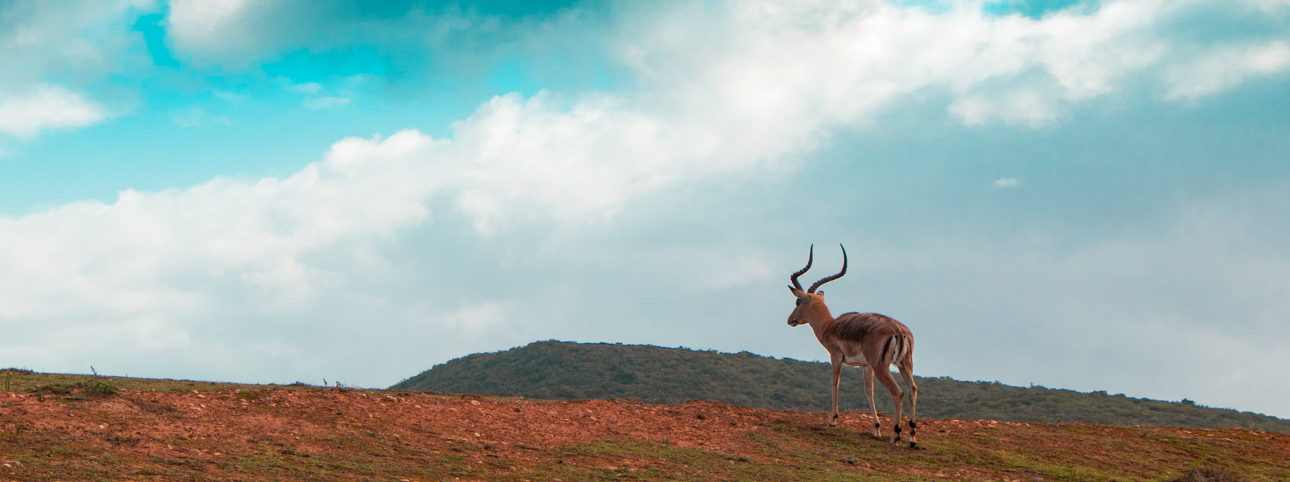
Impalas are known as the big macs of the savannah because everything eats them. They also have a black M pattern on their butts that looks like the golden arches. Impalas are incredible jumpers, they can jump as far as 33 ft (10 m) and as high as 10ft (3 m).
Ringtails
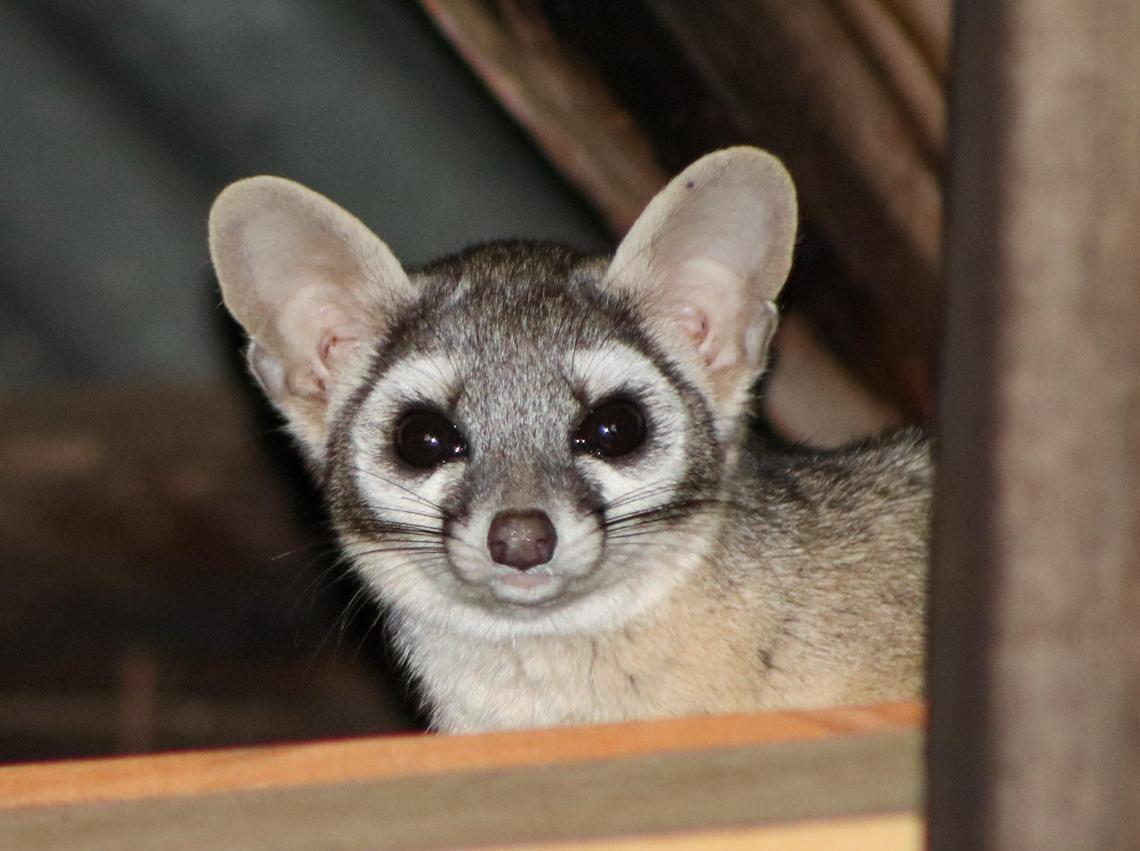
An adorable and curious ring-tailed cat in a barn in Arizona. Despite their name, ring-tailed cats are not related to cats. They are part of the racoon (procyonidae) family. Ringtails are the state mammal of Arizona.
The Great Egret
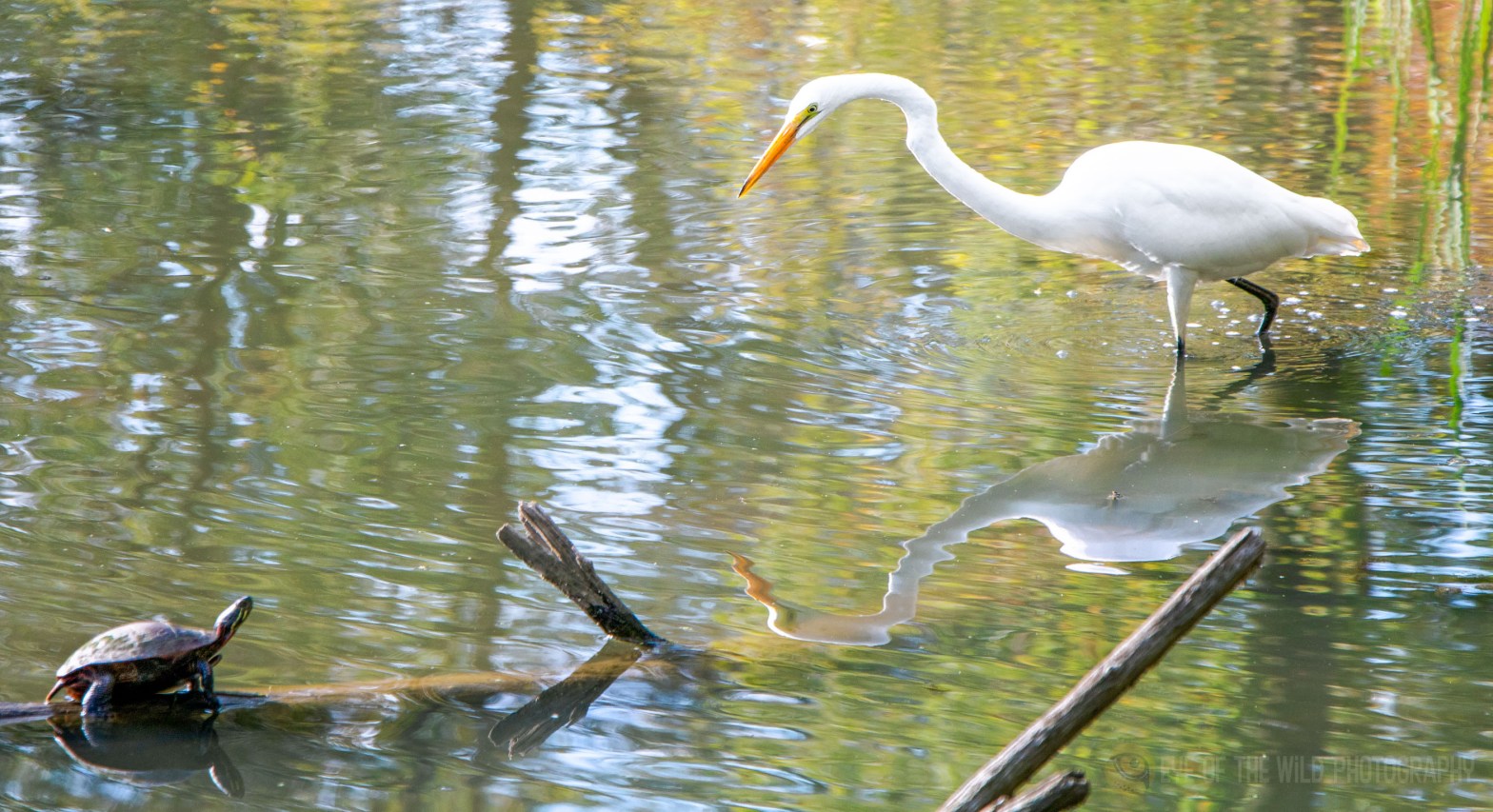
Egrets are members of the heron family. They stand motionless in the water waiting for their prey to come near, then they strike quickly and swallow their prey whole. Today egrets are known as one of the great conservation success stories. During the late 1800s, their population was nearly wiped out due to plume huntingContinue reading "The Great Egret"
Do you know this animal??
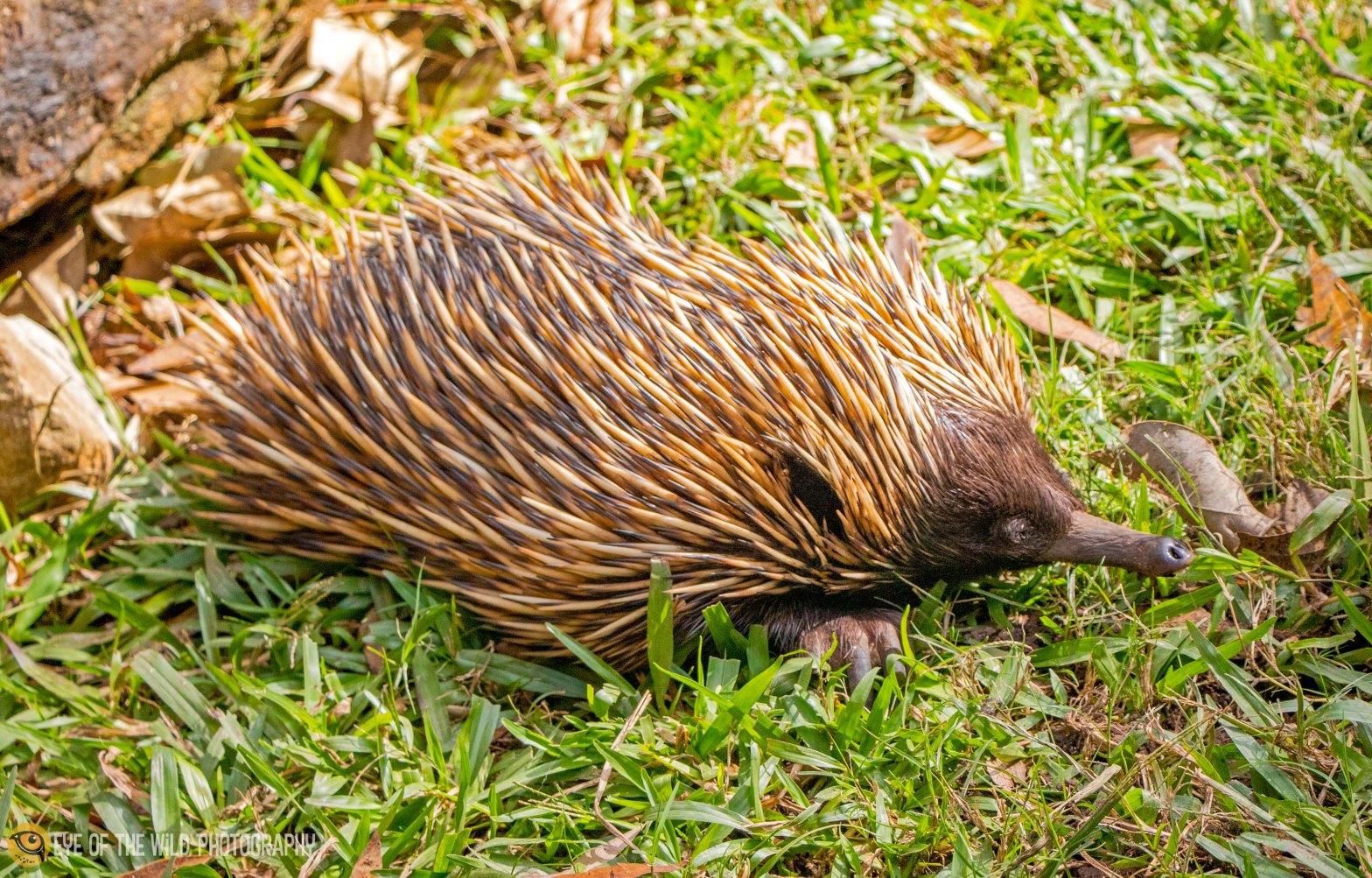
A Short-beaked echidna. Echidnas are truly UNIQUE creatures; they have spines, pouches, beaks, electroreceptors, no teeth, a long sticky tongue, and are monotremes; egg-laying mammals. The platypus is the only other egg-laying mammal. Fun facts: Echidnas can swim.Echidnas have the slowest metabolism of any mammal and can live up to 45 years in the wild.Continue reading "Do you know this animal??"
Elk
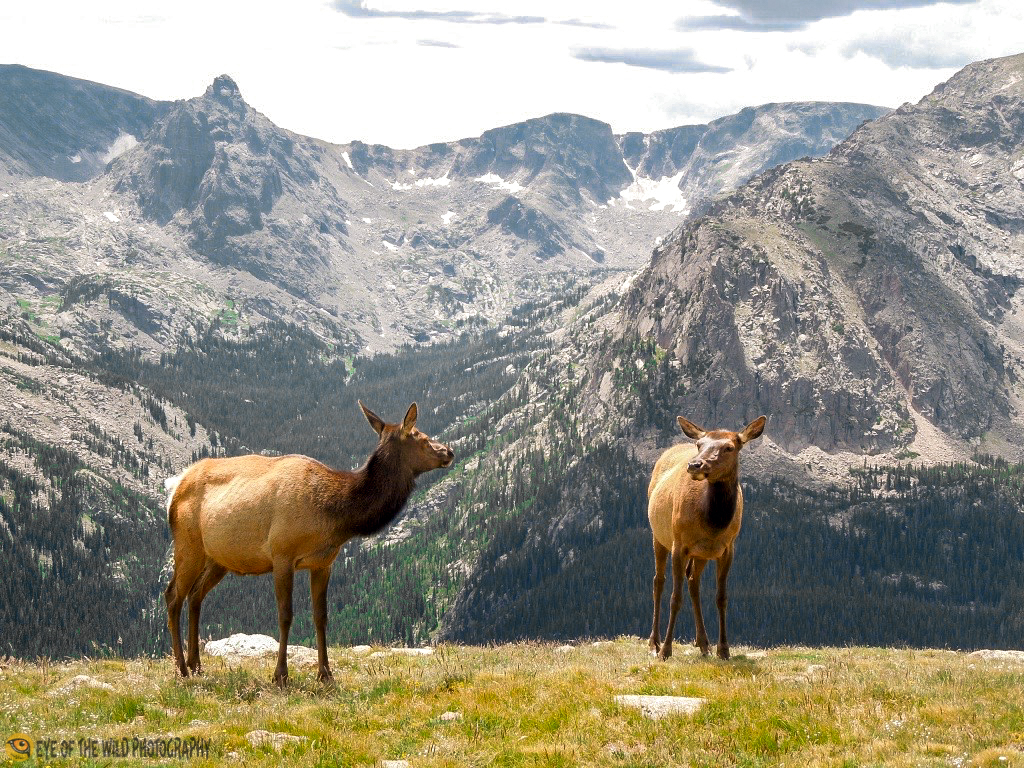
Elk in Estes Park, Colorado. Elk also know by their Shawnee name Wapiti, meaning "white rump" are one of the largest members of the deer family. Although they weigh in at around 700 lbs, Elk are surprisingly fast. They can run up to 45 mph and have a vertical jump of 8 ft.
Sunday Comics
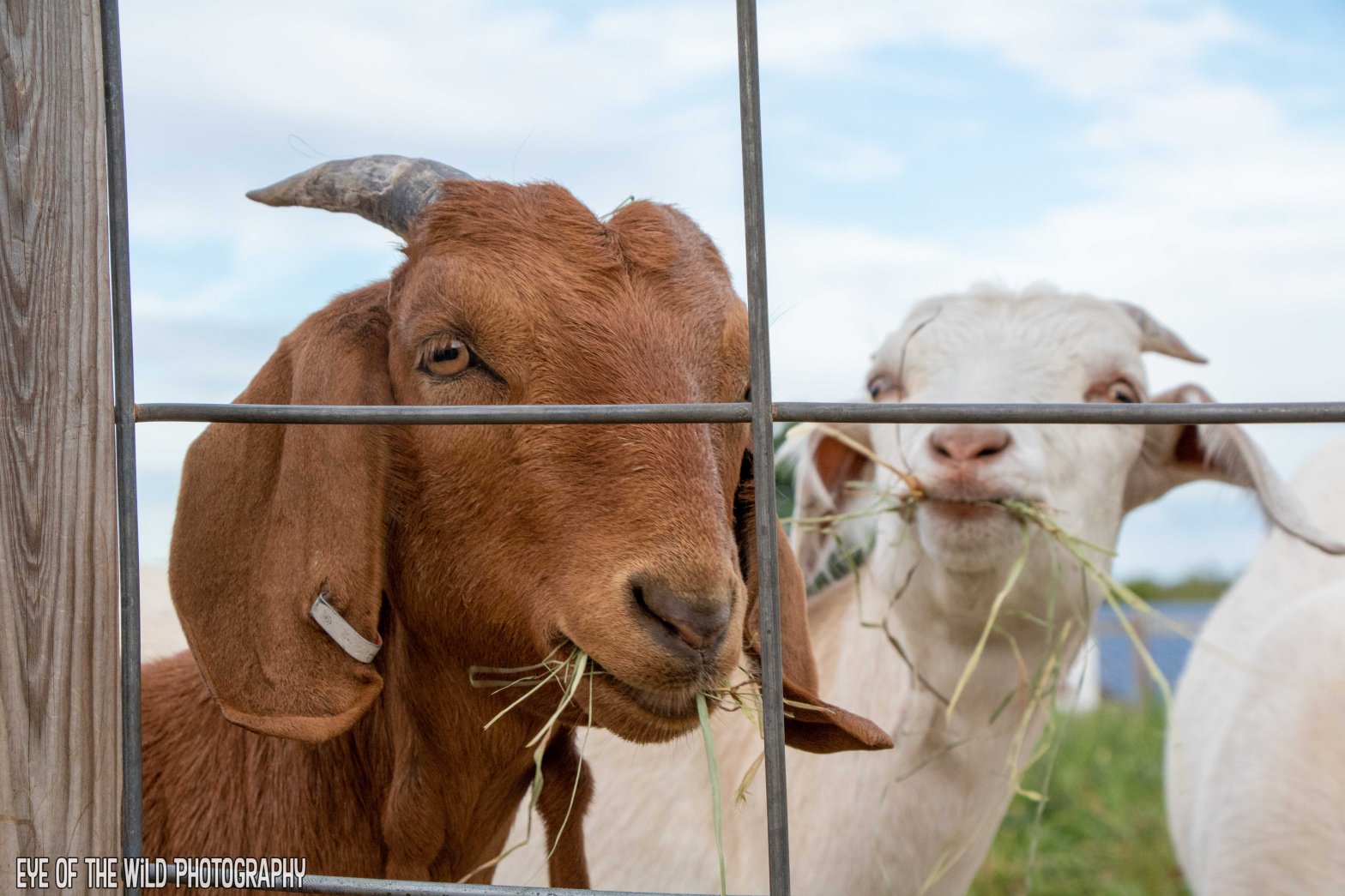
We all have that one friend who can't figure out how to smile in pictures...
The Massive Martial Eagle
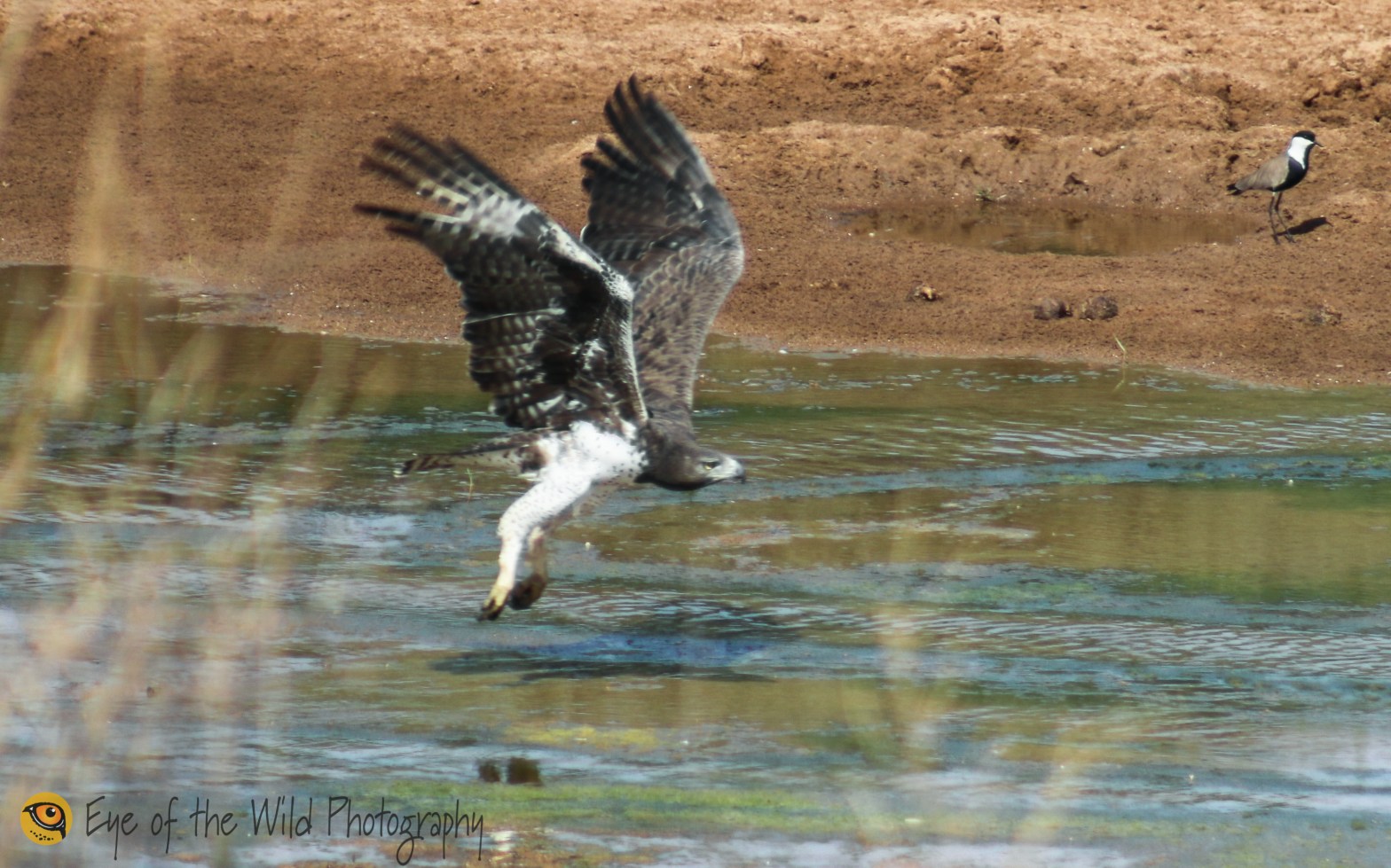
The martial eagle is the largest and most powerful eagle in Africa. It has a wingspan of 6 ft 4 in (2.6 meters). It is listed as vulnerable on the IUCN Red List. They are shot on sight and poisoned by farmers because they are seen as a threat to livestock. Although the eagles doContinue reading "The Massive Martial Eagle"
 Eye of the Wild Photography