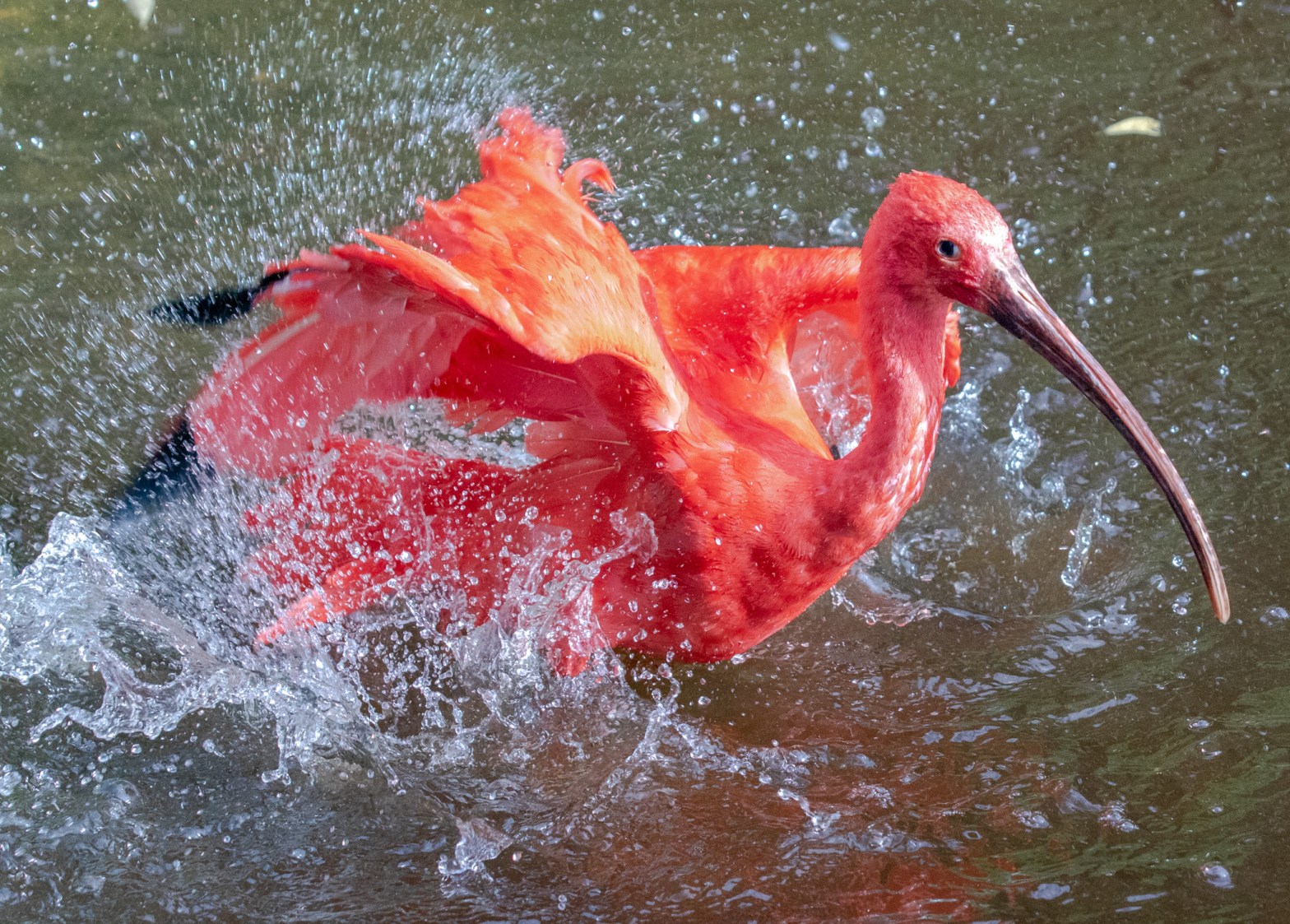
Like flamingos, the scarlet ibis’s vibrant coloring comes from the red crustaceans they eat. They live in shallow waters, and swaps in South America and the Carribean. Their long curved beaks are used to probe through the mud and sand to find food. They eat insects, crustaceans, shellfish, and amphibians. Their population is decreasing dueContinueContinue reading “Flamingos are not the only pink birds”
Tag Archives: Wildlife
A Global Conservation Story
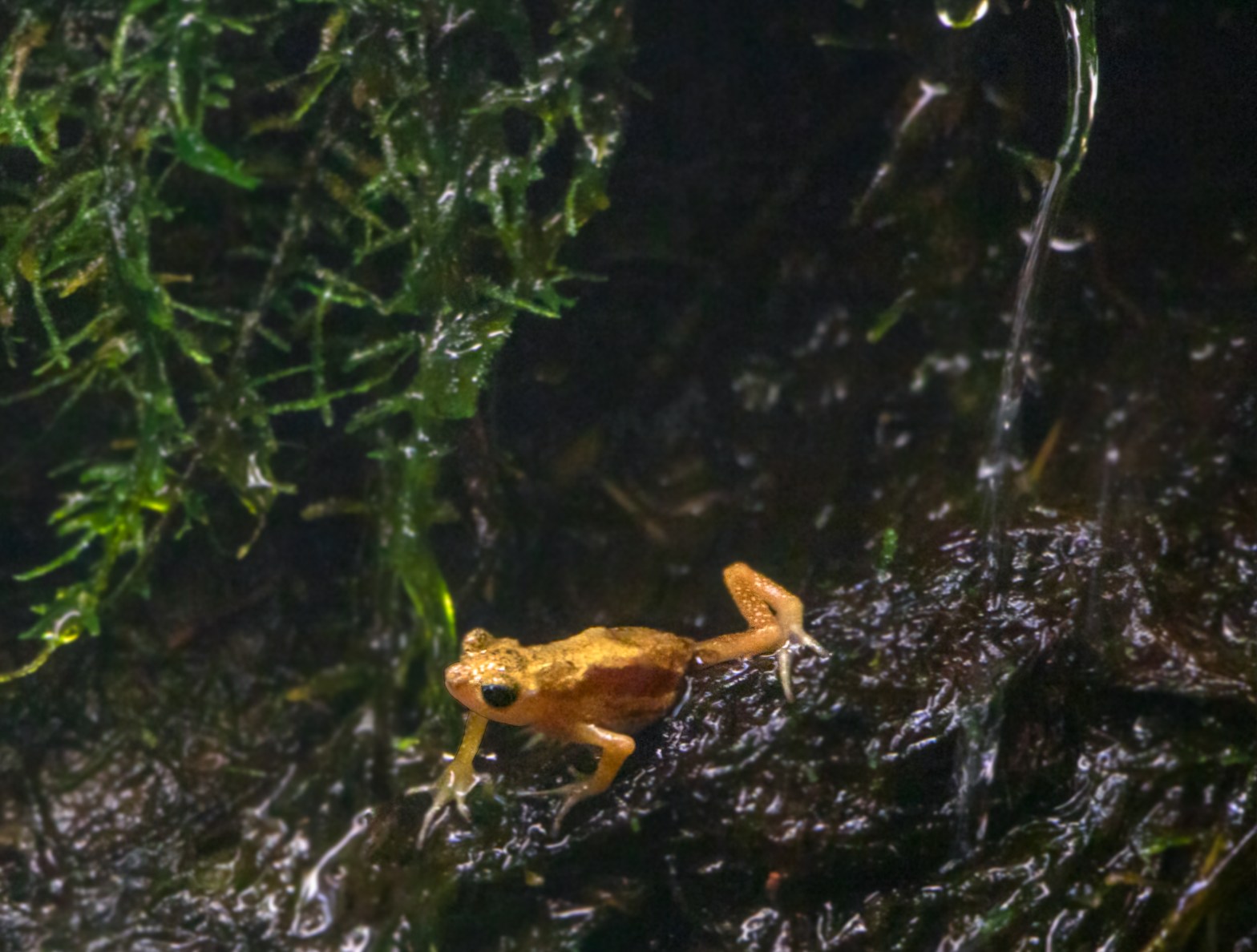
The Kihansi Spray Toad is the first extinct in the wild amphibian to be reintroduced to its natural habitat, the Kihansi Falls in the Udzungwa Mountains in Tanzania, Africa. This toad lives only in the spray zone of the falls, where there is plenty of mist. In 2000 the water flow was diverted to powerContinueContinue reading “A Global Conservation Story”
See no evil, hear no evil, speak no evil
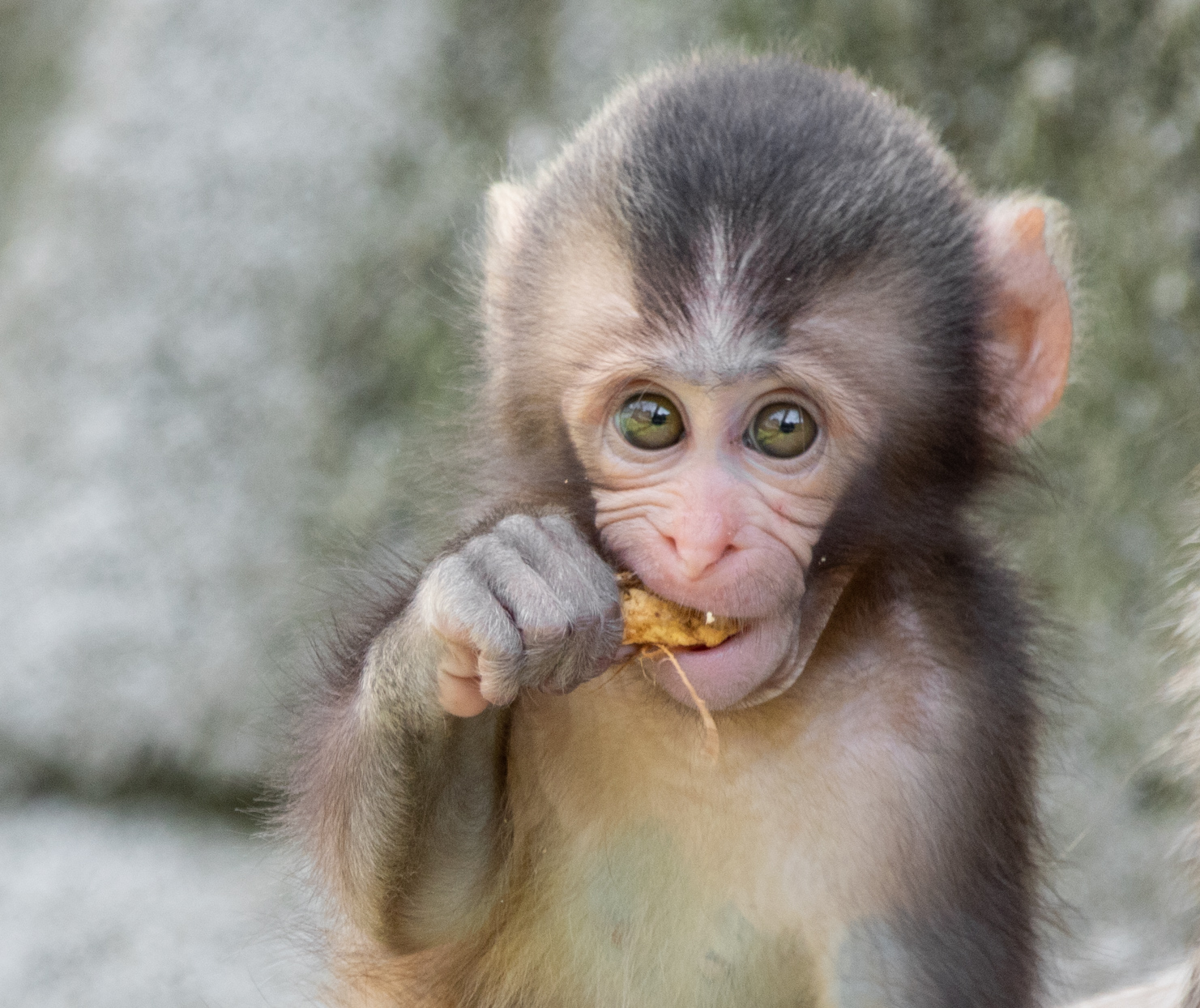
Japanese Macaques, also known as snow monkeys, are the most northern-living non-human primates on Earth. These monkeys are famous for bathing in hot springs surrounded by snow. They live in matrilineal family groups. This means that the females remain with the group that they were born into, and the daughters inherit their mother’s rank, whileContinueContinue reading “See no evil, hear no evil, speak no evil”
Frogs that make their own sunscreen
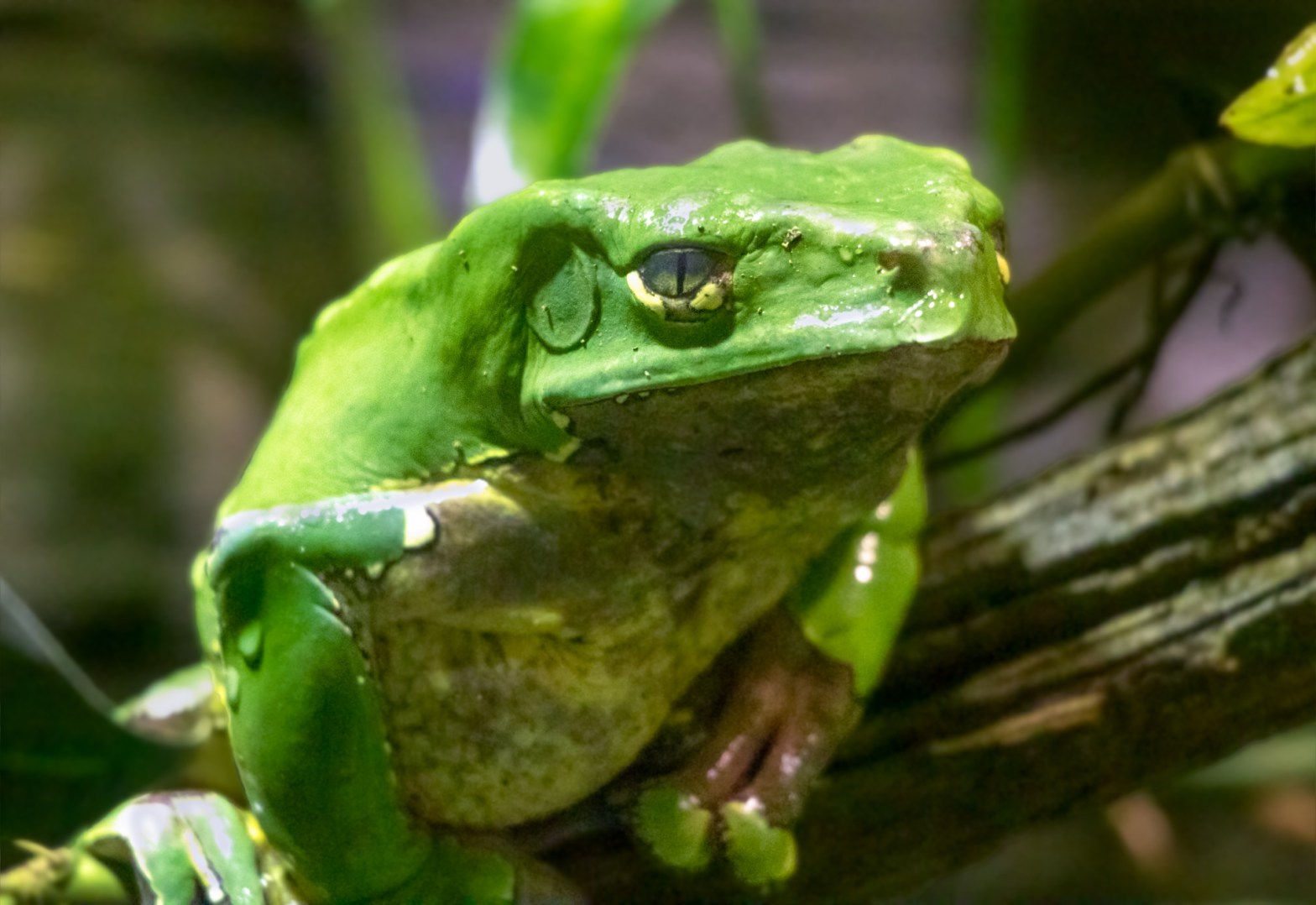
The waxy-monkey tree frog is unlike most frogs. It is able to tolerate higher temperatures and direct sunlight due to their special skin glands that produce a waxy substance. The frogs rub the secretions all over themselves as protection from the sun aka sunscreen. The waxy substance also traps in moisture so the frogs don’tContinueContinue reading “Frogs that make their own sunscreen”
RAWR
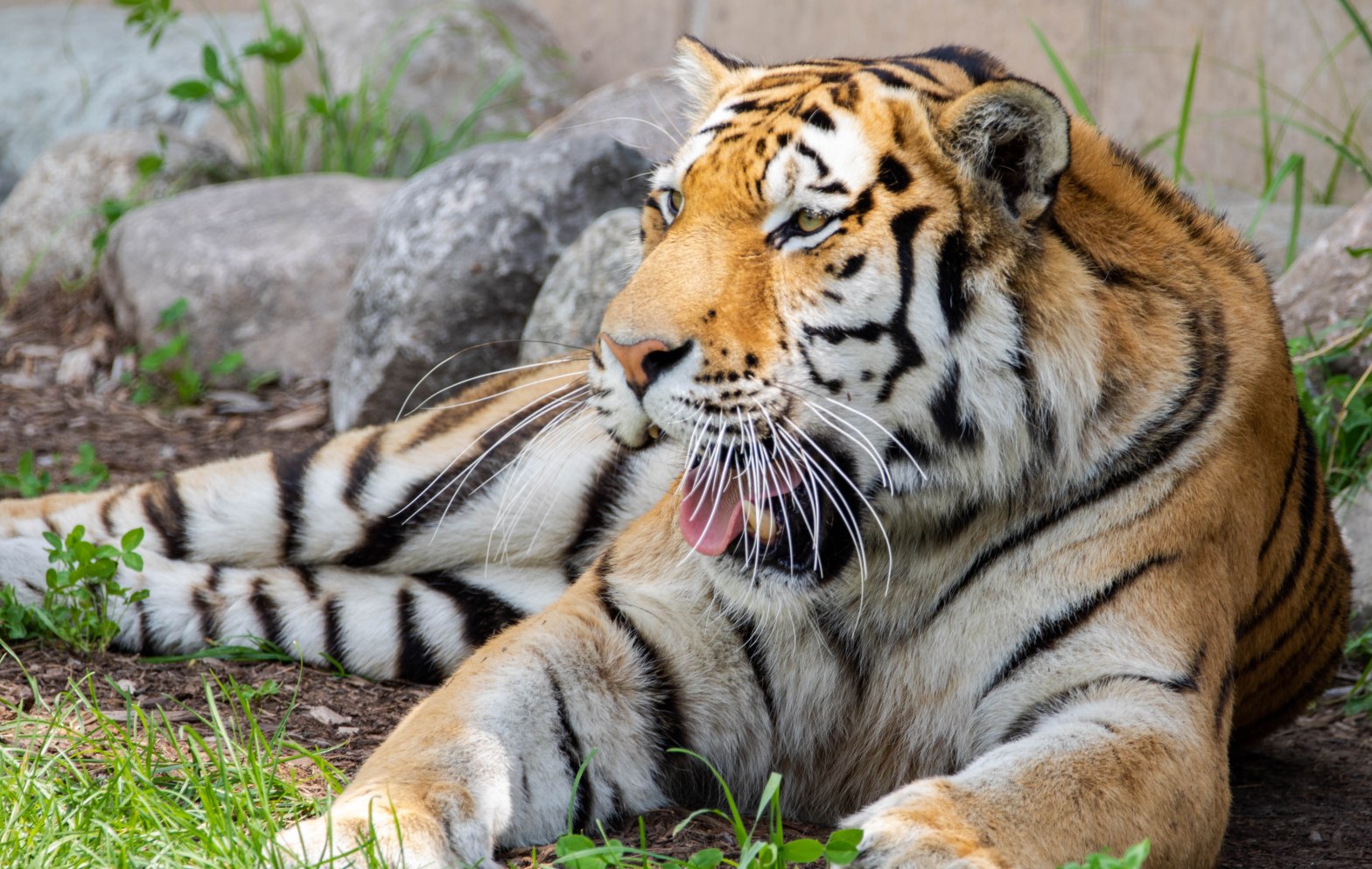
ENDANGERED. The Siberian tiger (also known as the Amur tiger) is the largest cat in the world! Males can be up to 11ft long and weigh 660lbs. Deforestation is the biggest reason for the population decline. These tigers are also poached for their fur and body parts (used in traditional medicine). They live mostly inContinueContinue reading “RAWR”
Monkeys with caps
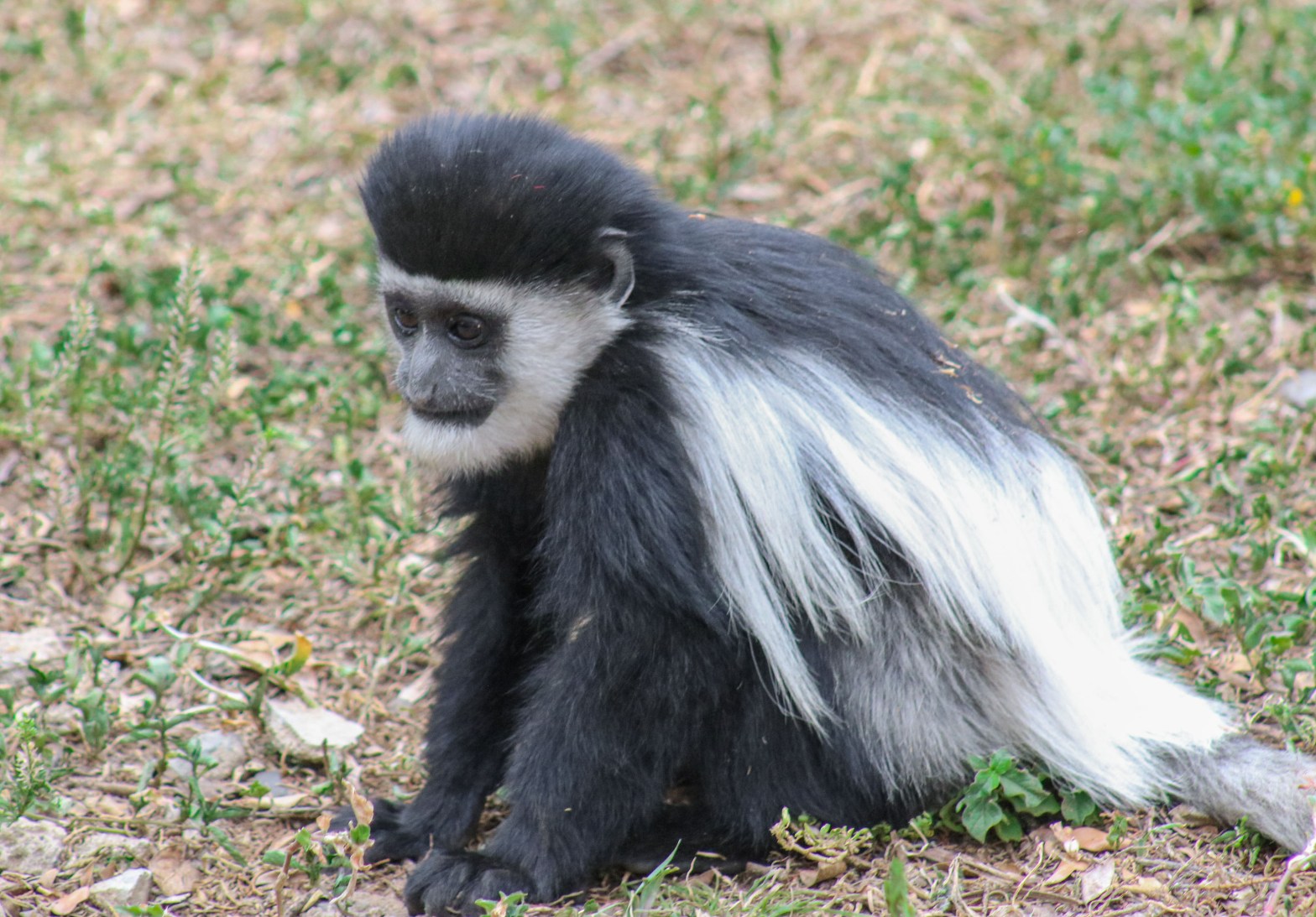
The Eastern Black Colobus Monkey. They can leap up to 25ft from tree to tree, using their long fur as a sort of parachute. The name “colobus” comes from the Greek word for mutilated, because their thumbs are just nubs. They are hunted for their fur which is used to make hats and capes. TheyContinueContinue reading “Monkeys with caps”
The Great Egret
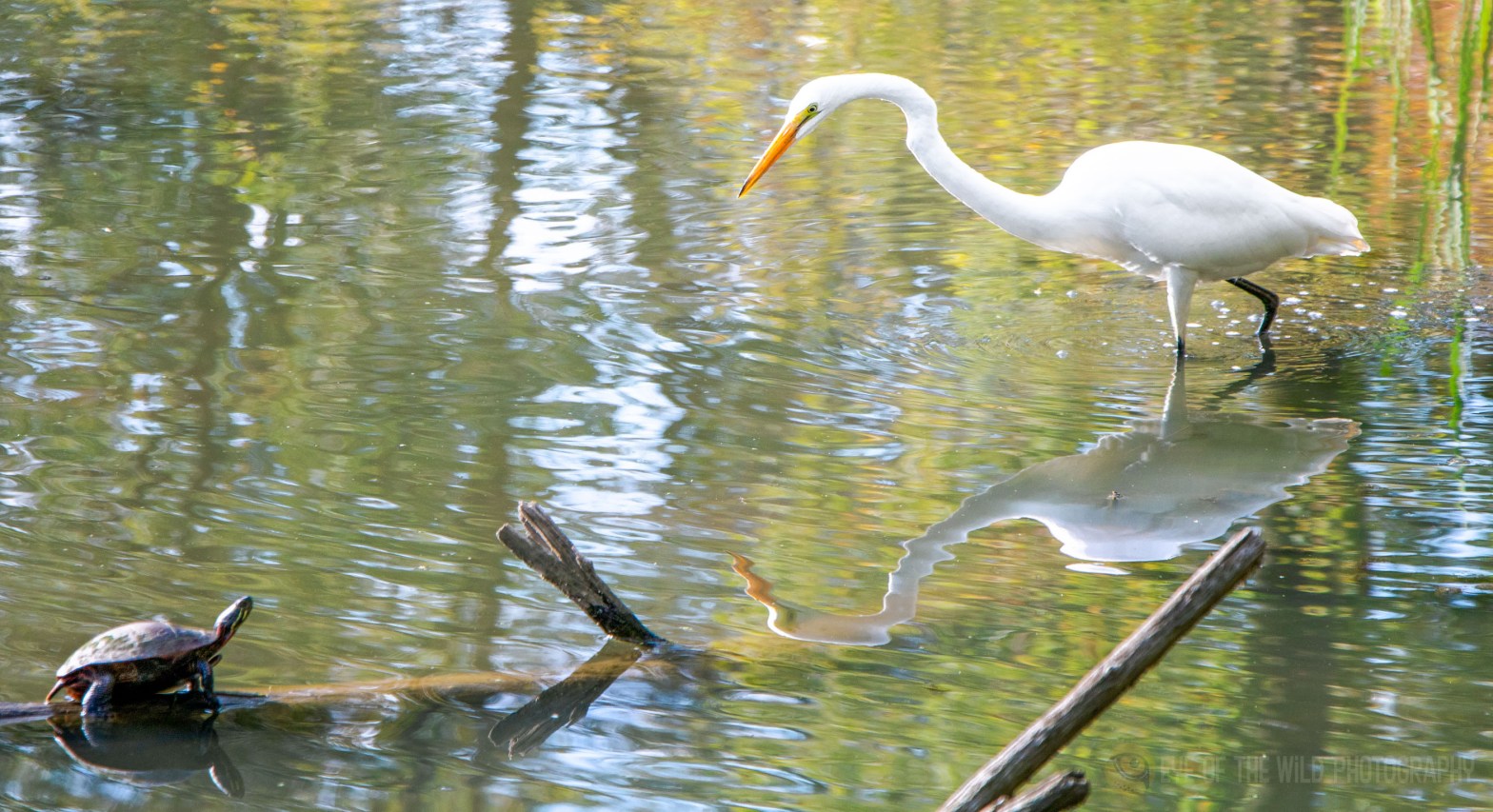
Egrets are members of the heron family. They stand motionless in the water waiting for their prey to come near, then they strike quickly and swallow their prey whole. Today egrets are known as one of the great conservation success stories. During the late 1800s, their population was nearly wiped out due to plume huntingContinueContinue reading “The Great Egret”
Do you know this animal??
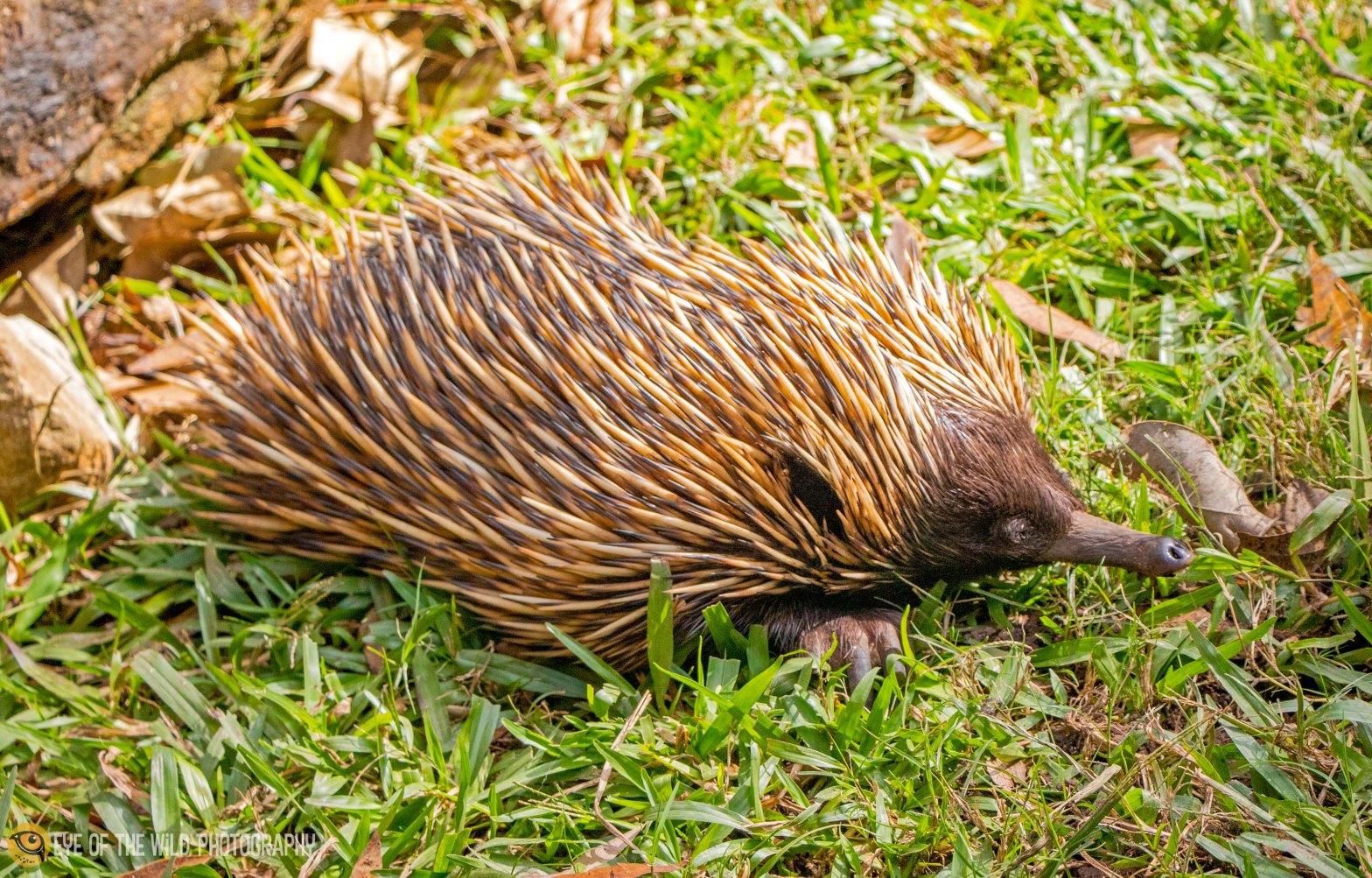
A Short-beaked echidna. Echidnas are truly UNIQUE creatures; they have spines, pouches, beaks, electroreceptors, no teeth, a long sticky tongue, and are monotremes; egg-laying mammals. The platypus is the only other egg-laying mammal. Fun facts: Echidnas can swim.Echidnas have the slowest metabolism of any mammal and can live up to 45 years in the wild.ContinueContinue reading “Do you know this animal??”
Elk
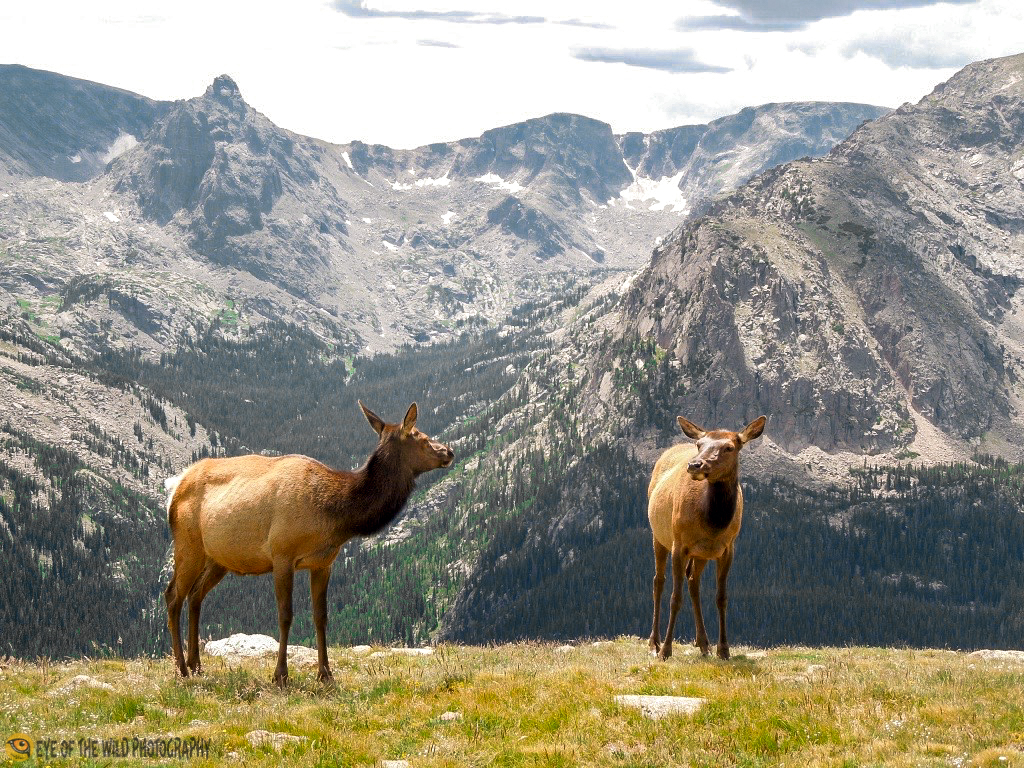
Elk in Estes Park, Colorado. Elk also know by their Shawnee name Wapiti, meaning “white rump” are one of the largest members of the deer family. Although they weigh in at around 700 lbs, Elk are surprisingly fast. They can run up to 45 mph and have a vertical jump of 8 ft.
The Massive Martial Eagle
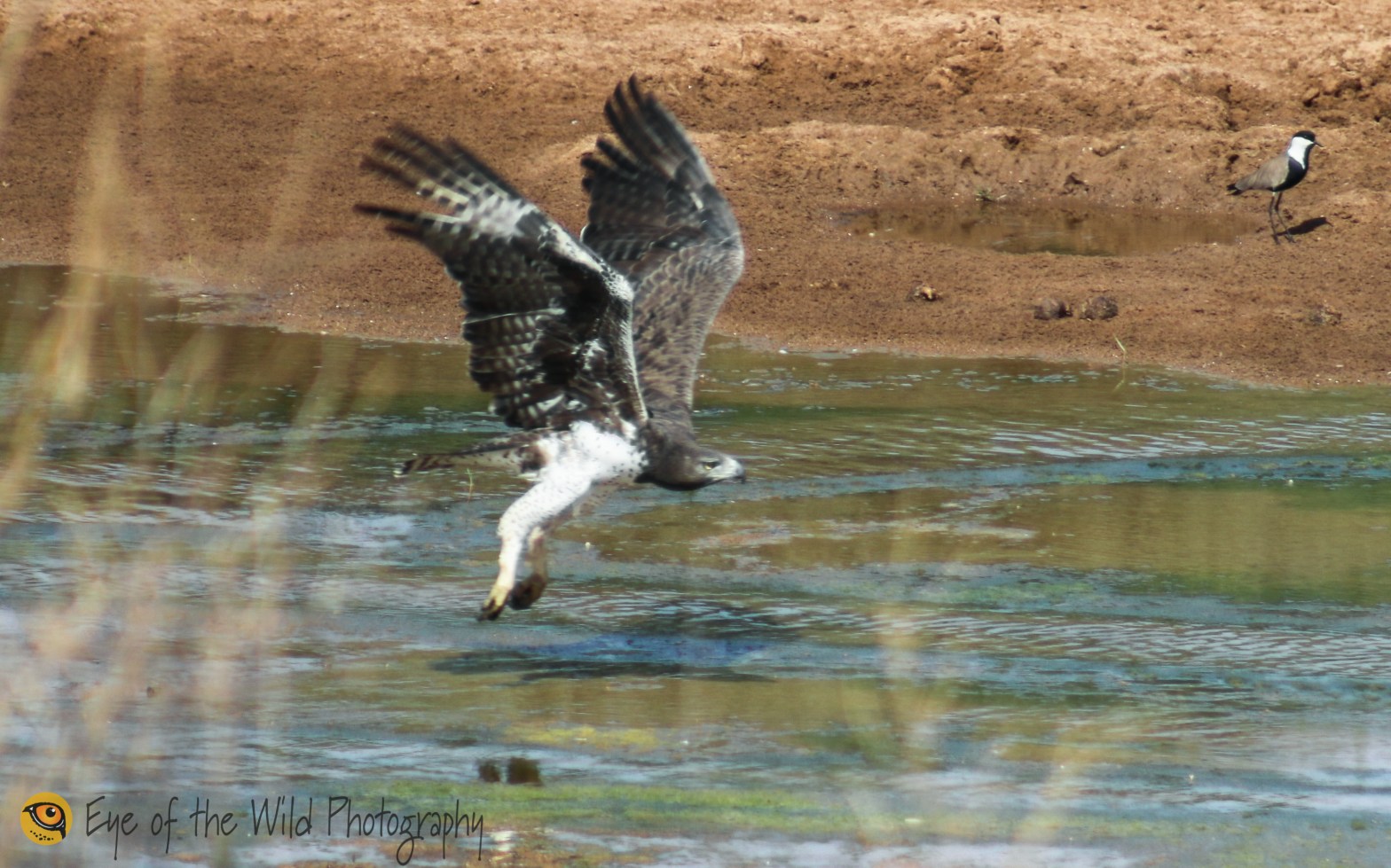
The martial eagle is the largest and most powerful eagle in Africa. It has a wingspan of 6 ft 4 in (2.6 meters). It is listed as vulnerable on the IUCN Red List. They are shot on sight and poisoned by farmers because they are seen as a threat to livestock. Although the eagles doContinueContinue reading “The Massive Martial Eagle”
 Eye of the Wild Photography