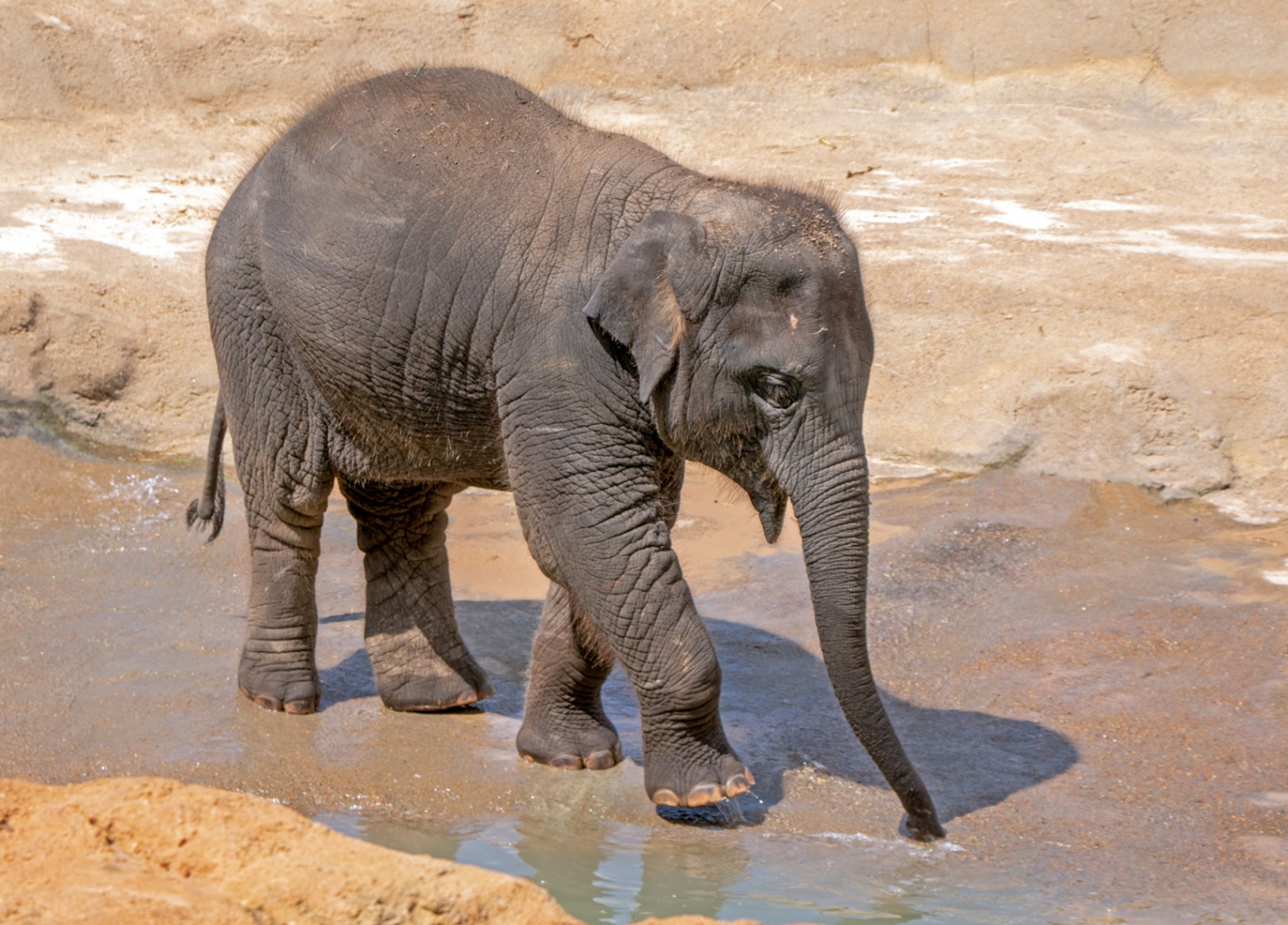
Endangered Asian Elephants
Tag Archives: wildlife education
Happy Turkey Day!
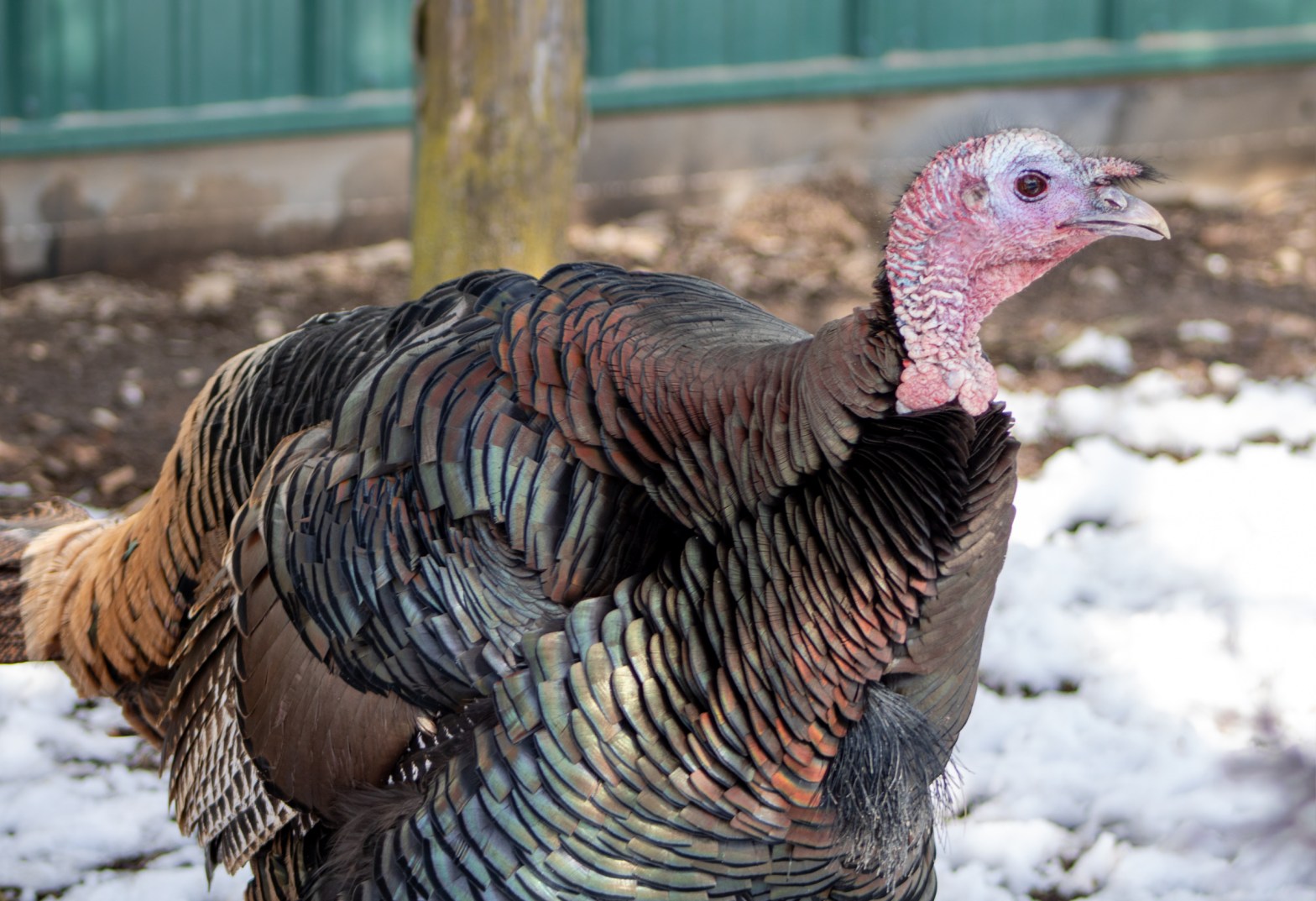
Wild Turkeys are native to North America. They have distinguishing characteristics such as large fanned tail feathers, a snood (flap of skin that hangs over their beaks) and a wattle (the flap of skin below their chins.) Wild turkeys eat seeds, insects, and occasionally a frog or lizard. Wild turkeys can fly for short distances. ContinueContinue reading “Happy Turkey Day!”
The masters of defense
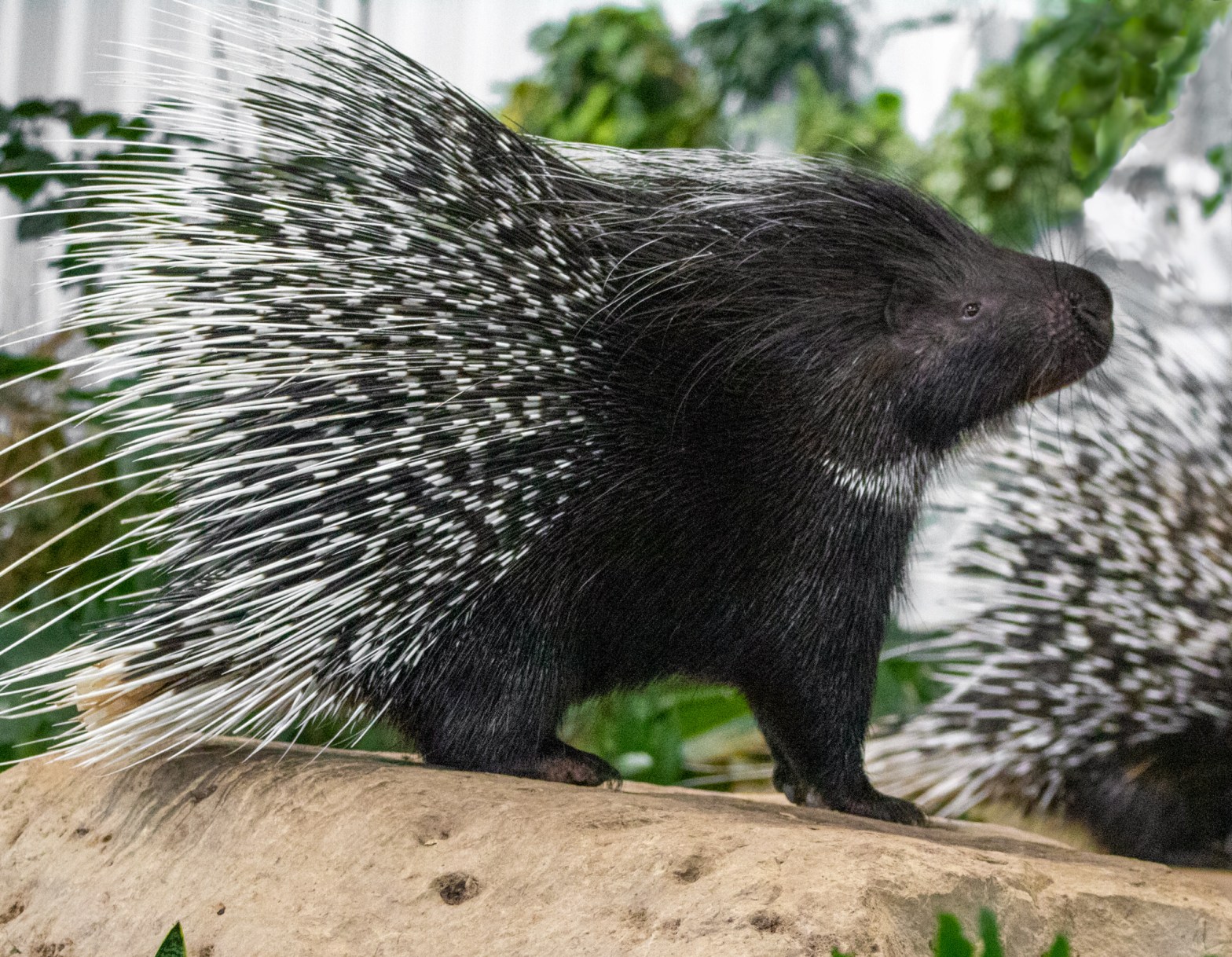
The African crested porcupine. Porcupine means “quill-pigs” in Latin. But don’t be confused porcupines are rodents, not pigs. The African crested porcupine has highly effective defense mechanisms. The first strategy is to appear bigger by raising and fanning out it’s 13 in quills. If this doesn’t scare a predator away the next thing they willContinueContinue reading “The masters of defense”
Flying Foxes!!..?
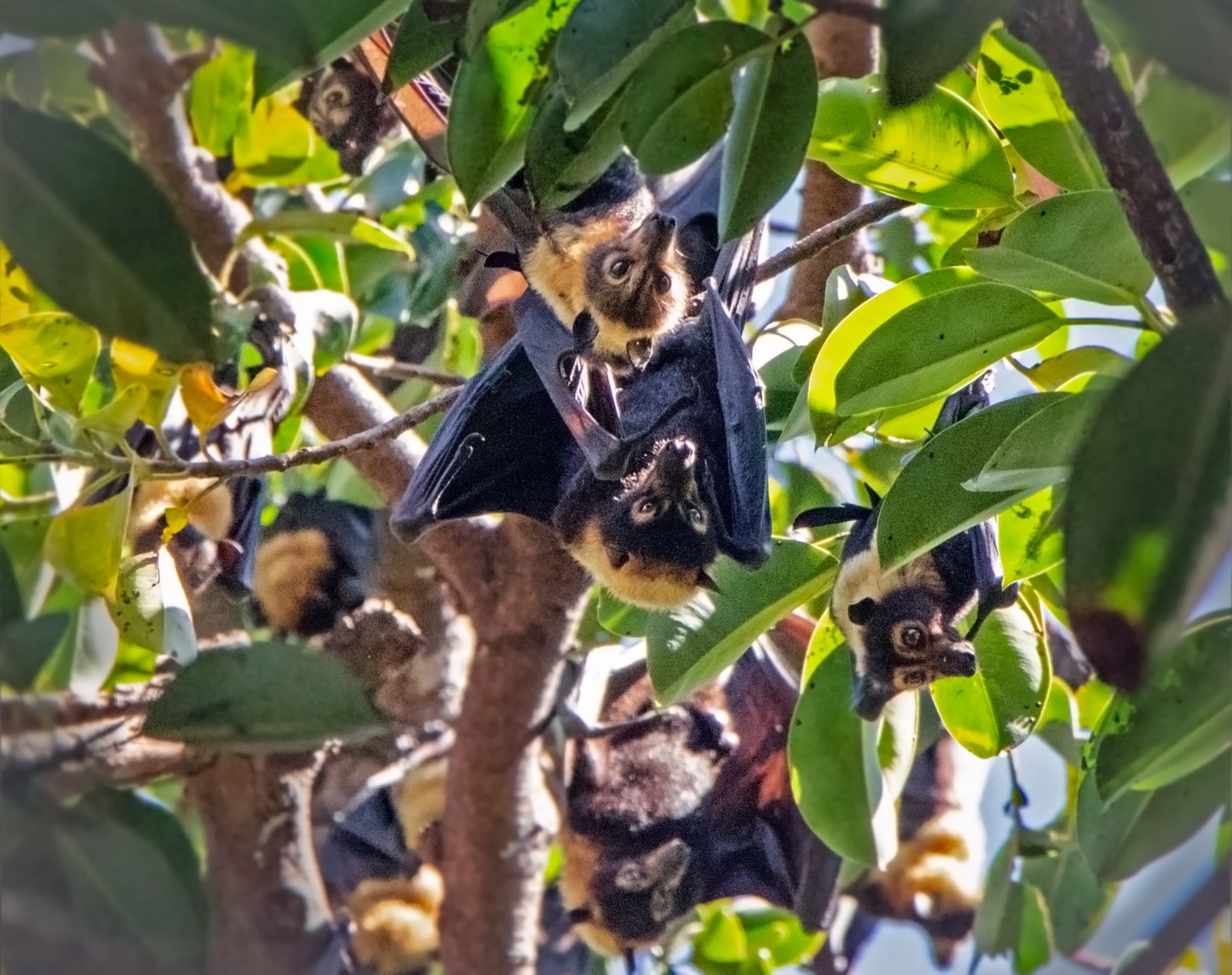
Spectacled flying-foxes are megabats, also known as fruit bats, that live in Australia, Papua New Guinea, and the surrounding islands. They are social animals that live in large groups called camps. These bats are very vocal, often chattering all day. The camp I observed in Australia sounded like a school lunchroom. In February 2019 theContinueContinue reading “Flying Foxes!!..?”
Tiny Turtles
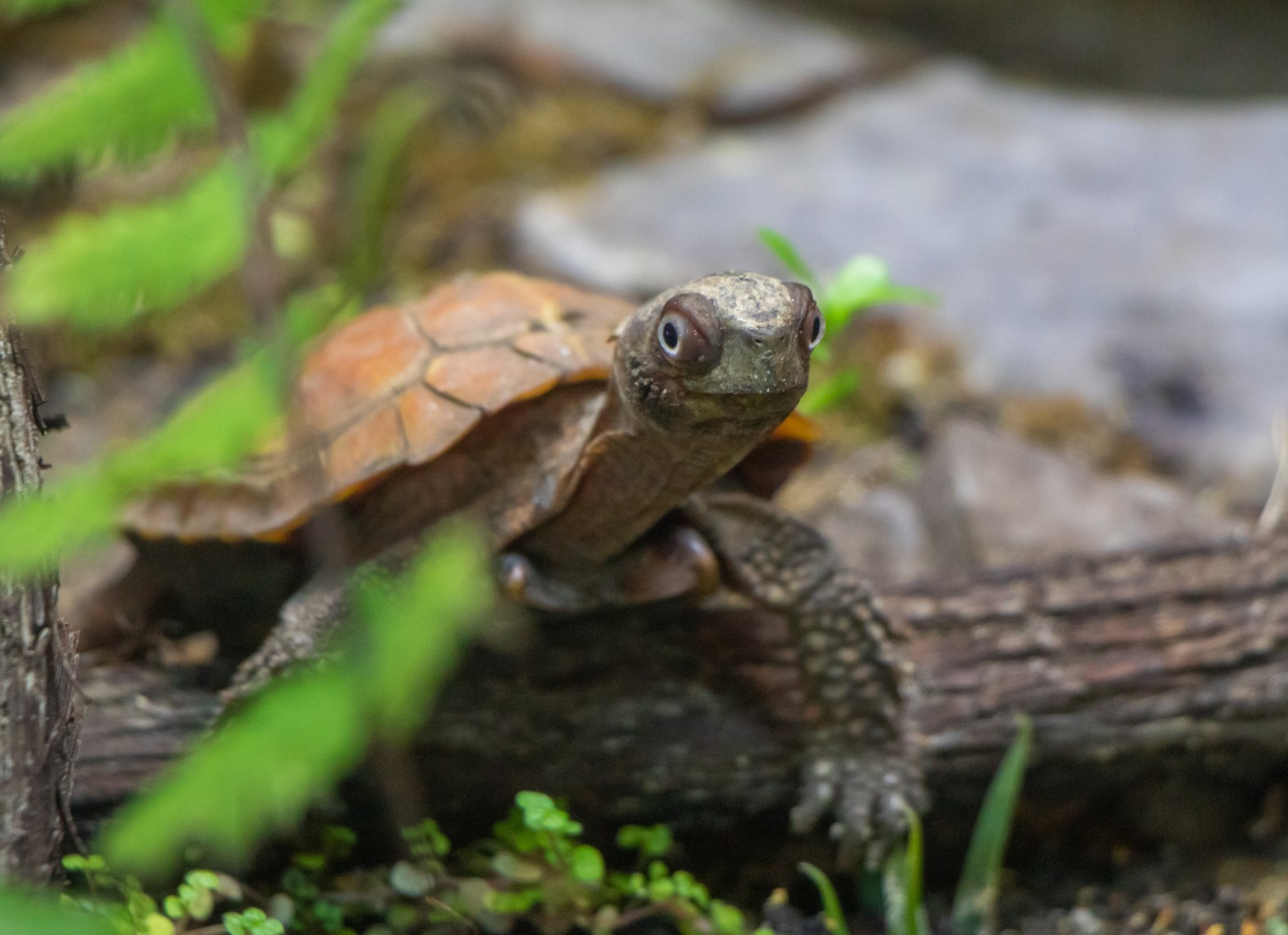
ENDANGERED! The black-breasted leaf turtle is one of the smallest turtles in the world. Adults are a maximum of 5 inches. They can move their brilliant eyes independently, like a chameleon. This is especially useful when they are looking for prey. Leaf turtles are omnivores that eat earthworms, insects, and small fruit. Unlike most turtles,ContinueContinue reading “Tiny Turtles”
A Duck known around the World
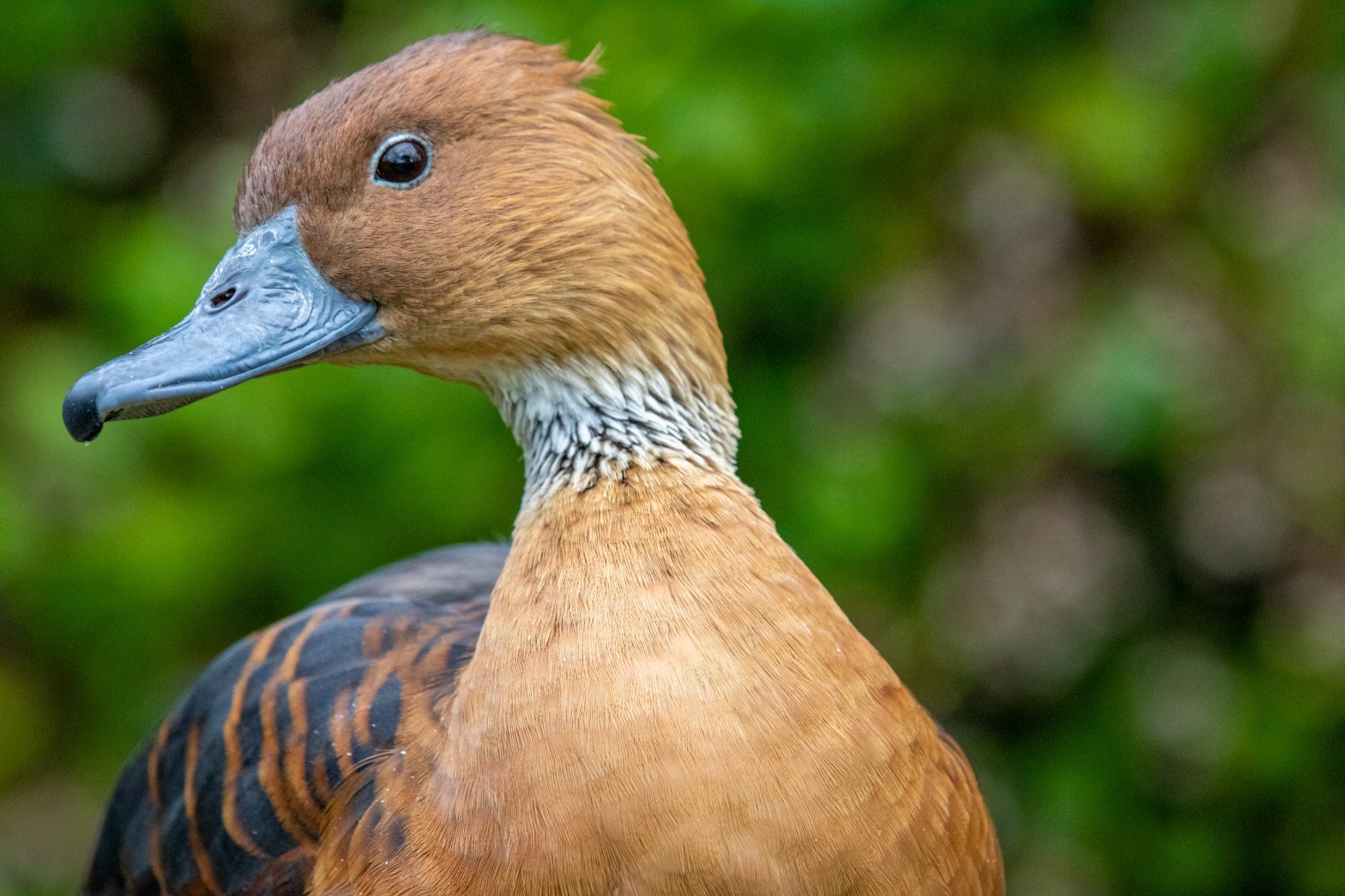
Fulvous whistling ducks are one of the most widespread ducks in the world. They live on four continents, South and North America, Africa, and Asia. These ducks live in freshwater marshes with tall grasses and vegetation. They forage, often at night, eating mainly seeds from aquatic plants. As you might have guessed by the name theseContinueContinue reading “A Duck known around the World”
Flying Monkeys
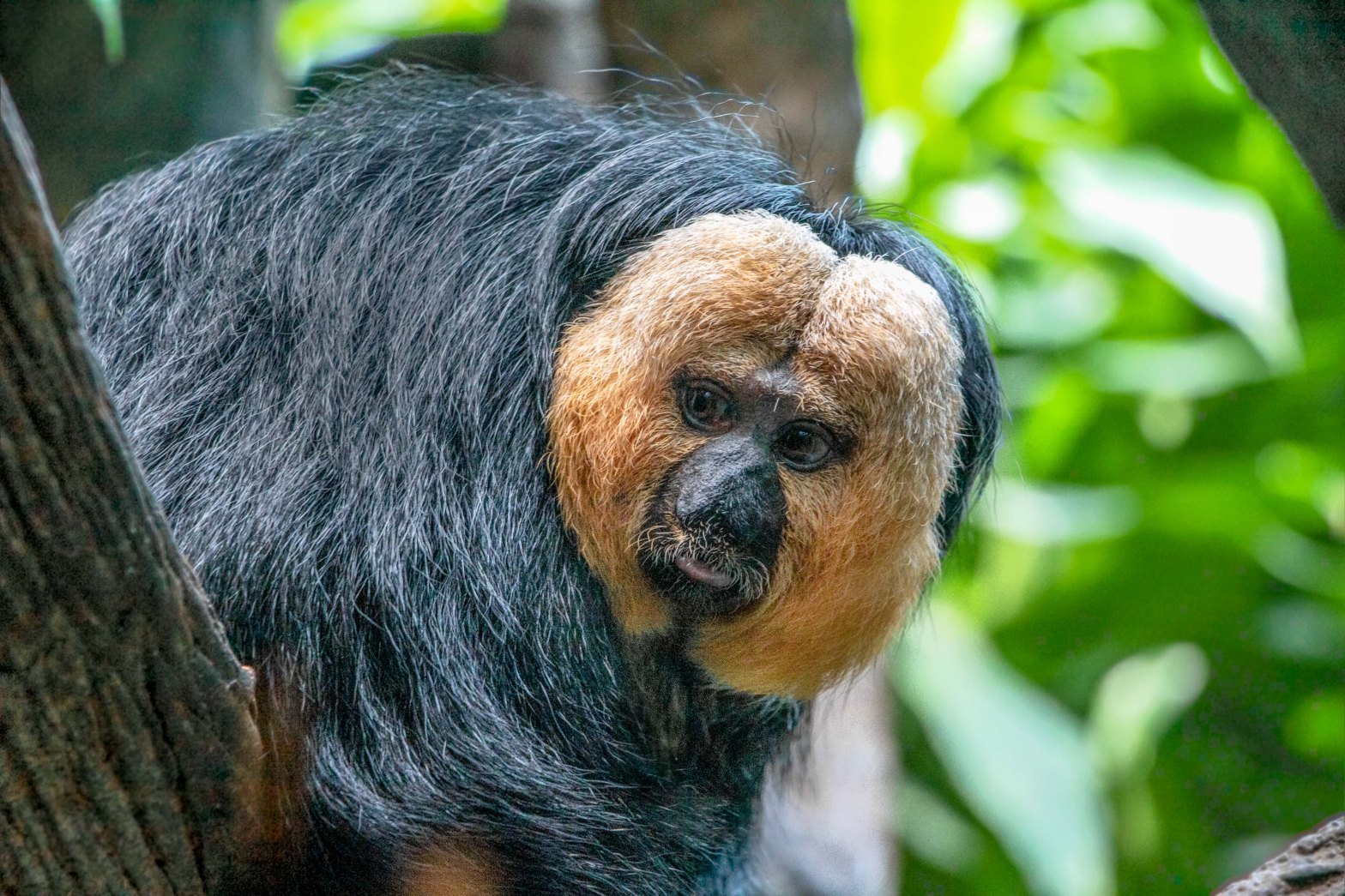
White-faced sakis are nicknamed “flying monkeys” because of their impressive leaps between trees. They can leap up to 33 ft in a single bound. Only the males have a white face, the females have a black/gray face. These monkeys live in the northern part of South America. Their diet consists of fruit, seeds, leaves, andContinueContinue reading “Flying Monkeys”
On one island
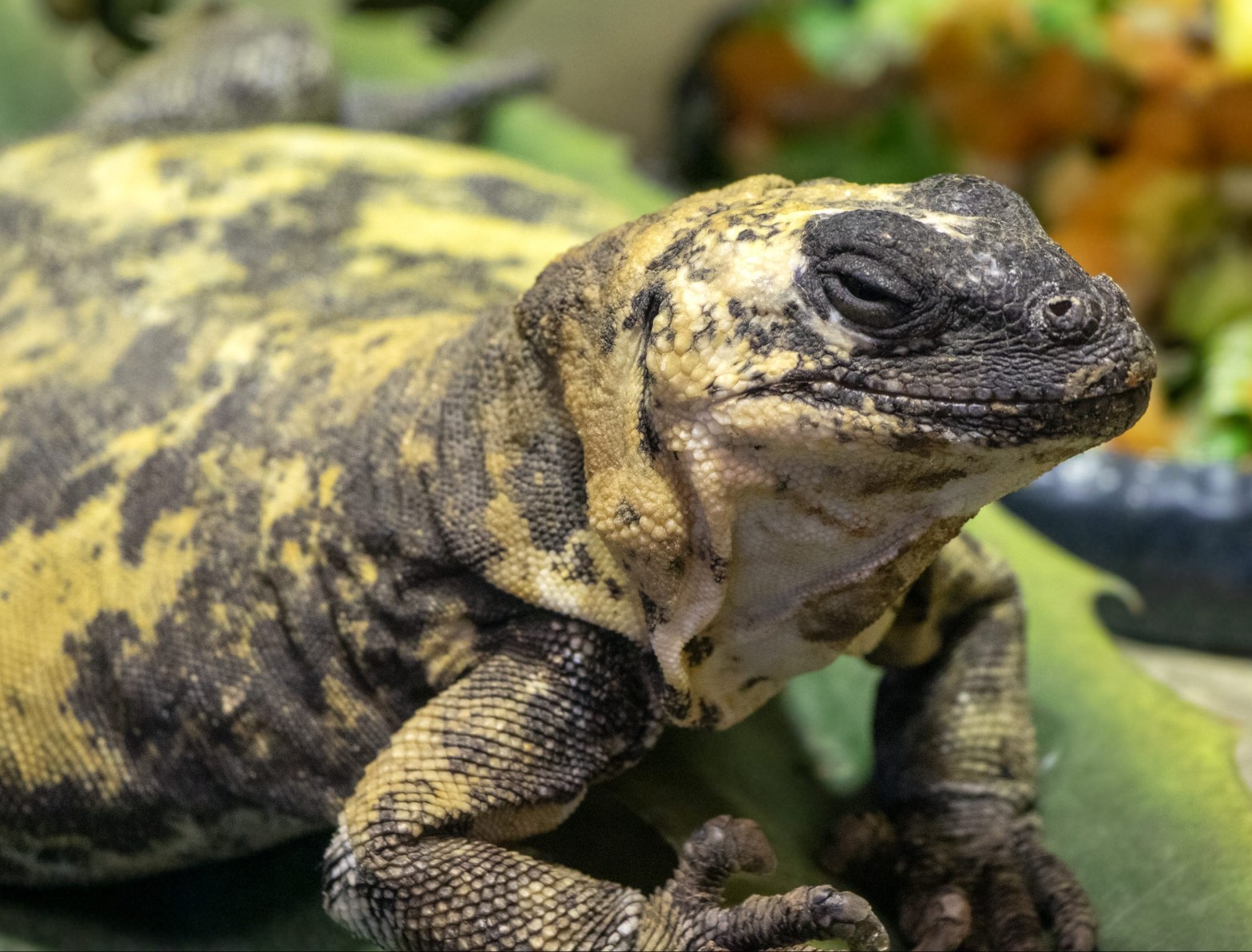
The San Esteban Chuckwalla is an endangered species. These lizards live only on the small Mexican island of San Esteban in the Gulf of California. Chuckwallas are mainly herbivores that occasionally eat insects. They don’t drink water, instead, they get water from the plants they eat. Instead of urinating chuckwallas have a unique way ofContinueContinue reading “On one island”
What animal has no heart, no brain, no blood?
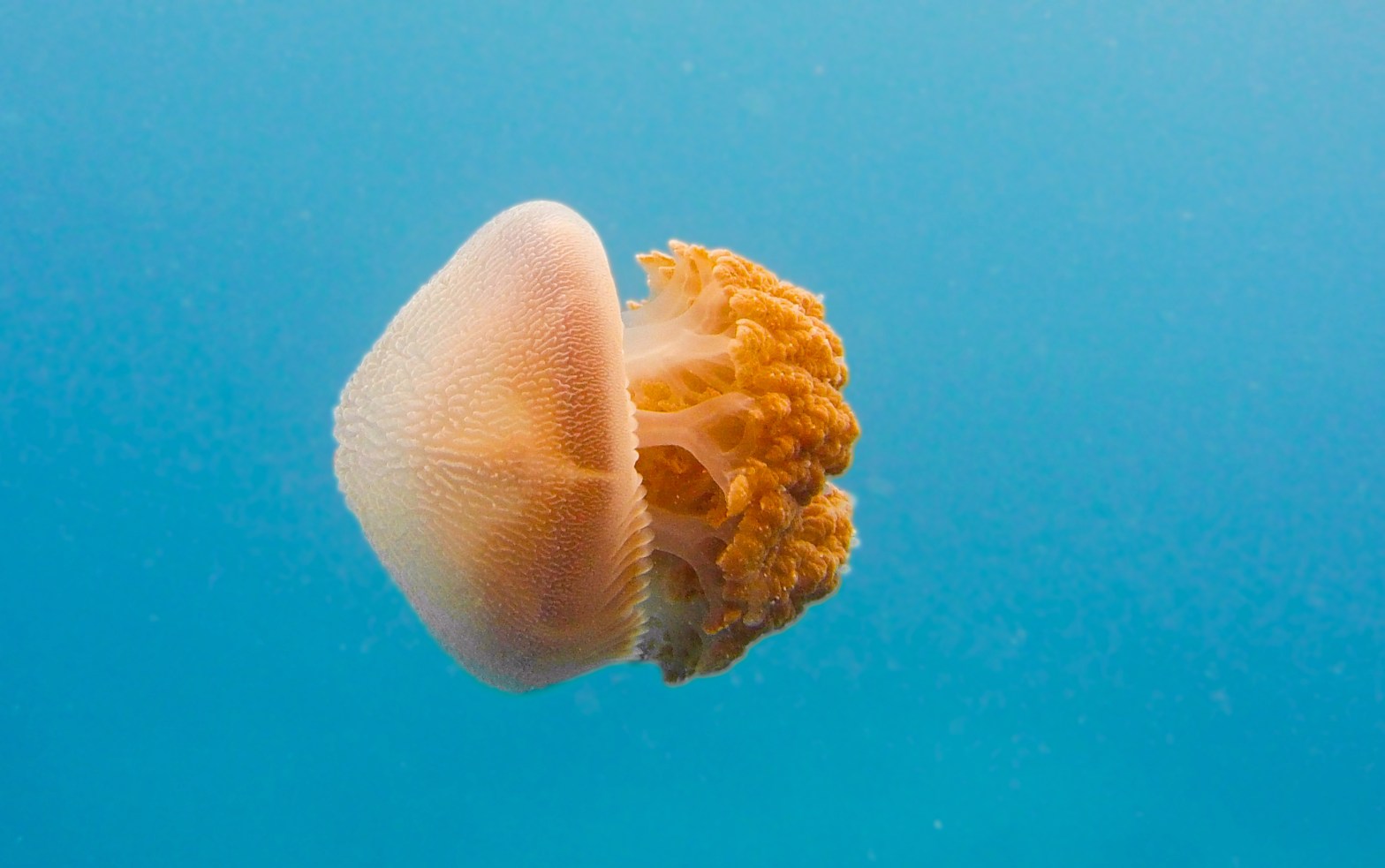
Jellyfish! These unique creatures are mesmerizing. I have always been fascinated by the way they glide through the water. This is a blubber jelly that I saw while diving on The Great Barrier Reef in Australia. https://videopress.com/v/CobOHSOo?preloadContent=metadata The blubber jelly doesn’t have a mouth instead it has tiny openings of each of its eight tentacles.ContinueContinue reading “What animal has no heart, no brain, no blood?”
One tough Cookie
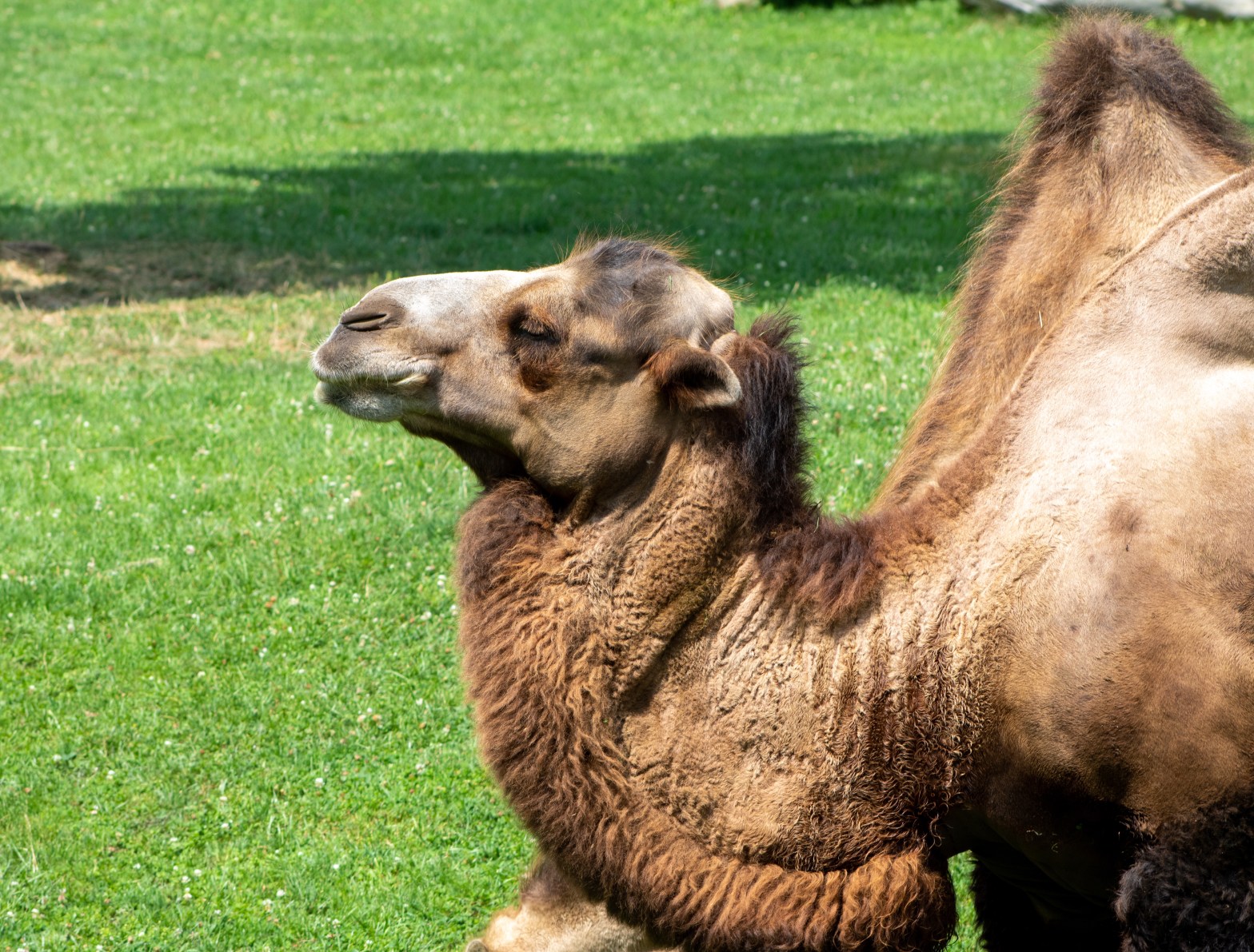
Bactrian camels are built to survive in one of the most hostile regions on earth, The Gobi Dessert. They are one of the few mammals that can eat snow as a way to quench their thirst. They are the only land mammals capable of drinking brackish/salty water with no negative effects. It is a commonContinueContinue reading “One tough Cookie”
 Eye of the Wild Photography