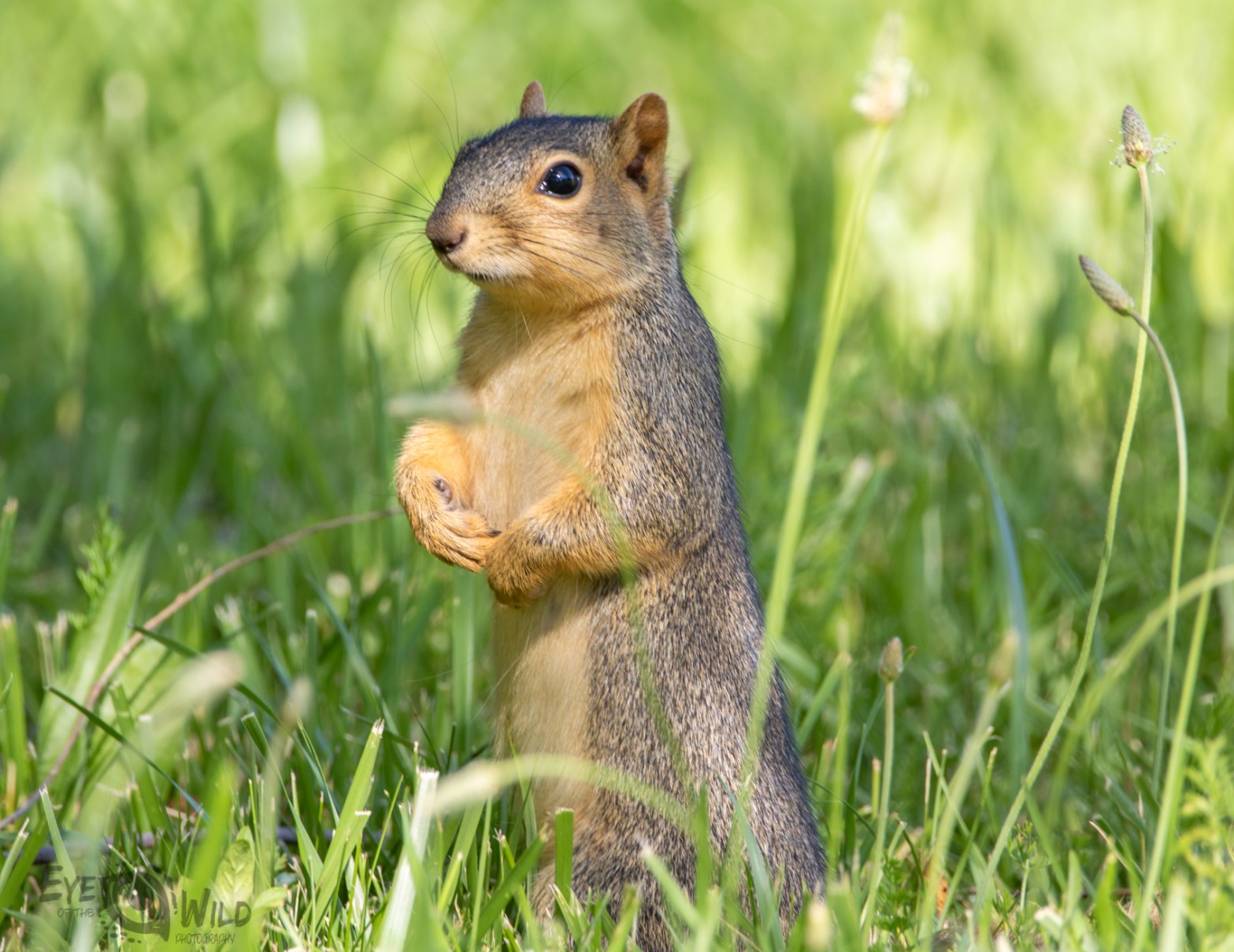
Pink Bones!! That’s right, fox squirrels’ bones glow pink under ultraviolet light. This occurs because of a build up of a chemical compound called porphyrin. Eastern fox squirrels are the largest species of tree squirrels native to North America. They are common across the eastern United States, but are also found in southern parts ofContinueContinue reading “Squirrels………..are pink?”
Tag Archives: Wildlife Conservation
A Reptile Like No Other
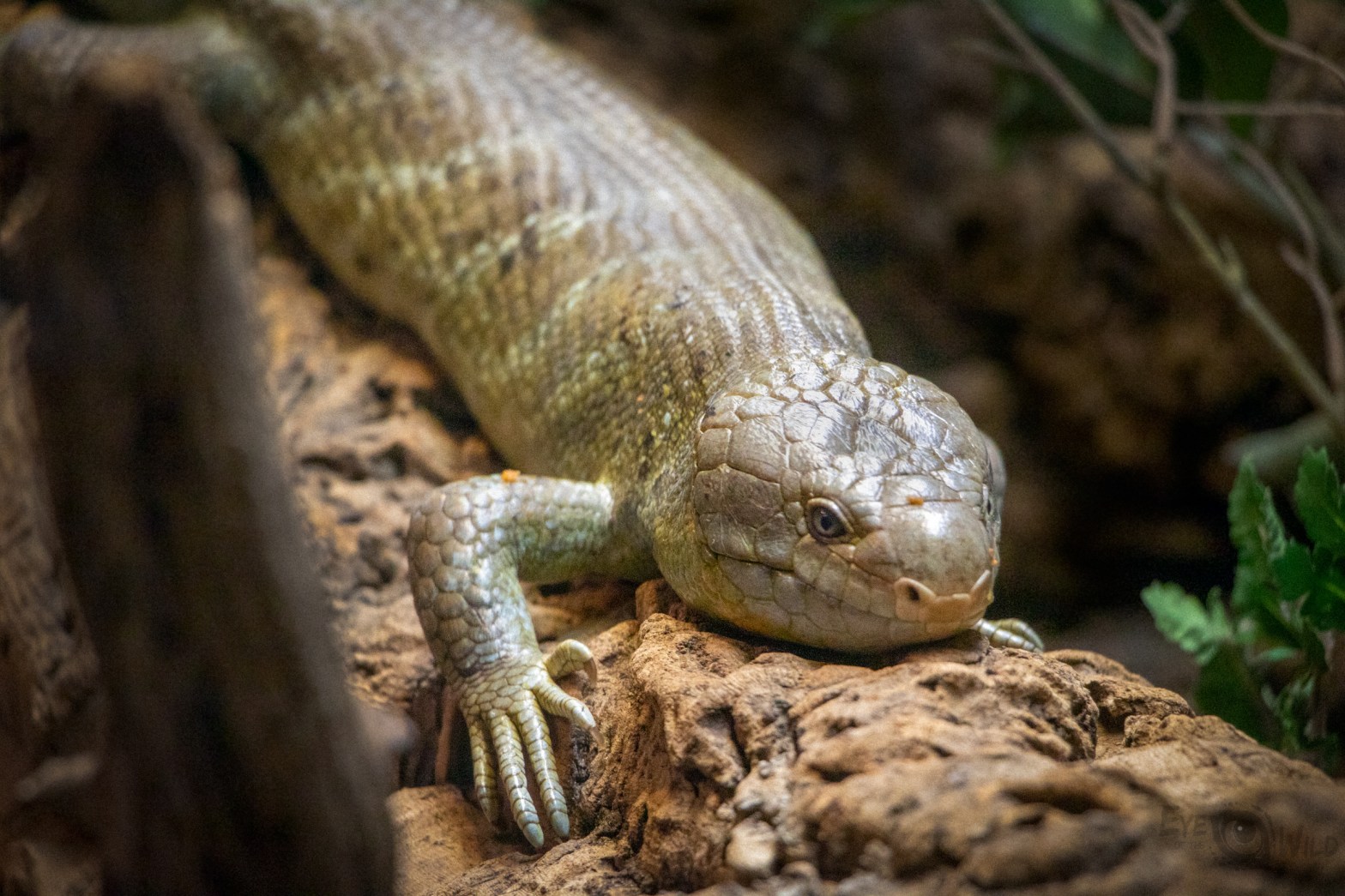
Prehensile-tailed skinks are very unique reptiles. They are the longest species of skinks reaching up to 32 inches in length. As their name suggests they have a prehensile tail, meaning they can grip objects with their tail. This is useful for these skinks since they are arboreal (live in the trees). They are native toContinueContinue reading “A Reptile Like No Other”
Peafowl
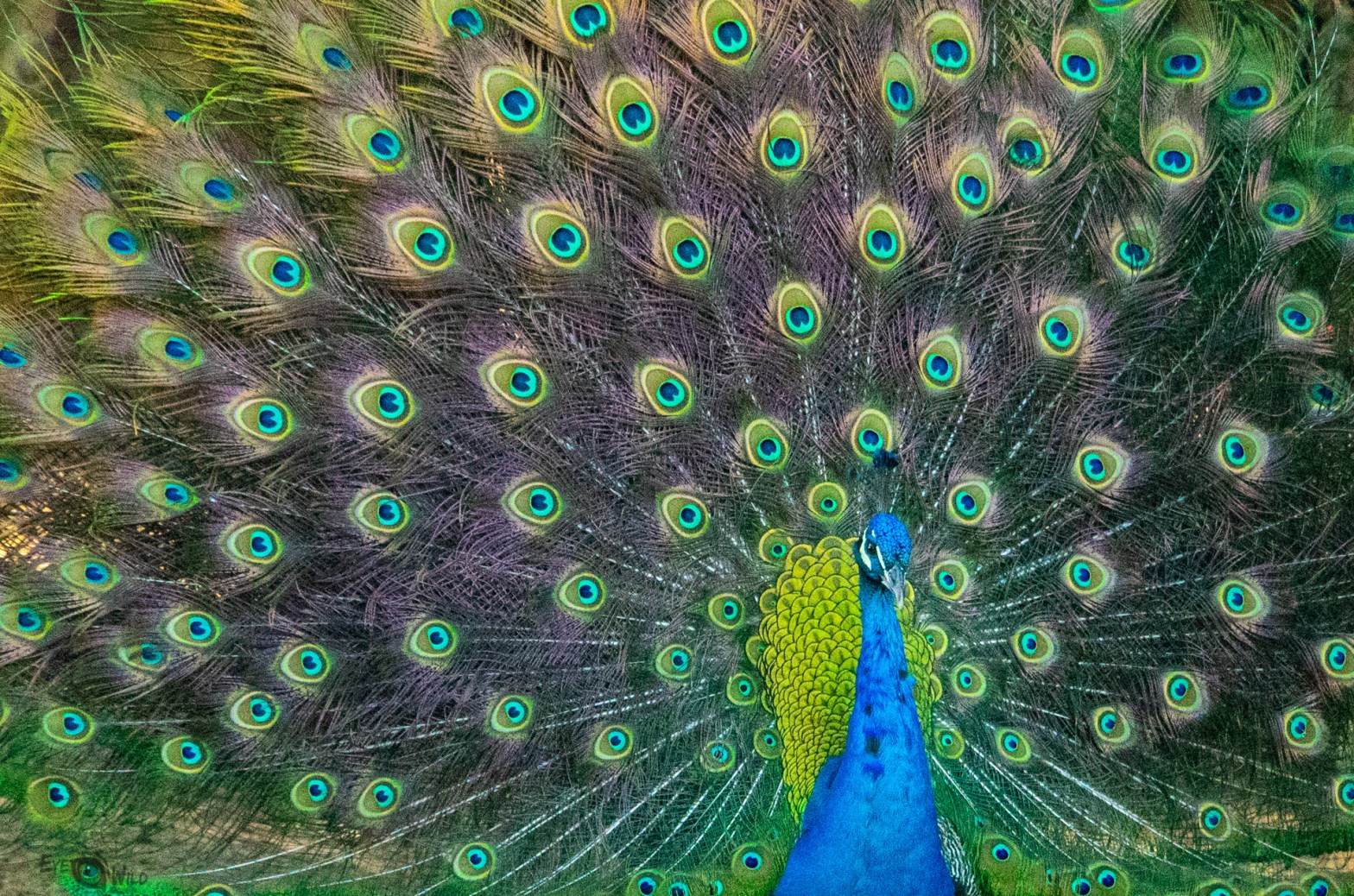
Even though most people refer to both sexes as peacocks, only the males are called peacocks. The females are called peahens. And peafowl is the term for both. Peacocks use their bright iridescent trains to attract peahens. Another technique males use is quivering their feathers to produce infrasonic sounds (low frequency). Baby peafowl are calledContinueContinue reading “Peafowl”
Oryx in the US…?
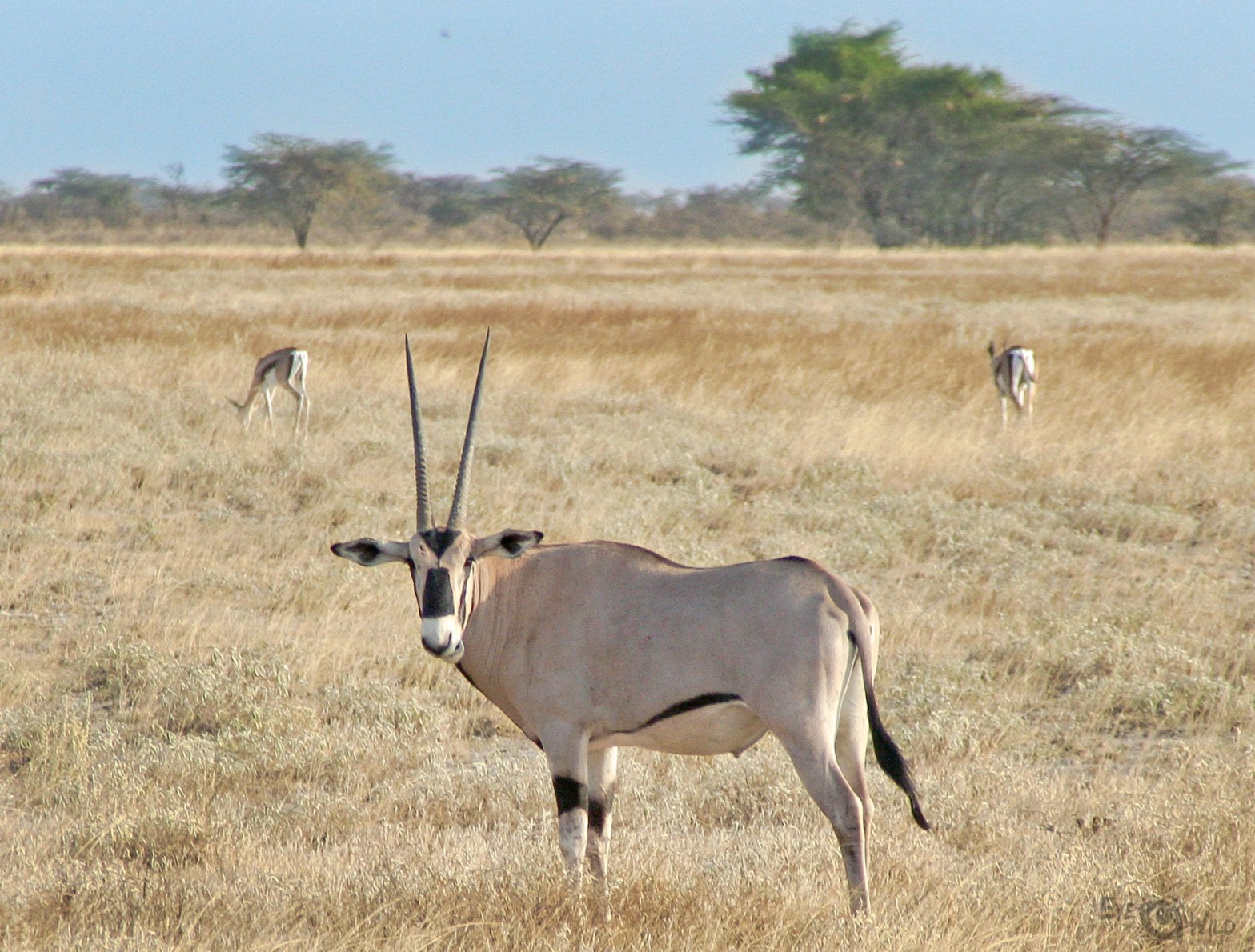
Yes. There are wild oryxes (gemsbok) in the U.S.A. No, they are not a native species. They are native to Africa. In the 1970s the New Mexico Department of Game and Fish wanted to increase “large game” opportunities for hunters. So they intentionally released 95 oryxes into New Mexico’s White Sands Missile Range. An AbundanceContinueContinue reading “Oryx in the US…?”
A Whistling Duck
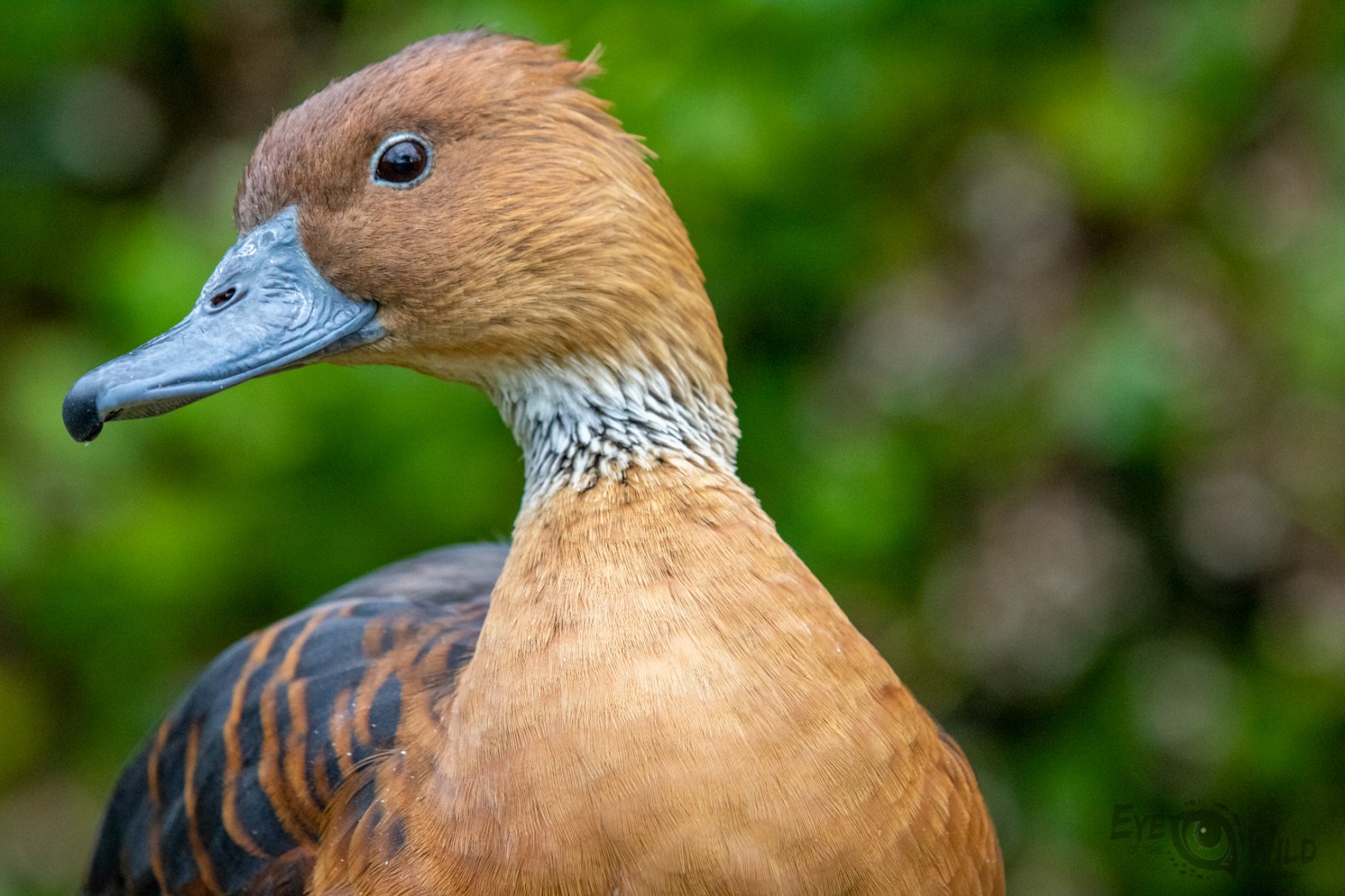
Fulvous whistling ducks live across 4 continents, including North and South America, Africa, and Asia. They are often found in marshes and rice fields. They forage by straining the mud for seeds and plant material. Unlike most ducks, fulvous whistling ducks mate for life. Both the male and female take turns incubating the eggs andContinueContinue reading “A Whistling Duck”
A Mob of Meerkats
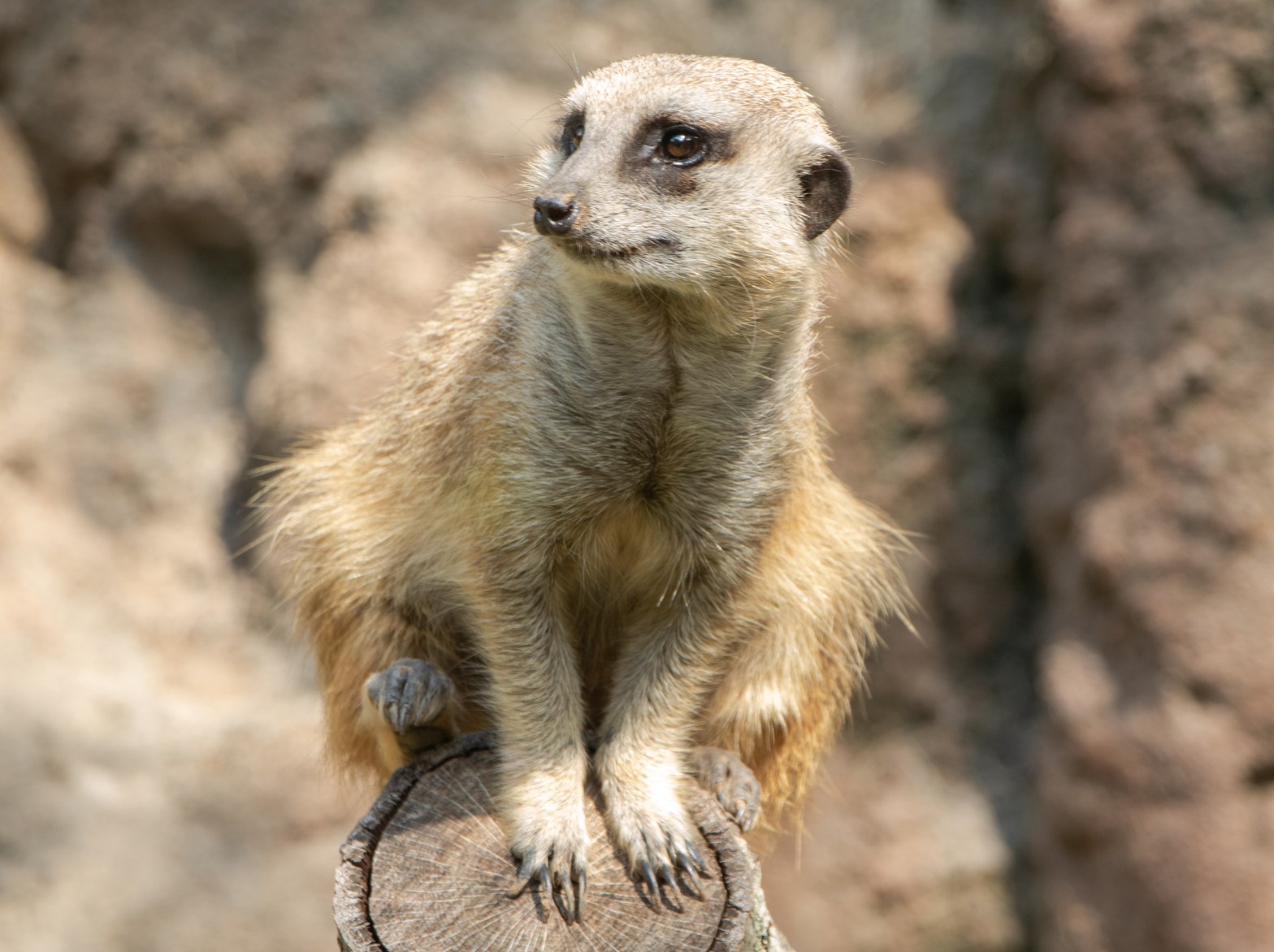
Meerkats are members of the mongoose family. They live in the African savannah and yes like Timon they do eat insects, grubs and termites. They also eat scorpions, luckily they are immune to most venoms. Meerkats live in large groups called mobs, clans or gangs. The mob is led by an alpha female, called theContinueContinue reading “A Mob of Meerkats”
Golden-headed lion tamarin
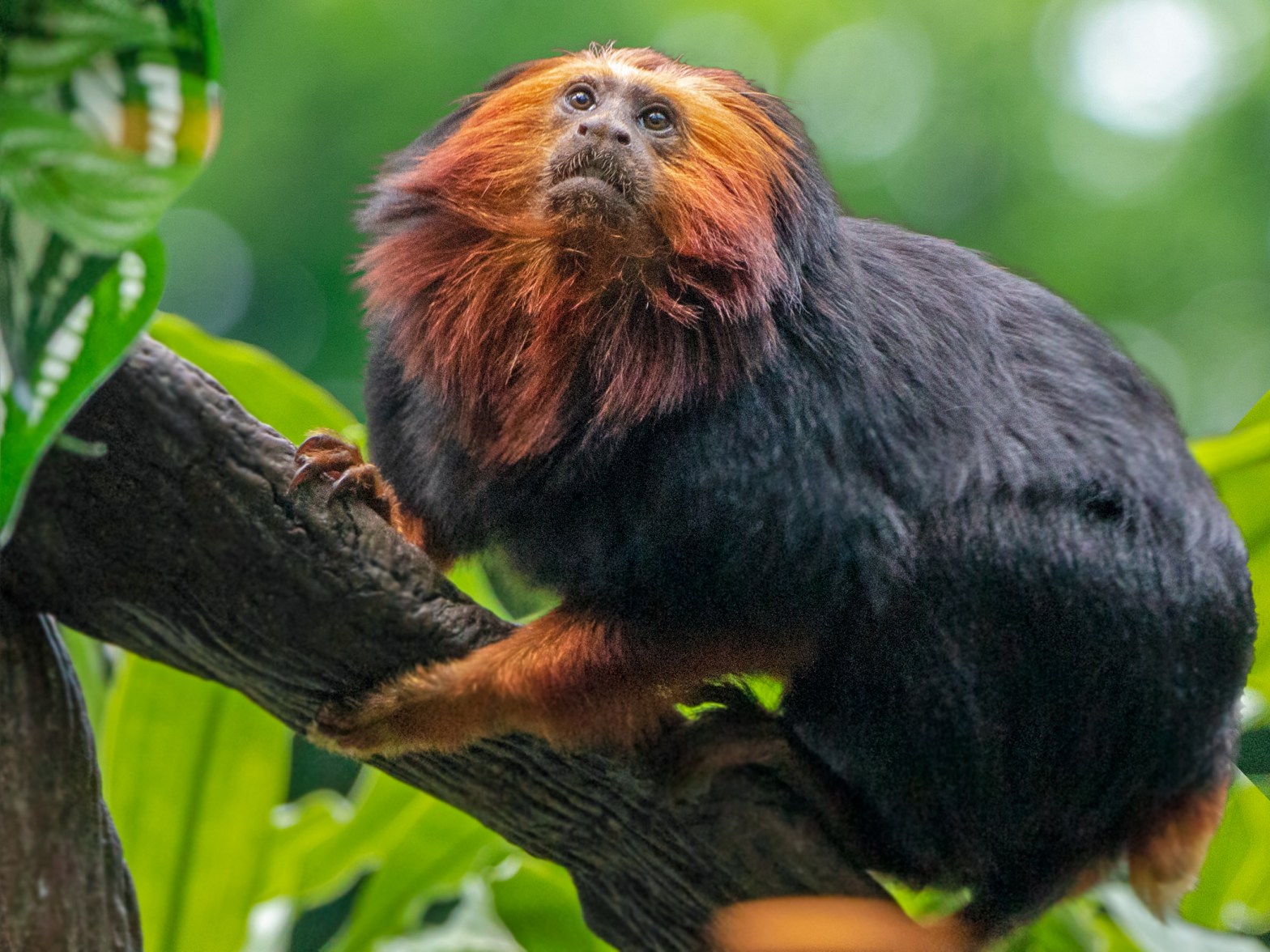
ENDANGERED! The golden-headed lion tamarin, named for their long golden fur that looks like a lion’s mane. Their small claw like nails help them climb through the trees and grab small insects. Due to habitat destruction and fragmentation they only live in a small part of Brazil. It is estimated that a mere 2-5% ofContinueContinue reading “Golden-headed lion tamarin”
The smallest crocodilians
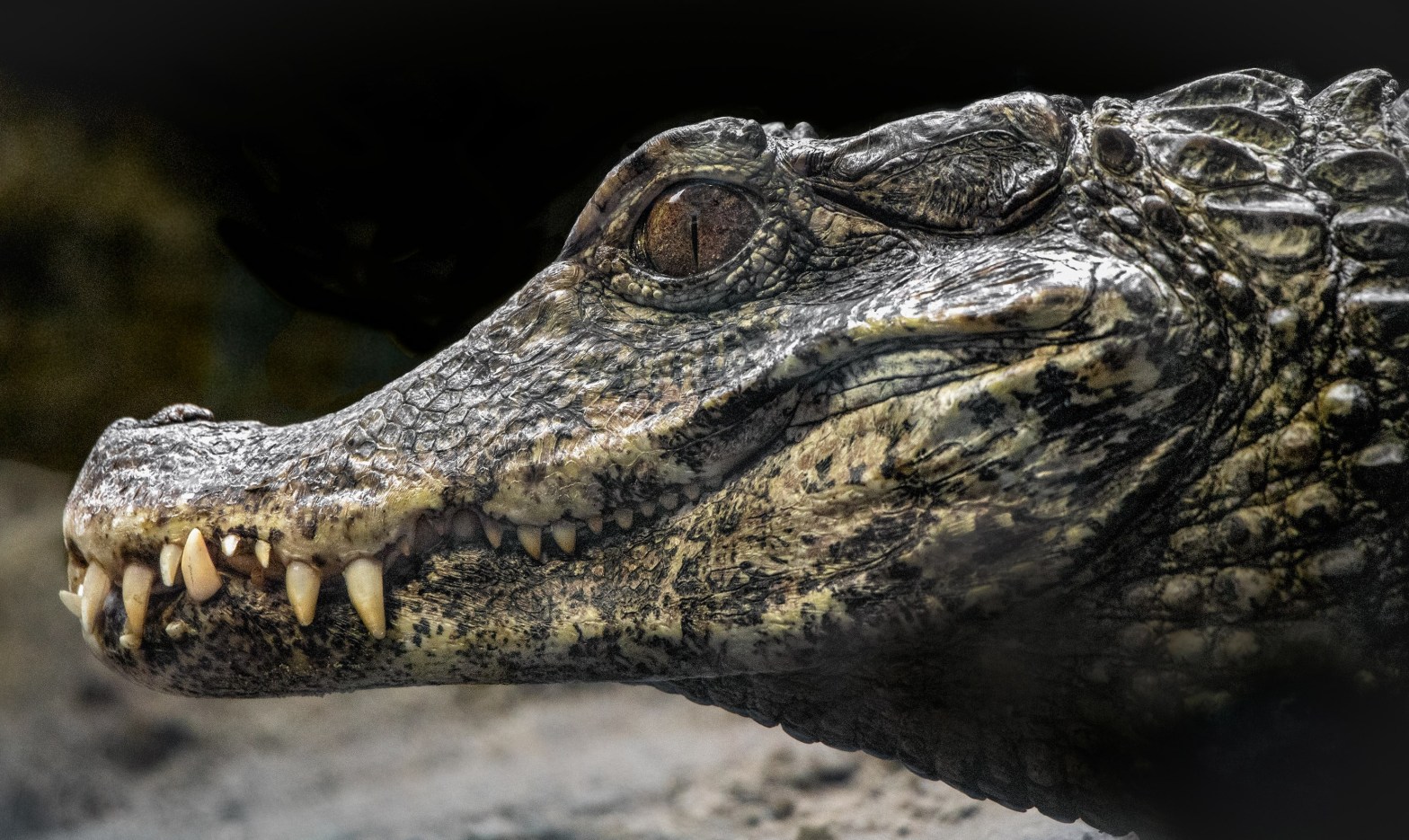
Dwarf caimans are the smallest members of the crocodilian family. Adults are on average 4-6ft long. They are native to South America. Even though they are classified as least concern on the IUCN’s red list, dwarf caimans still face several threats to their survival. Including habitat destruction, pollution, and the illegal pet trade. Dwarf caimans haveContinueContinue reading “The smallest crocodilians”
The worlds largest bird
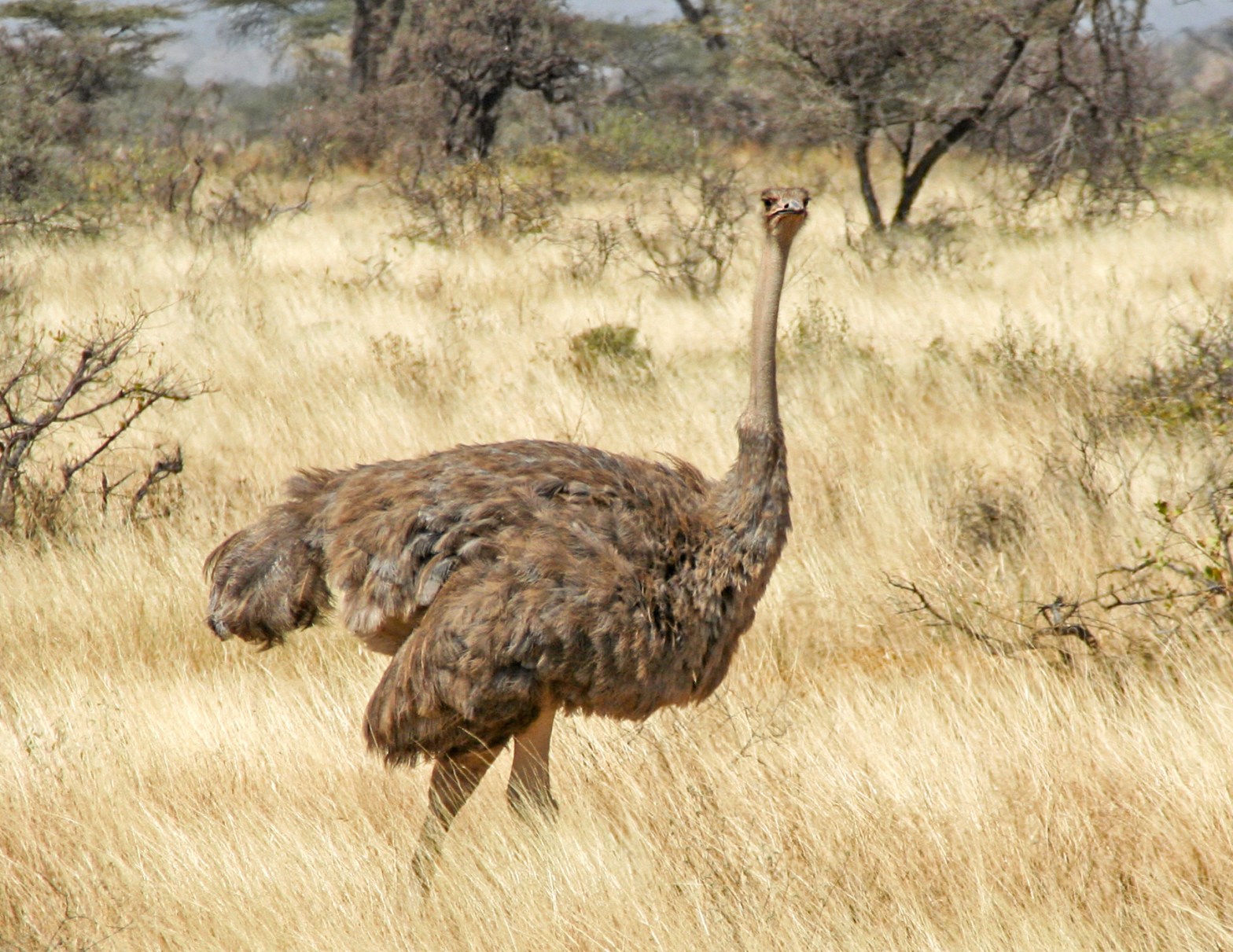
You guessed it…The Ostrich These birds are not just big, they are powerful. The ostriches’ main defense is its legs. They can run up to 43 mph (70 kph). When running isn’t an option, ostriches use their foot equipped with a 4-inch long claw. A single kick from an ostrich can kill a lion. OstrichesContinueContinue reading “The worlds largest bird”
What is the Buzz?
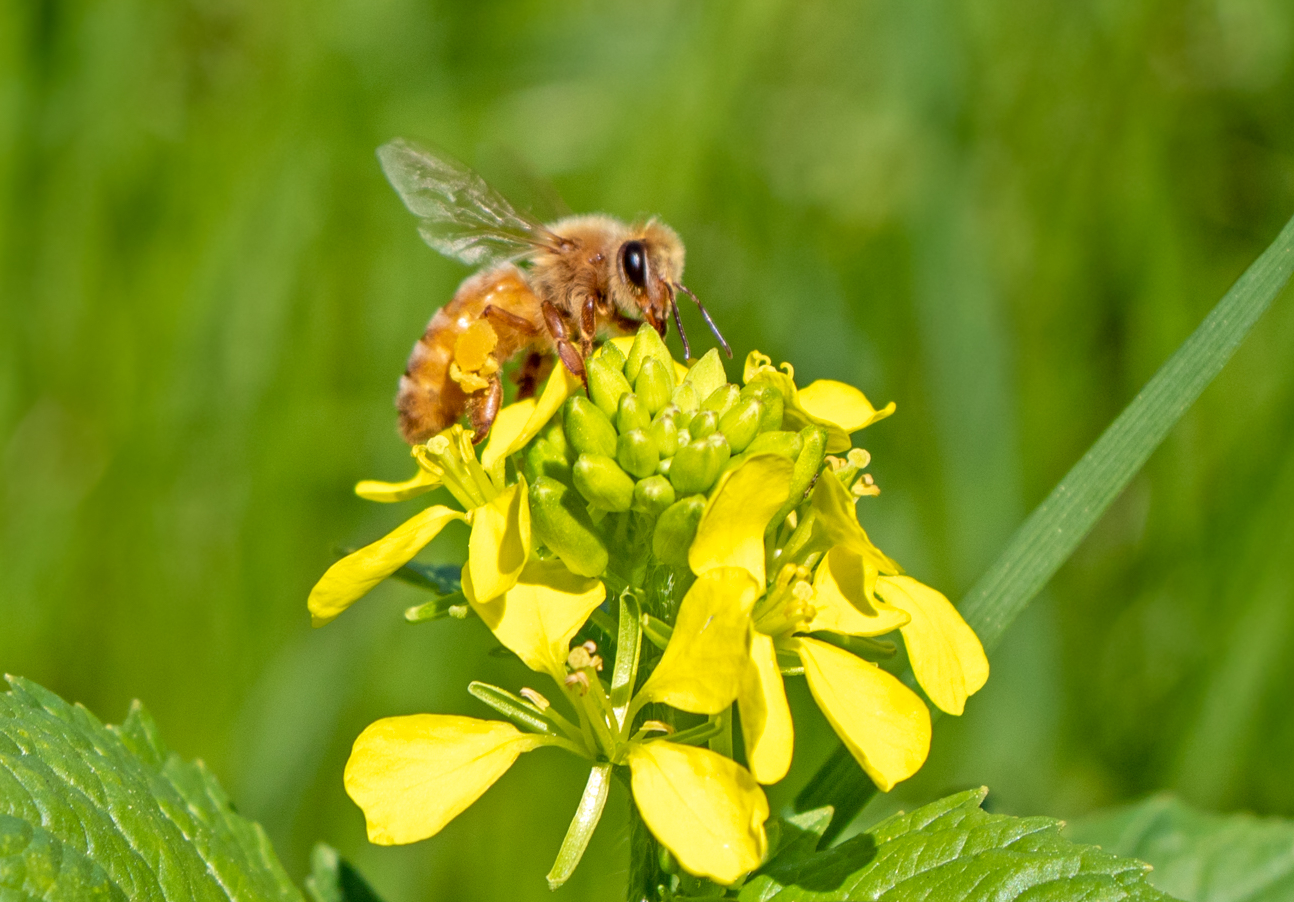
…..Bees… Bees are extremely important pollinators. They are a vital part of our ecosystems, without them the human population would plumate. About ⅓ of the world’s food production depends on bees to pollinate the crops. Although honeybees are not endangered other bees are. On the IUCN Red list 16 bee species are listed as vulnerable,ContinueContinue reading “What is the Buzz?”
 Eye of the Wild Photography