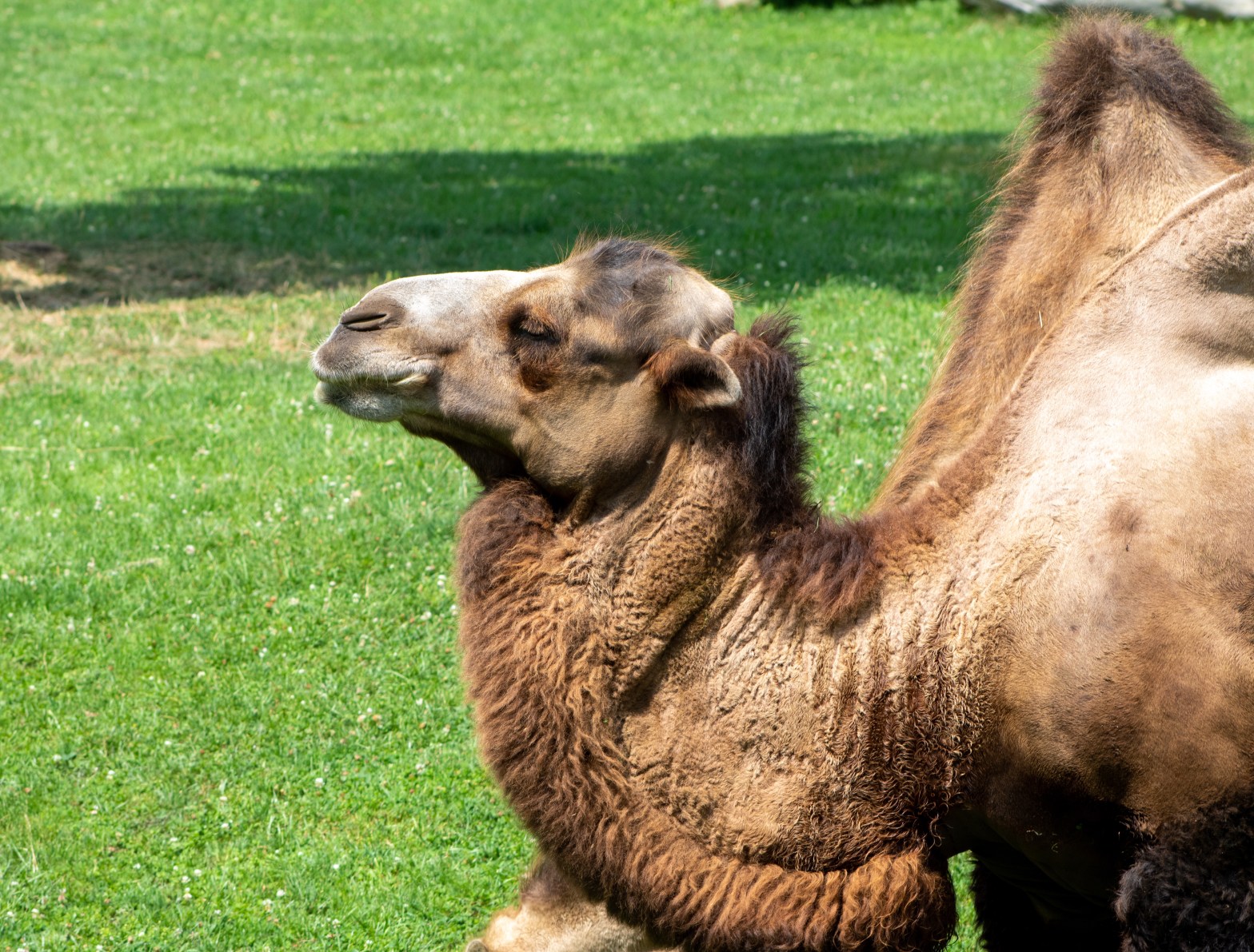
Bactrian camels are built to survive in one of the most hostile regions on earth, The Gobi Dessert. They are one of the few mammals that can eat snow as a way to quench their thirst. They are the only land mammals capable of drinking brackish/salty water with no negative effects. It is a commonContinueContinue reading “One tough Cookie”
Tag Archives: save wildlife
Chinese Dragons
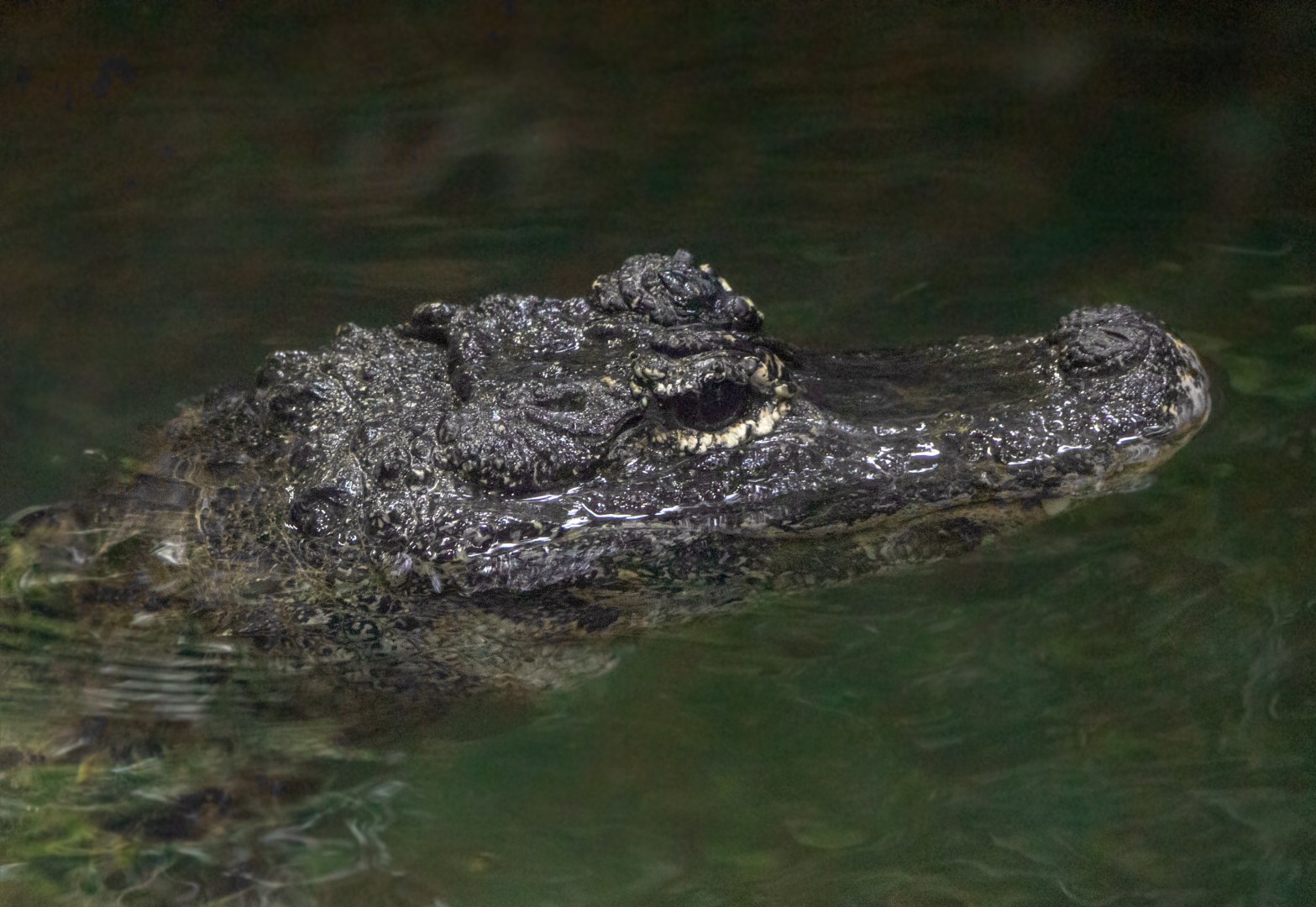
The Chinese alligator is Critically Endangered! There are less than 150 left in the wild. Habitat loss, climate change, and pollution are their biggest threats. The Chinese alligator is one of the smaller species of crocodilians. Adult males are 5-7ft, and females 4-5ft. During late October these alligators dig burrows where they brumate until April.ContinueContinue reading “Chinese Dragons”
Flamingos are not the only pink birds
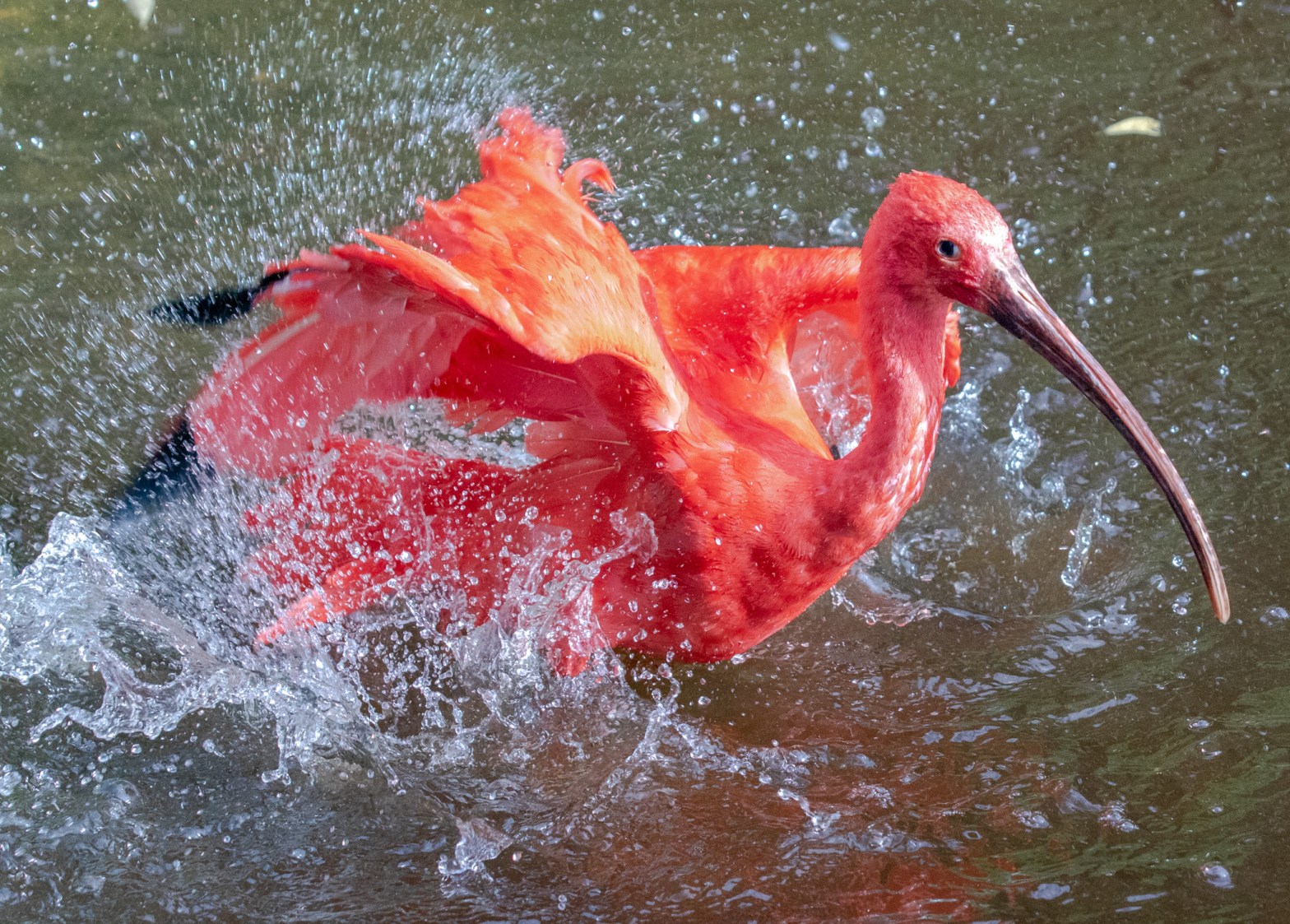
Like flamingos, the scarlet ibis’s vibrant coloring comes from the red crustaceans they eat. They live in shallow waters, and swaps in South America and the Carribean. Their long curved beaks are used to probe through the mud and sand to find food. They eat insects, crustaceans, shellfish, and amphibians. Their population is decreasing dueContinueContinue reading “Flamingos are not the only pink birds”
A Global Conservation Story
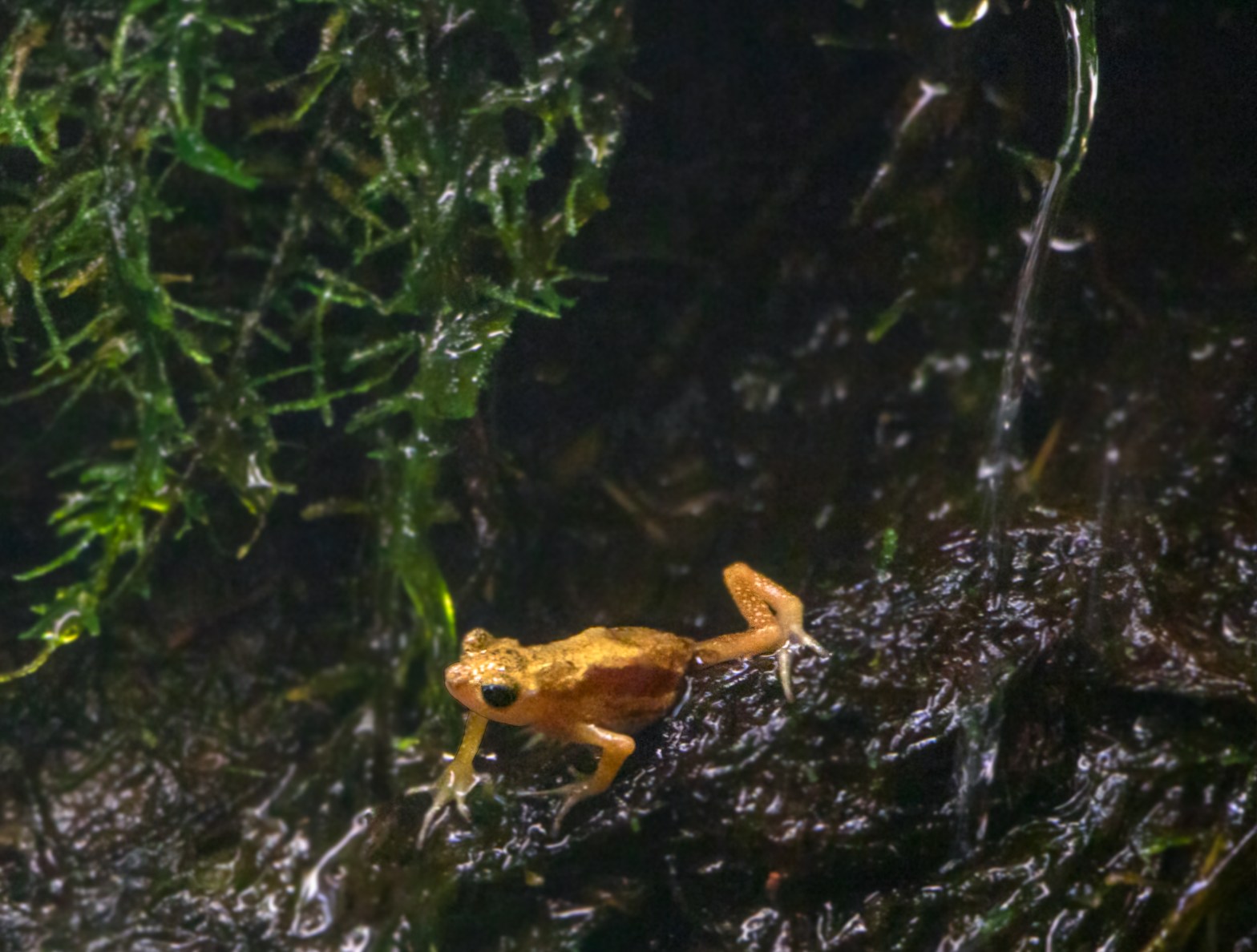
The Kihansi Spray Toad is the first extinct in the wild amphibian to be reintroduced to its natural habitat, the Kihansi Falls in the Udzungwa Mountains in Tanzania, Africa. This toad lives only in the spray zone of the falls, where there is plenty of mist. In 2000 the water flow was diverted to powerContinueContinue reading “A Global Conservation Story”
See no evil, hear no evil, speak no evil
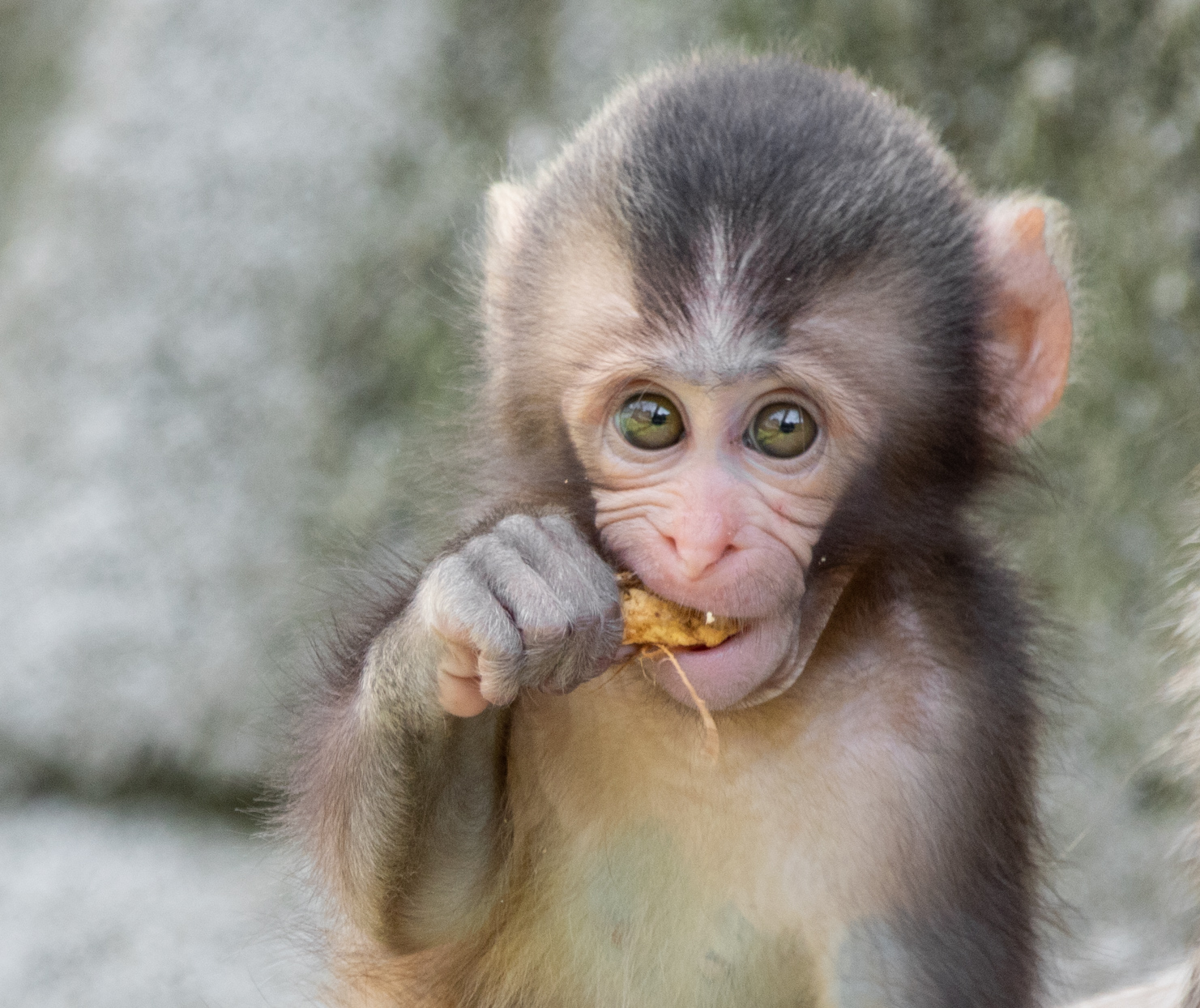
Japanese Macaques, also known as snow monkeys, are the most northern-living non-human primates on Earth. These monkeys are famous for bathing in hot springs surrounded by snow. They live in matrilineal family groups. This means that the females remain with the group that they were born into, and the daughters inherit their mother’s rank, whileContinueContinue reading “See no evil, hear no evil, speak no evil”
Cute but resilient
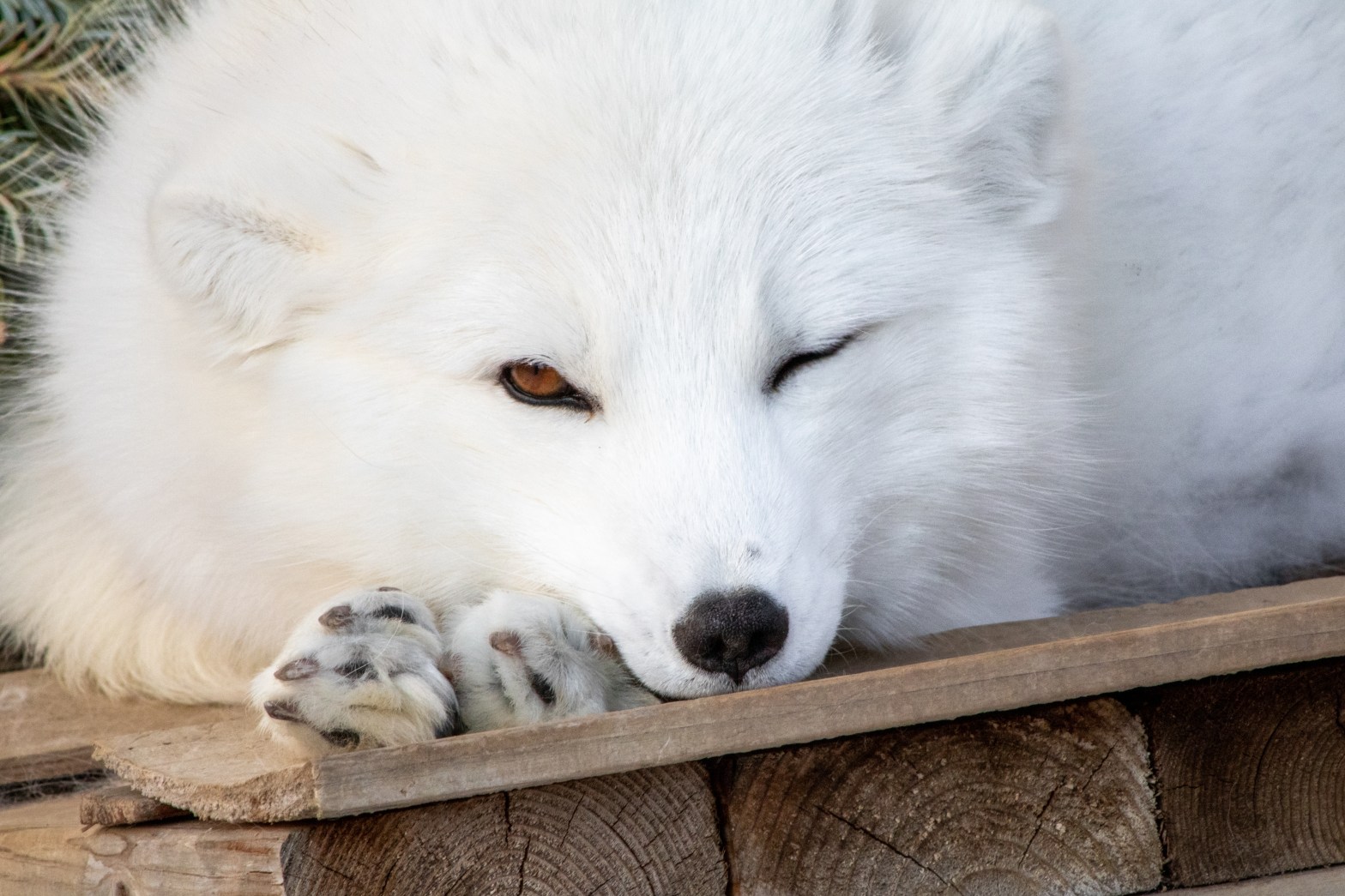
Arctic foxes are tough little creatures that can survive in temperatures as low as -50℃ (-58℉ ). Their thick fur, short legs, and round bodies help to keep them warm. They hunt lemmings, voles, fish, and eat berries, eggs, and seaweed. In winter when food is scarce arctic foxes will follow polar bears at aContinueContinue reading “Cute but resilient”
The Unseen Turtle
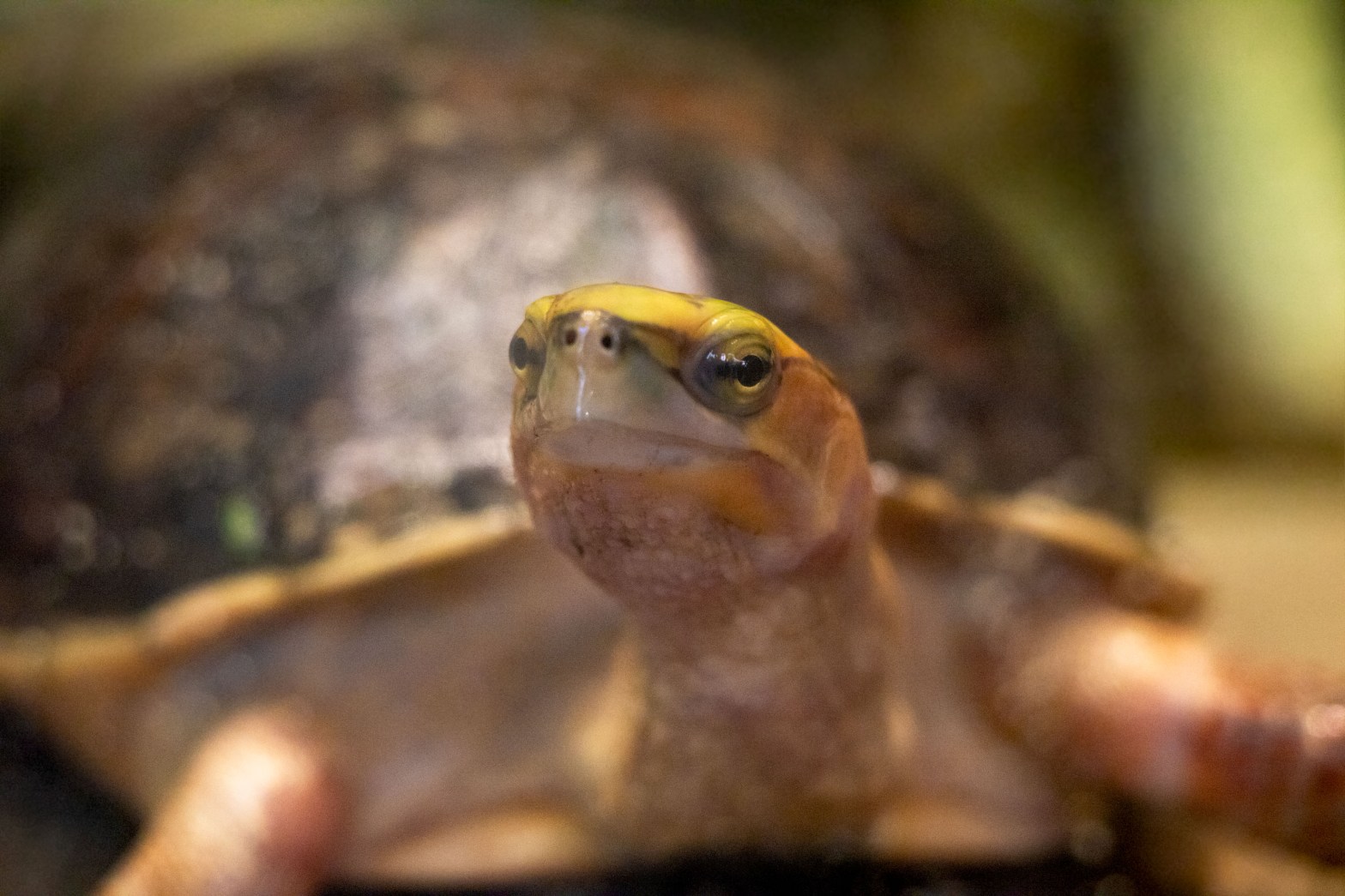
The McCord’s box turtle is CRITICALLY ENDANGERED. They are native to China, where they are often harvested for traditional Chinese medicine and the illegal pet trade. They are also threatened by habitat loss and pollution. A herpetologist first described this species in 1998 when he saw it at a Chinese market. It wasn’t until 2007ContinueContinue reading “The Unseen Turtle”
RAWR
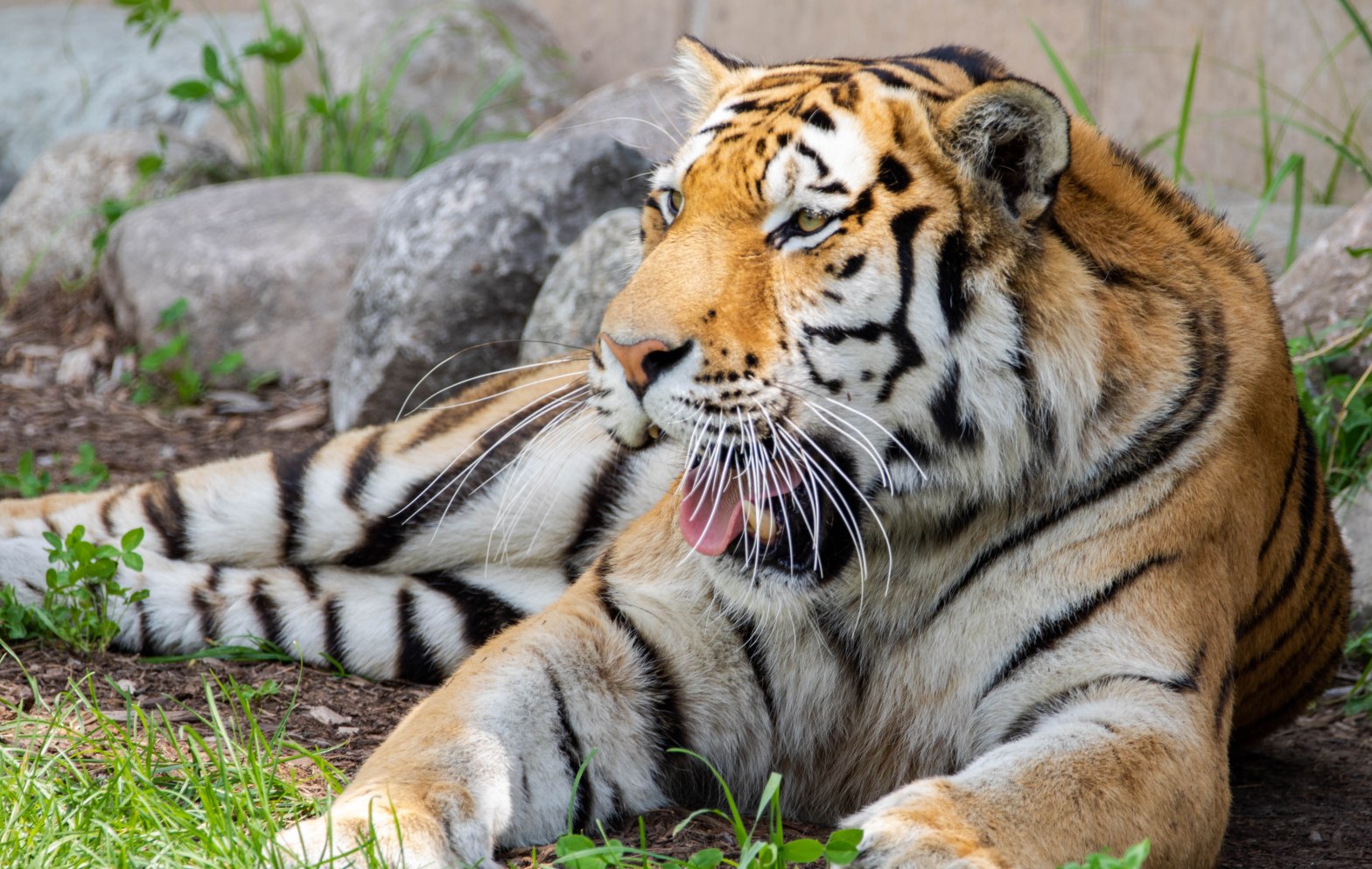
ENDANGERED. The Siberian tiger (also known as the Amur tiger) is the largest cat in the world! Males can be up to 11ft long and weigh 660lbs. Deforestation is the biggest reason for the population decline. These tigers are also poached for their fur and body parts (used in traditional medicine). They live mostly inContinueContinue reading “RAWR”
Have you ever seen a fox in a tree?
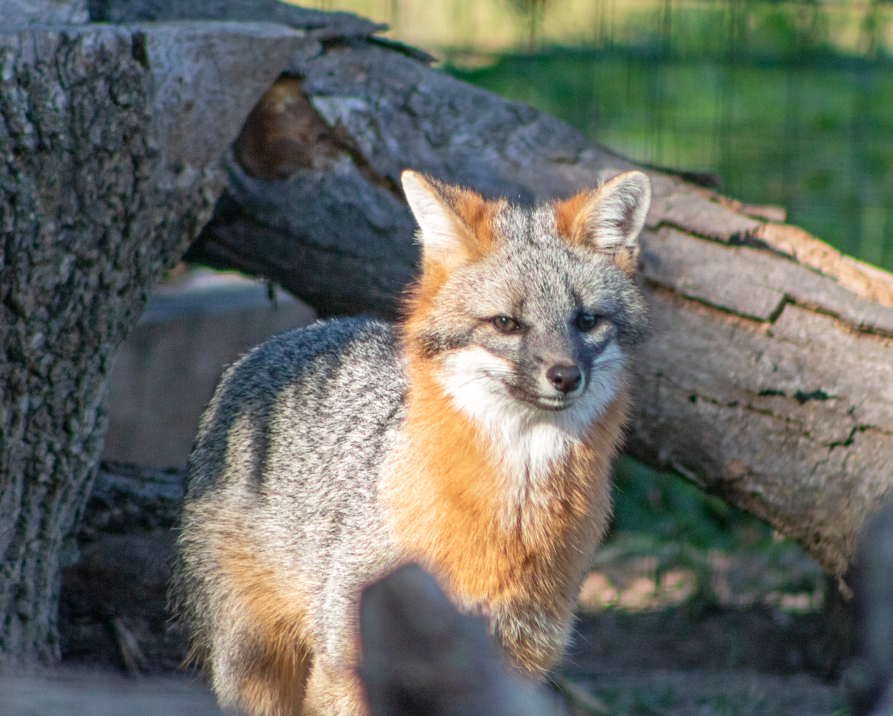
Gray foxes are the only fox species that can climb trees. They climb up to 50 ft and jump from branch to branch. Like all foxes they are omnivores, they eat just about everything. They play an important role in the environment by controlling rodent populations. Although they are not considered endangered, gray foxes’ habitatsContinueContinue reading “Have you ever seen a fox in a tree?”
Ringtails
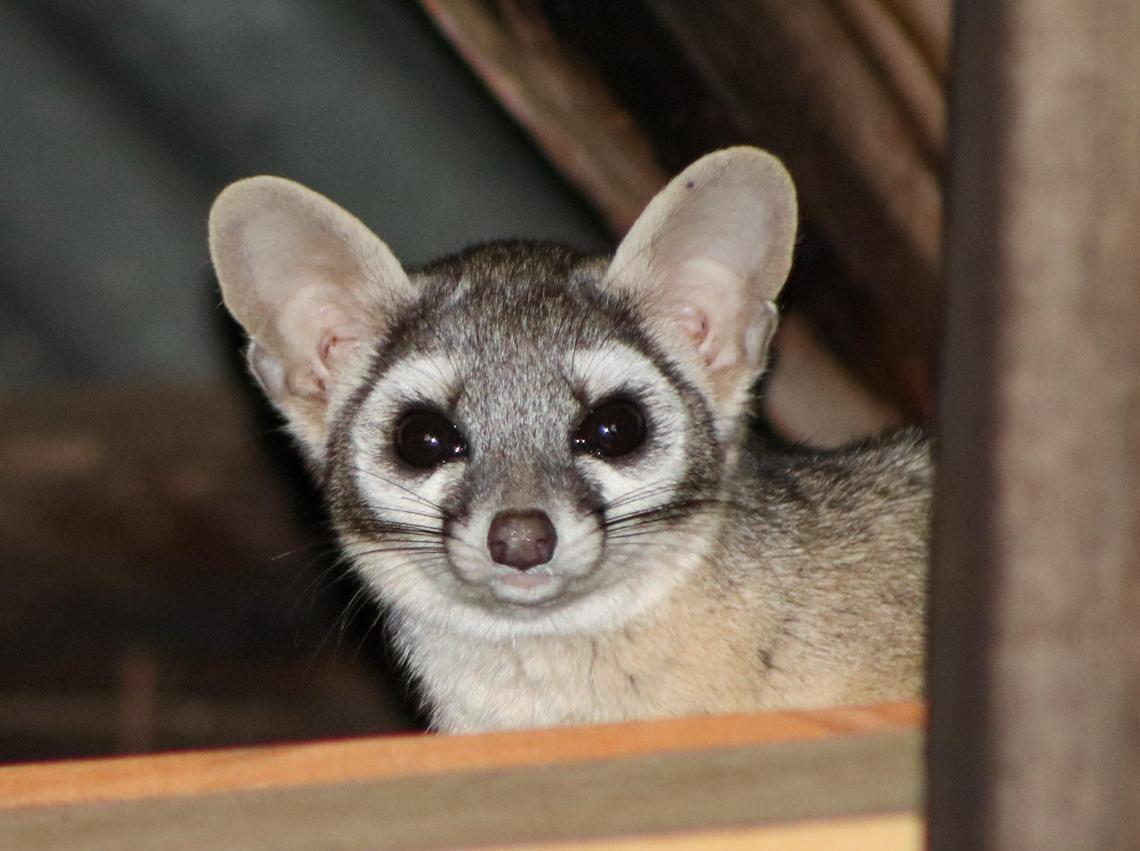
An adorable and curious ring-tailed cat in a barn in Arizona. Despite their name, ring-tailed cats are not related to cats. They are part of the racoon (procyonidae) family. Ringtails are the state mammal of Arizona.
 Eye of the Wild Photography