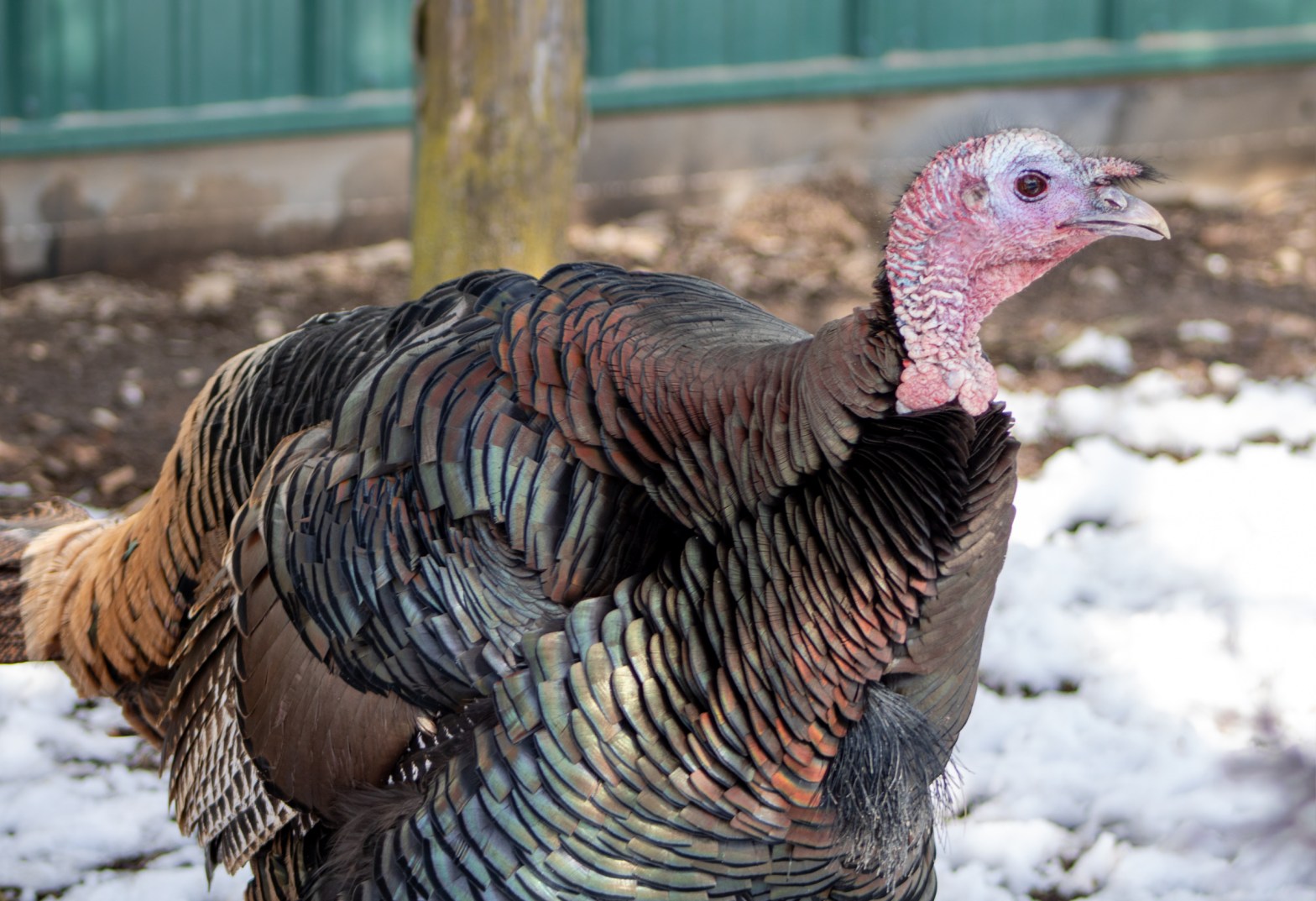
Wild Turkeys are native to North America. They have distinguishing characteristics such as large fanned tail feathers, a snood (flap of skin that hangs over their beaks) and a wattle (the flap of skin below their chins.) Wild turkeys eat seeds, insects, and occasionally a frog or lizard. Wild turkeys can fly for short distances. ContinueContinue reading “Happy Turkey Day!”
Tag Archives: photography
The masters of defense
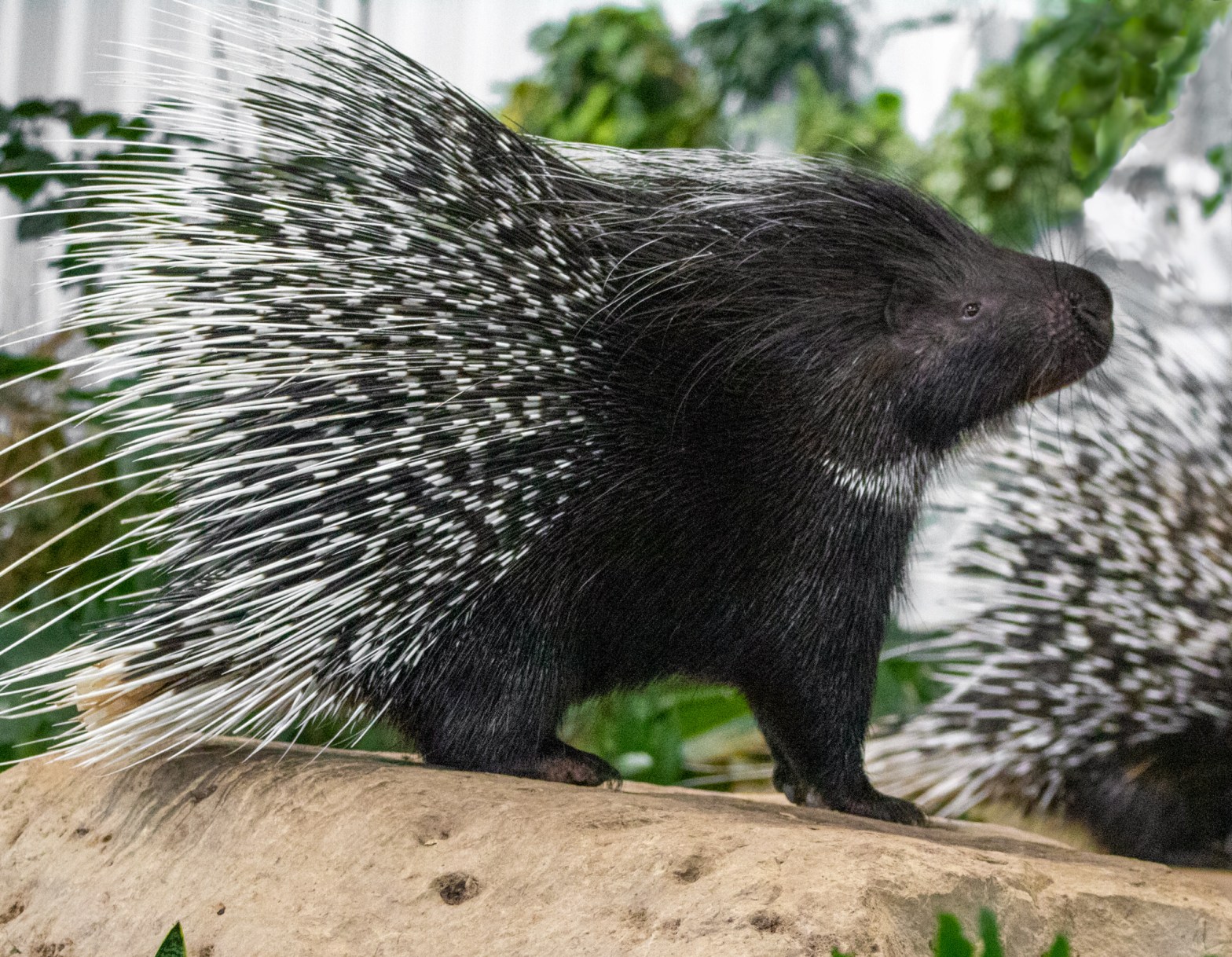
The African crested porcupine. Porcupine means “quill-pigs” in Latin. But don’t be confused porcupines are rodents, not pigs. The African crested porcupine has highly effective defense mechanisms. The first strategy is to appear bigger by raising and fanning out it’s 13 in quills. If this doesn’t scare a predator away the next thing they willContinueContinue reading “The masters of defense”
One tough Cookie
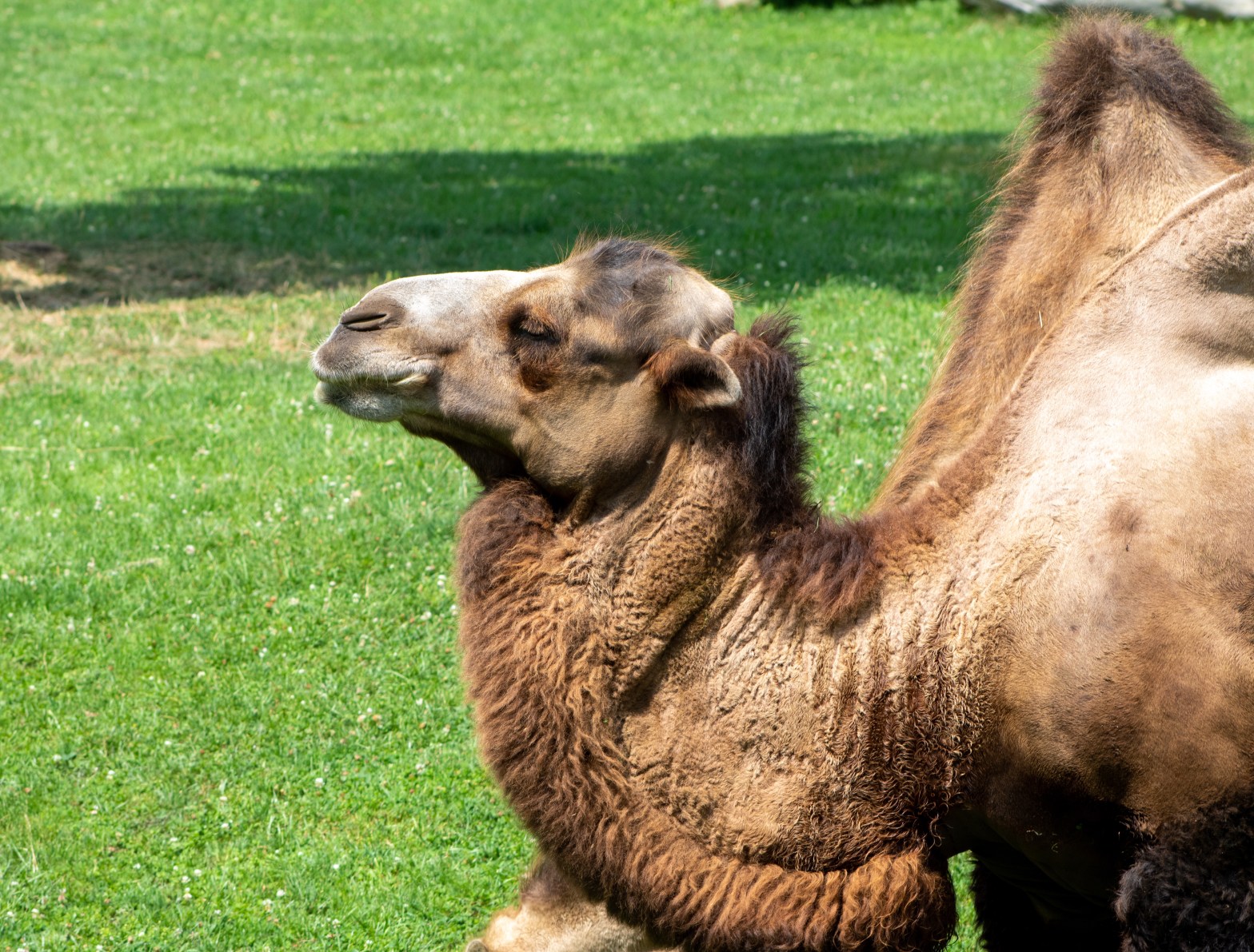
Bactrian camels are built to survive in one of the most hostile regions on earth, The Gobi Dessert. They are one of the few mammals that can eat snow as a way to quench their thirst. They are the only land mammals capable of drinking brackish/salty water with no negative effects. It is a commonContinueContinue reading “One tough Cookie”
Flamingos are not the only pink birds
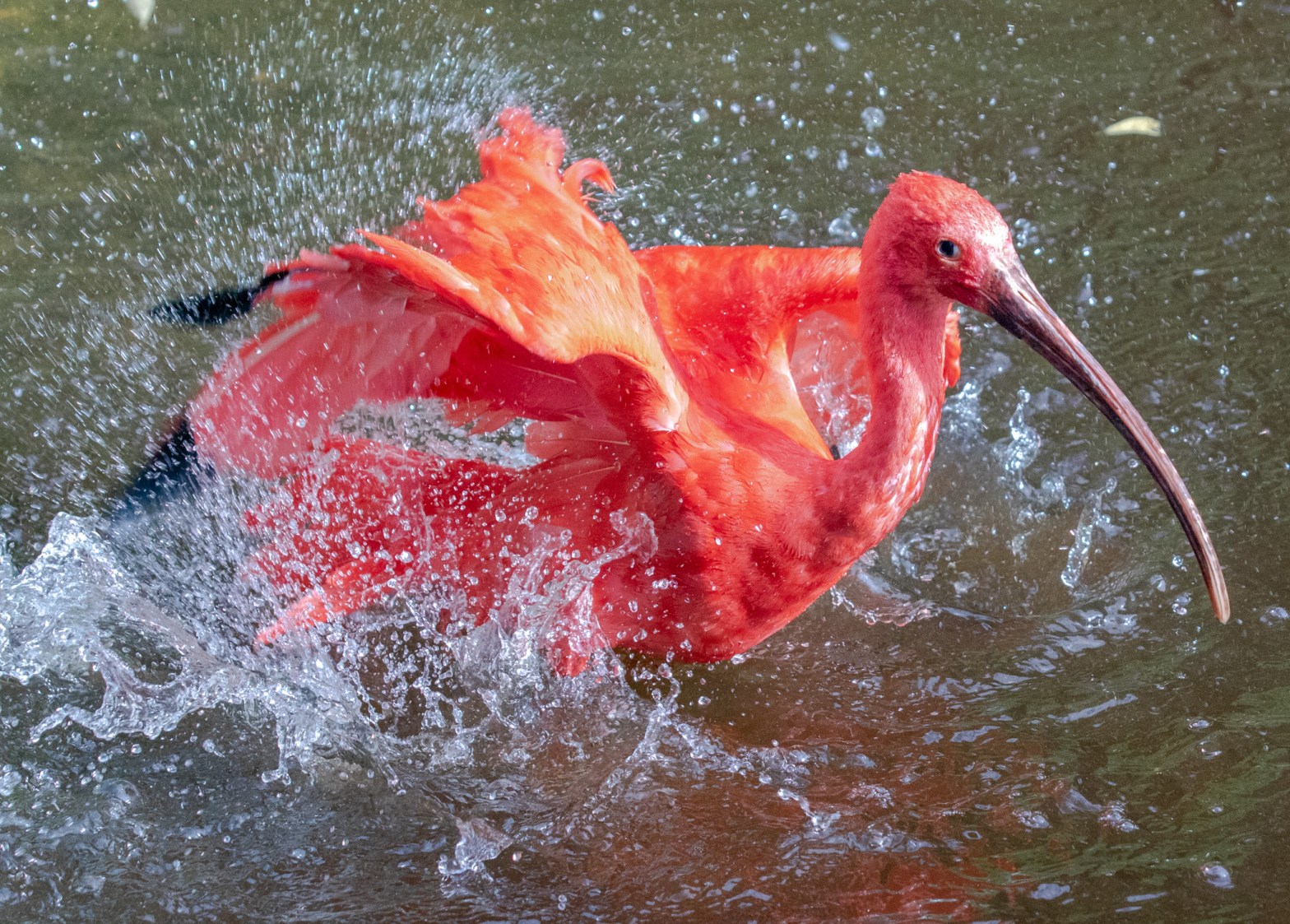
Like flamingos, the scarlet ibis’s vibrant coloring comes from the red crustaceans they eat. They live in shallow waters, and swaps in South America and the Carribean. Their long curved beaks are used to probe through the mud and sand to find food. They eat insects, crustaceans, shellfish, and amphibians. Their population is decreasing dueContinueContinue reading “Flamingos are not the only pink birds”
See no evil, hear no evil, speak no evil
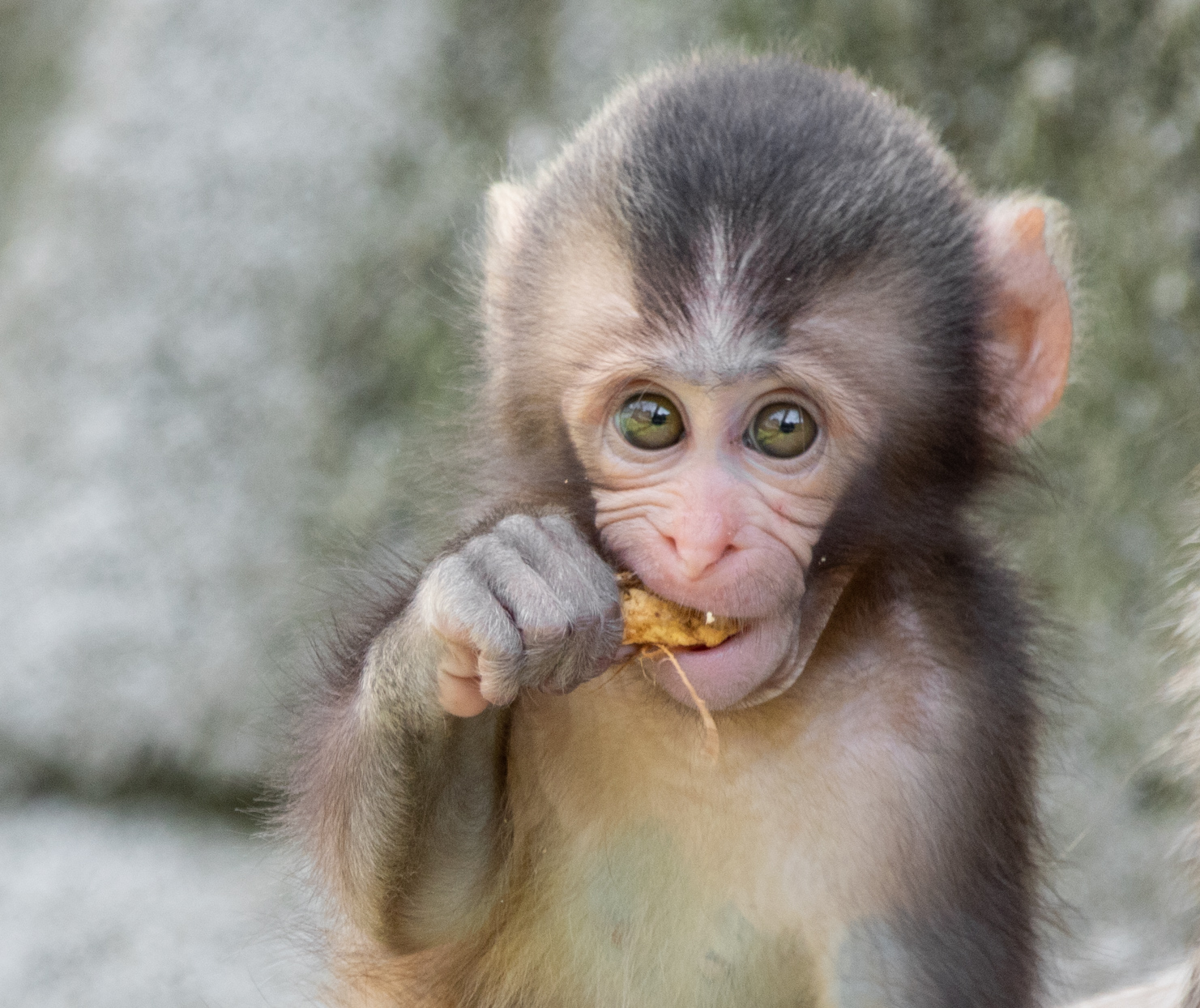
Japanese Macaques, also known as snow monkeys, are the most northern-living non-human primates on Earth. These monkeys are famous for bathing in hot springs surrounded by snow. They live in matrilineal family groups. This means that the females remain with the group that they were born into, and the daughters inherit their mother’s rank, whileContinueContinue reading “See no evil, hear no evil, speak no evil”
Cute but resilient
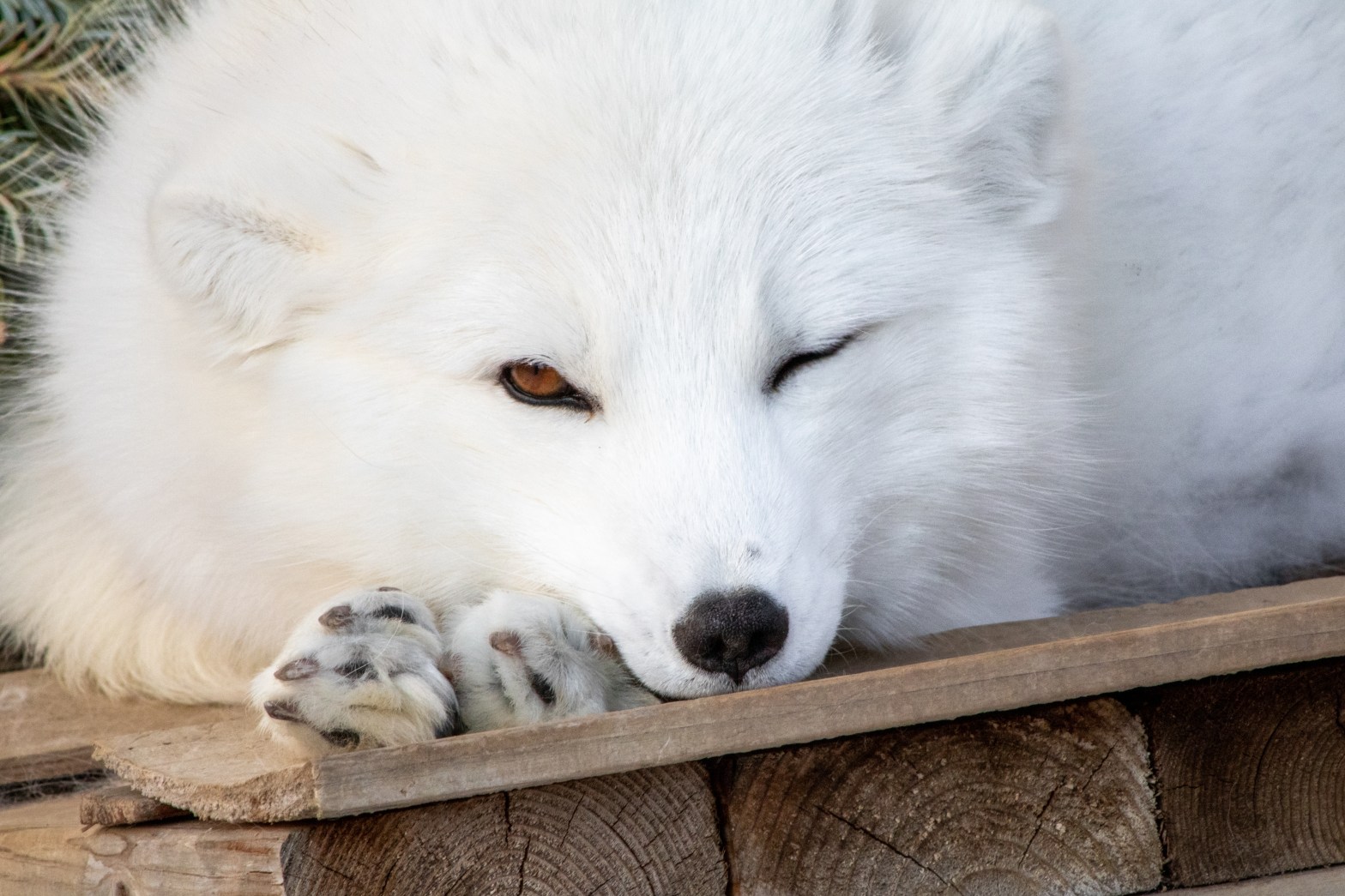
Arctic foxes are tough little creatures that can survive in temperatures as low as -50℃ (-58℉ ). Their thick fur, short legs, and round bodies help to keep them warm. They hunt lemmings, voles, fish, and eat berries, eggs, and seaweed. In winter when food is scarce arctic foxes will follow polar bears at aContinueContinue reading “Cute but resilient”
Elk
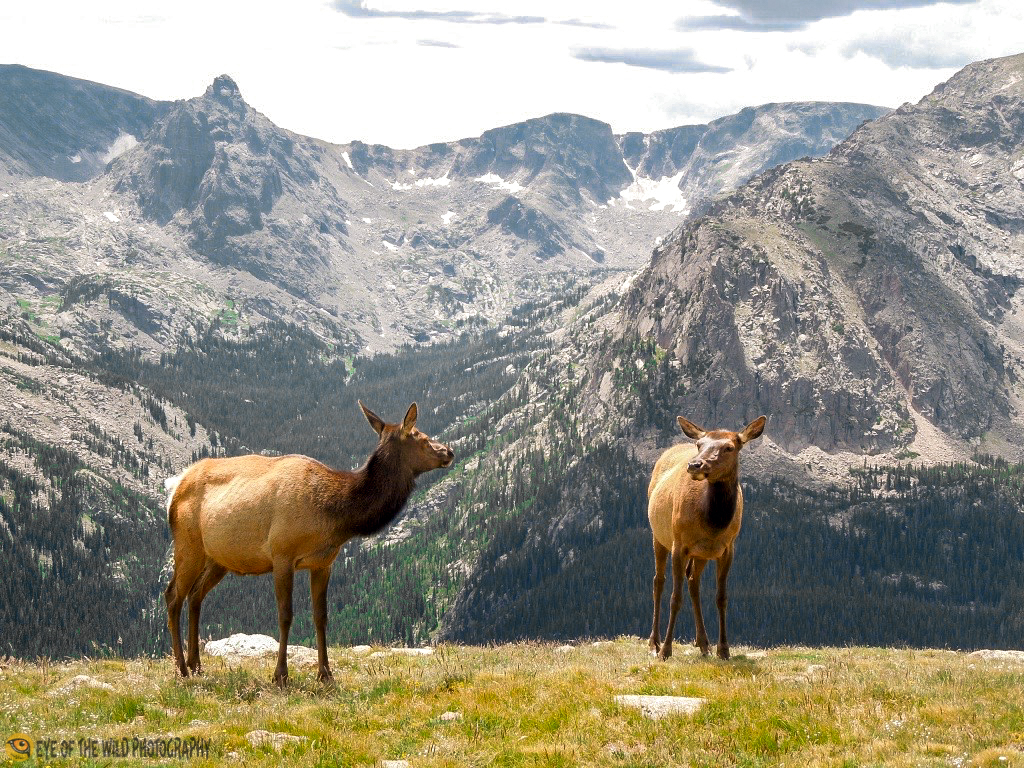
Elk in Estes Park, Colorado. Elk also know by their Shawnee name Wapiti, meaning “white rump” are one of the largest members of the deer family. Although they weigh in at around 700 lbs, Elk are surprisingly fast. They can run up to 45 mph and have a vertical jump of 8 ft.
The Great Gerenuk
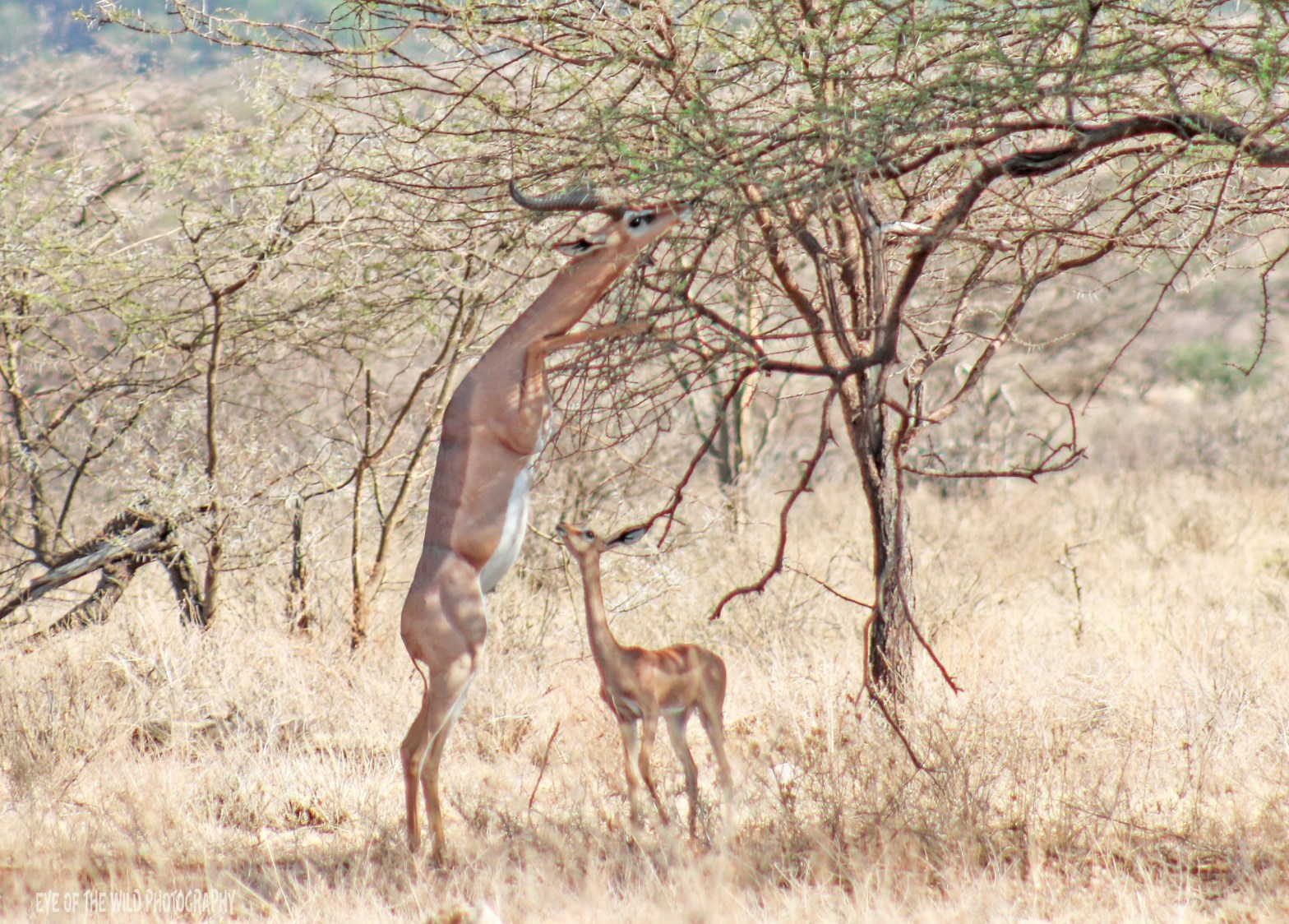
Gerenuks are considered near threatened by the IUCN. Meaning that their population is decreasing. Their biggest threat is the loss and fragmentation of their habitat. Gerenuks are also known as giraffe gazelles. In order to reach certain foods gerenuks stand on their hind legs and stretch out their necks.
The Secretary Bird
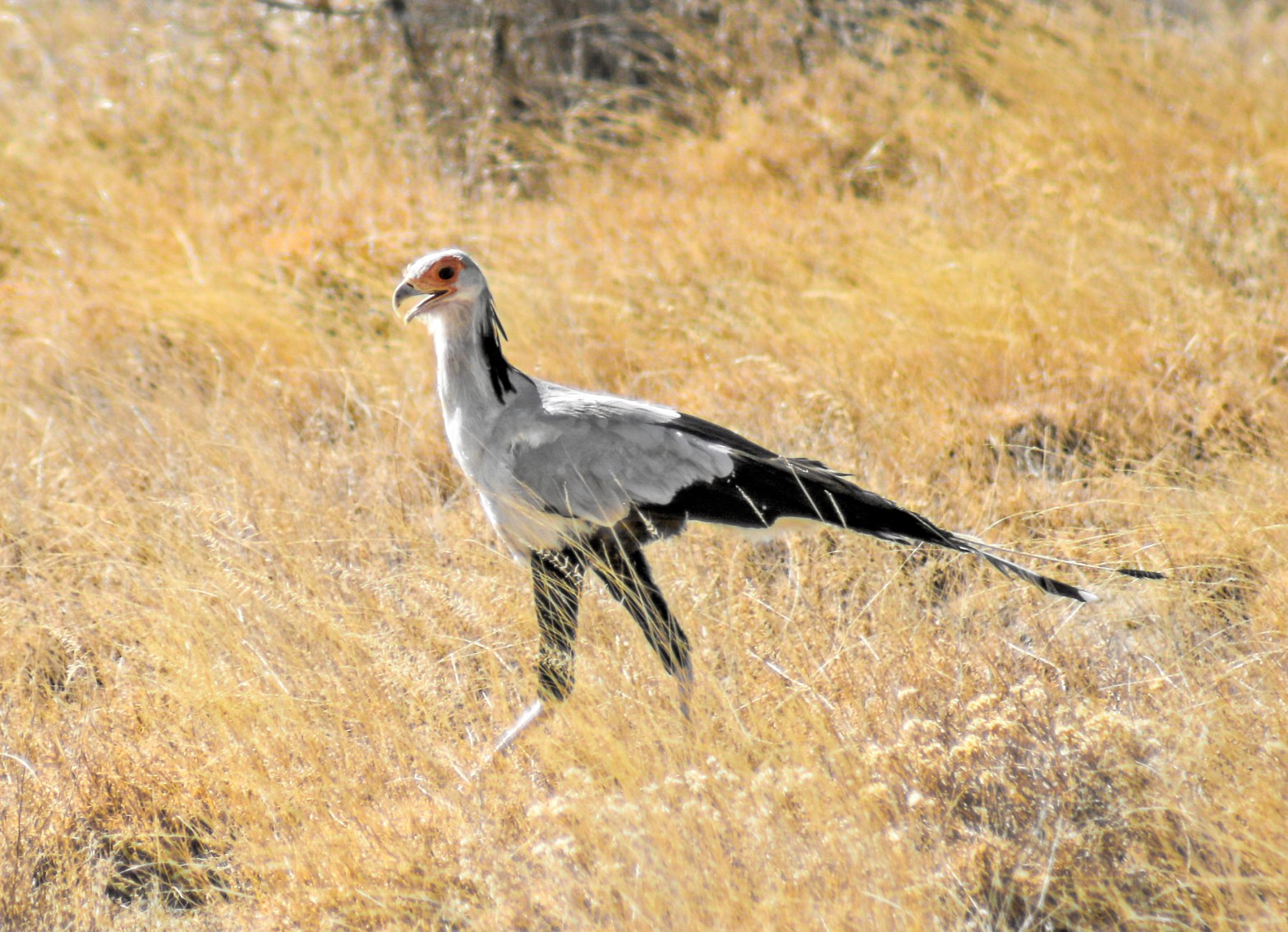
The secretary bird is listed as vulnerable on the IUCN red list. Their biggest threat is habitat loss. These birds live across sub-Saharan Africa. They can fly but they prefer to walk. Secretary birds have the longest legs of any bird of prey. They prey on snakes, lizards, amphibians, and small mammals. They use theirContinueContinue reading “The Secretary Bird”
Earth Day 2020
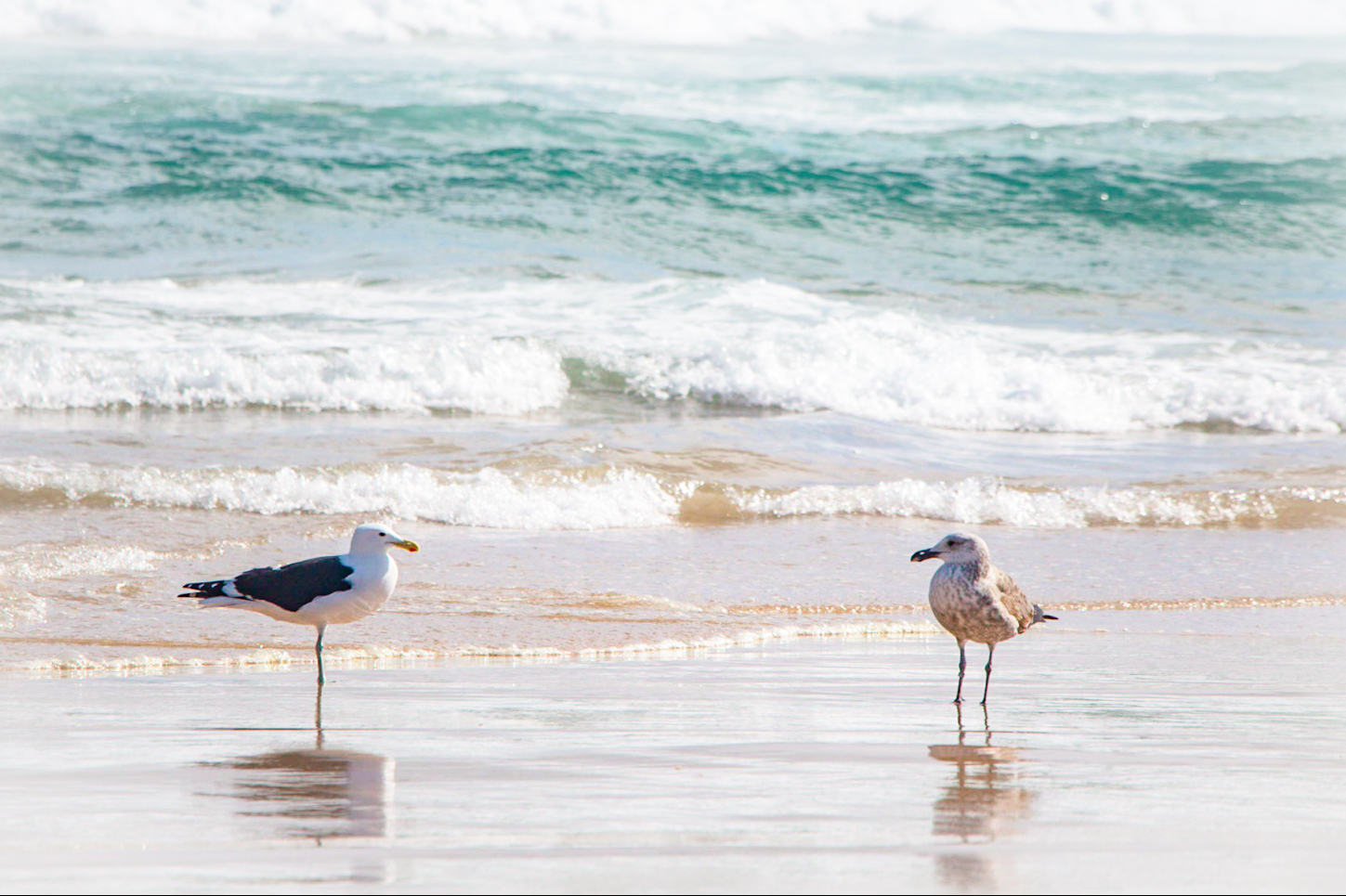
Today we celebrate the 50th anniversary of Earth day, but everyday should be considered earth day. We don’t have time to only think about saving the earth one day a year. Join the initiative to S.A.V.E the world. S- Speak up A- Act V- Vote E- Educate Educating students around the world gives them theContinueContinue reading “Earth Day 2020”
 Eye of the Wild Photography