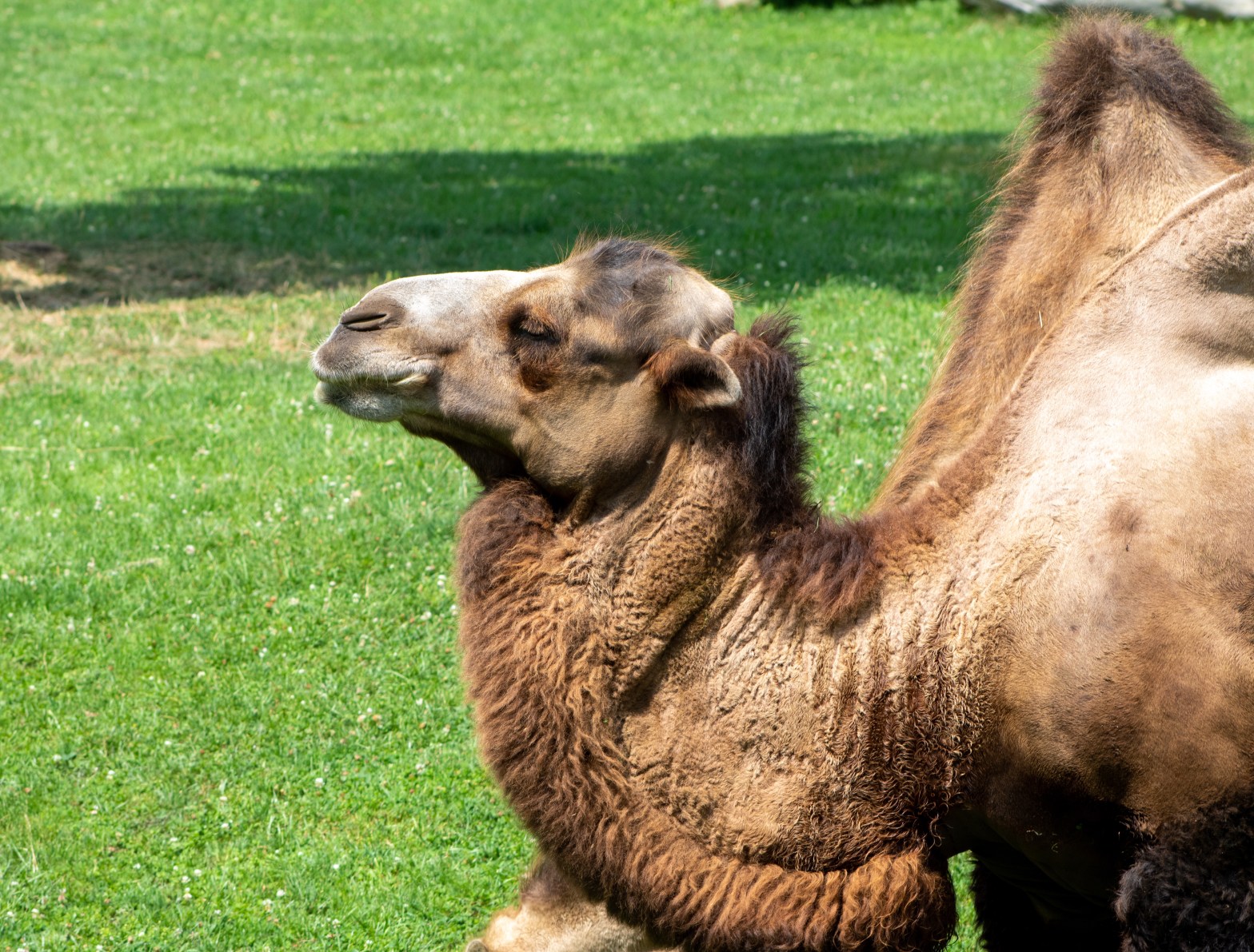
Bactrian camels are built to survive in one of the most hostile regions on earth, The Gobi Dessert. They are one of the few mammals that can eat snow as a way to quench their thirst. They are the only land mammals capable of drinking brackish/salty water with no negative effects. It is a commonContinueContinue reading “One tough Cookie”
Tag Archives: Environmental education
Chinese Dragons
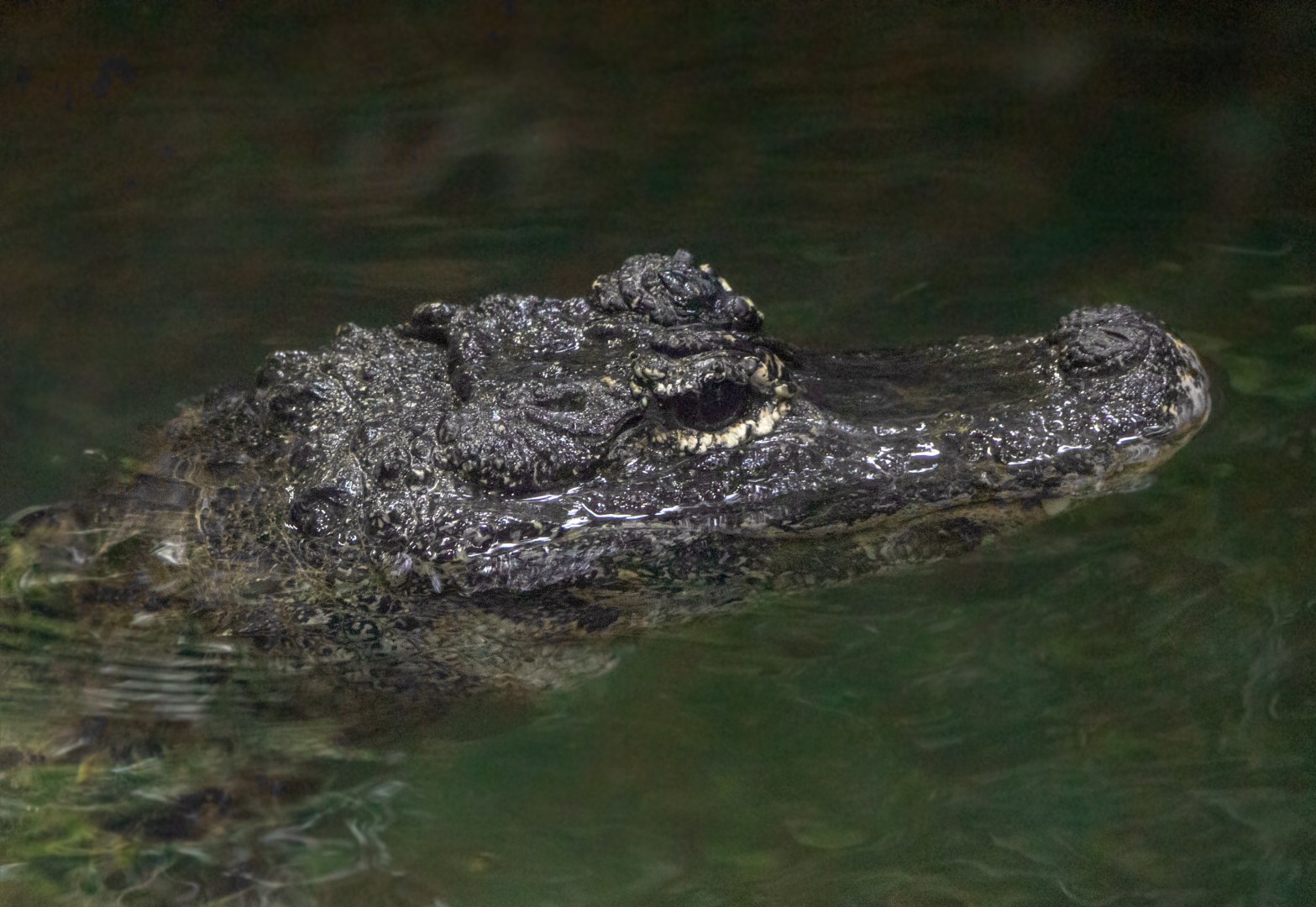
The Chinese alligator is Critically Endangered! There are less than 150 left in the wild. Habitat loss, climate change, and pollution are their biggest threats. The Chinese alligator is one of the smaller species of crocodilians. Adult males are 5-7ft, and females 4-5ft. During late October these alligators dig burrows where they brumate until April.ContinueContinue reading “Chinese Dragons”
A Global Conservation Story
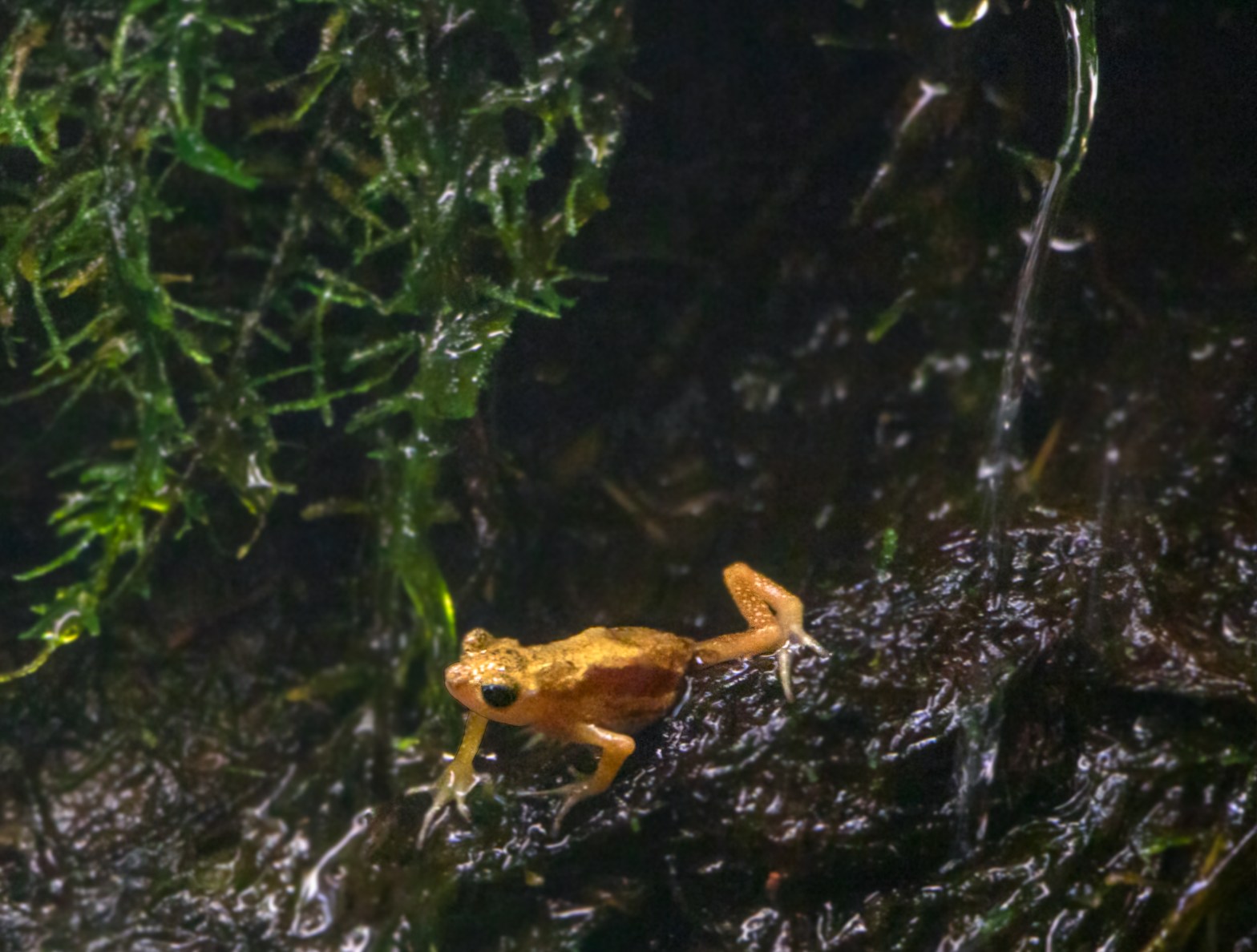
The Kihansi Spray Toad is the first extinct in the wild amphibian to be reintroduced to its natural habitat, the Kihansi Falls in the Udzungwa Mountains in Tanzania, Africa. This toad lives only in the spray zone of the falls, where there is plenty of mist. In 2000 the water flow was diverted to powerContinueContinue reading “A Global Conservation Story”
See no evil, hear no evil, speak no evil
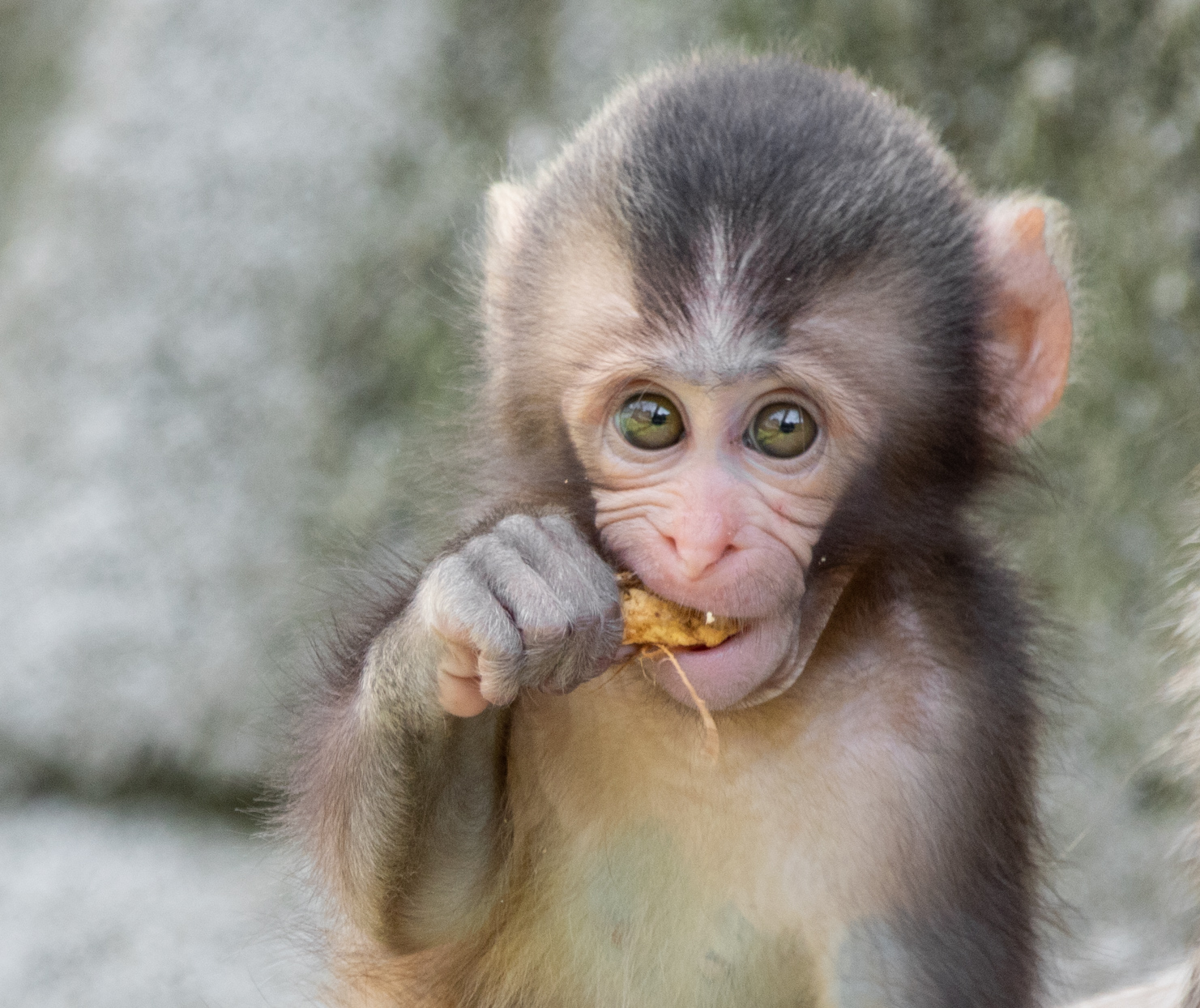
Japanese Macaques, also known as snow monkeys, are the most northern-living non-human primates on Earth. These monkeys are famous for bathing in hot springs surrounded by snow. They live in matrilineal family groups. This means that the females remain with the group that they were born into, and the daughters inherit their mother’s rank, whileContinueContinue reading “See no evil, hear no evil, speak no evil”
Cute but resilient
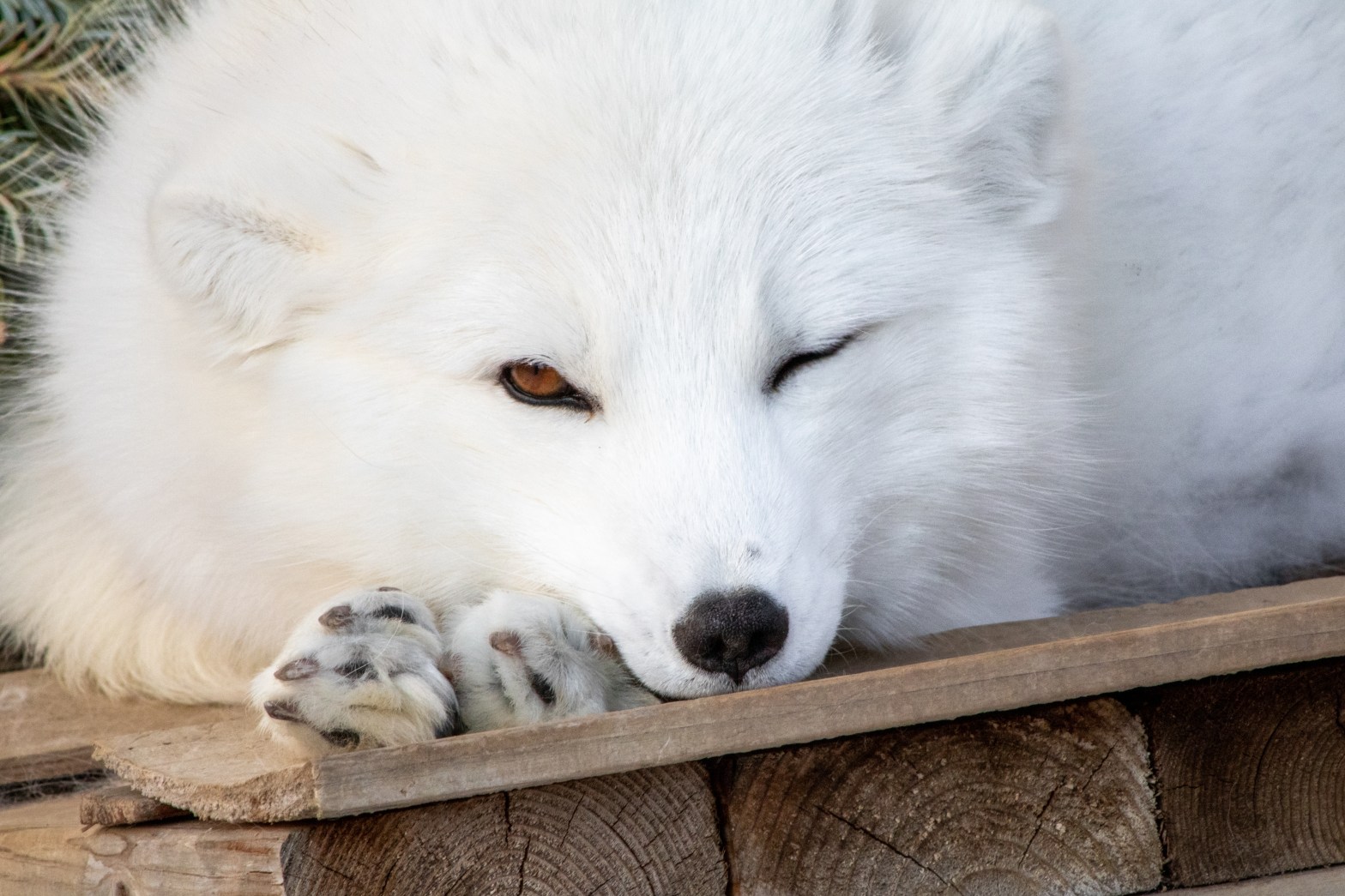
Arctic foxes are tough little creatures that can survive in temperatures as low as -50℃ (-58℉ ). Their thick fur, short legs, and round bodies help to keep them warm. They hunt lemmings, voles, fish, and eat berries, eggs, and seaweed. In winter when food is scarce arctic foxes will follow polar bears at aContinueContinue reading “Cute but resilient”
Humans are killing their closest living relative!
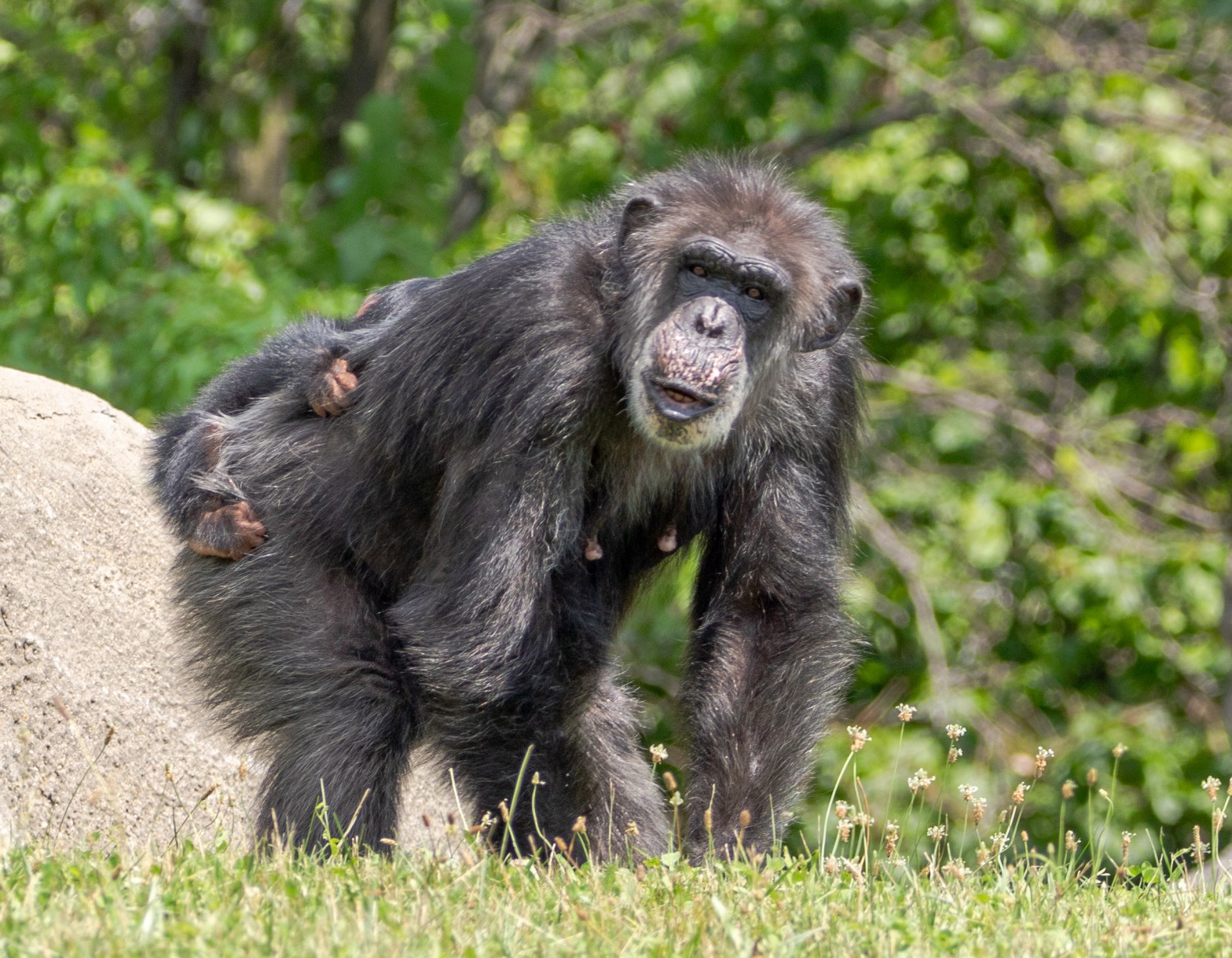
We are pushing our closest cousins towards extinction. Chimpanzees share 98.7% of their genes with us. But humans and chimps do not mix. There has been an increase in human-chimp conflicts. This is largely due to deforestation. And the encroaching human population. Other threats to the species include disease, the illegal pet trade, and being poachedContinueContinue reading “Humans are killing their closest living relative!”
Eagle Snacks
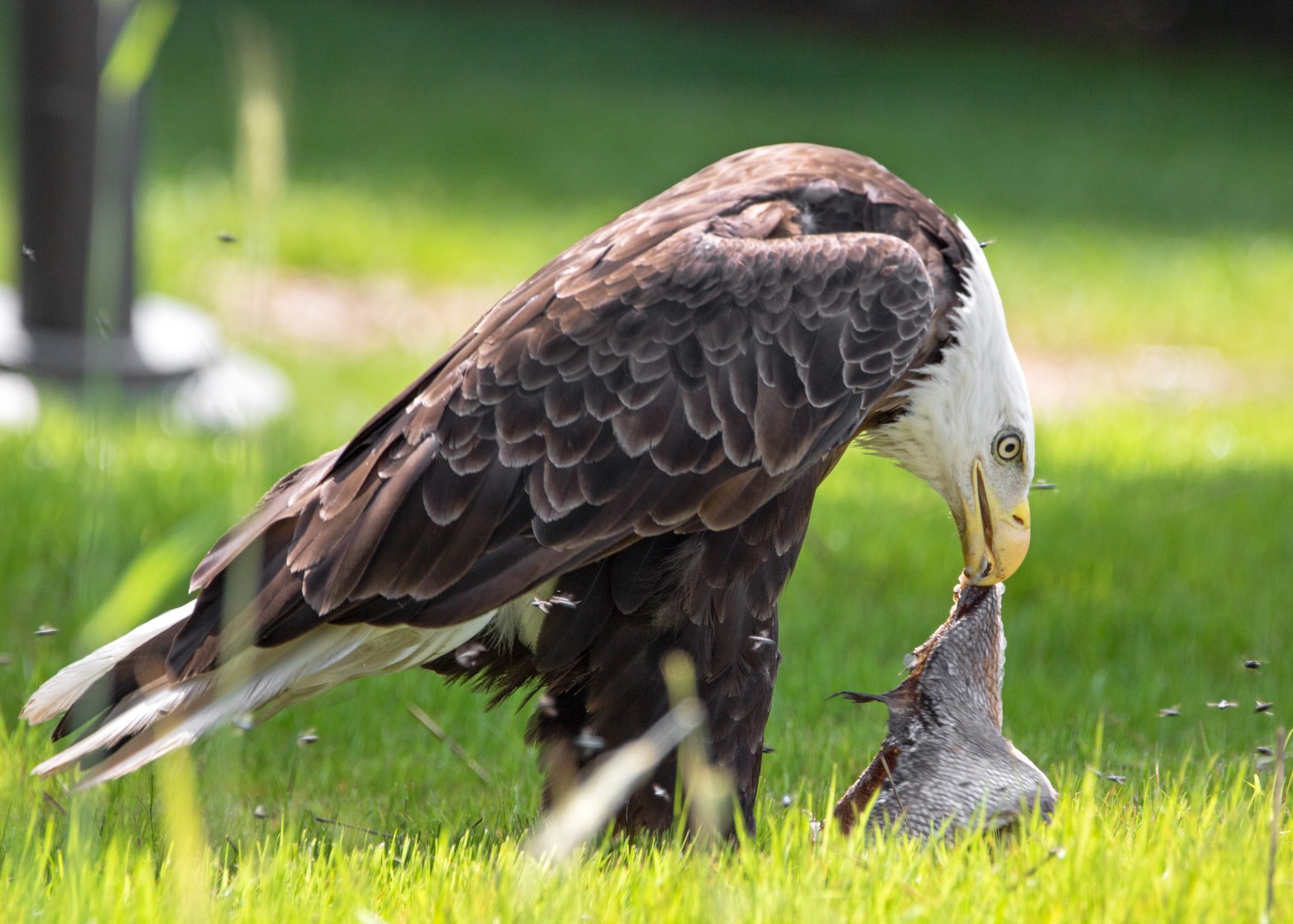
A bald eagle ripping apart and devouring a dead fish in Northern Michigan. Bald eagles live across the United States. They have been the national emblem of the USA since 1782. Despite this, the bald eagle was on the verge of extinction in the 1950s. Illegal hunting, habitat loss and the pesticide DDT were theContinueContinue reading “Eagle Snacks”
Frogs that make their own sunscreen
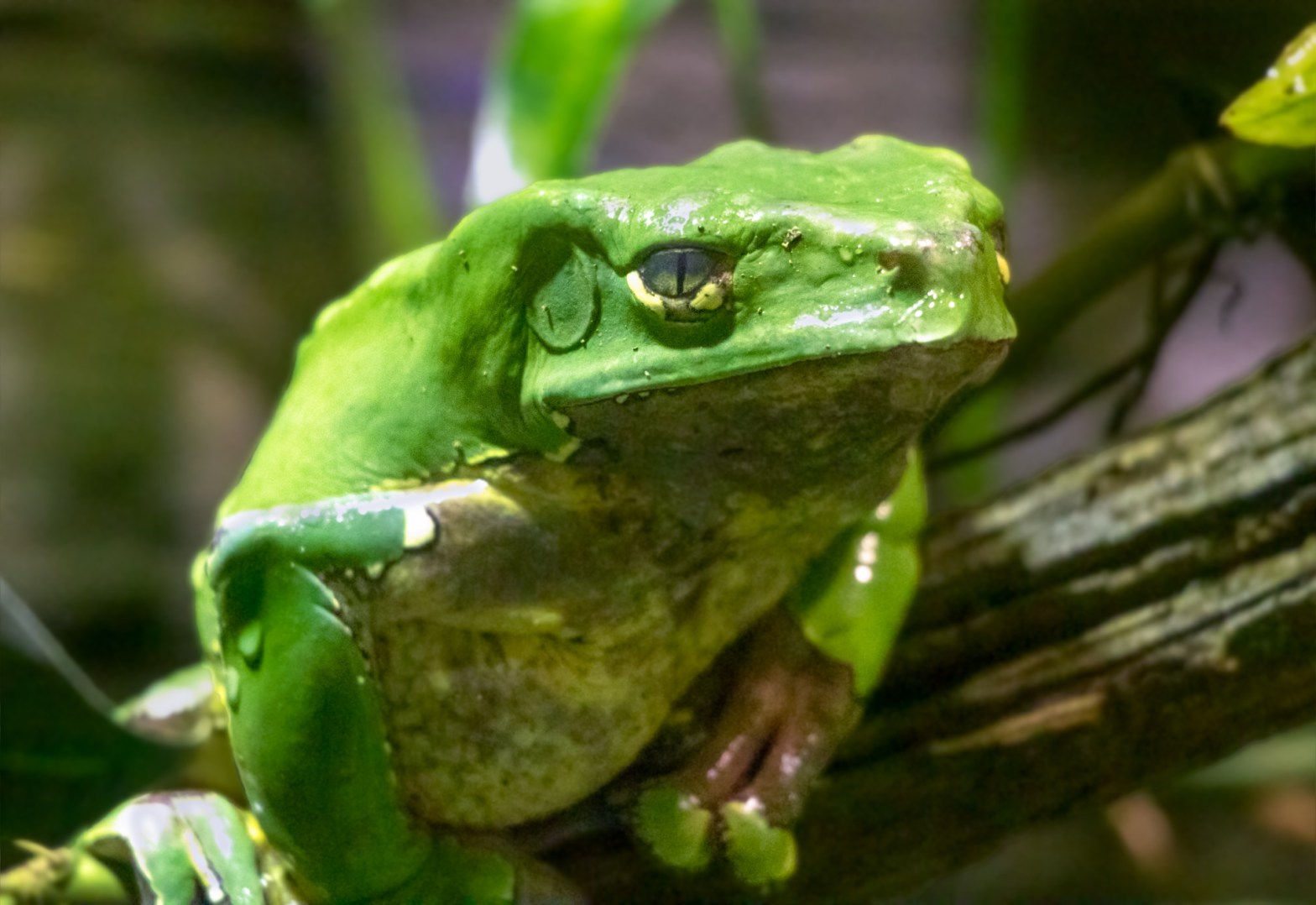
The waxy-monkey tree frog is unlike most frogs. It is able to tolerate higher temperatures and direct sunlight due to their special skin glands that produce a waxy substance. The frogs rub the secretions all over themselves as protection from the sun aka sunscreen. The waxy substance also traps in moisture so the frogs don’tContinueContinue reading “Frogs that make their own sunscreen”
RAWR
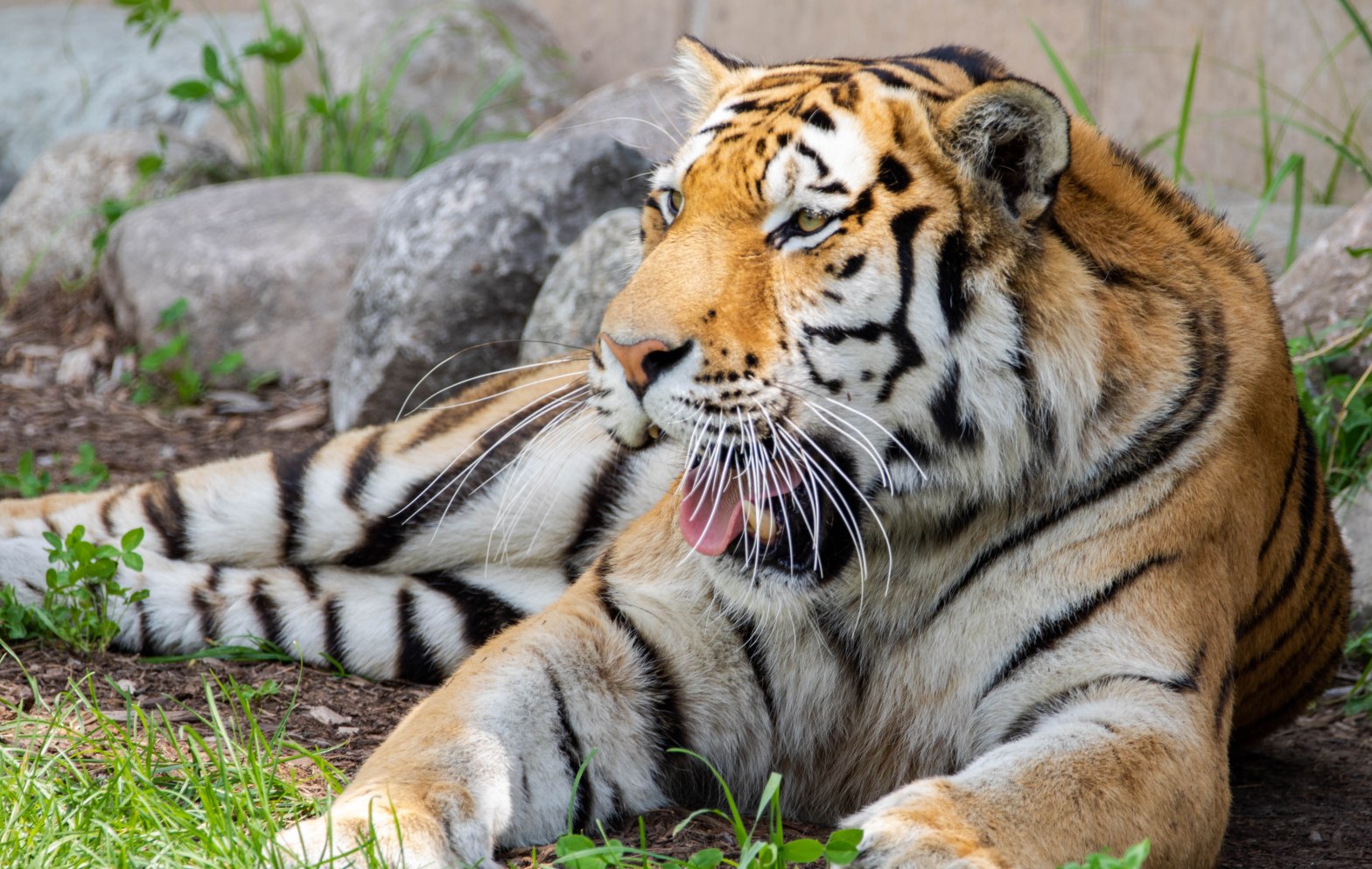
ENDANGERED. The Siberian tiger (also known as the Amur tiger) is the largest cat in the world! Males can be up to 11ft long and weigh 660lbs. Deforestation is the biggest reason for the population decline. These tigers are also poached for their fur and body parts (used in traditional medicine). They live mostly inContinueContinue reading “RAWR”
Open Wide!
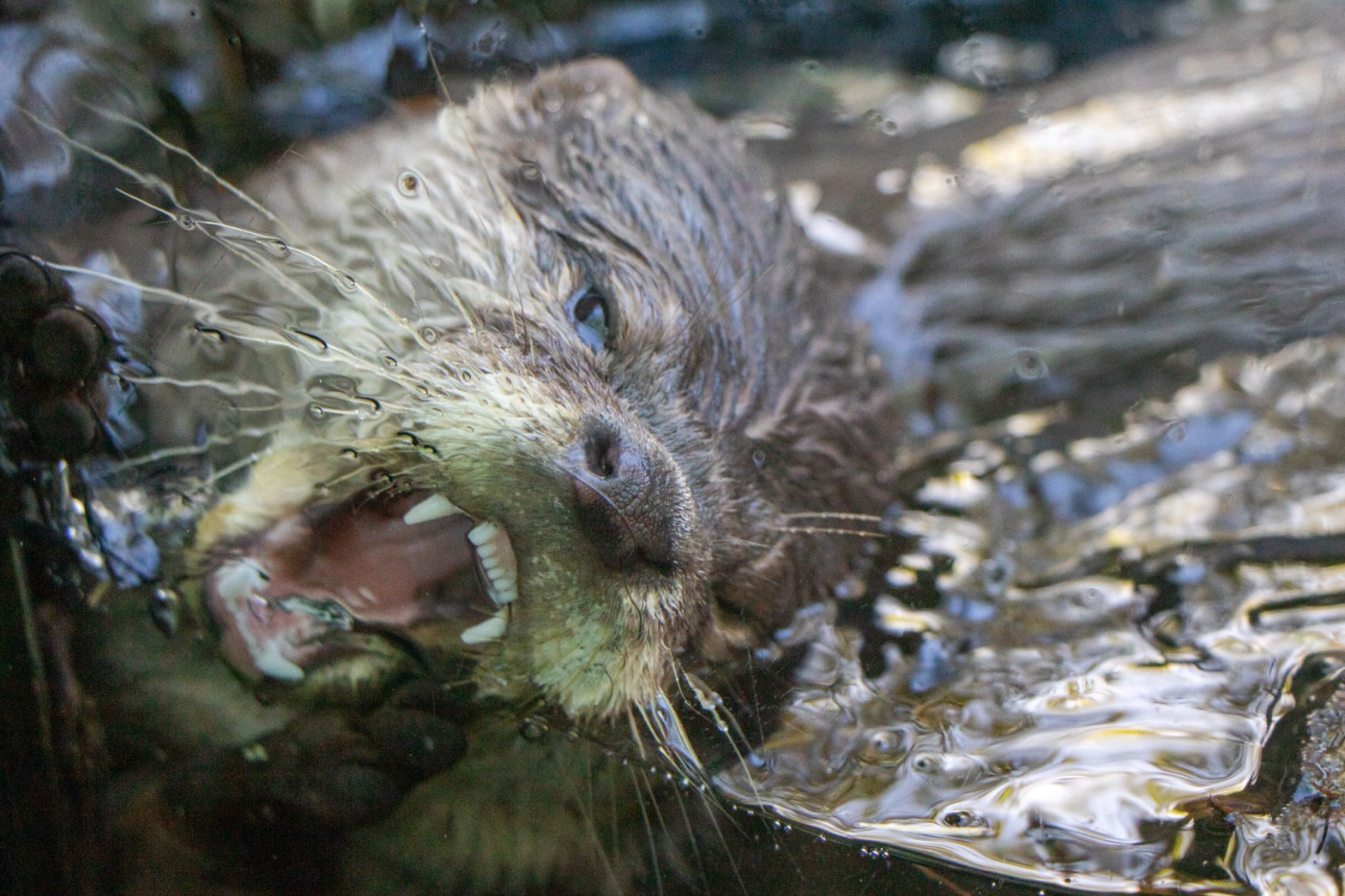
Although river otters are adorable they are carnivores. Their favorite food – fish. They use those sharp canines to stab and catch fish. Built to swim, river otters can hold their breath for 8 minutes and dive up to 60 ft deep. Pollution and habitat destruction are major threats to their conservation.
 Eye of the Wild Photography