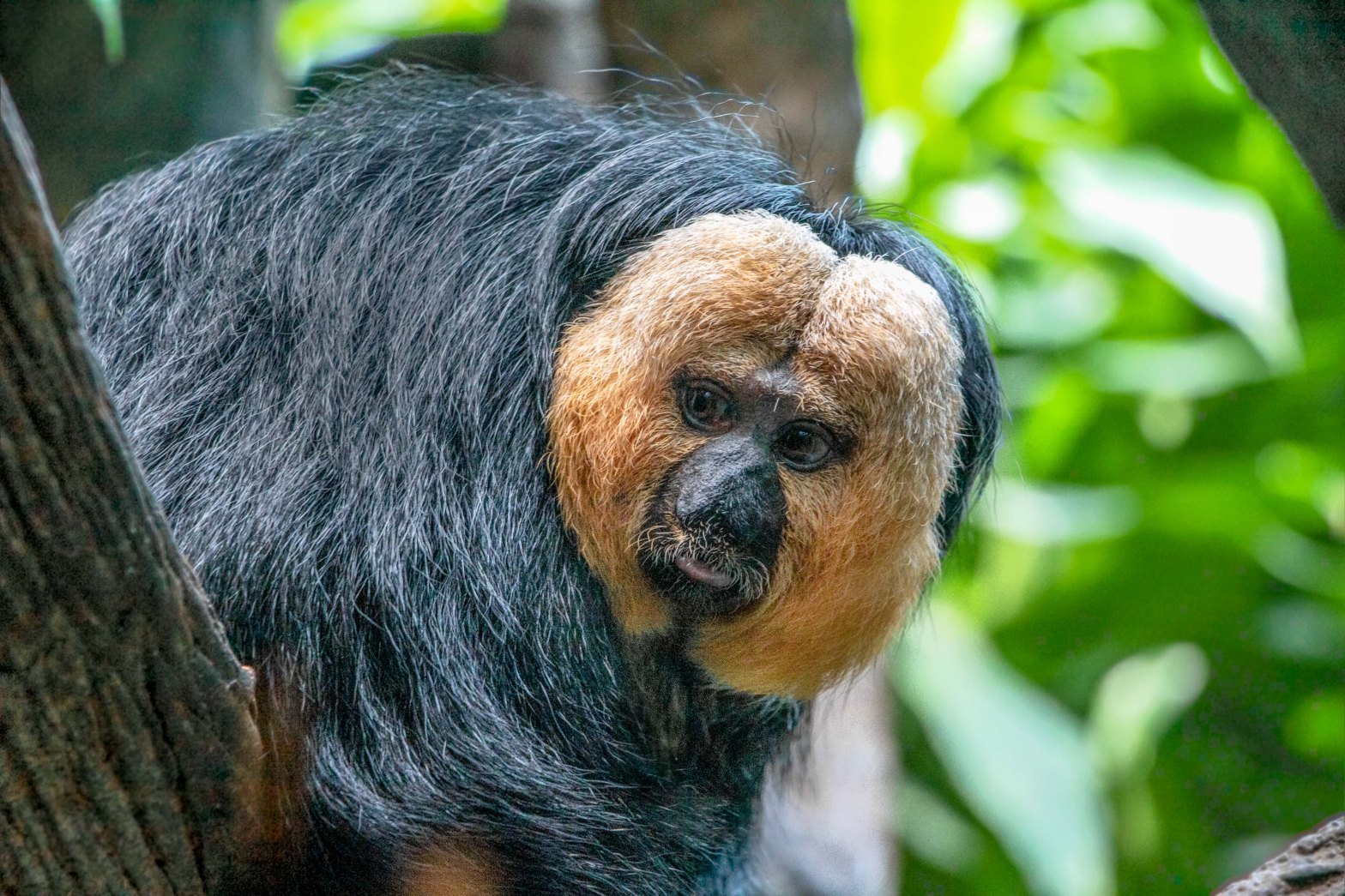
White-faced sakis are nicknamed “flying monkeys” because of their impressive leaps between trees. They can leap up to 33 ft in a single bound. Only the males have a white face, the females have a black/gray face. These monkeys live in the northern part of South America. Their diet consists of fruit, seeds, leaves, andContinueContinue reading “Flying Monkeys”
Tag Archives: Endangered Species
On one island
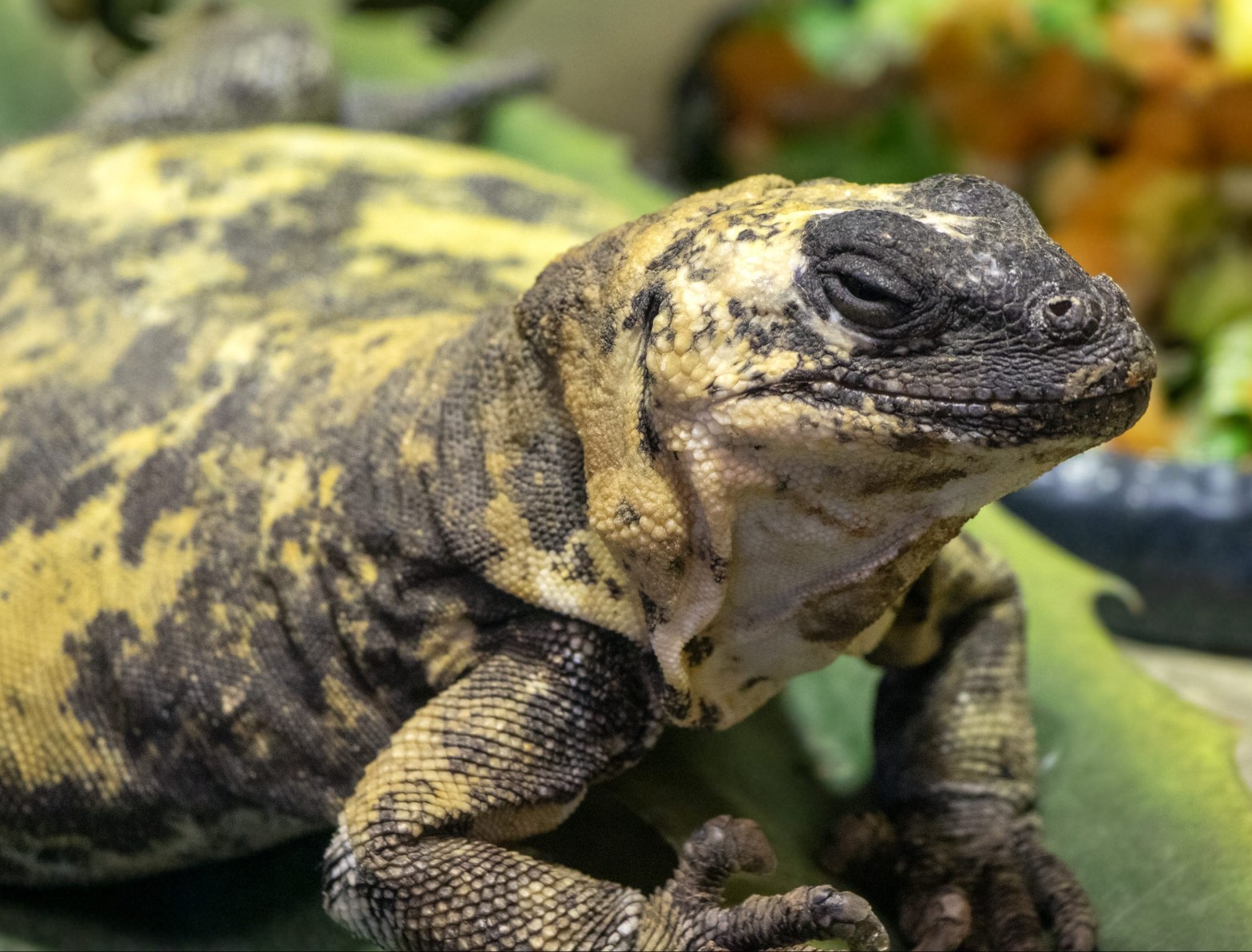
The San Esteban Chuckwalla is an endangered species. These lizards live only on the small Mexican island of San Esteban in the Gulf of California. Chuckwallas are mainly herbivores that occasionally eat insects. They don’t drink water, instead, they get water from the plants they eat. Instead of urinating chuckwallas have a unique way ofContinueContinue reading “On one island”
What animal has no heart, no brain, no blood?
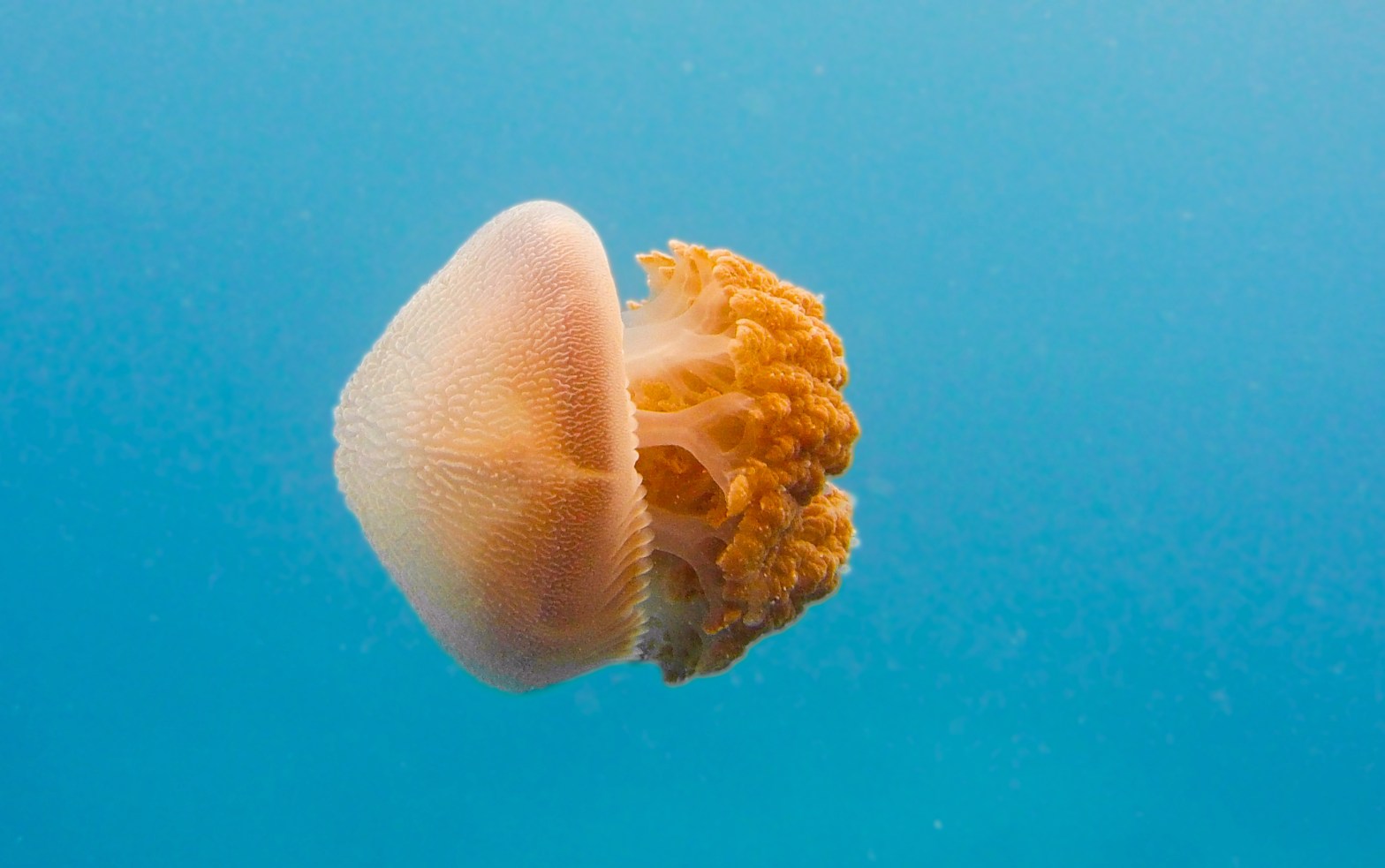
Jellyfish! These unique creatures are mesmerizing. I have always been fascinated by the way they glide through the water. This is a blubber jelly that I saw while diving on The Great Barrier Reef in Australia. https://videopress.com/v/CobOHSOo?preloadContent=metadata The blubber jelly doesn’t have a mouth instead it has tiny openings of each of its eight tentacles.ContinueContinue reading “What animal has no heart, no brain, no blood?”
One tough Cookie
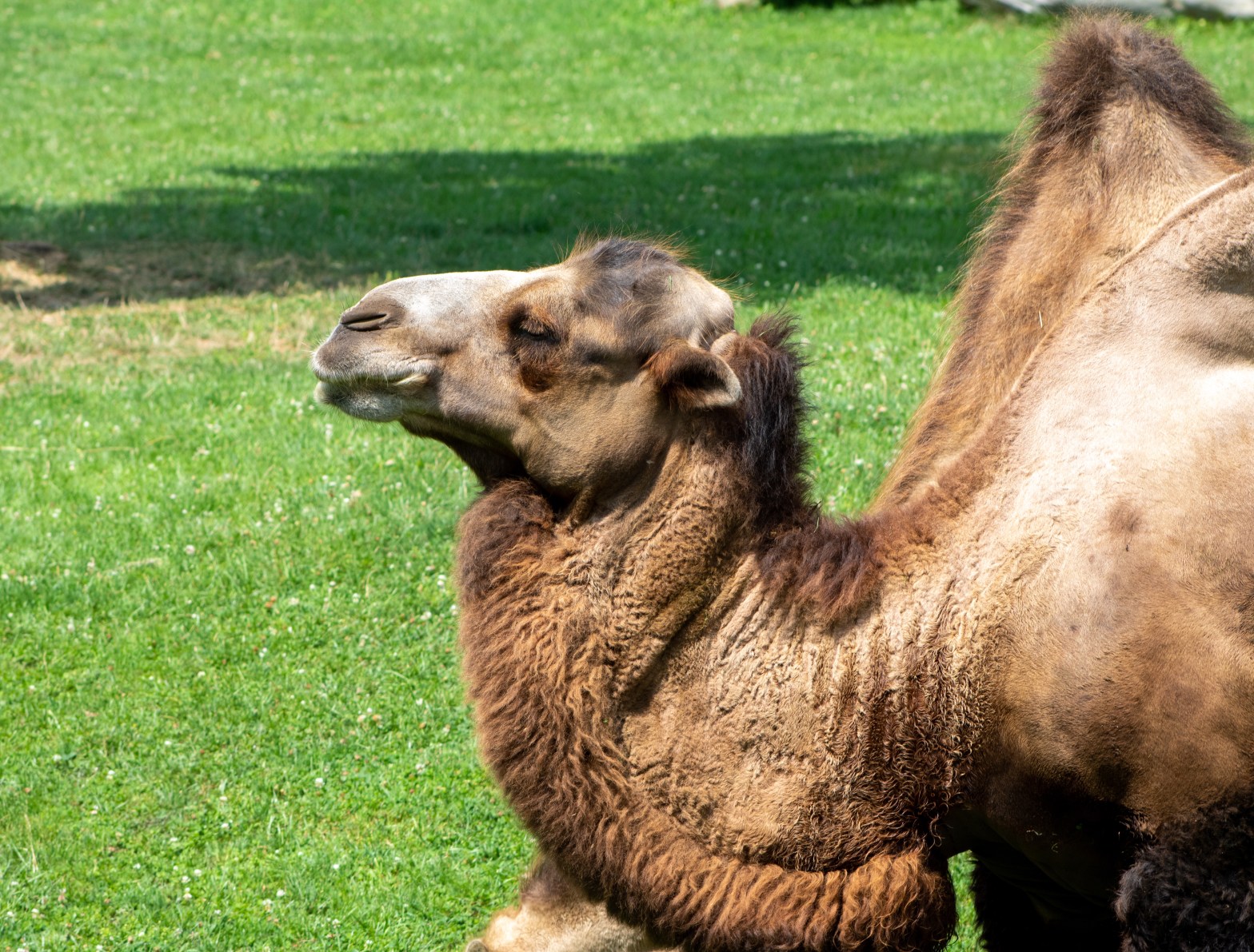
Bactrian camels are built to survive in one of the most hostile regions on earth, The Gobi Dessert. They are one of the few mammals that can eat snow as a way to quench their thirst. They are the only land mammals capable of drinking brackish/salty water with no negative effects. It is a commonContinueContinue reading “One tough Cookie”
Chinese Dragons
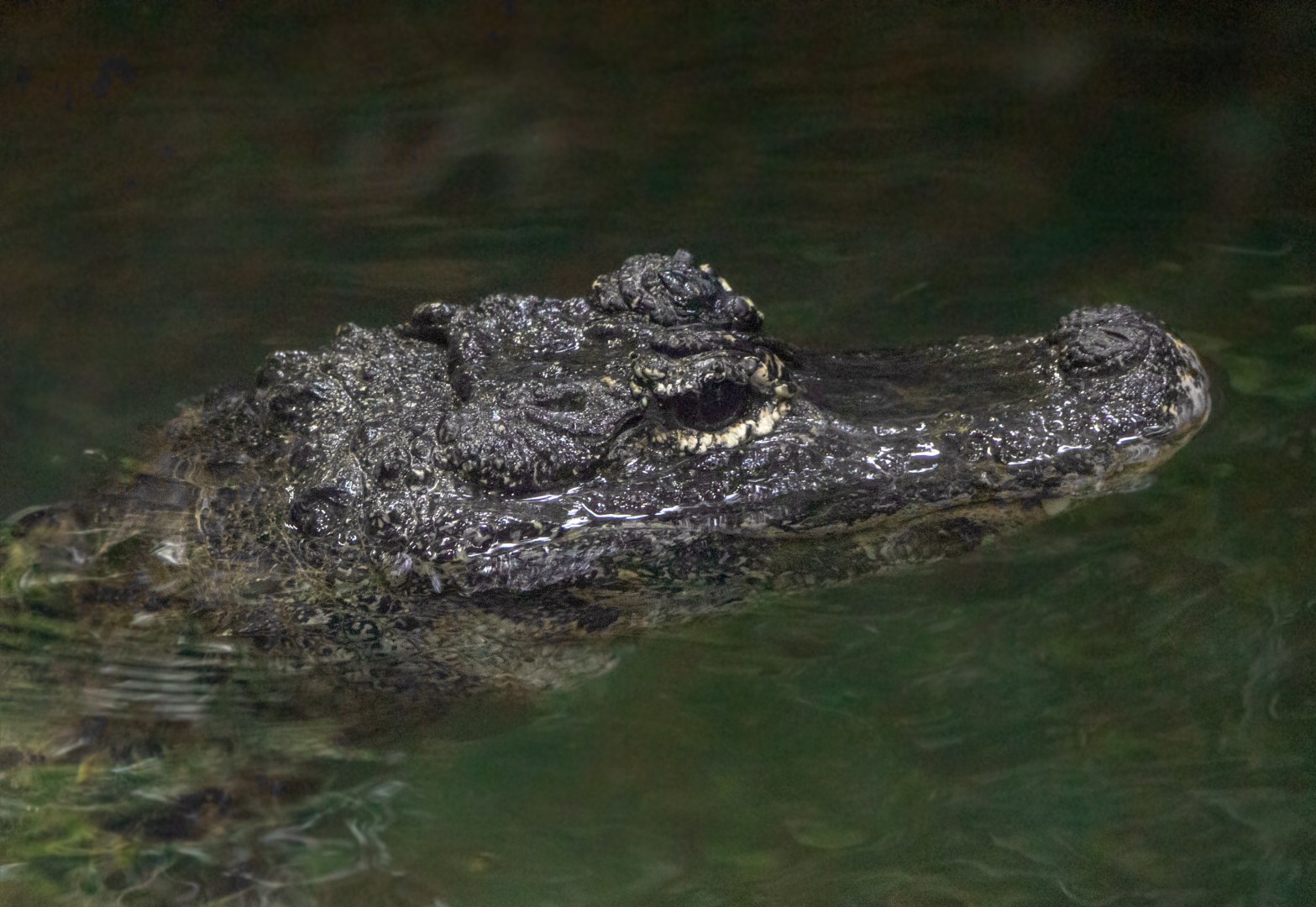
The Chinese alligator is Critically Endangered! There are less than 150 left in the wild. Habitat loss, climate change, and pollution are their biggest threats. The Chinese alligator is one of the smaller species of crocodilians. Adult males are 5-7ft, and females 4-5ft. During late October these alligators dig burrows where they brumate until April.ContinueContinue reading “Chinese Dragons”
Why the long face?..
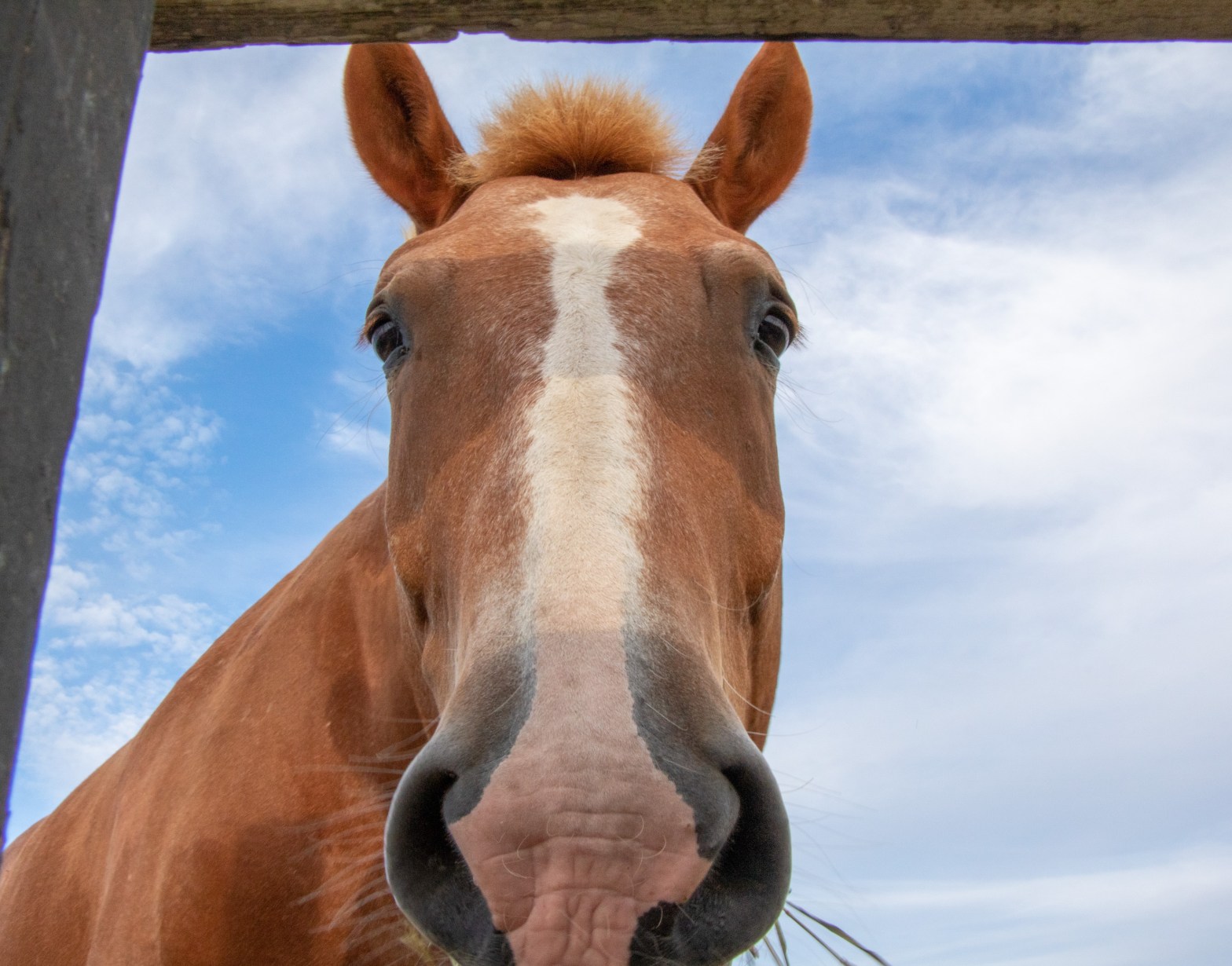
….Huge teeth A horse’s teeth take up more space in their head than their brain does. Horses have the largest eyes of any land mammal. Having eyes on the sides of their head allows them to see almost 360 degrees. The only wild horse species left is the Przewalski’s horse, and they are endangered. OnceContinueContinue reading “Why the long face?..”
A Global Conservation Story
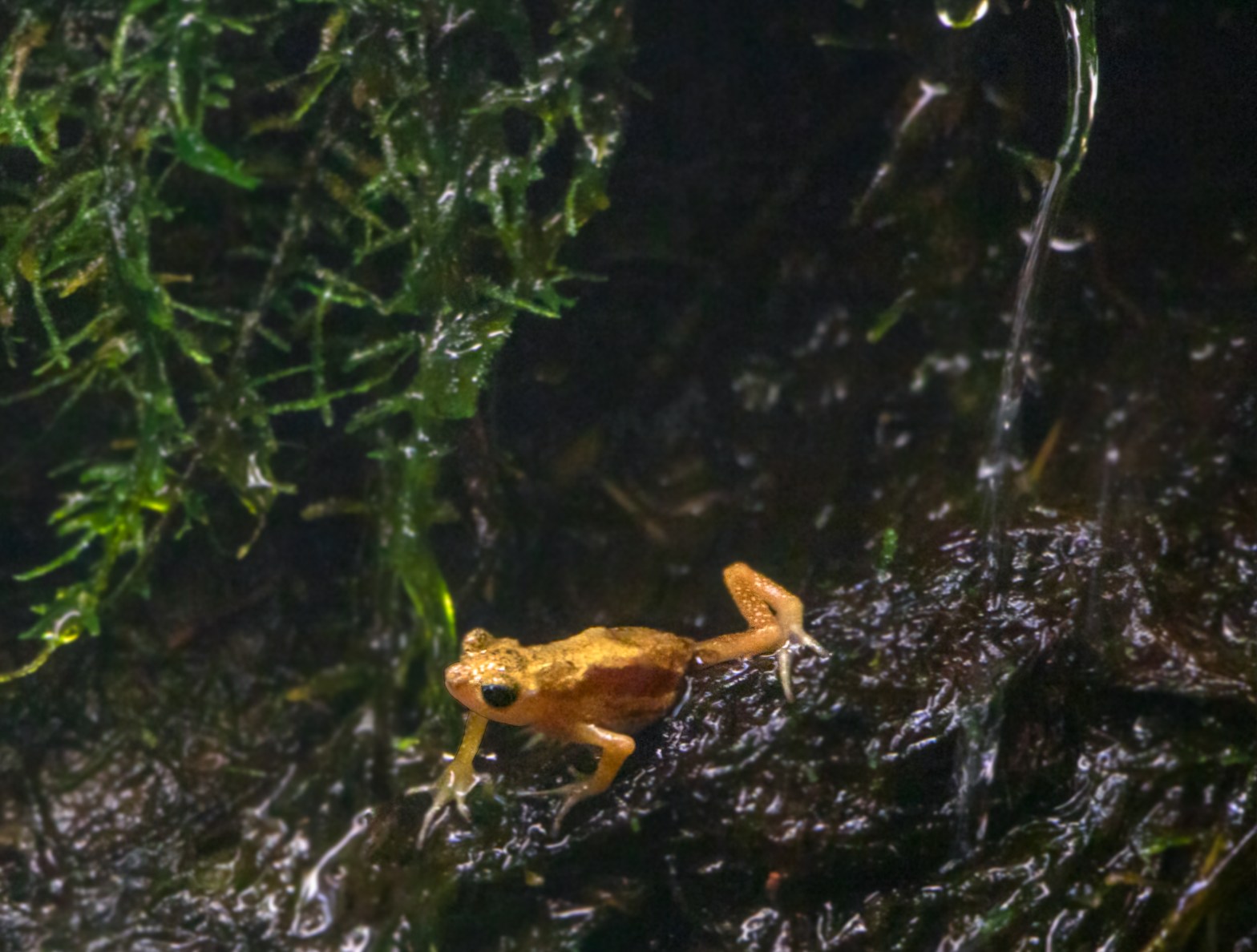
The Kihansi Spray Toad is the first extinct in the wild amphibian to be reintroduced to its natural habitat, the Kihansi Falls in the Udzungwa Mountains in Tanzania, Africa. This toad lives only in the spray zone of the falls, where there is plenty of mist. In 2000 the water flow was diverted to powerContinueContinue reading “A Global Conservation Story”
See no evil, hear no evil, speak no evil
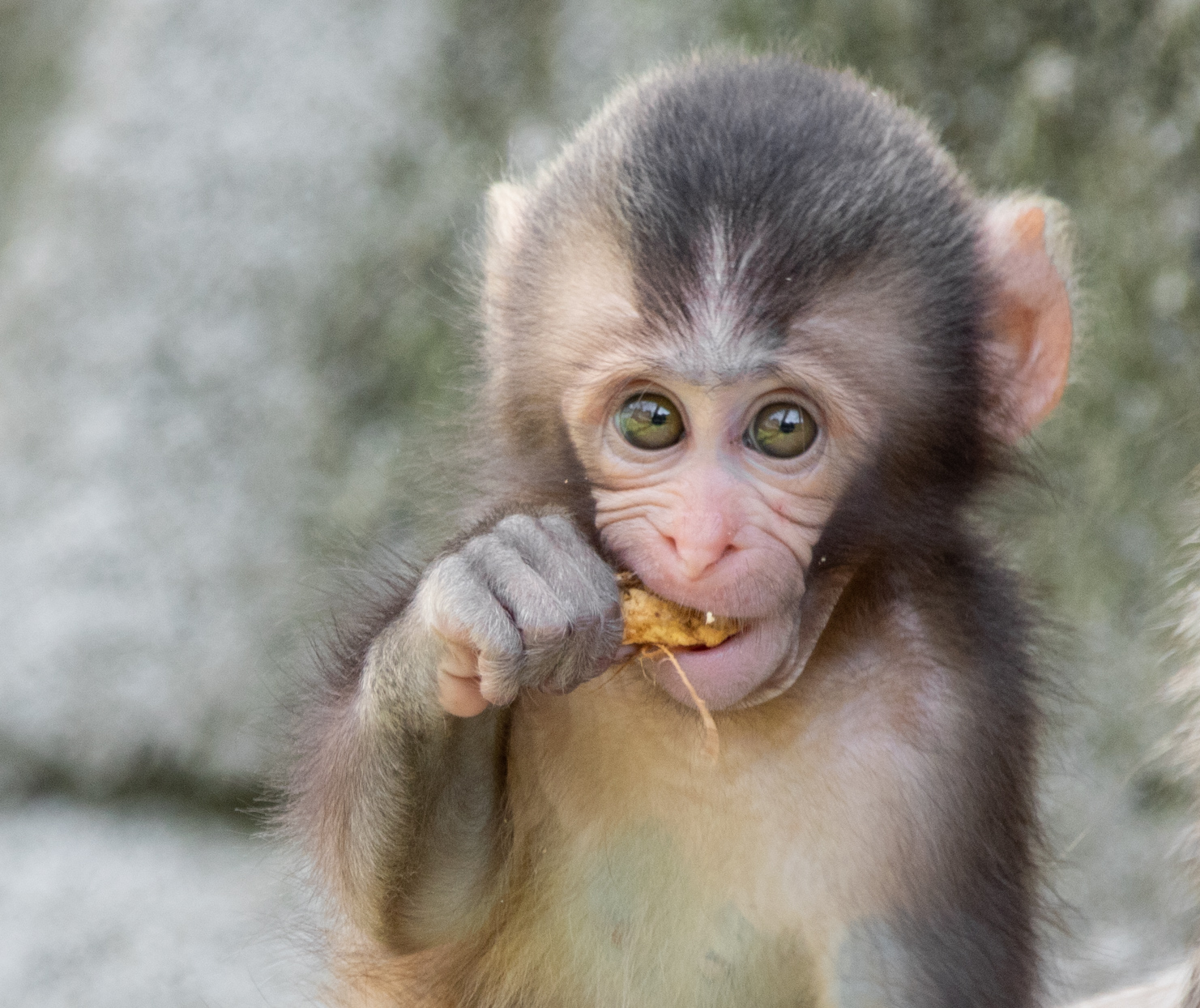
Japanese Macaques, also known as snow monkeys, are the most northern-living non-human primates on Earth. These monkeys are famous for bathing in hot springs surrounded by snow. They live in matrilineal family groups. This means that the females remain with the group that they were born into, and the daughters inherit their mother’s rank, whileContinueContinue reading “See no evil, hear no evil, speak no evil”
Cute but resilient
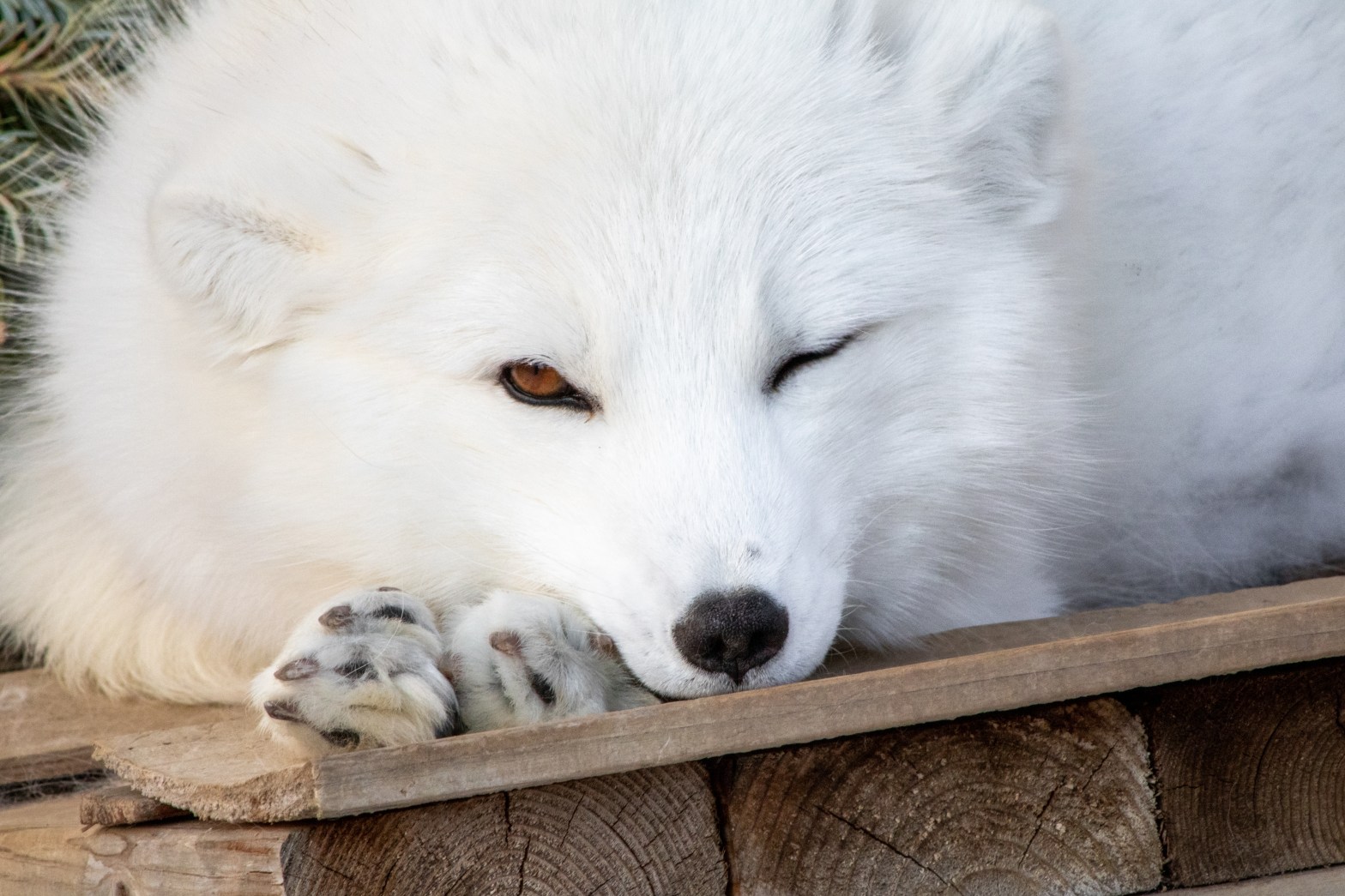
Arctic foxes are tough little creatures that can survive in temperatures as low as -50℃ (-58℉ ). Their thick fur, short legs, and round bodies help to keep them warm. They hunt lemmings, voles, fish, and eat berries, eggs, and seaweed. In winter when food is scarce arctic foxes will follow polar bears at aContinueContinue reading “Cute but resilient”
The Unseen Turtle
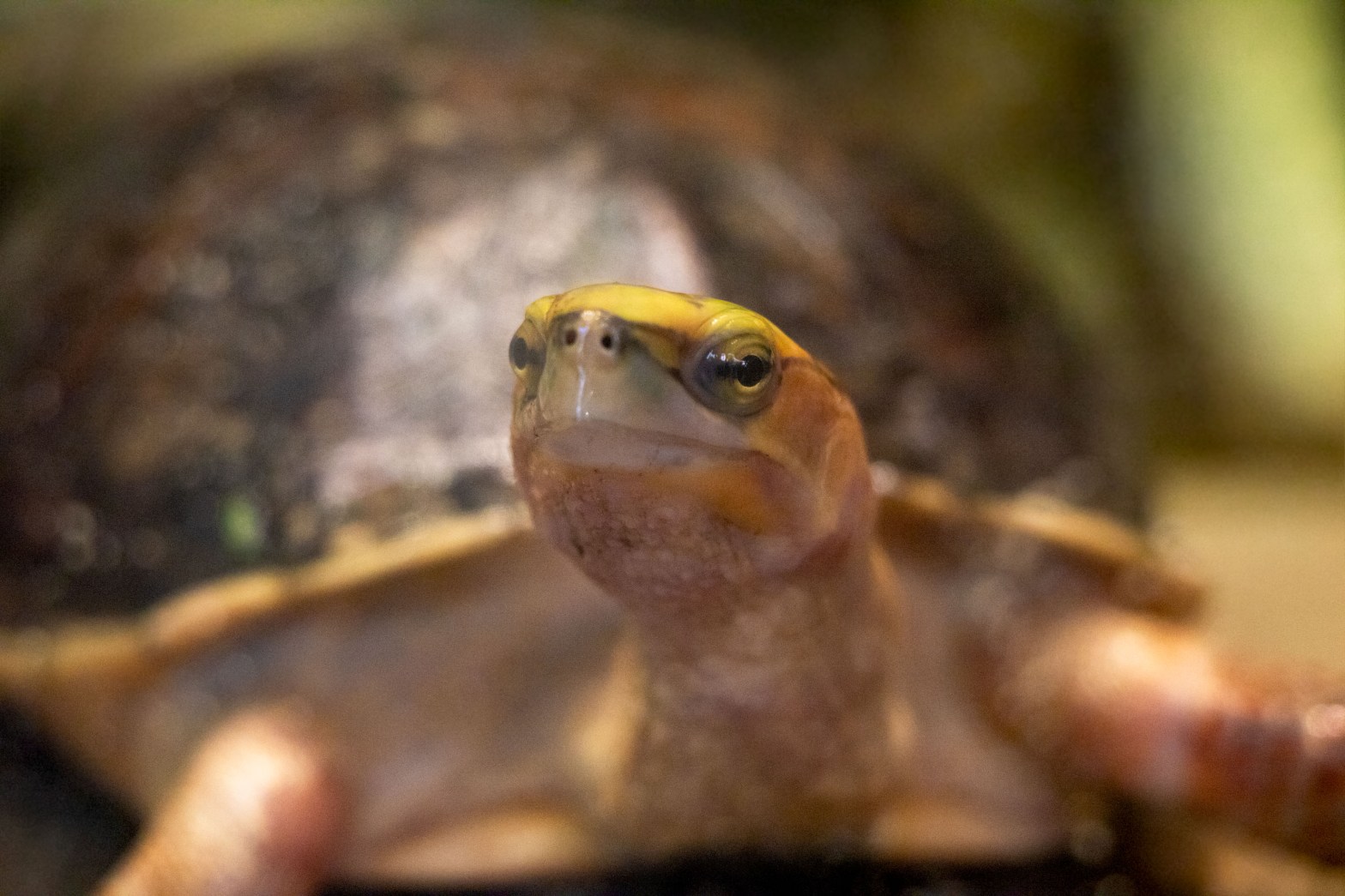
The McCord’s box turtle is CRITICALLY ENDANGERED. They are native to China, where they are often harvested for traditional Chinese medicine and the illegal pet trade. They are also threatened by habitat loss and pollution. A herpetologist first described this species in 1998 when he saw it at a Chinese market. It wasn’t until 2007ContinueContinue reading “The Unseen Turtle”
 Eye of the Wild Photography