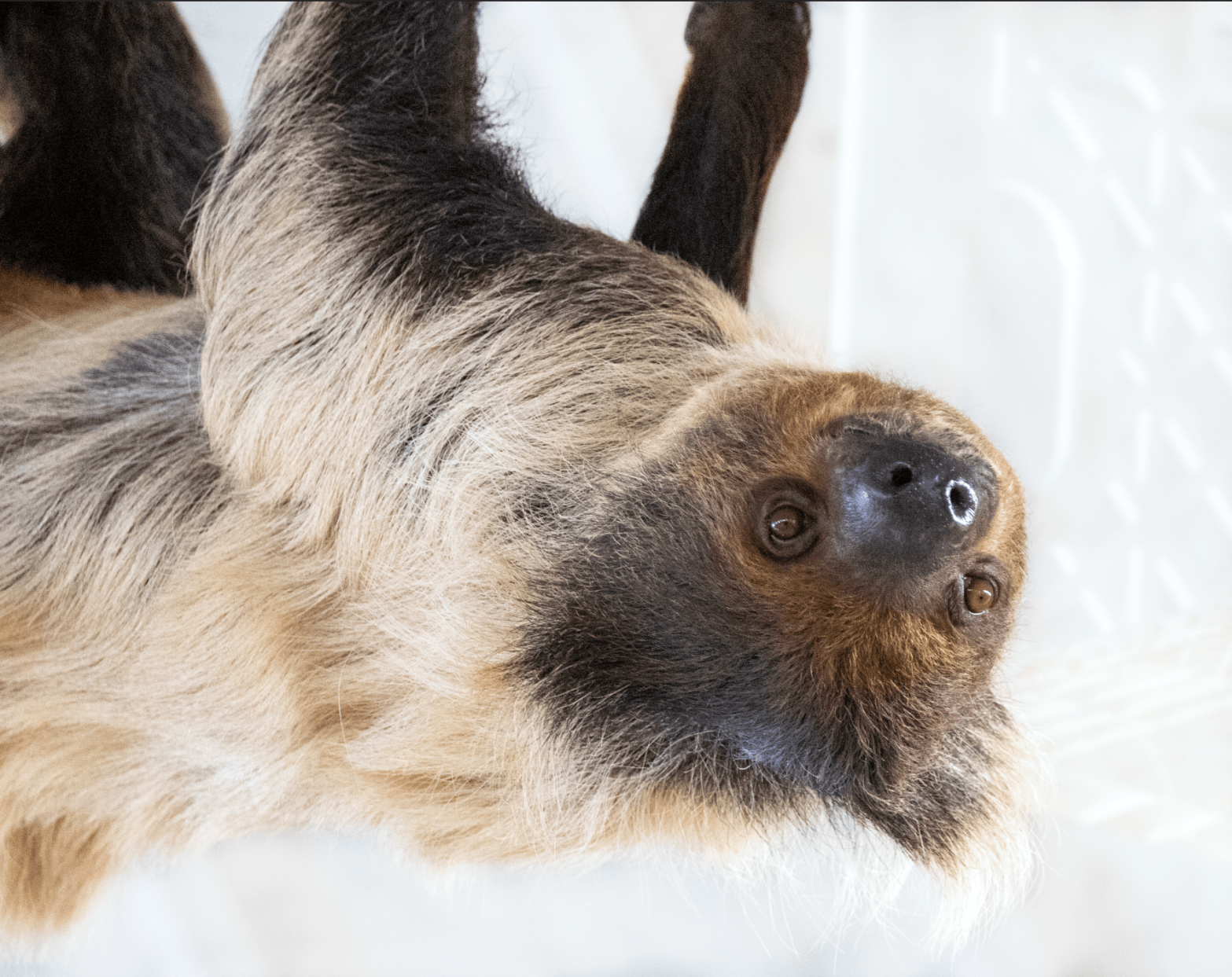
Sloths are native Central and South America. All sloths have 3 toes on their back feet, but two-toed sloths only have 2 toes on their forelimbs. This is a two-toed sloth. You can see that the front limbs have two toes while the back have three. They spend most of their time hanging out inContinueContinue reading “Living in Slow Motion”
Tag Archives: Cute animals
Squirrels………..are pink?
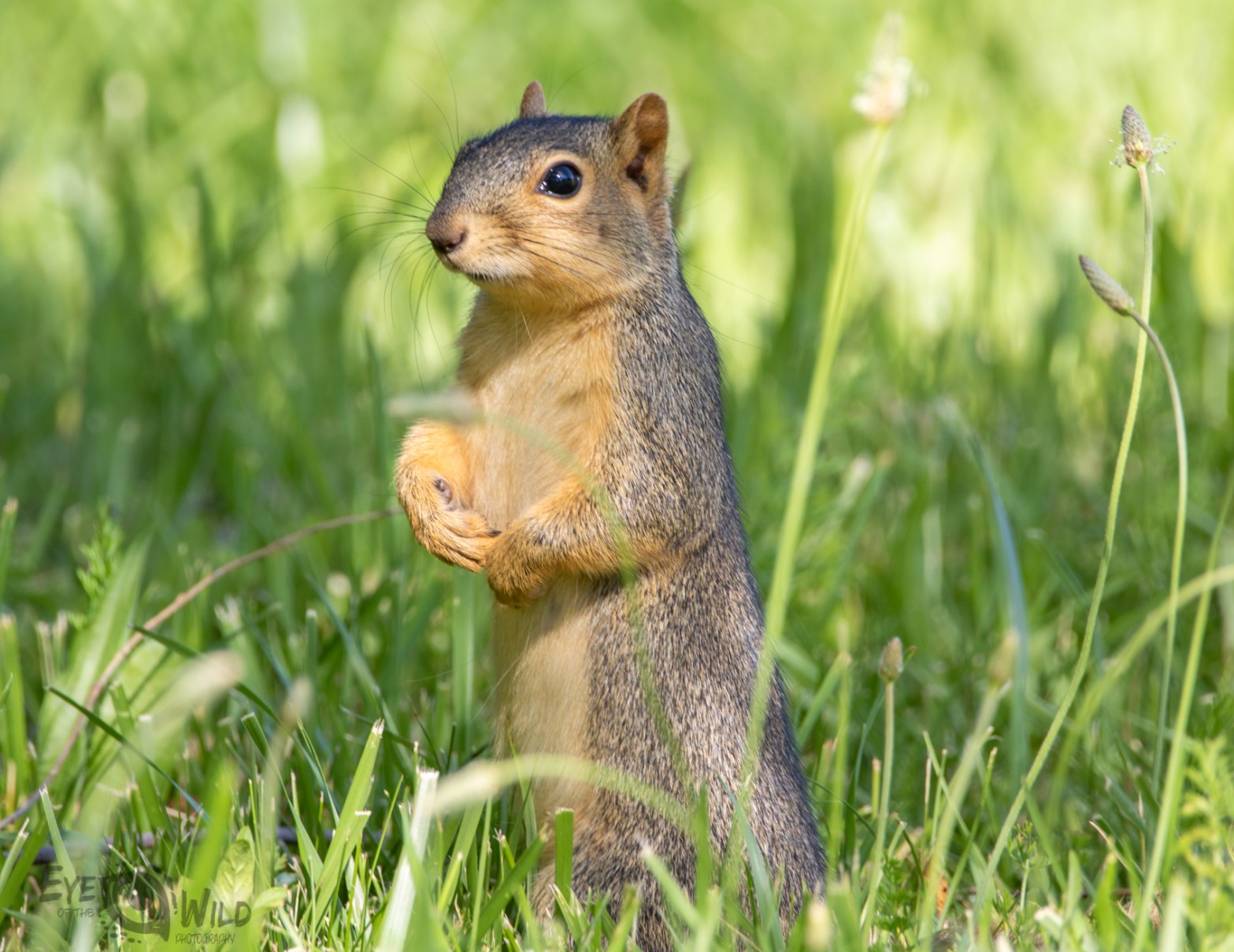
Pink Bones!! That’s right, fox squirrels’ bones glow pink under ultraviolet light. This occurs because of a build up of a chemical compound called porphyrin. Eastern fox squirrels are the largest species of tree squirrels native to North America. They are common across the eastern United States, but are also found in southern parts ofContinueContinue reading “Squirrels………..are pink?”
A Mob of Meerkats
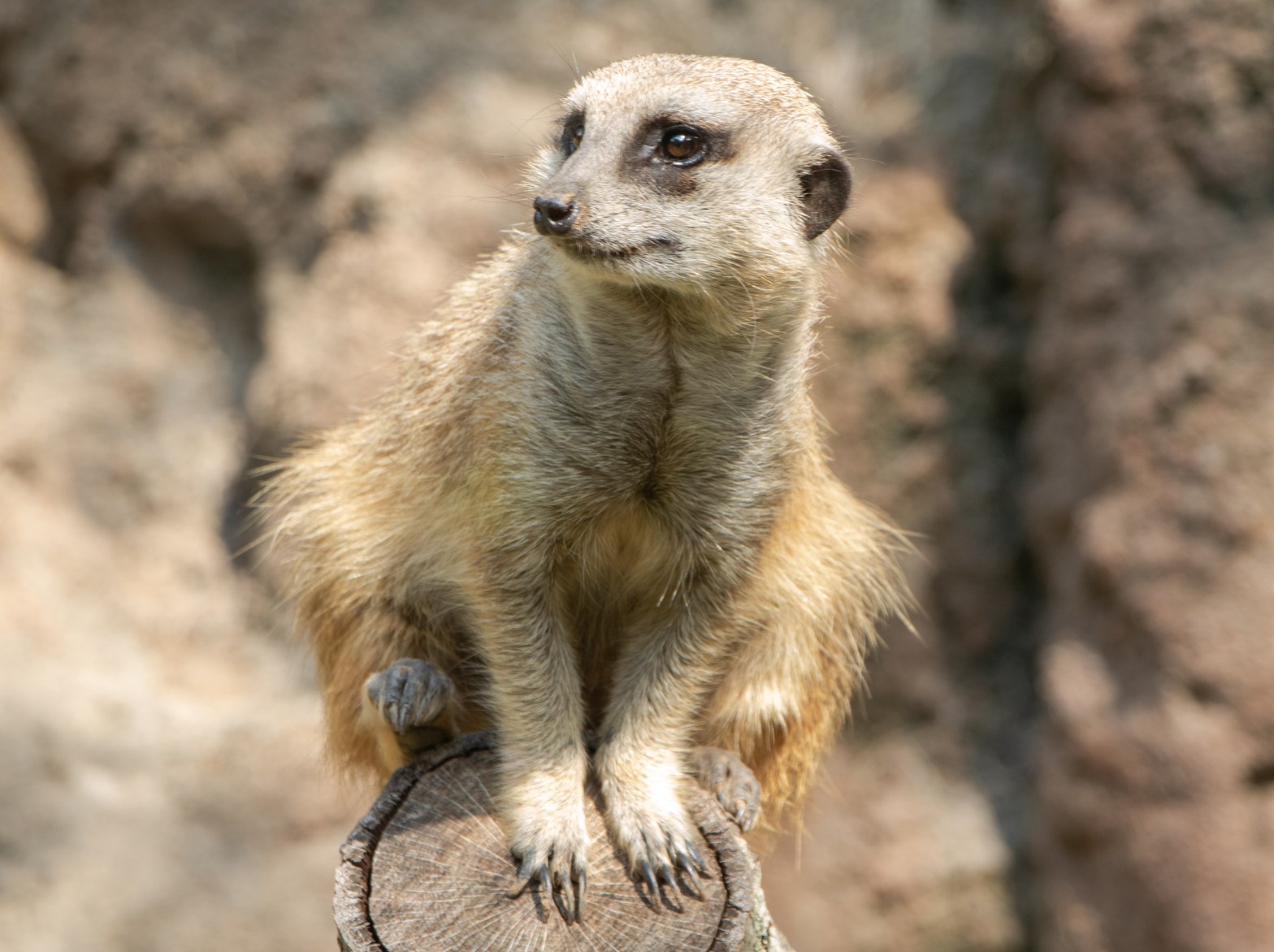
Meerkats are members of the mongoose family. They live in the African savannah and yes like Timon they do eat insects, grubs and termites. They also eat scorpions, luckily they are immune to most venoms. Meerkats live in large groups called mobs, clans or gangs. The mob is led by an alpha female, called theContinueContinue reading “A Mob of Meerkats”
Running out of space
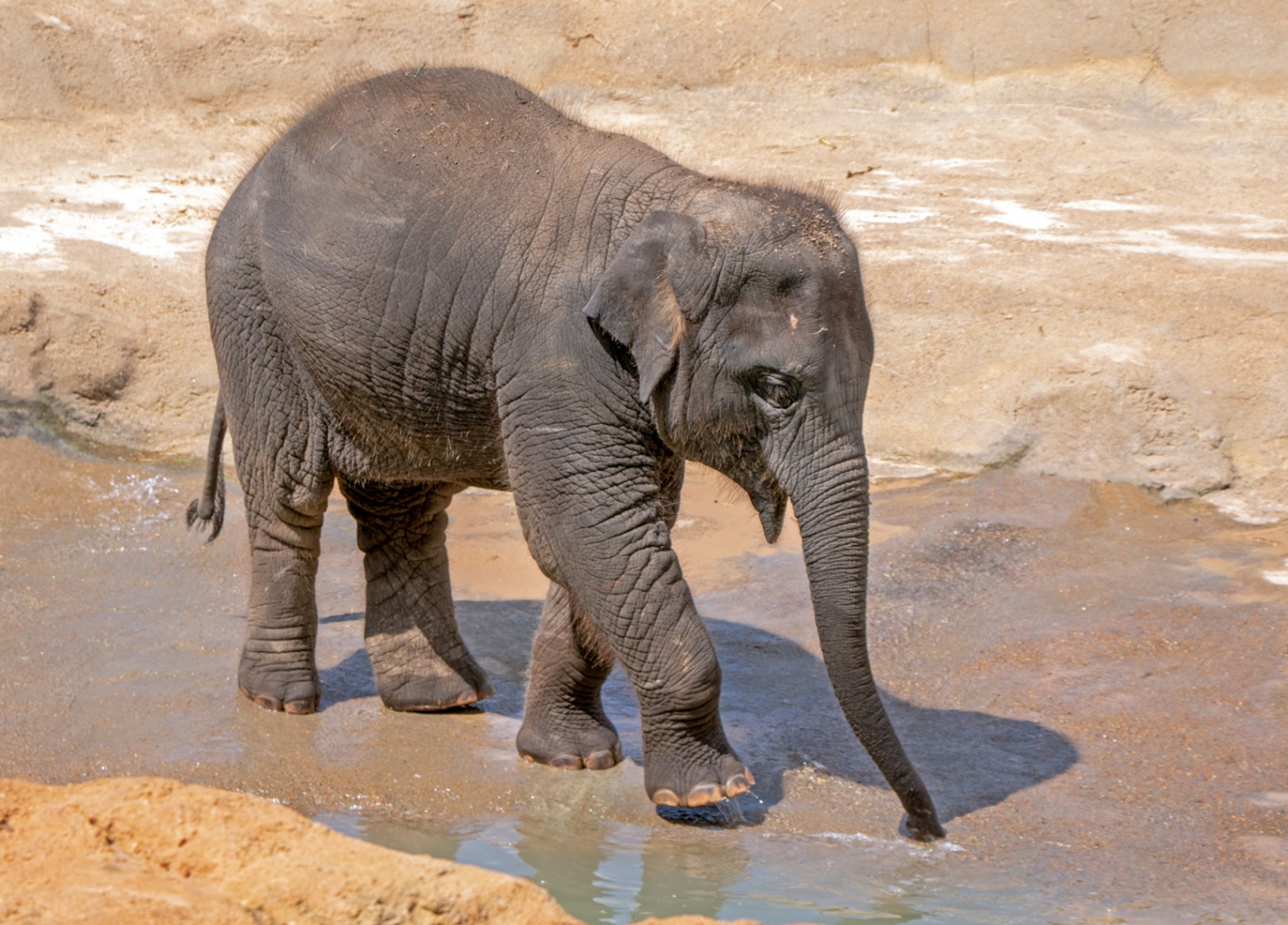
Endangered Asian Elephants
Flying Monkeys
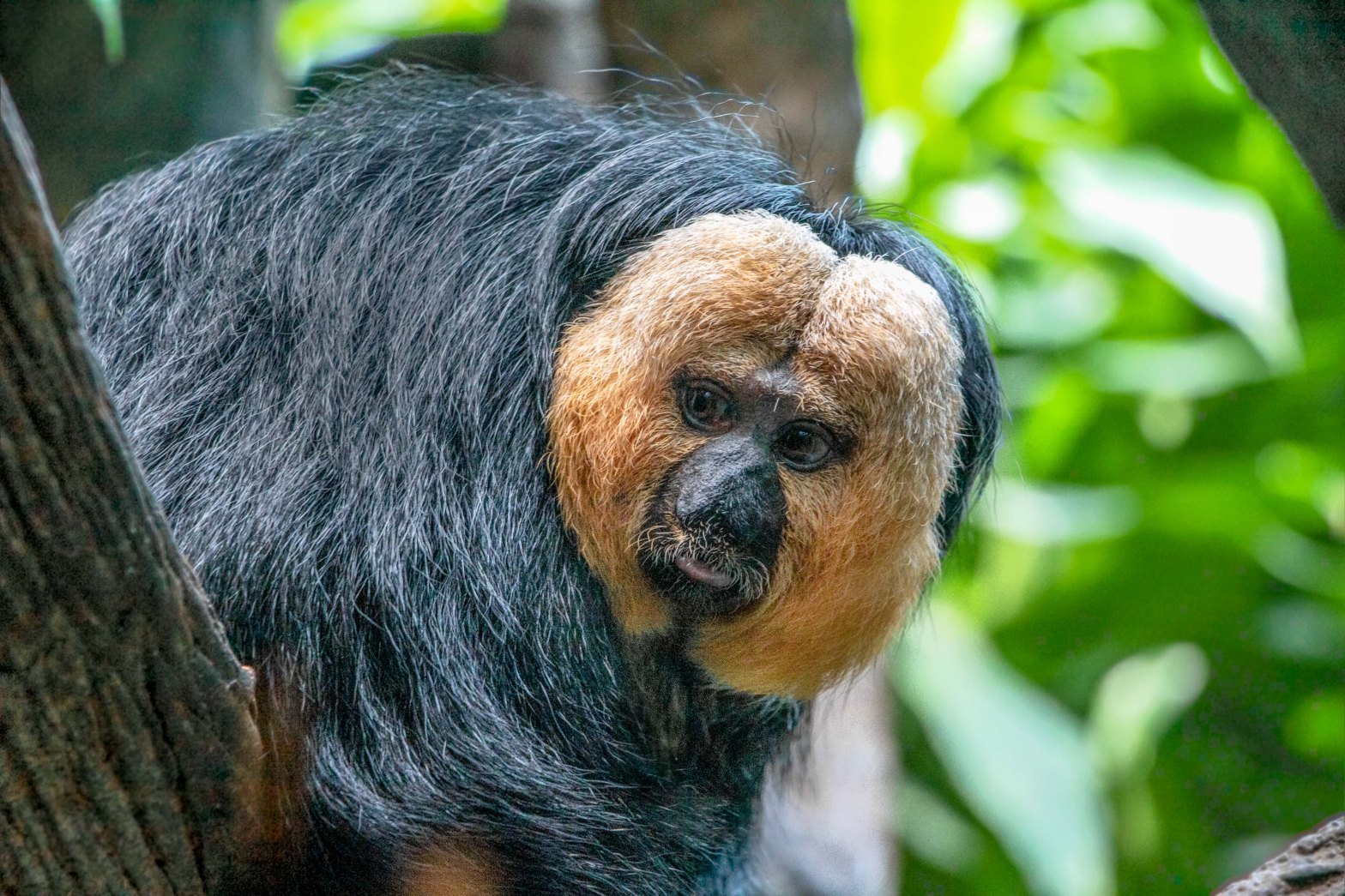
White-faced sakis are nicknamed “flying monkeys” because of their impressive leaps between trees. They can leap up to 33 ft in a single bound. Only the males have a white face, the females have a black/gray face. These monkeys live in the northern part of South America. Their diet consists of fruit, seeds, leaves, andContinueContinue reading “Flying Monkeys”
Why the long face?..
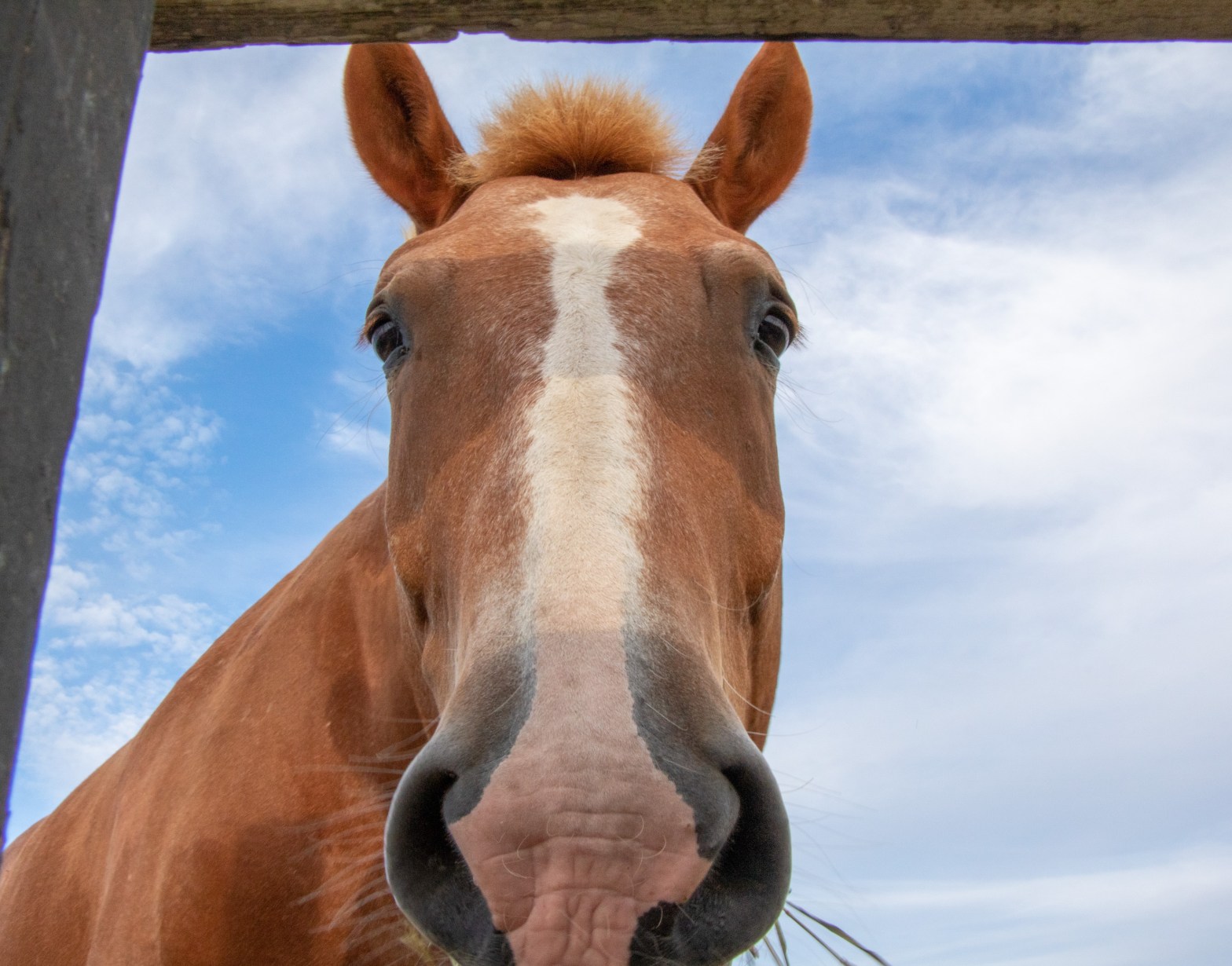
….Huge teeth A horse’s teeth take up more space in their head than their brain does. Horses have the largest eyes of any land mammal. Having eyes on the sides of their head allows them to see almost 360 degrees. The only wild horse species left is the Przewalski’s horse, and they are endangered. OnceContinueContinue reading “Why the long face?..”
See no evil, hear no evil, speak no evil
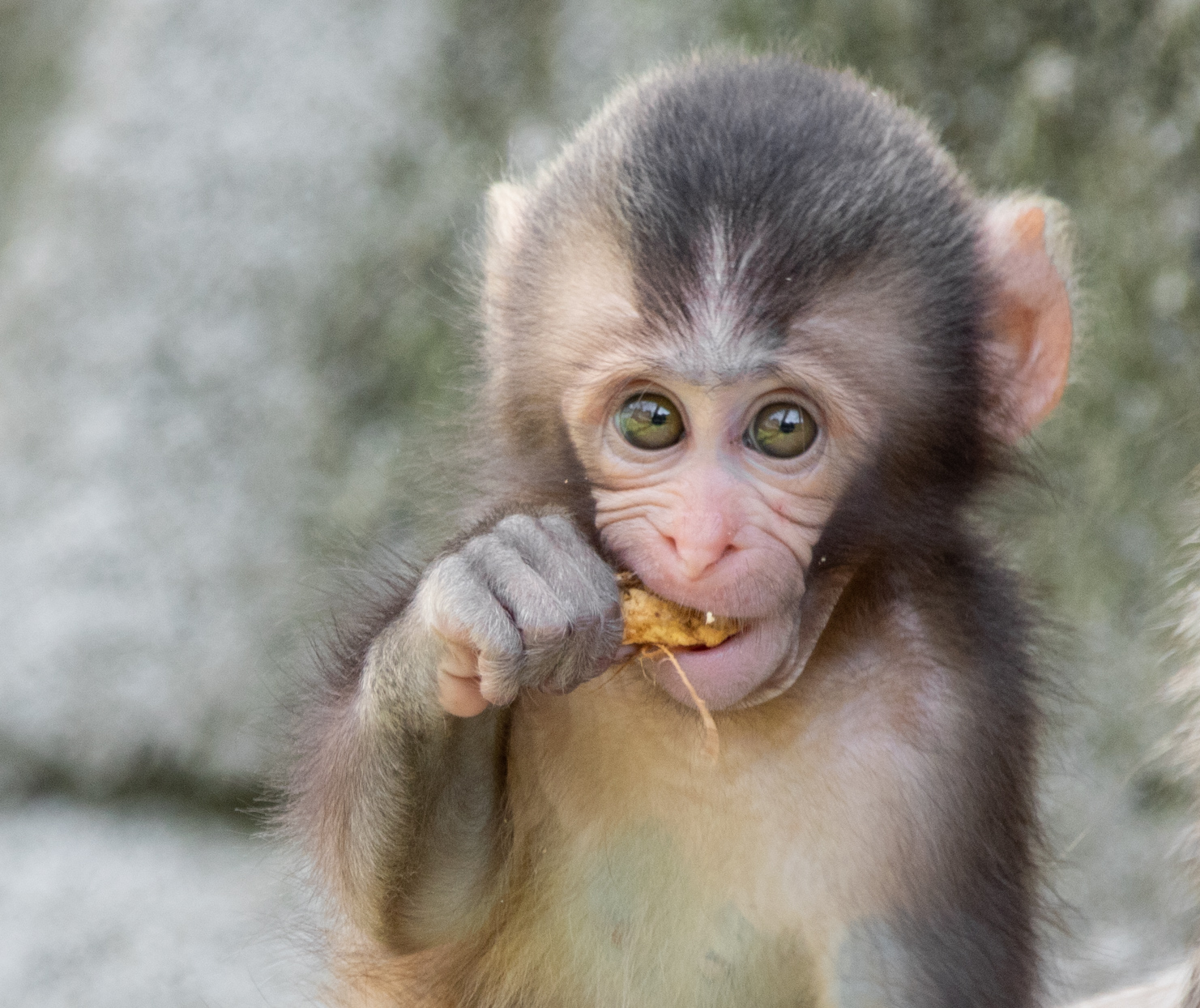
Japanese Macaques, also known as snow monkeys, are the most northern-living non-human primates on Earth. These monkeys are famous for bathing in hot springs surrounded by snow. They live in matrilineal family groups. This means that the females remain with the group that they were born into, and the daughters inherit their mother’s rank, whileContinueContinue reading “See no evil, hear no evil, speak no evil”
Cute but resilient
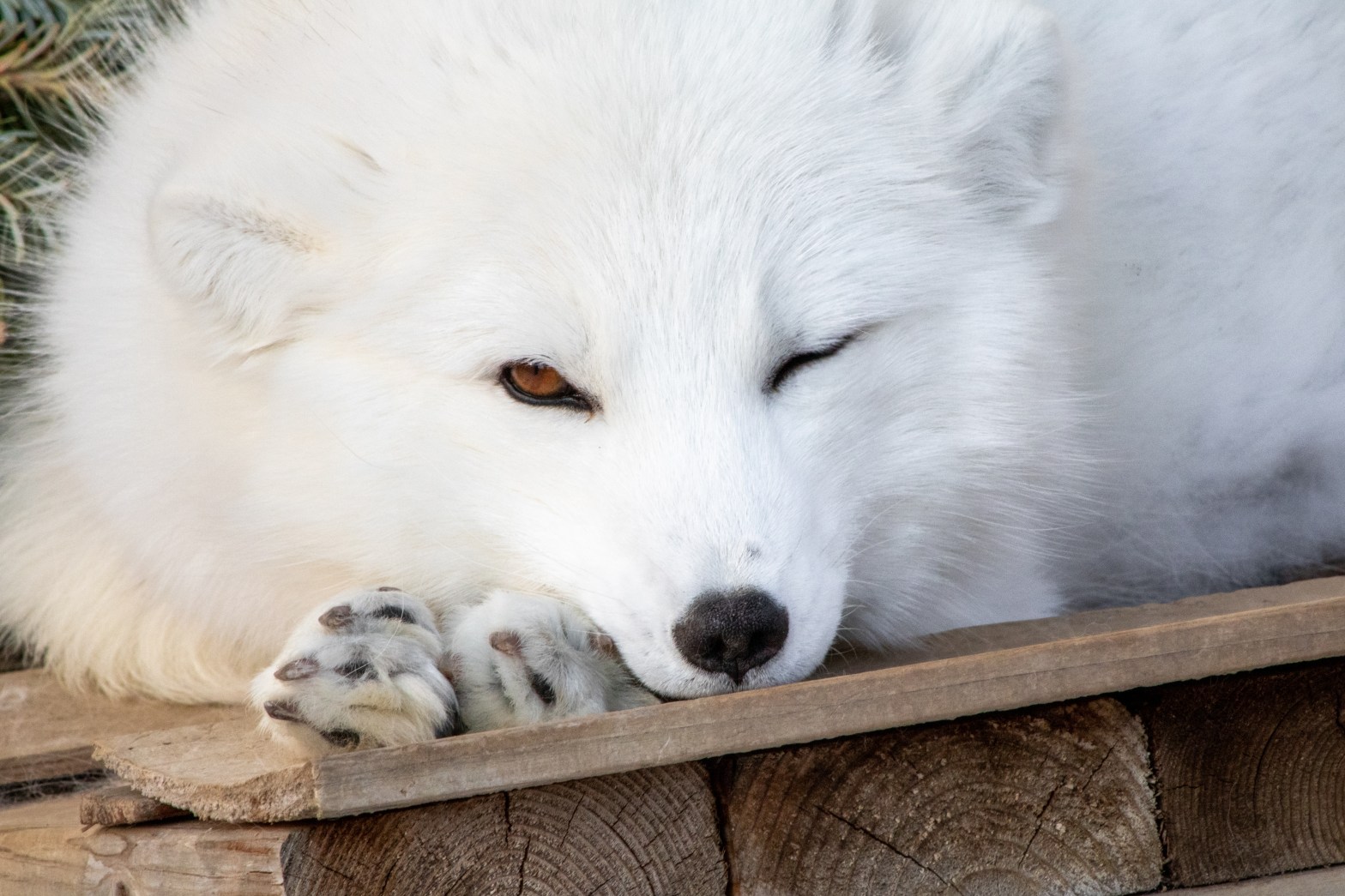
Arctic foxes are tough little creatures that can survive in temperatures as low as -50℃ (-58℉ ). Their thick fur, short legs, and round bodies help to keep them warm. They hunt lemmings, voles, fish, and eat berries, eggs, and seaweed. In winter when food is scarce arctic foxes will follow polar bears at aContinueContinue reading “Cute but resilient”
Monkeys with caps
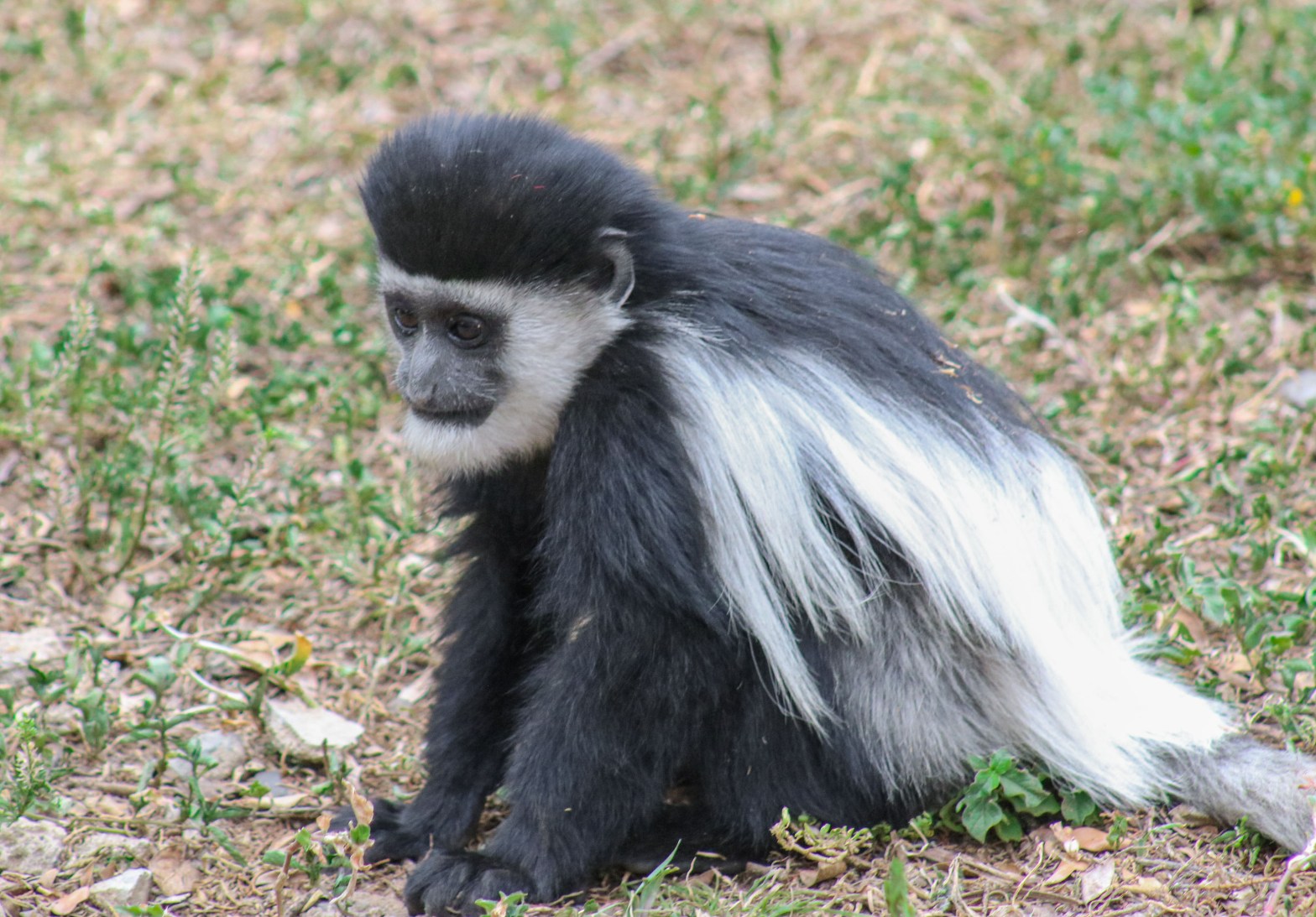
The Eastern Black Colobus Monkey. They can leap up to 25ft from tree to tree, using their long fur as a sort of parachute. The name “colobus” comes from the Greek word for mutilated, because their thumbs are just nubs. They are hunted for their fur which is used to make hats and capes. TheyContinueContinue reading “Monkeys with caps”
The Great Gerenuk
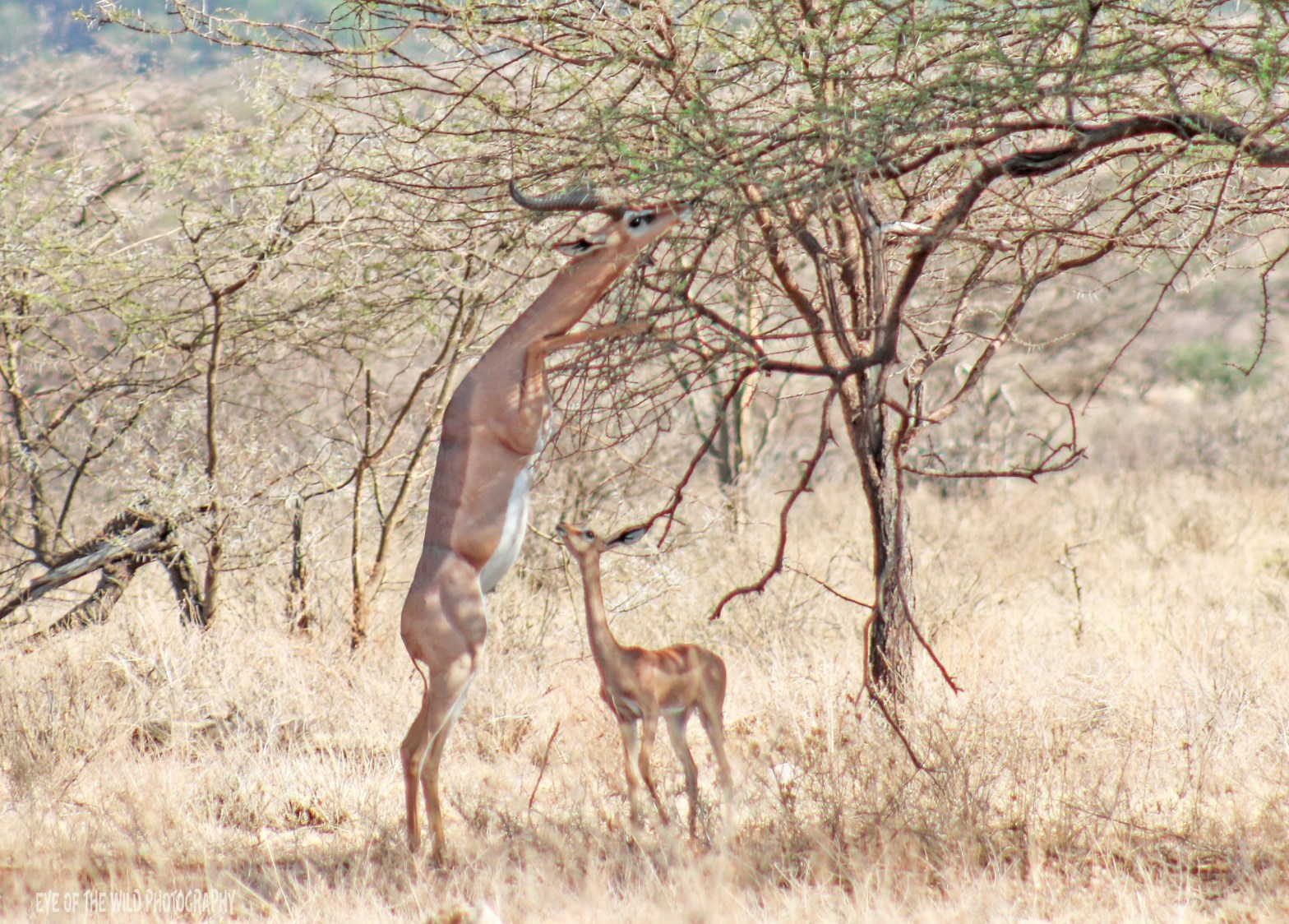
Gerenuks are considered near threatened by the IUCN. Meaning that their population is decreasing. Their biggest threat is the loss and fragmentation of their habitat. Gerenuks are also known as giraffe gazelles. In order to reach certain foods gerenuks stand on their hind legs and stretch out their necks.
 Eye of the Wild Photography