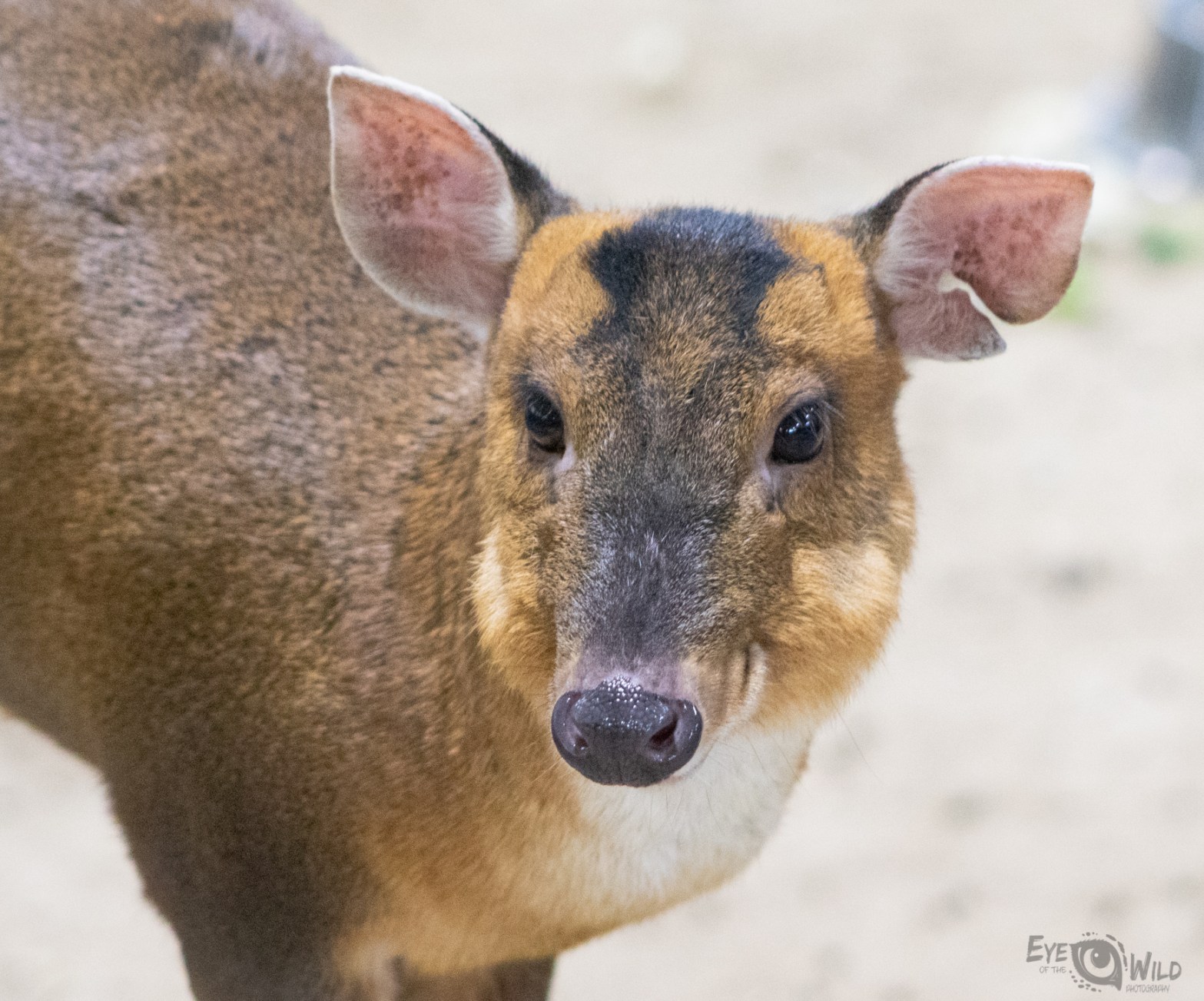
Meet Jill, a Reeves muntjac. Also known as a barking deer, because their alarm call sounds like a dog’s bark. Unlike most deer species, muntjacs don’t form herds; they live alone or in pairs. They have long tongues that they use to strip leaves off of bushes. Native to China and Taiwan their biggest threatsContinueContinue reading “Barking Deer”
Tag Archives: Conservation
Happy Earth Day!
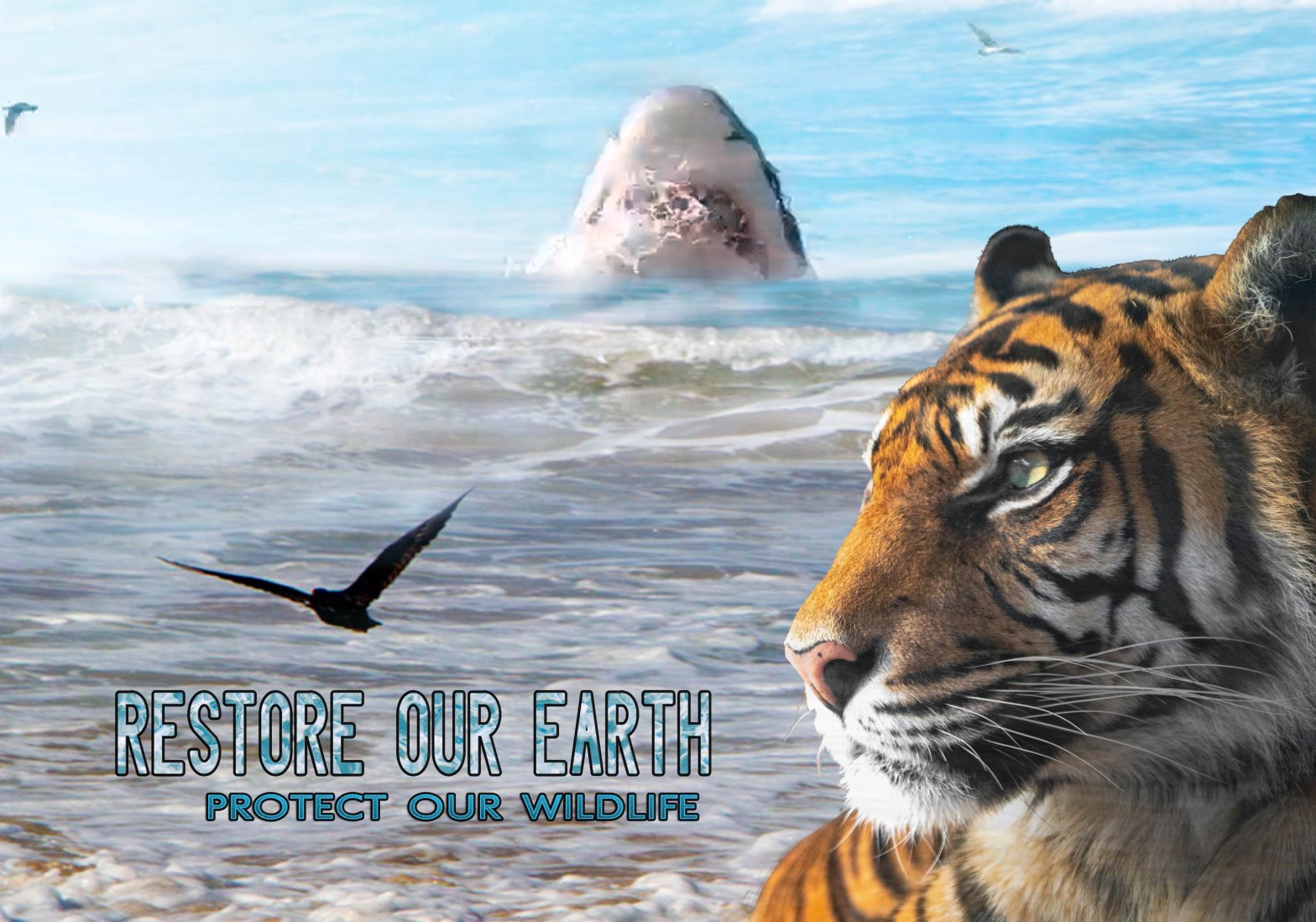
Thanks to the efforts of Senator Gaylord Nelson and the millions of Americans who participated in protests, demonstrations, and fundraisers Earth Day was born. The 1st Earth Day was April 22nd, 1970. The same year a flood of environmental legislation was passed and the EPA was created. In 1990 Earth Day went global with 141ContinueContinue reading “Happy Earth Day!”
Living in Slow Motion
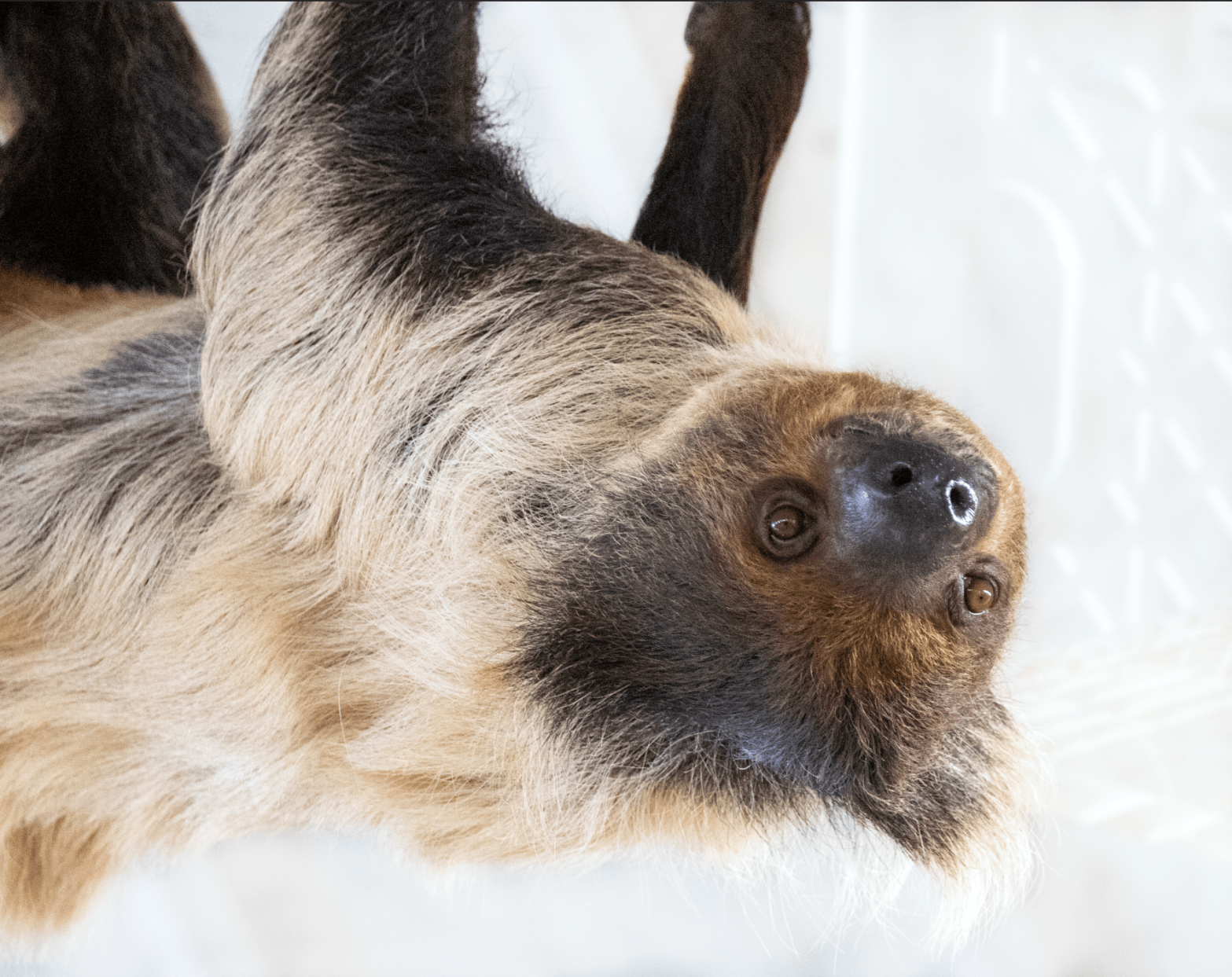
Sloths are native Central and South America. All sloths have 3 toes on their back feet, but two-toed sloths only have 2 toes on their forelimbs. This is a two-toed sloth. You can see that the front limbs have two toes while the back have three. They spend most of their time hanging out inContinueContinue reading “Living in Slow Motion”
A Reptile Like No Other
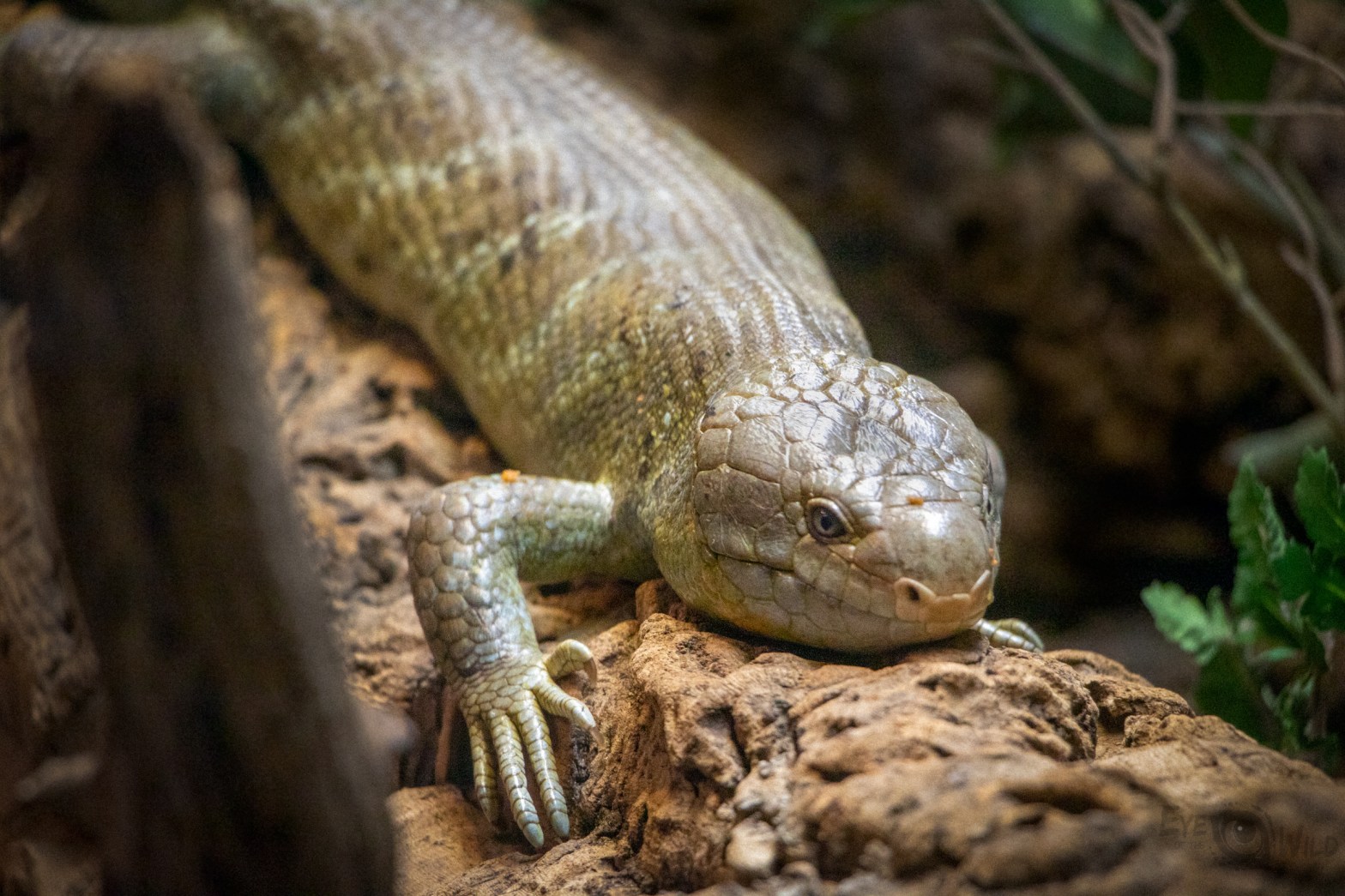
Prehensile-tailed skinks are very unique reptiles. They are the longest species of skinks reaching up to 32 inches in length. As their name suggests they have a prehensile tail, meaning they can grip objects with their tail. This is useful for these skinks since they are arboreal (live in the trees). They are native toContinueContinue reading “A Reptile Like No Other”
Oryx in the US…?
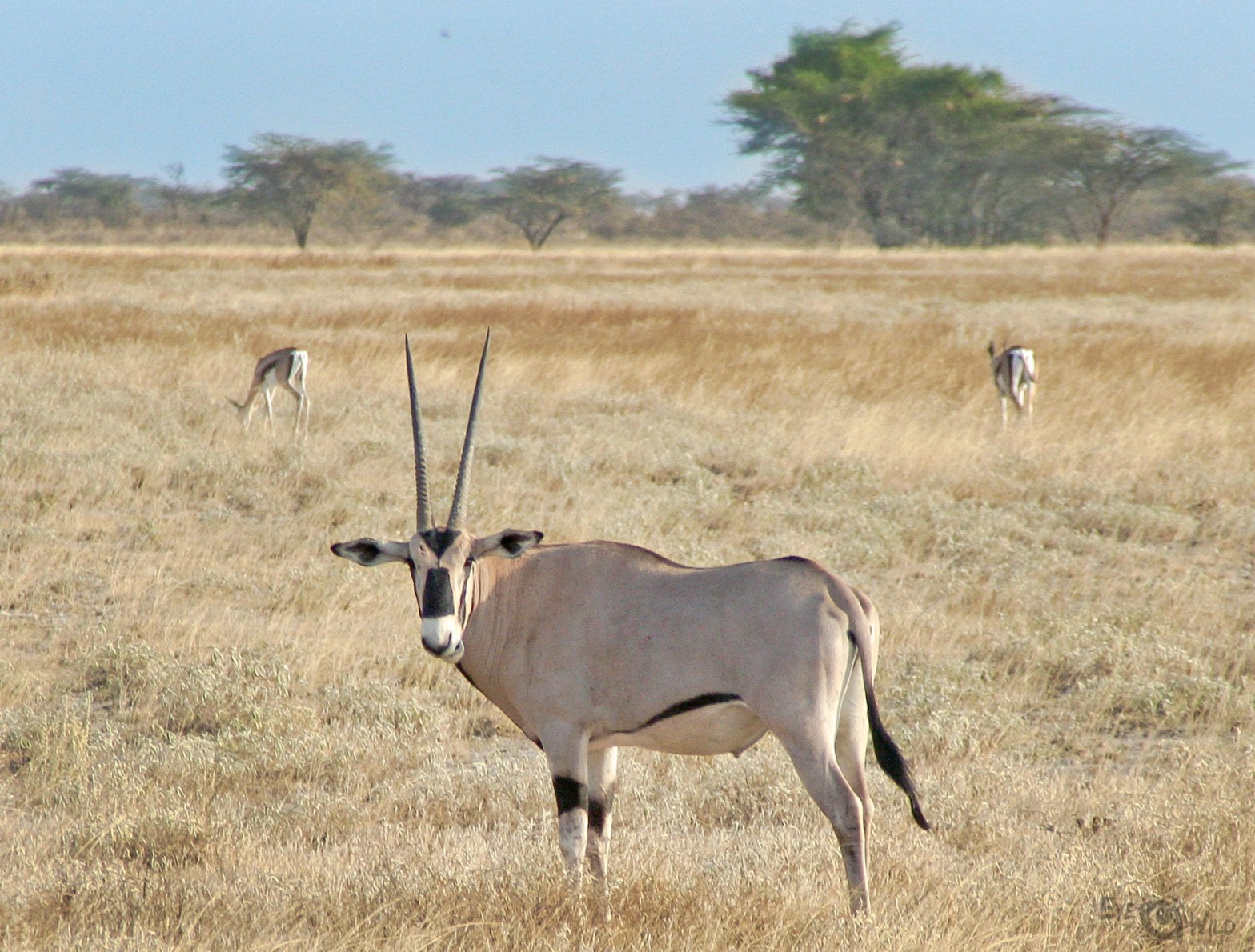
Yes. There are wild oryxes (gemsbok) in the U.S.A. No, they are not a native species. They are native to Africa. In the 1970s the New Mexico Department of Game and Fish wanted to increase “large game” opportunities for hunters. So they intentionally released 95 oryxes into New Mexico’s White Sands Missile Range. An AbundanceContinueContinue reading “Oryx in the US…?”
A Mob of Meerkats
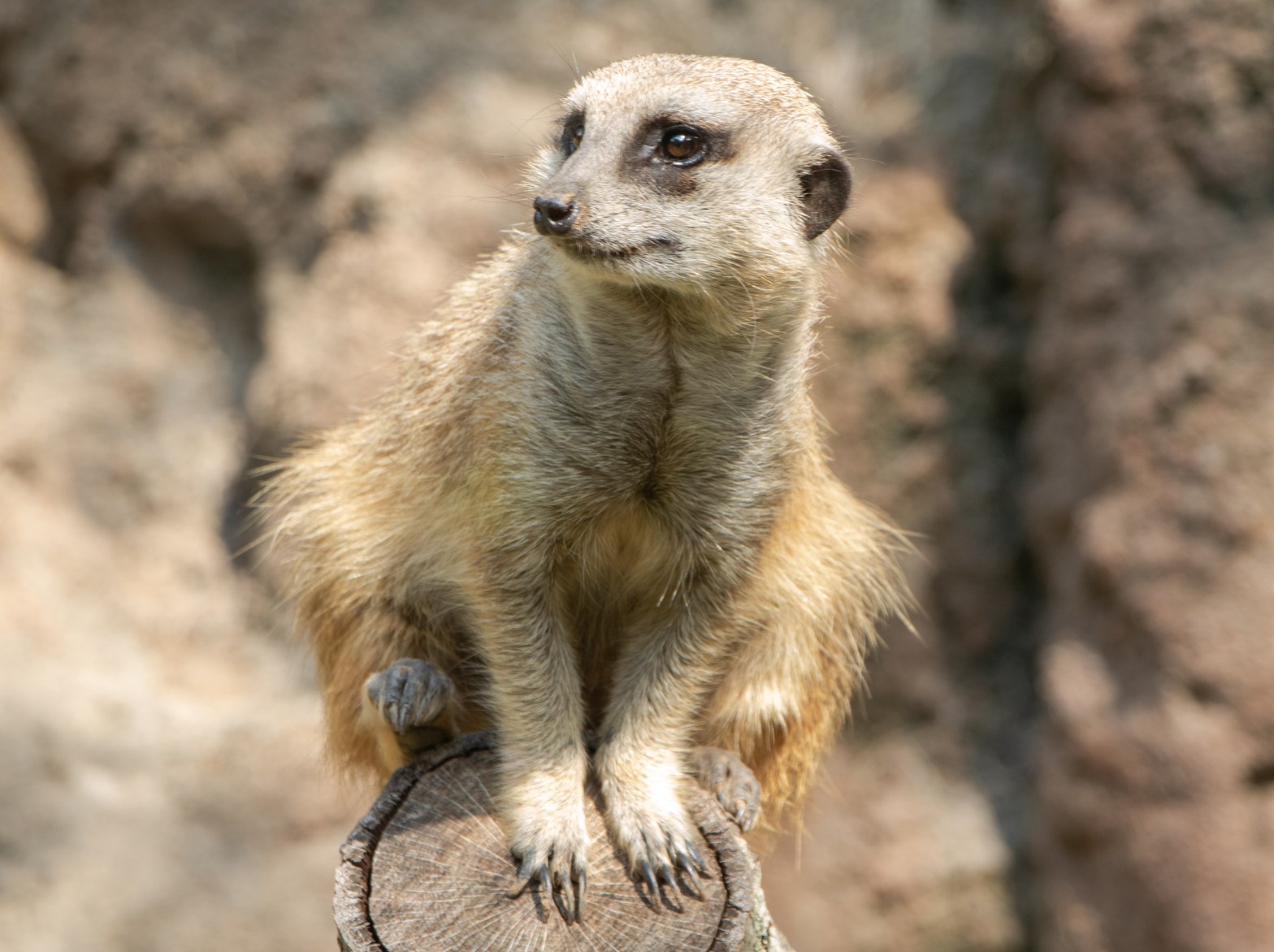
Meerkats are members of the mongoose family. They live in the African savannah and yes like Timon they do eat insects, grubs and termites. They also eat scorpions, luckily they are immune to most venoms. Meerkats live in large groups called mobs, clans or gangs. The mob is led by an alpha female, called theContinueContinue reading “A Mob of Meerkats”
Golden-headed lion tamarin
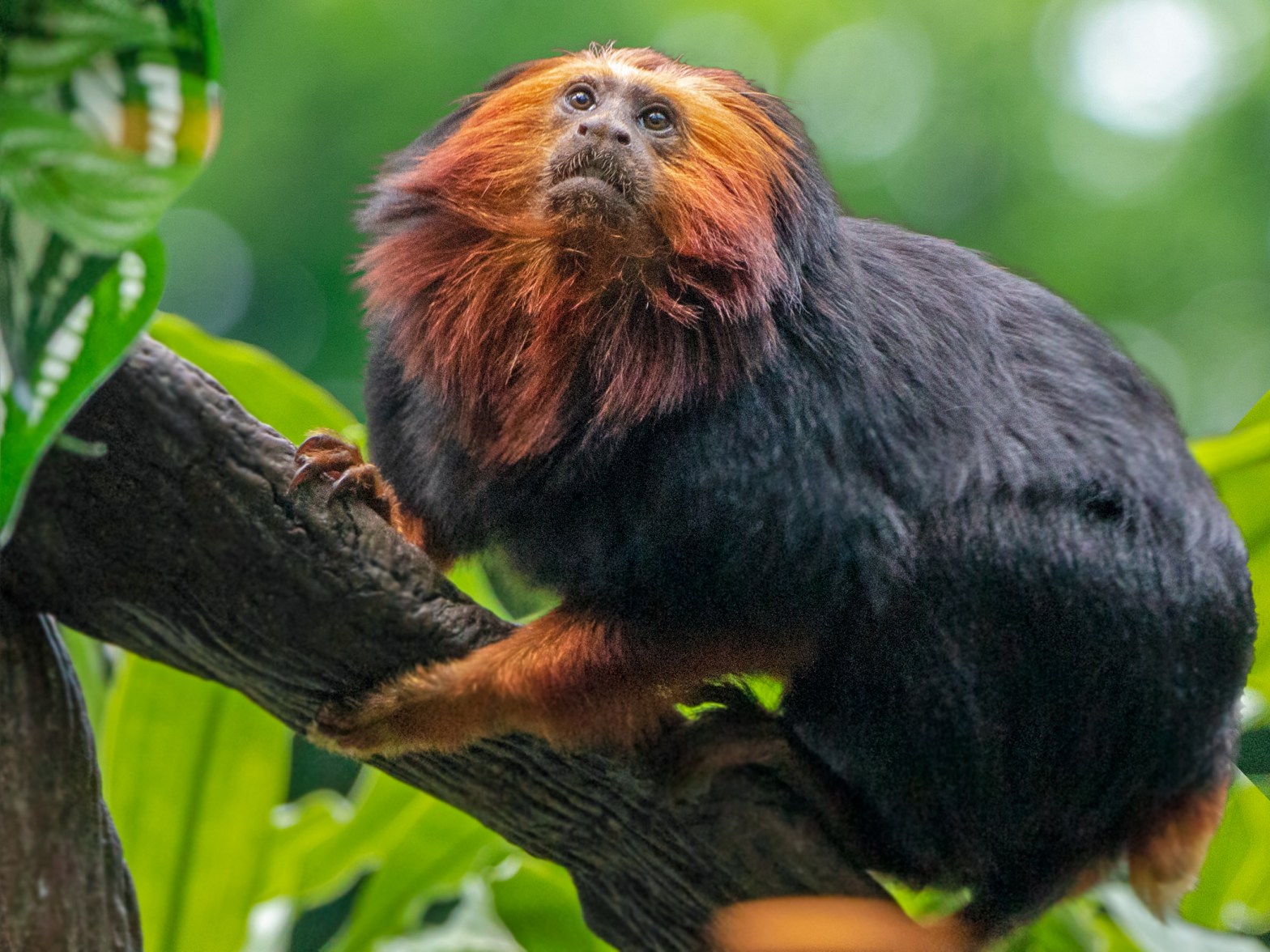
ENDANGERED! The golden-headed lion tamarin, named for their long golden fur that looks like a lion’s mane. Their small claw like nails help them climb through the trees and grab small insects. Due to habitat destruction and fragmentation they only live in a small part of Brazil. It is estimated that a mere 2-5% ofContinueContinue reading “Golden-headed lion tamarin”
The worlds largest bird
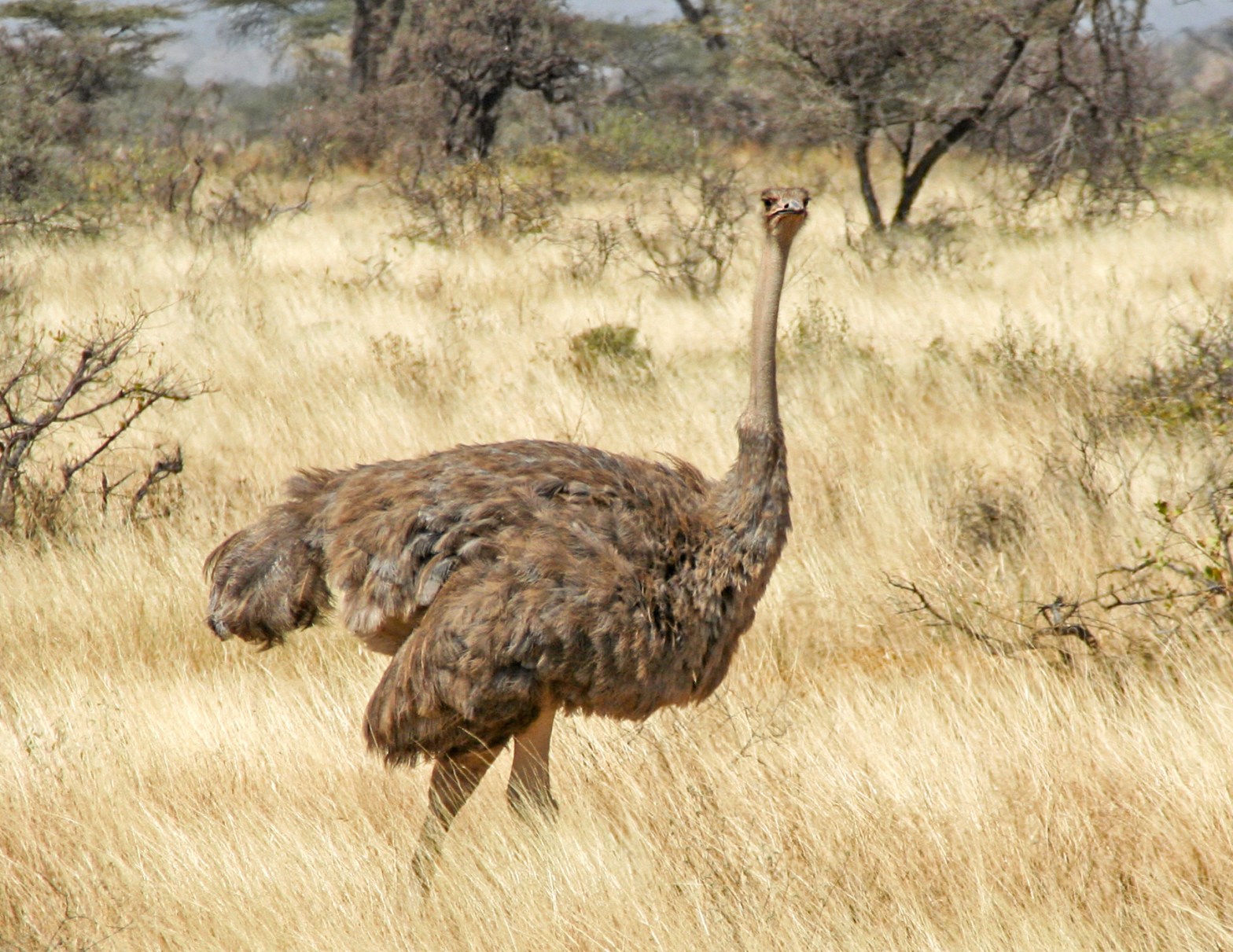
You guessed it…The Ostrich These birds are not just big, they are powerful. The ostriches’ main defense is its legs. They can run up to 43 mph (70 kph). When running isn’t an option, ostriches use their foot equipped with a 4-inch long claw. A single kick from an ostrich can kill a lion. OstrichesContinueContinue reading “The worlds largest bird”
The masters of defense
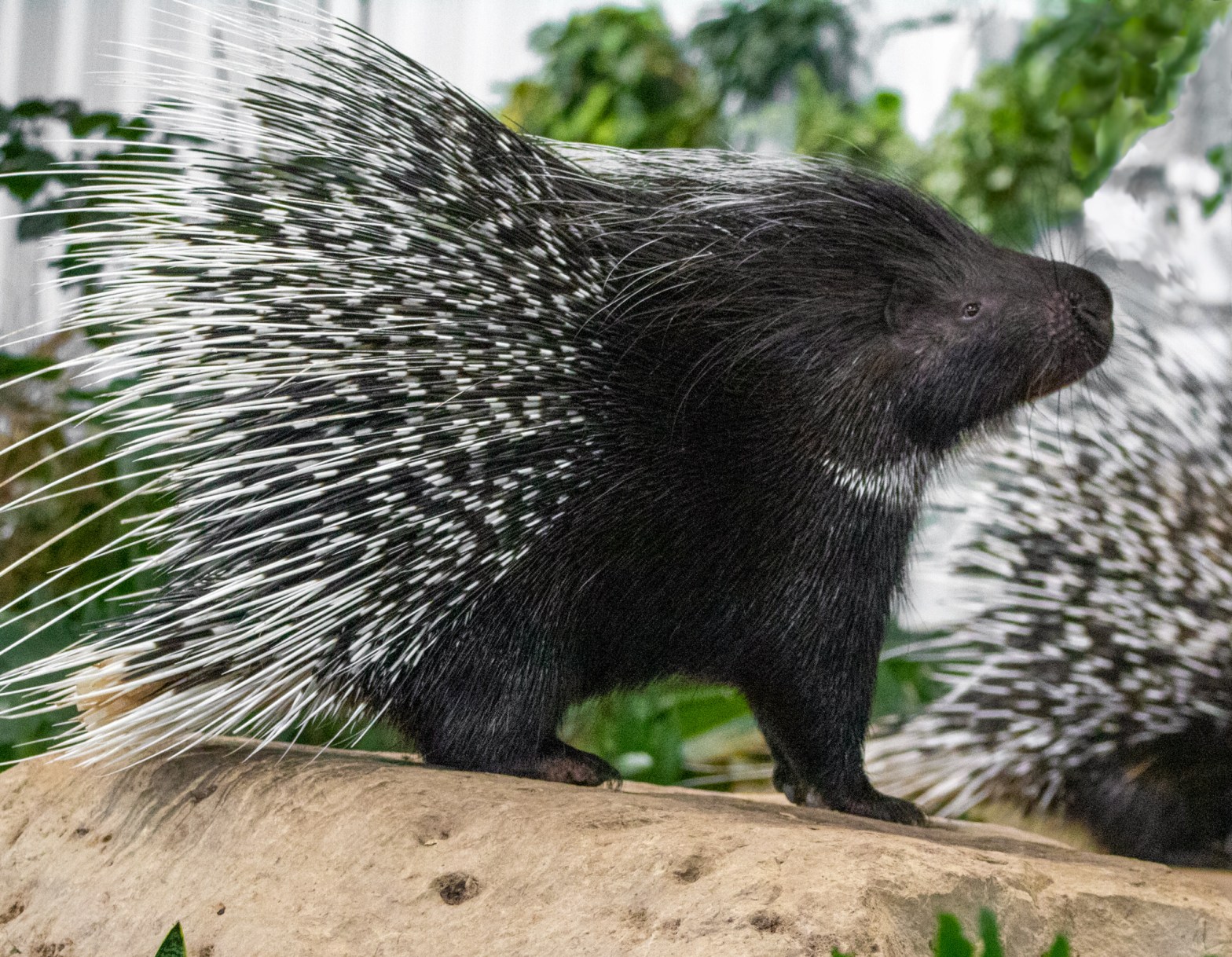
The African crested porcupine. Porcupine means “quill-pigs” in Latin. But don’t be confused porcupines are rodents, not pigs. The African crested porcupine has highly effective defense mechanisms. The first strategy is to appear bigger by raising and fanning out it’s 13 in quills. If this doesn’t scare a predator away the next thing they willContinueContinue reading “The masters of defense”
One tough Cookie
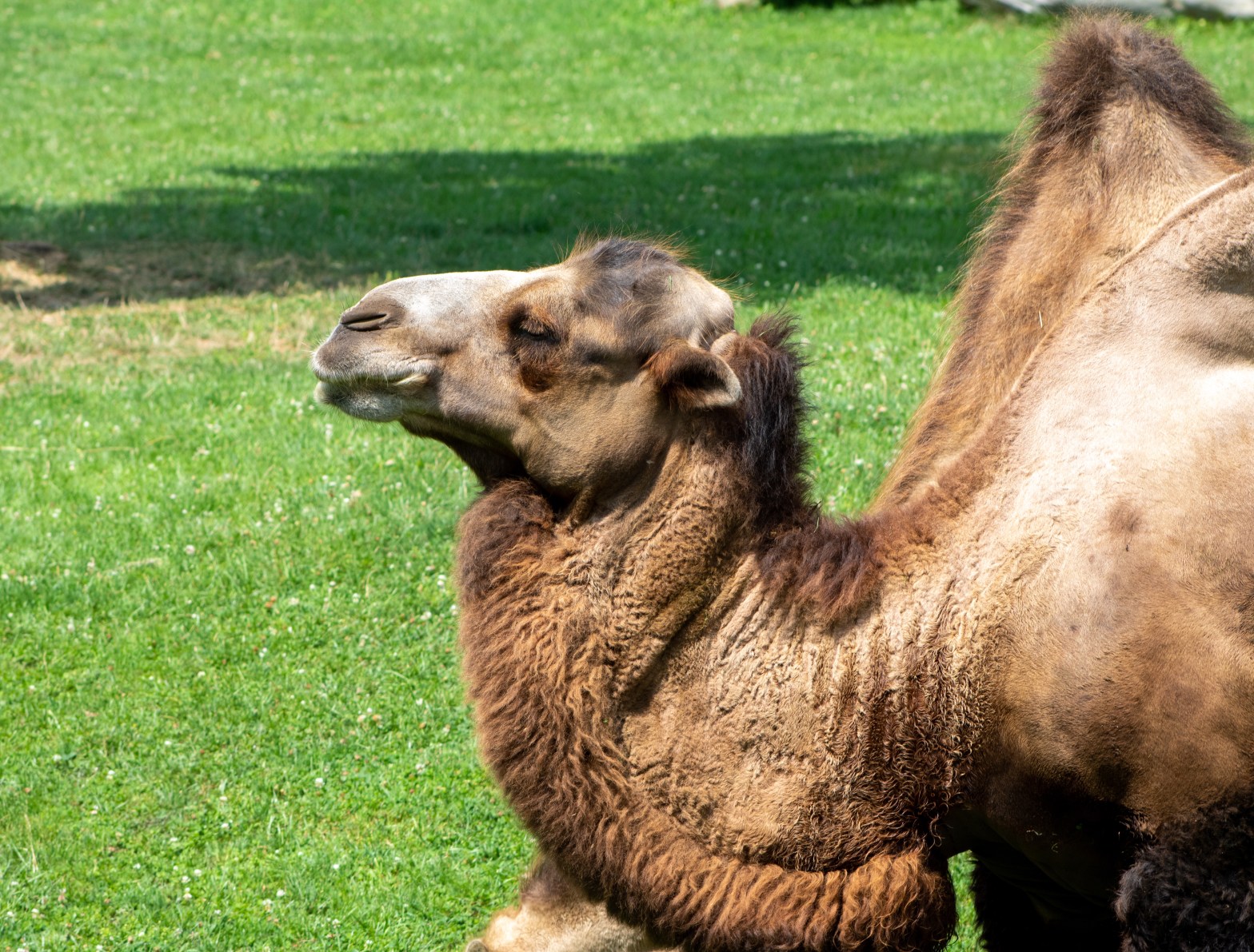
Bactrian camels are built to survive in one of the most hostile regions on earth, The Gobi Dessert. They are one of the few mammals that can eat snow as a way to quench their thirst. They are the only land mammals capable of drinking brackish/salty water with no negative effects. It is a commonContinueContinue reading “One tough Cookie”
 Eye of the Wild Photography