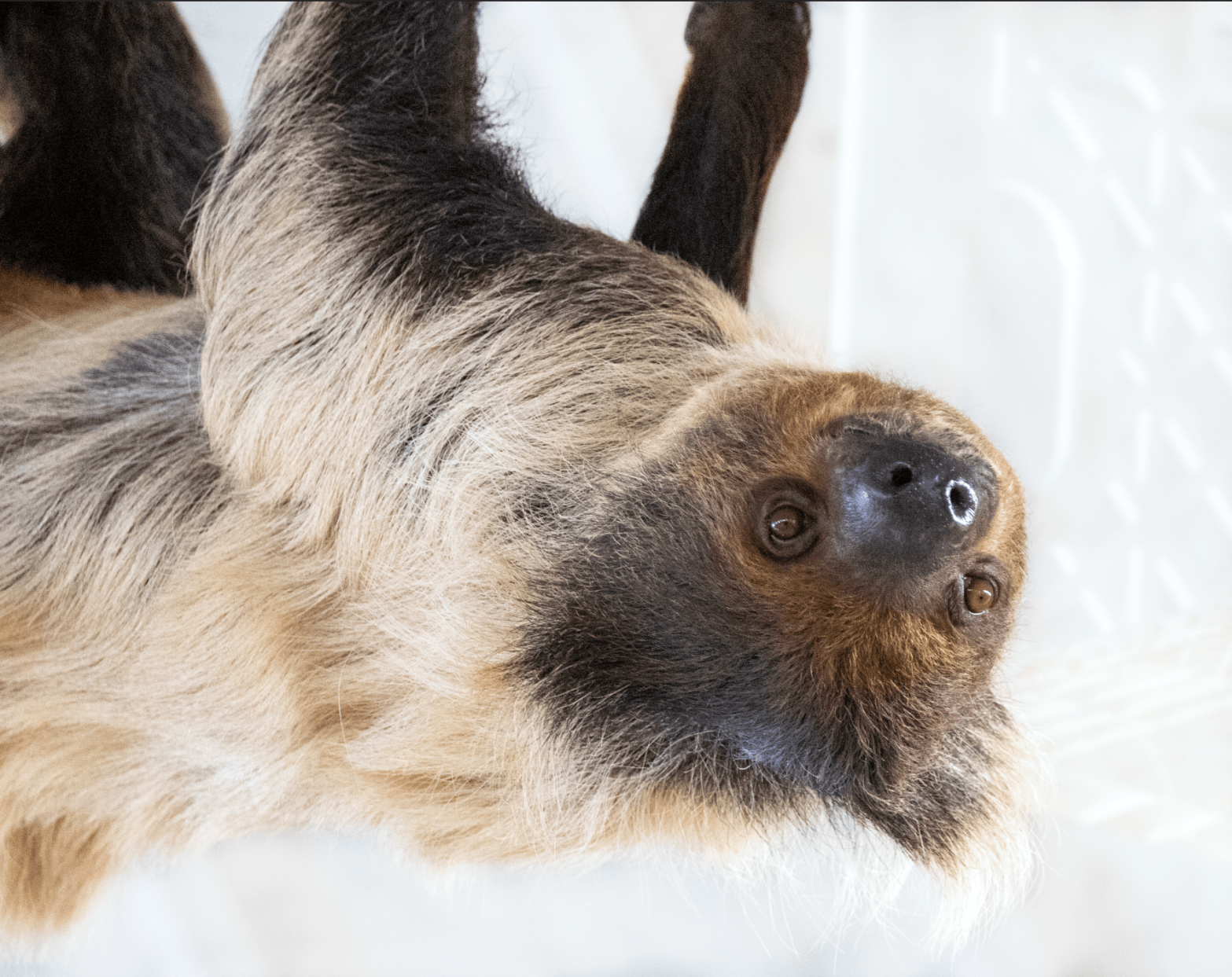
Sloths are native Central and South America. All sloths have 3 toes on their back feet, but two-toed sloths only have 2 toes on their forelimbs. This is a two-toed sloth. You can see that the front limbs have two toes while the back have three. They spend most of their time hanging out inContinueContinue reading “Living in Slow Motion”
Tag Archives: climate change
Flying Foxes!!..?
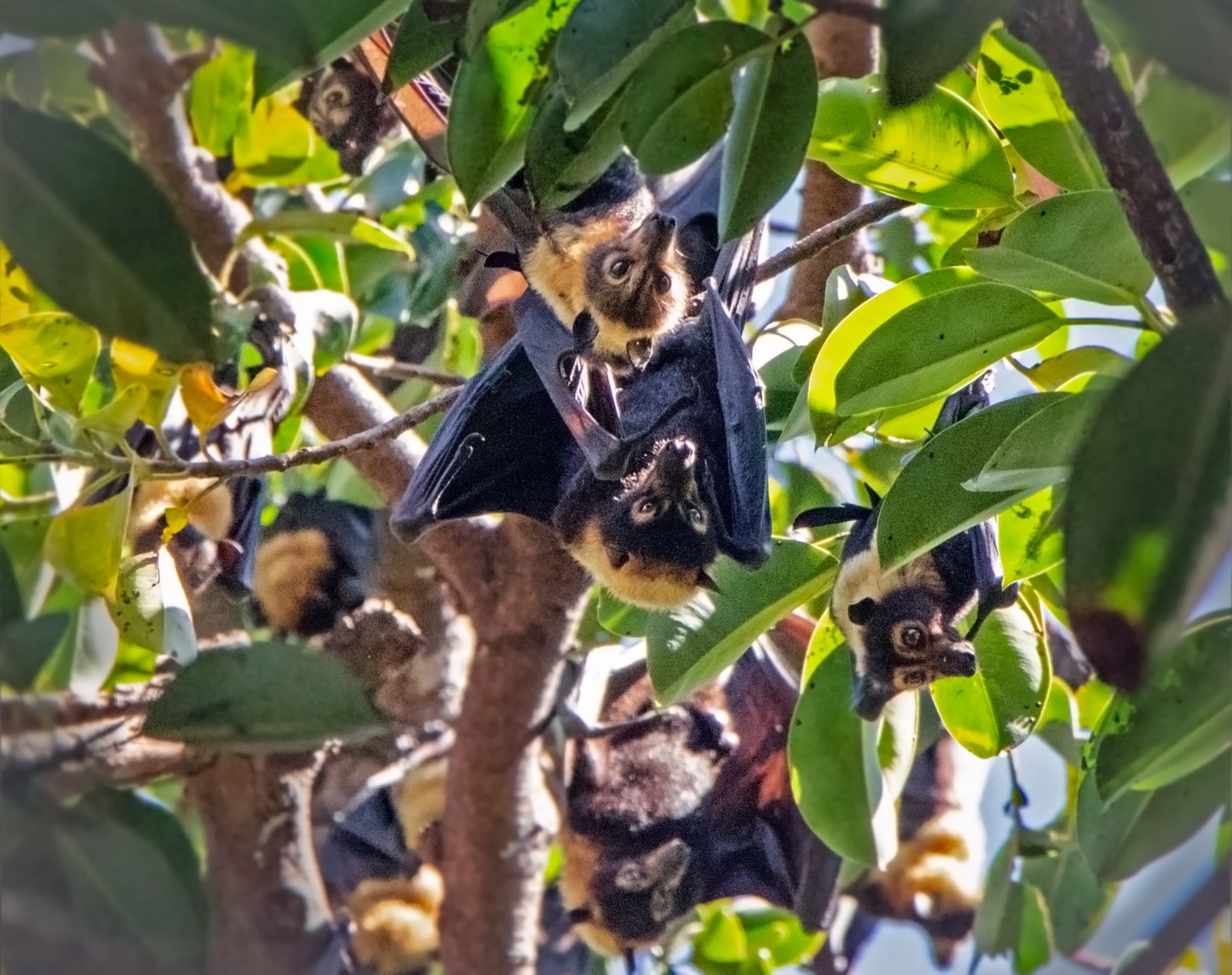
Spectacled flying-foxes are megabats, also known as fruit bats, that live in Australia, Papua New Guinea, and the surrounding islands. They are social animals that live in large groups called camps. These bats are very vocal, often chattering all day. The camp I observed in Australia sounded like a school lunchroom. In February 2019 theContinueContinue reading “Flying Foxes!!..?”
One tough Cookie
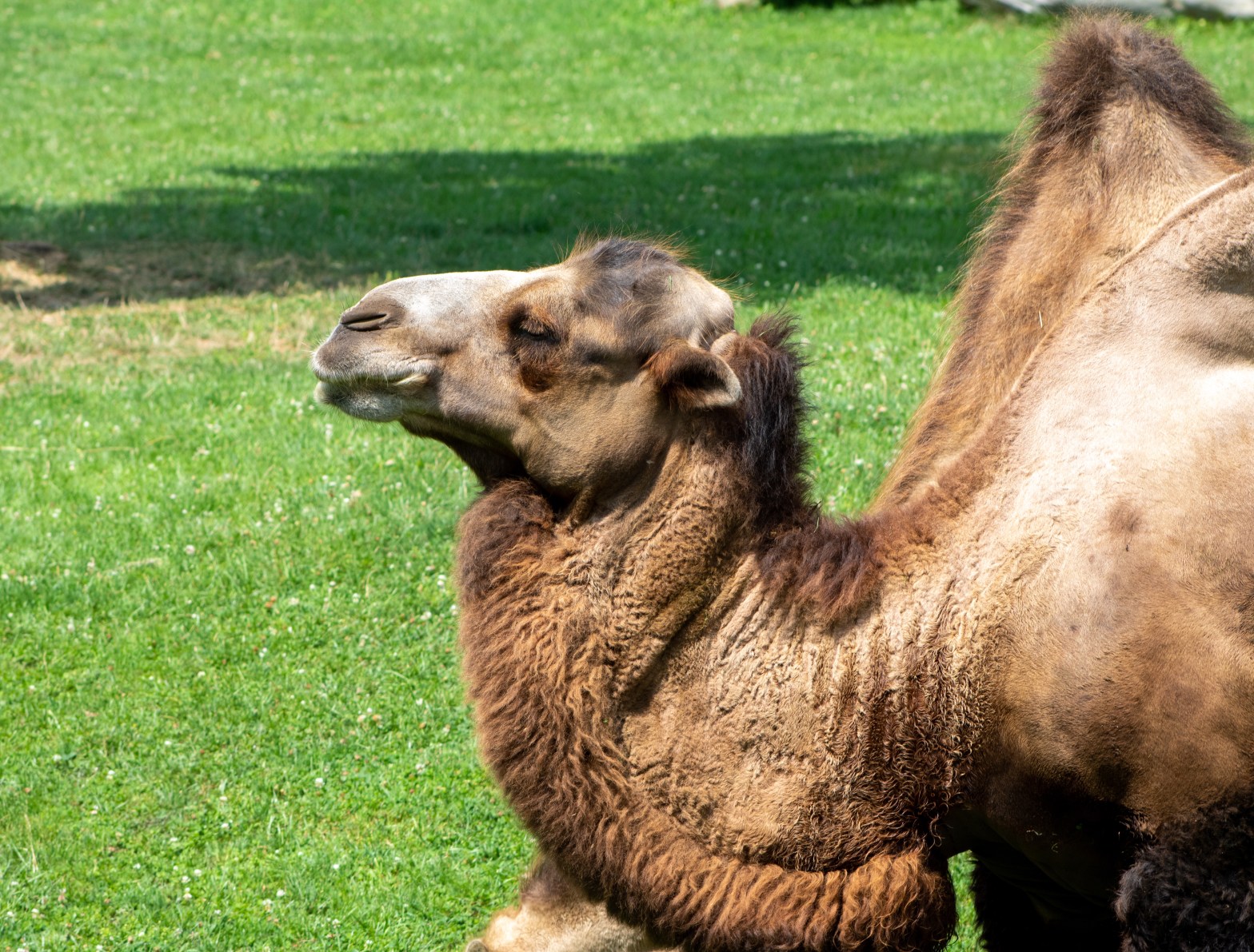
Bactrian camels are built to survive in one of the most hostile regions on earth, The Gobi Dessert. They are one of the few mammals that can eat snow as a way to quench their thirst. They are the only land mammals capable of drinking brackish/salty water with no negative effects. It is a commonContinueContinue reading “One tough Cookie”
Chinese Dragons
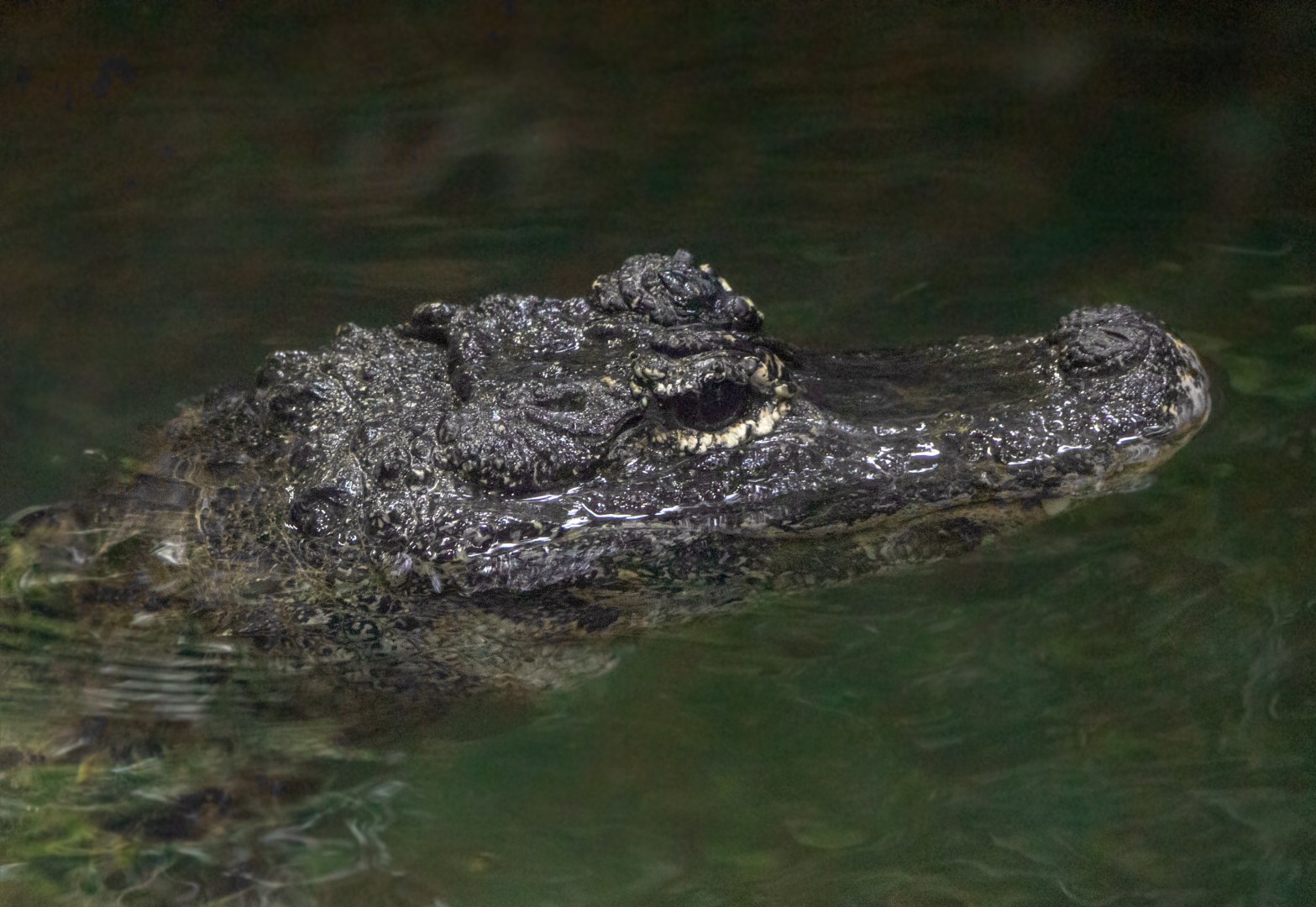
The Chinese alligator is Critically Endangered! There are less than 150 left in the wild. Habitat loss, climate change, and pollution are their biggest threats. The Chinese alligator is one of the smaller species of crocodilians. Adult males are 5-7ft, and females 4-5ft. During late October these alligators dig burrows where they brumate until April.ContinueContinue reading “Chinese Dragons”
A Global Conservation Story
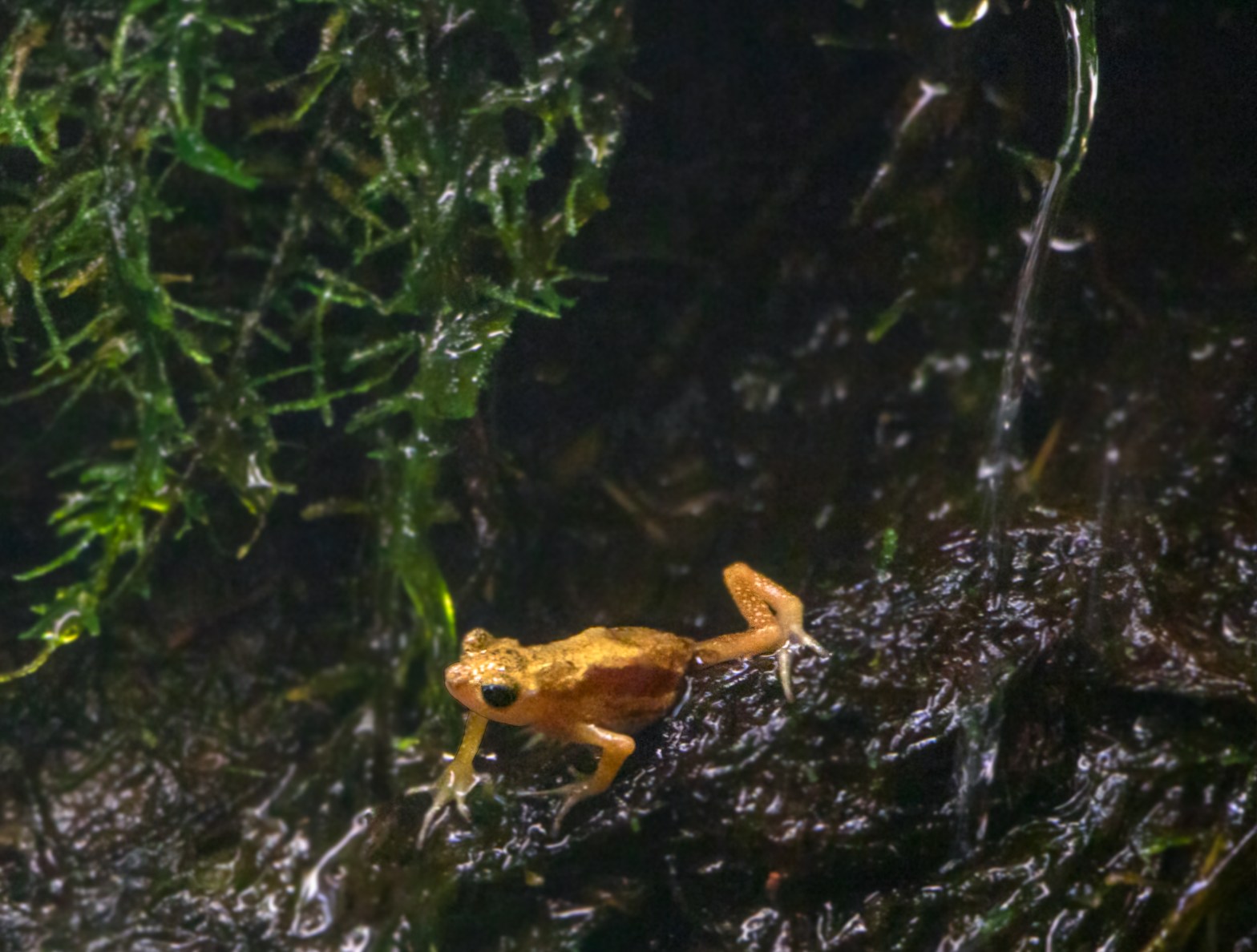
The Kihansi Spray Toad is the first extinct in the wild amphibian to be reintroduced to its natural habitat, the Kihansi Falls in the Udzungwa Mountains in Tanzania, Africa. This toad lives only in the spray zone of the falls, where there is plenty of mist. In 2000 the water flow was diverted to powerContinueContinue reading “A Global Conservation Story”
Cute but resilient
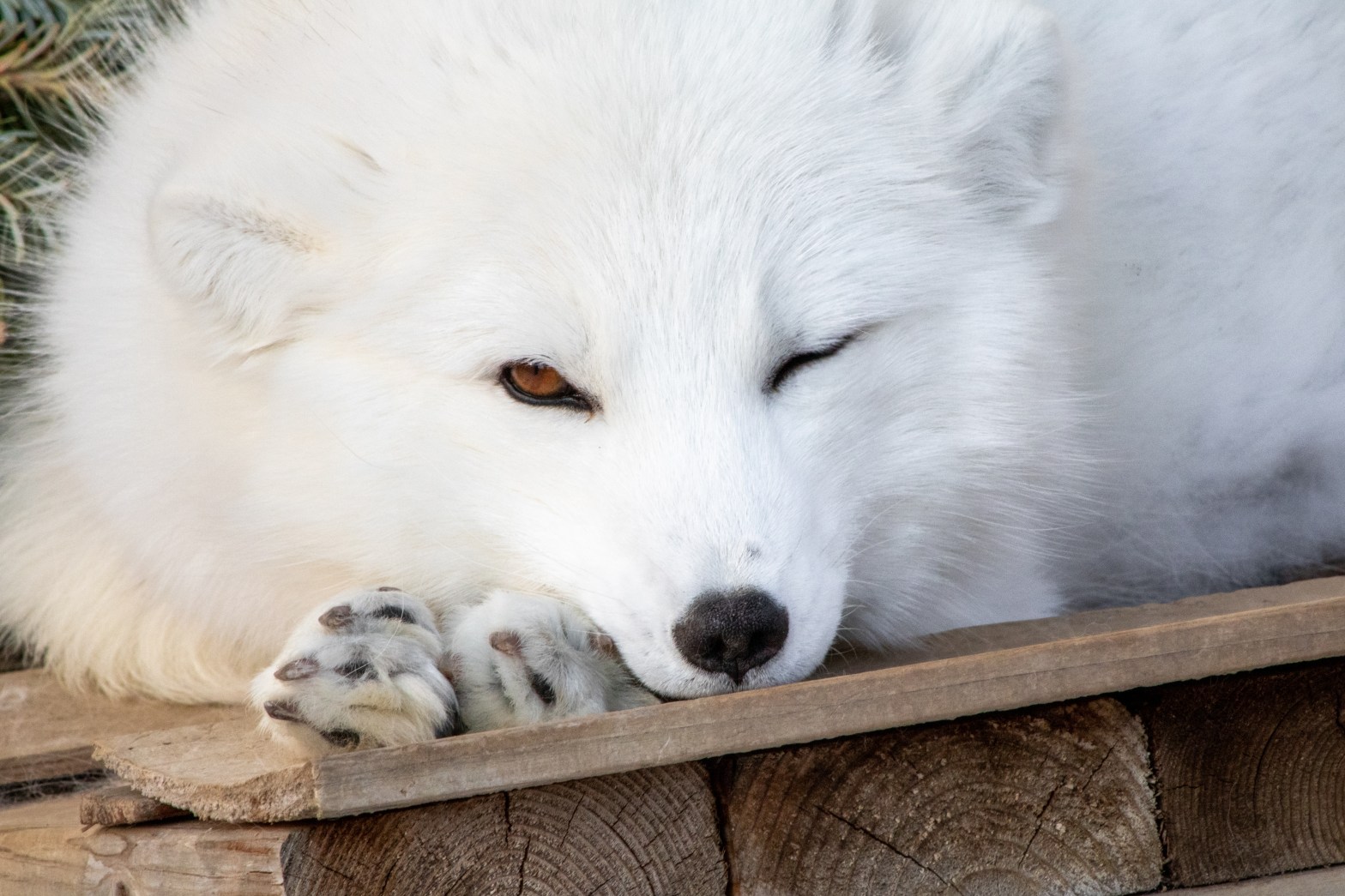
Arctic foxes are tough little creatures that can survive in temperatures as low as -50℃ (-58℉ ). Their thick fur, short legs, and round bodies help to keep them warm. They hunt lemmings, voles, fish, and eat berries, eggs, and seaweed. In winter when food is scarce arctic foxes will follow polar bears at aContinueContinue reading “Cute but resilient”
Humans are killing their closest living relative!
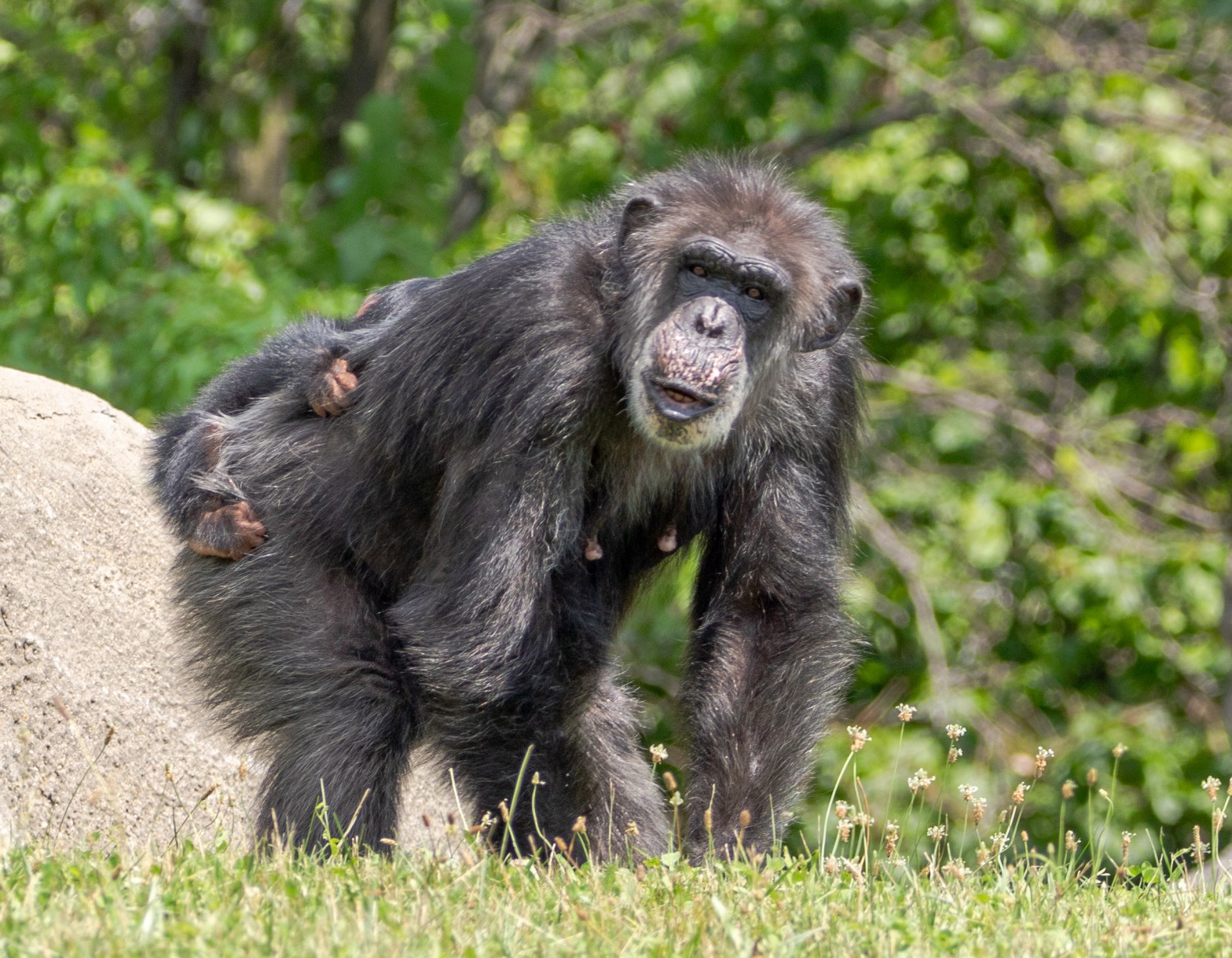
We are pushing our closest cousins towards extinction. Chimpanzees share 98.7% of their genes with us. But humans and chimps do not mix. There has been an increase in human-chimp conflicts. This is largely due to deforestation. And the encroaching human population. Other threats to the species include disease, the illegal pet trade, and being poachedContinueContinue reading “Humans are killing their closest living relative!”
Black-and-White ruffed Lemurs
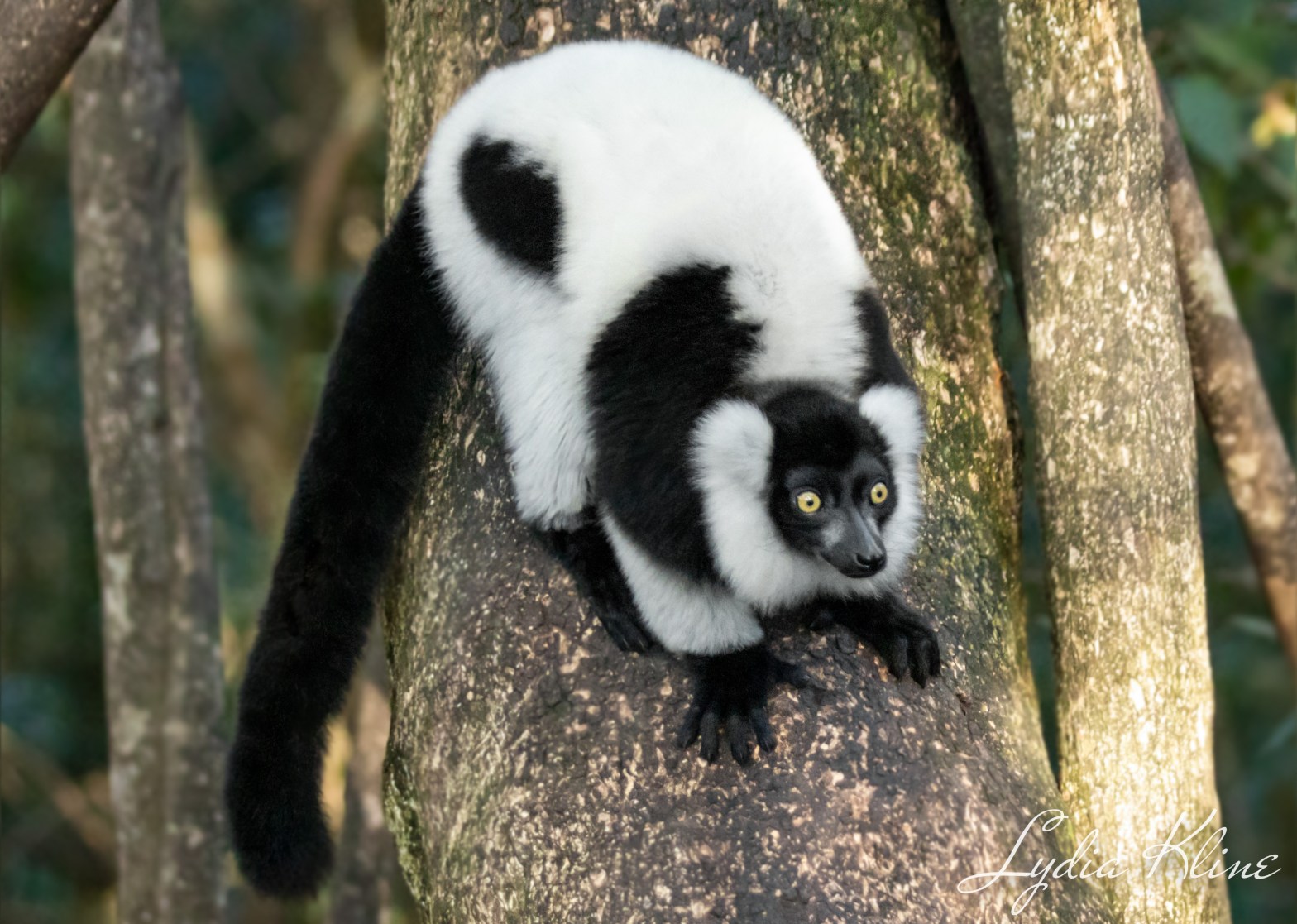
The black-and-white ruffed lemur is Critically endangered! Deforestation/habitat destruction for agricultural use is their primary threat. They are also hunted for bushmeat. Like all lemurs the black and white ruffed lemur is native in Madagascar. Madagascar has lost more than 90% of its original forest. Forest loss is primarily due to the increase in theContinueContinue reading “Black-and-White ruffed Lemurs”
The Lifeblood of the Earth

The ocean is essential to all life. It covers 71% of the earth’s surface and produces around 70% of the world’s oxygen. Humans are destroying the ocean. Overfishing, pollution, oil spills, dumping garbage, and saturating the atmosphere with CO2 all contribute to the demise of the ocean and life on earth.
Grey Crowned Crane
A Grey Crowned Crane foraging in Kenya Grey Crowned Cranes live in central and southern Africa. They are an ENDANGERED species. Their main threats are habitat loss and the illegal capture of the birds and their eggs. In some places, the cranes are kept in captivity by wealthy families or hotels as a symbol ofContinueContinue reading “Grey Crowned Crane”
 Eye of the Wild Photography