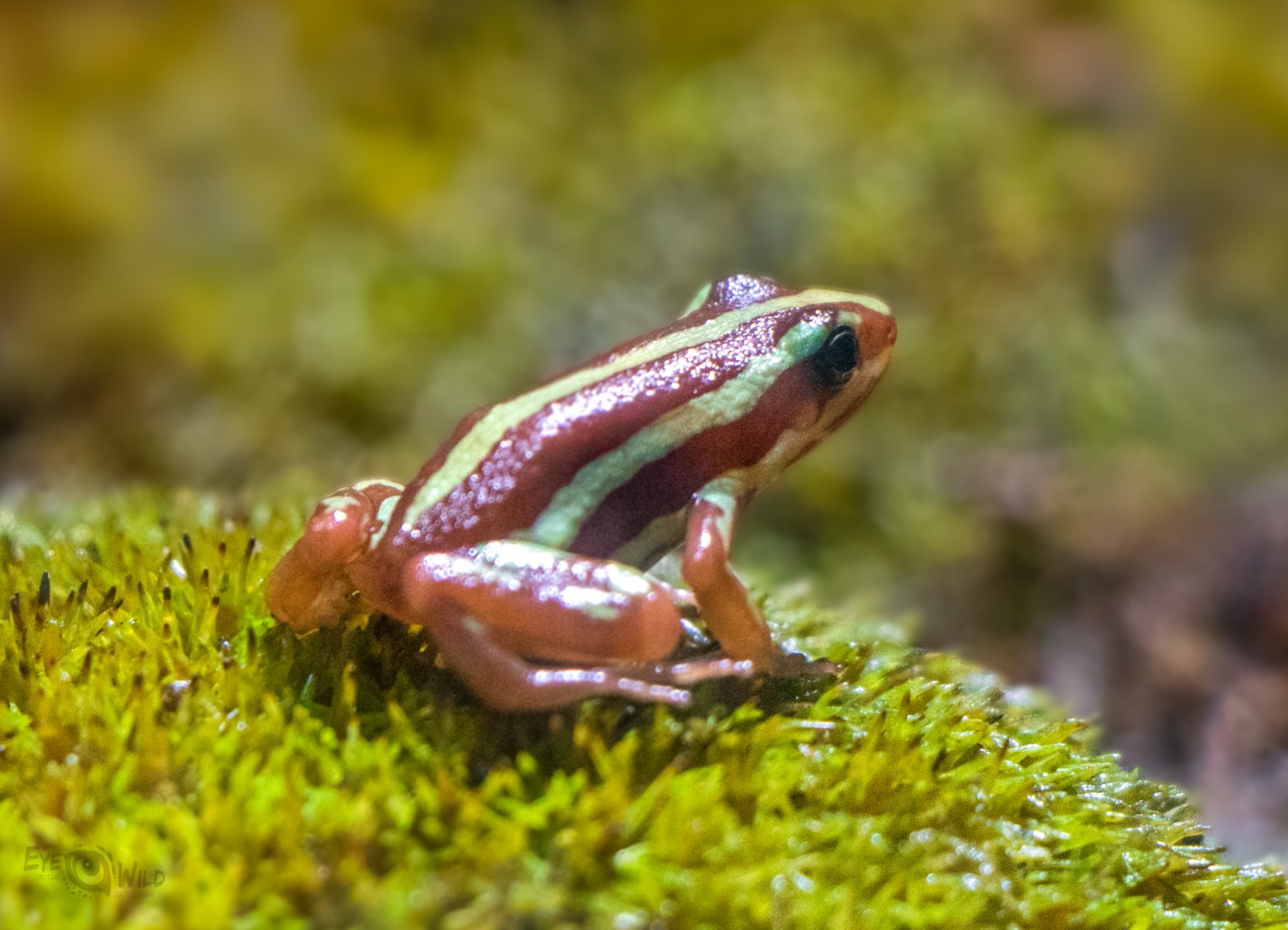
The phantasmal poison dart frog lives on the slopes of the Andes Mountains in Ecuador. As their name suggests, they are poisonous. Their poison comes from their diet, which includes ants, spiders, mites, and other insects. The frogs metabolize the toxins from their prey and combine them to produce a poison that they secrete throughContinueContinue reading “Small but Deadly”
Tag Archives: animal photos
Living in Slow Motion
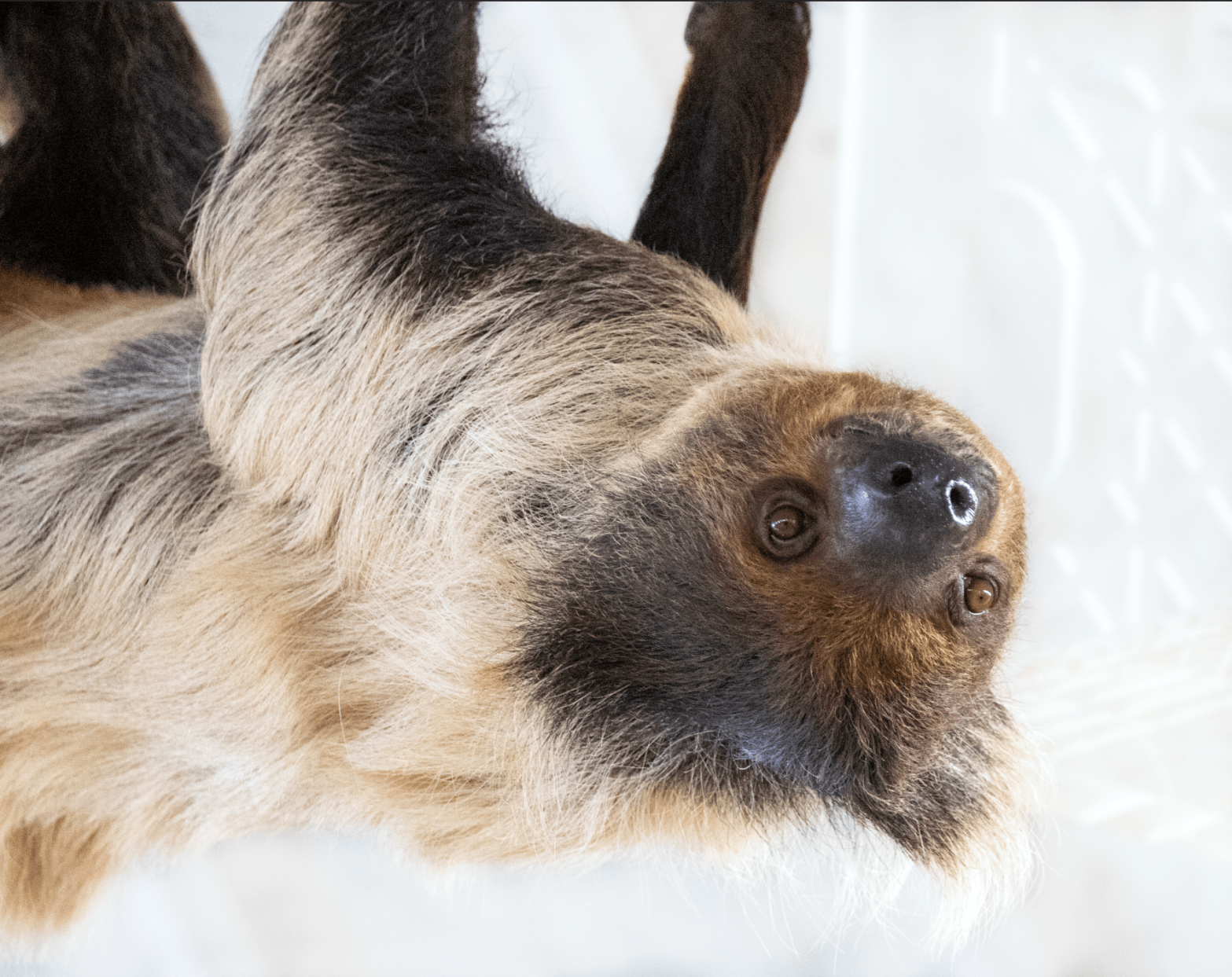
Sloths are native Central and South America. All sloths have 3 toes on their back feet, but two-toed sloths only have 2 toes on their forelimbs. This is a two-toed sloth. You can see that the front limbs have two toes while the back have three. They spend most of their time hanging out inContinueContinue reading “Living in Slow Motion”
A Whistling Duck
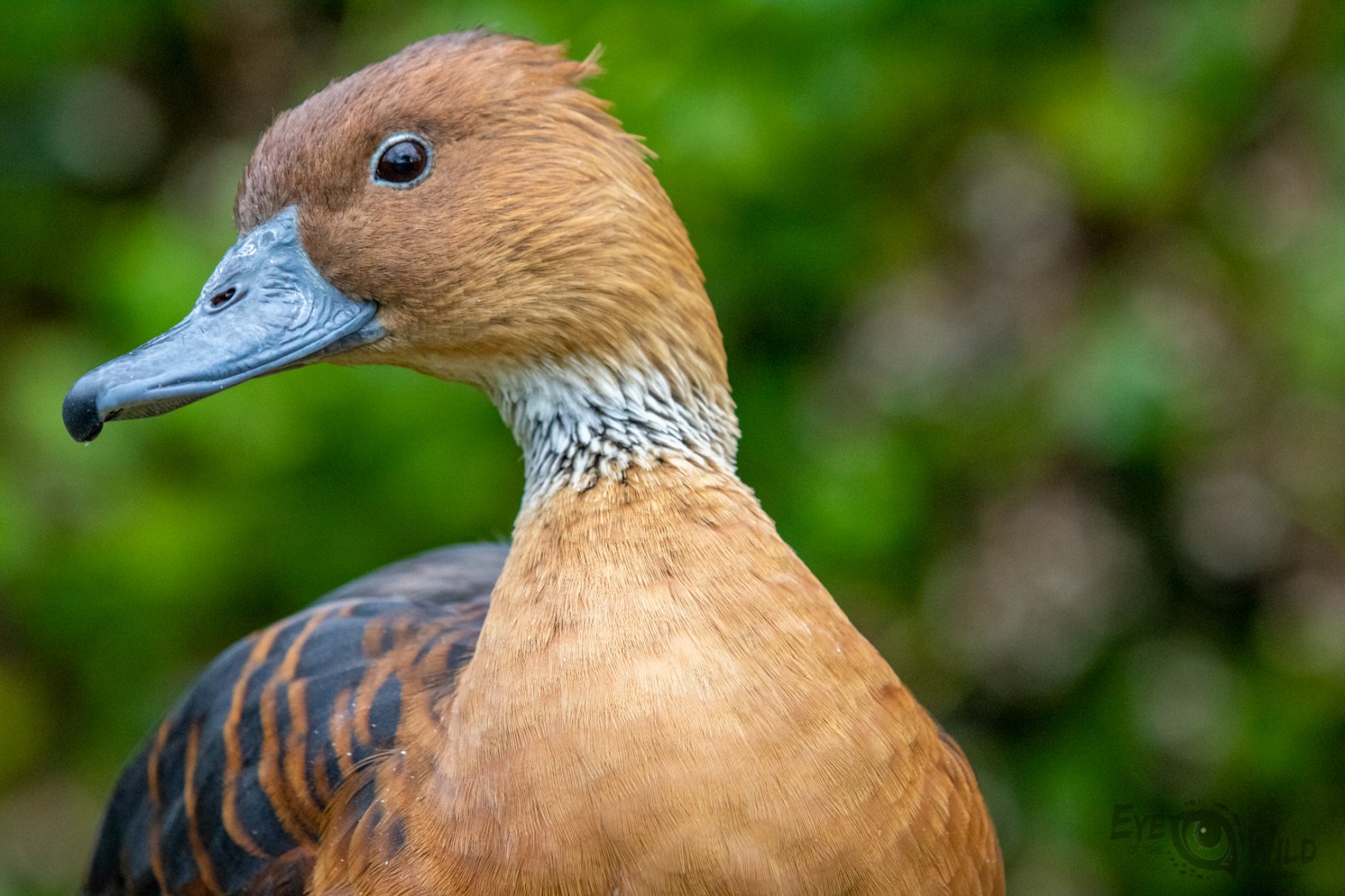
Fulvous whistling ducks live across 4 continents, including North and South America, Africa, and Asia. They are often found in marshes and rice fields. They forage by straining the mud for seeds and plant material. Unlike most ducks, fulvous whistling ducks mate for life. Both the male and female take turns incubating the eggs andContinueContinue reading “A Whistling Duck”
A Mob of Meerkats
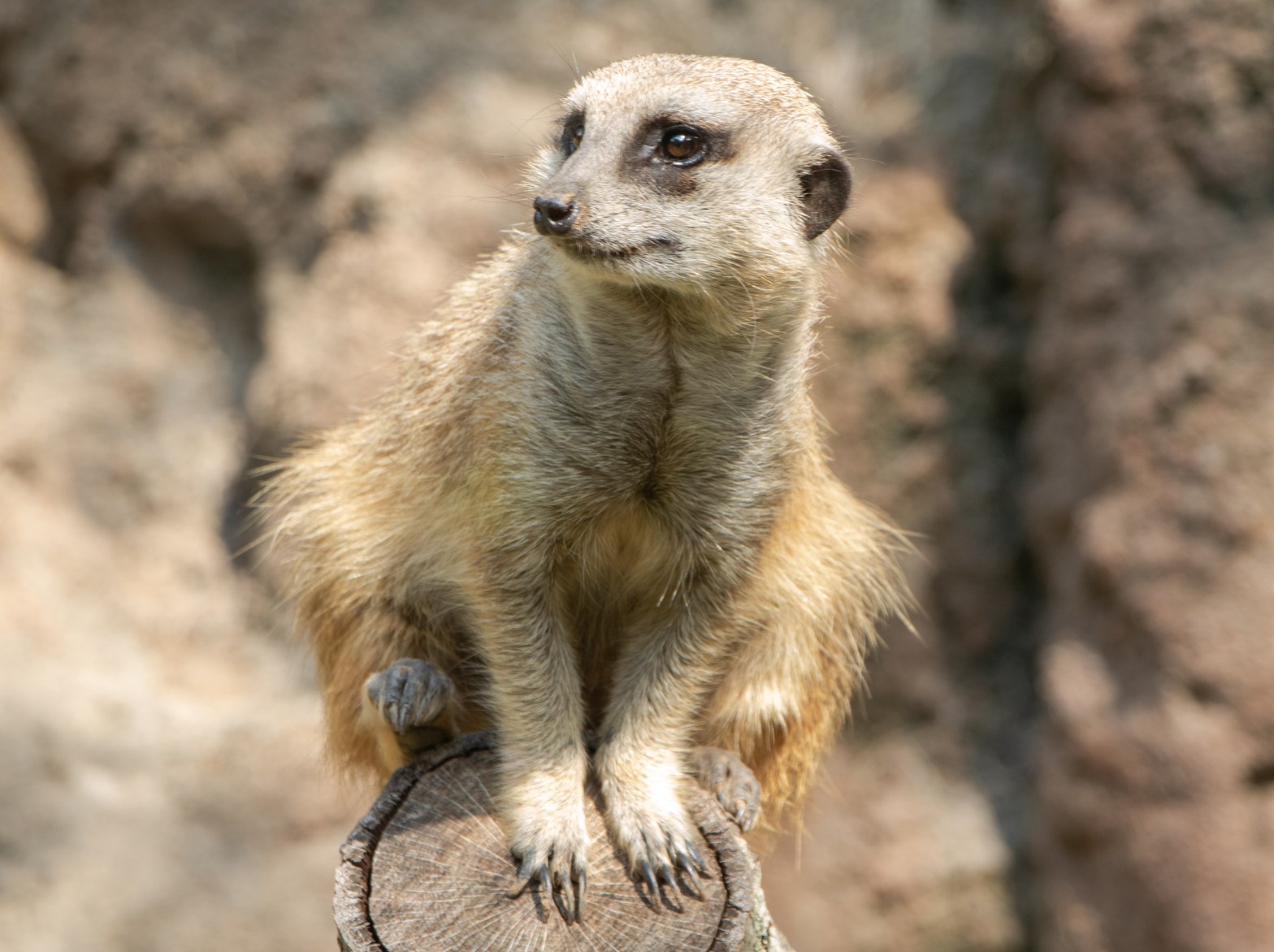
Meerkats are members of the mongoose family. They live in the African savannah and yes like Timon they do eat insects, grubs and termites. They also eat scorpions, luckily they are immune to most venoms. Meerkats live in large groups called mobs, clans or gangs. The mob is led by an alpha female, called theContinueContinue reading “A Mob of Meerkats”
The smallest crocodilians
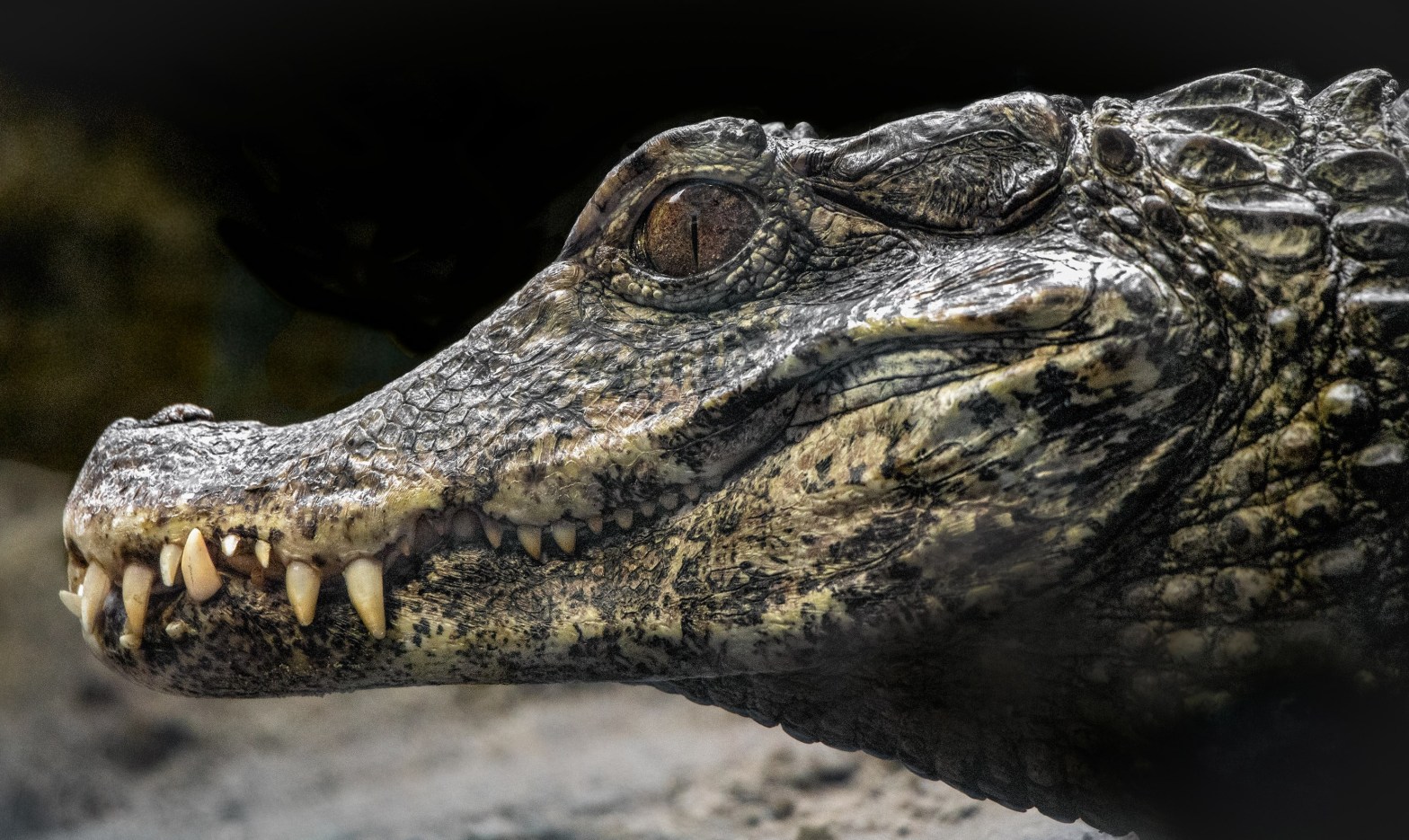
Dwarf caimans are the smallest members of the crocodilian family. Adults are on average 4-6ft long. They are native to South America. Even though they are classified as least concern on the IUCN’s red list, dwarf caimans still face several threats to their survival. Including habitat destruction, pollution, and the illegal pet trade. Dwarf caimans haveContinueContinue reading “The smallest crocodilians”
The elephant’s closest living land relative is ….
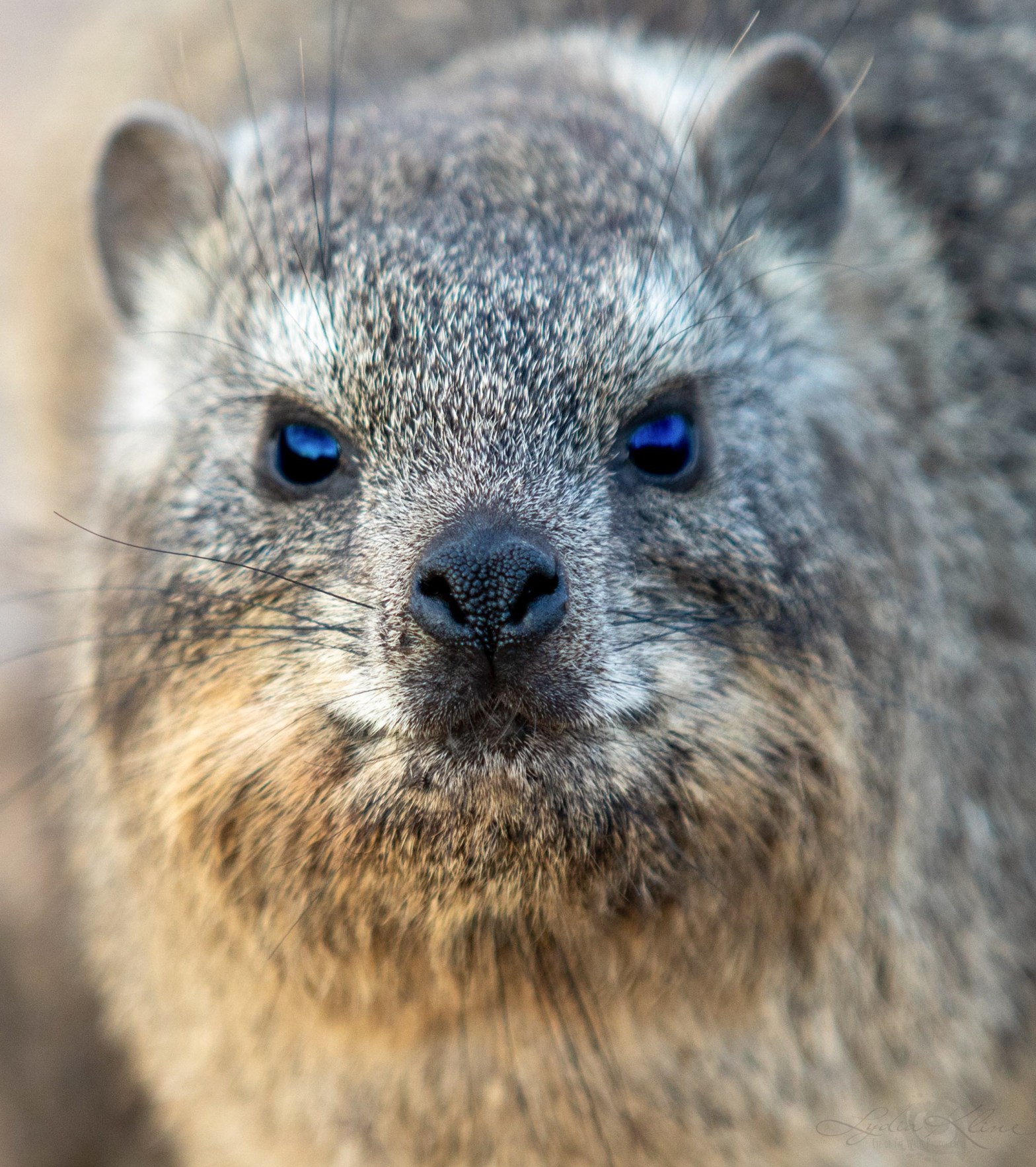
….The hyrax Hyraxes may look like rodents but they are actually cousins of the elephant. Elephants, hyraxes, dugongs, and manatees all share a common ancestor. There are several unique physical characteristics that hyraxes and elephants share. Both have tusks formed from their incisors, instead of their canines like other tusked animals. Both have flattened, hoof-likeContinueContinue reading “The elephant’s closest living land relative is ….”
Flaming Flamingos
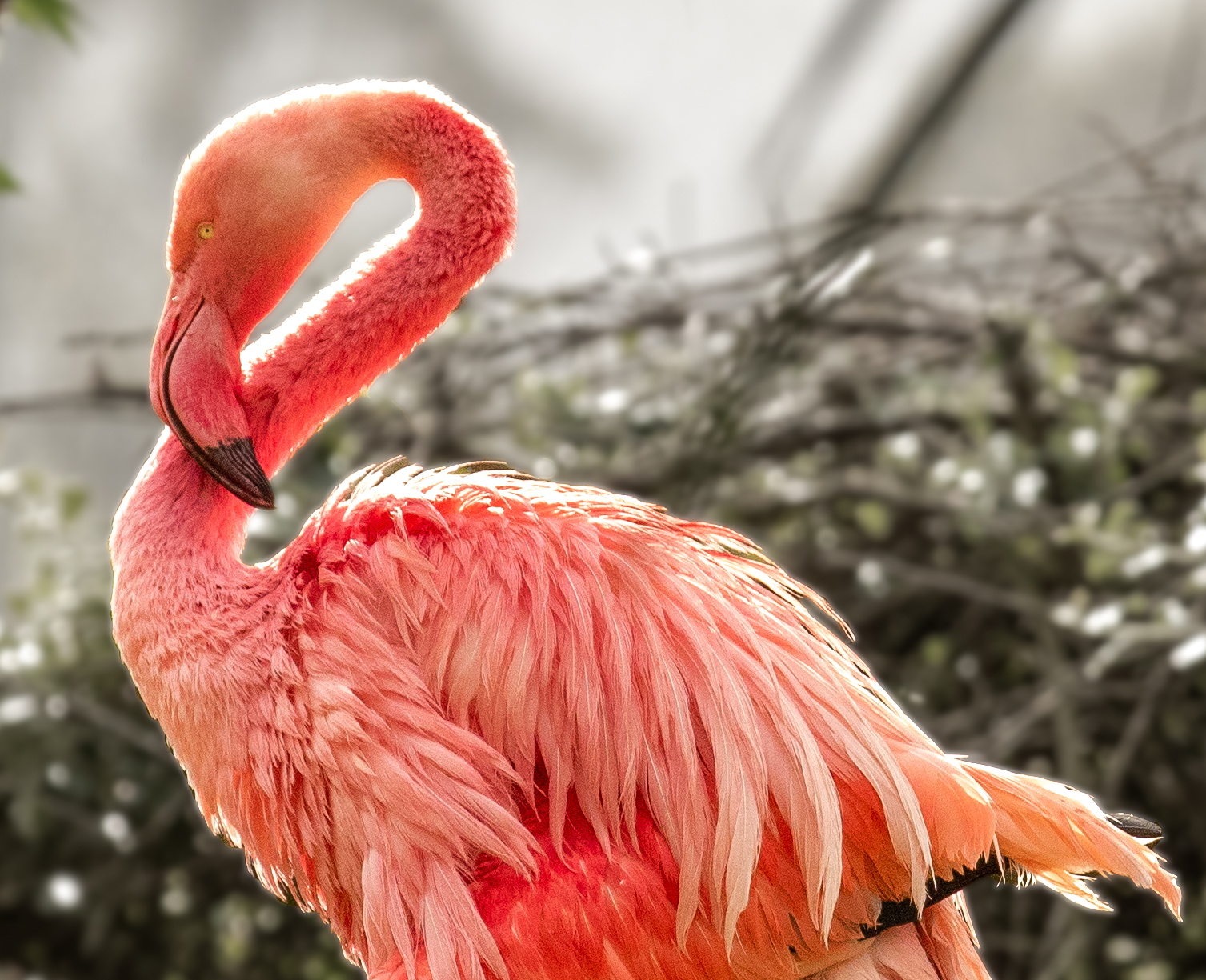
The name “flamingo” comes from Portuguese or Spanish flamengo, meaning “flame-colored” The pink or reddish color of flamingos comes from carotenoids found in the shrimp, plankton, algae and crustaceans they eat. Flamingos have a unique way of eating…upside down. They plunge their head underwater and use their bills like a shovel to scoop up food.ContinueContinue reading “Flaming Flamingos”
Happy Turkey Day!
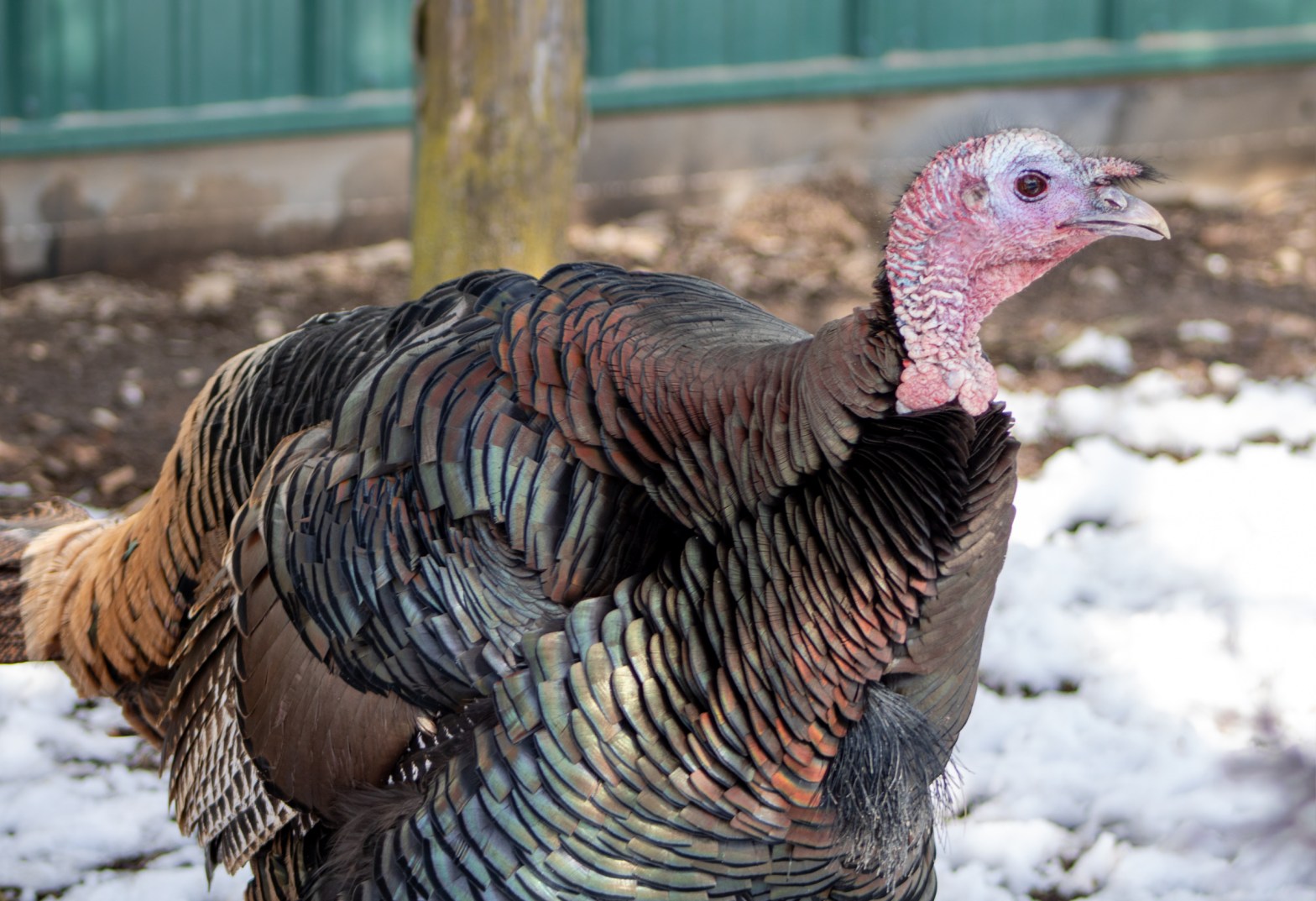
Wild Turkeys are native to North America. They have distinguishing characteristics such as large fanned tail feathers, a snood (flap of skin that hangs over their beaks) and a wattle (the flap of skin below their chins.) Wild turkeys eat seeds, insects, and occasionally a frog or lizard. Wild turkeys can fly for short distances. ContinueContinue reading “Happy Turkey Day!”
Flying Foxes!!..?
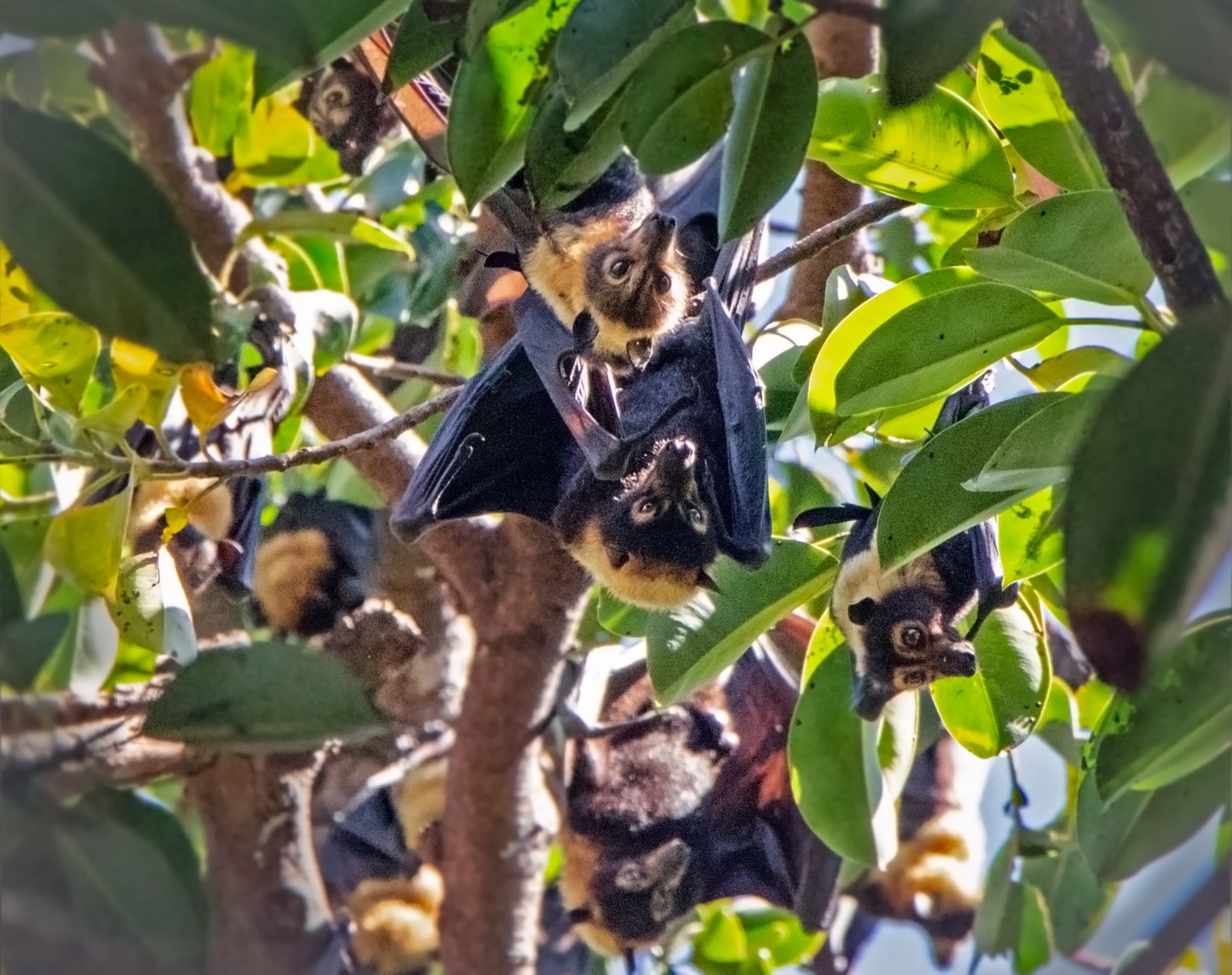
Spectacled flying-foxes are megabats, also known as fruit bats, that live in Australia, Papua New Guinea, and the surrounding islands. They are social animals that live in large groups called camps. These bats are very vocal, often chattering all day. The camp I observed in Australia sounded like a school lunchroom. In February 2019 theContinueContinue reading “Flying Foxes!!..?”
A Duck known around the World
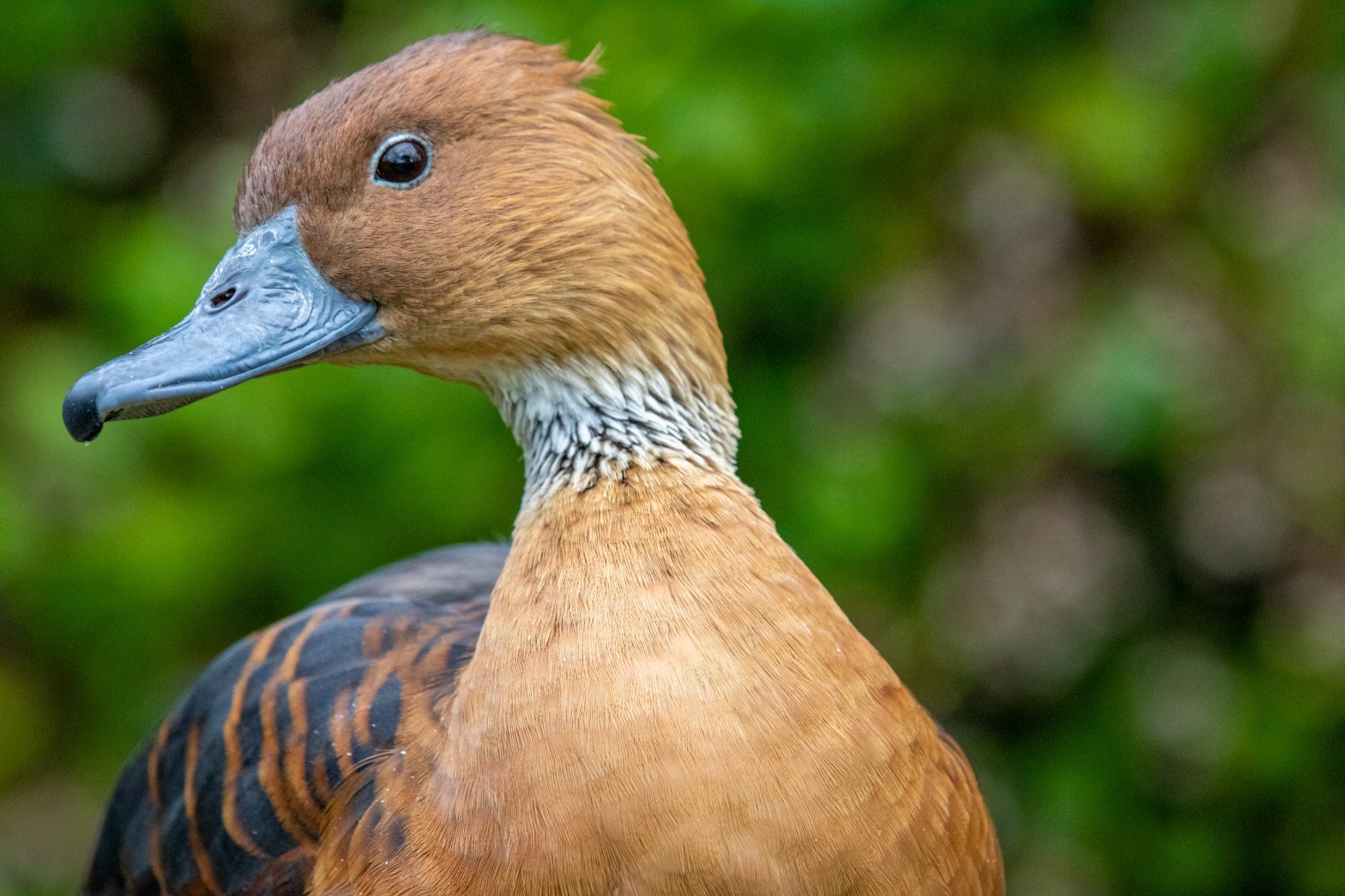
Fulvous whistling ducks are one of the most widespread ducks in the world. They live on four continents, South and North America, Africa, and Asia. These ducks live in freshwater marshes with tall grasses and vegetation. They forage, often at night, eating mainly seeds from aquatic plants. As you might have guessed by the name theseContinueContinue reading “A Duck known around the World”
 Eye of the Wild Photography