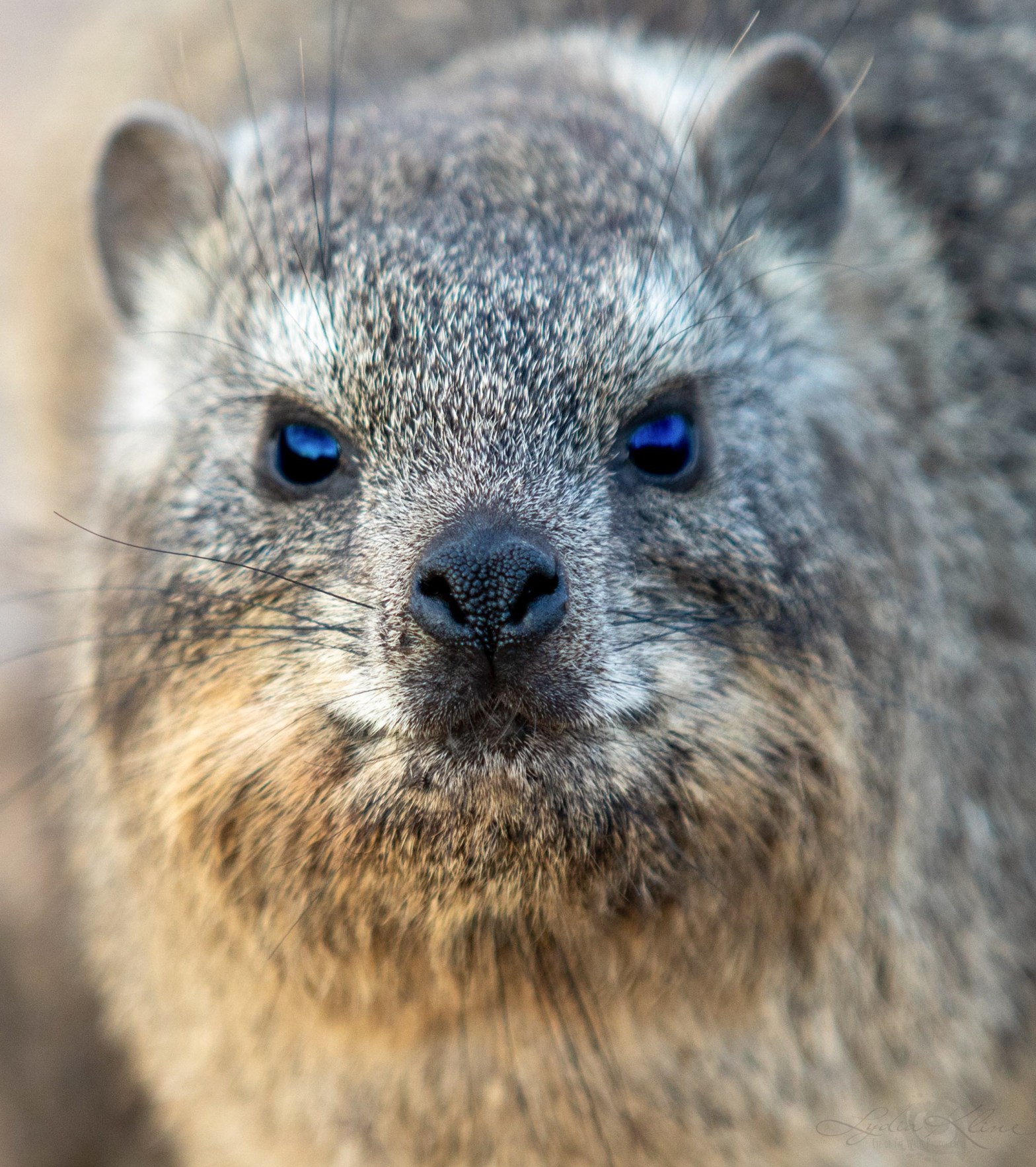
….The hyrax Hyraxes may look like rodents but they are actually cousins of the elephant. Elephants, hyraxes, dugongs, and manatees all share a common ancestor. There are several unique physical characteristics that hyraxes and elephants share. Both have tusks formed from their incisors, instead of their canines like other tusked animals. Both have flattened, hoof-likeContinueContinue reading “The elephant’s closest living land relative is ….”
Tag Archives: Amazing animals
Flaming Flamingos
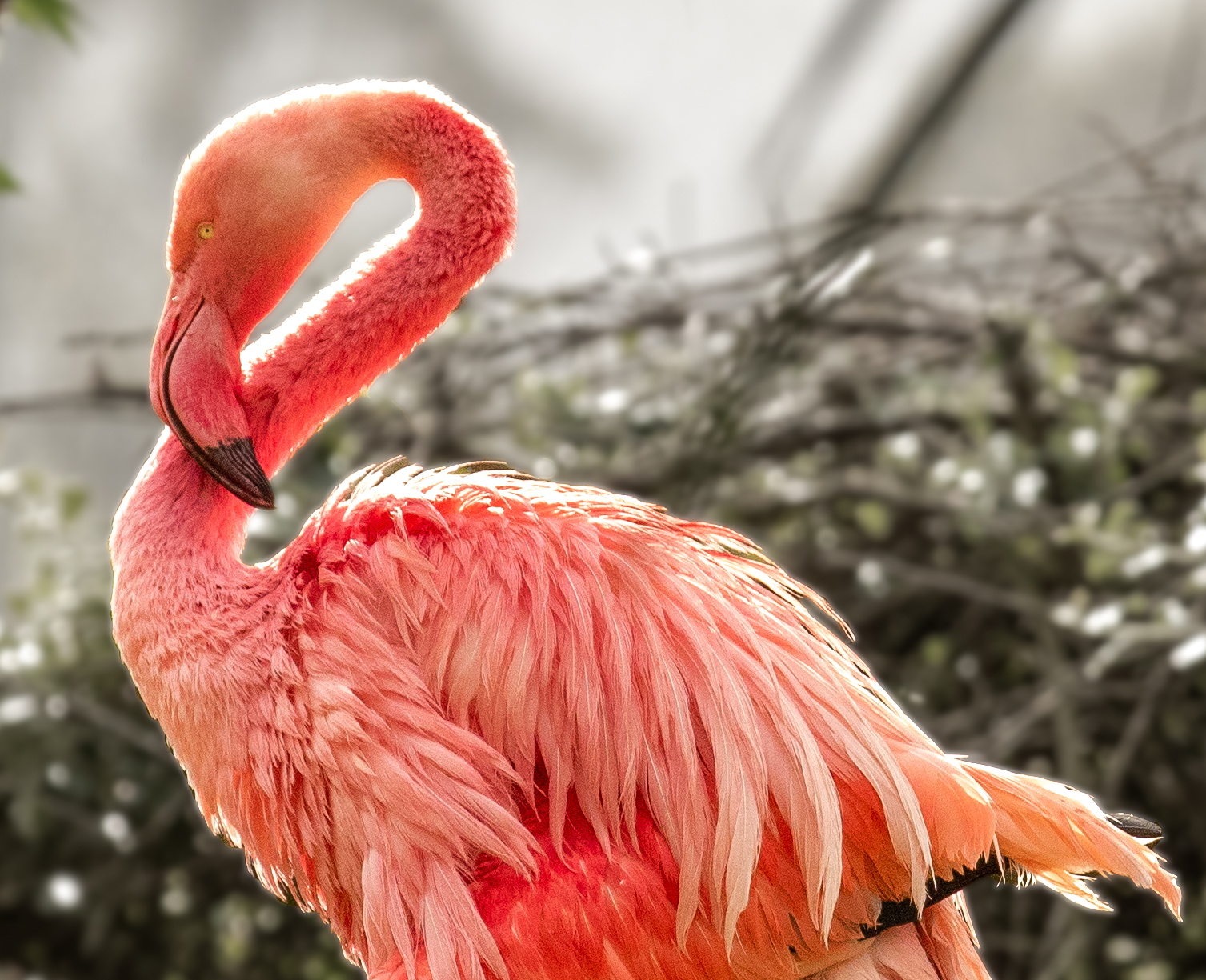
The name “flamingo” comes from Portuguese or Spanish flamengo, meaning “flame-colored” The pink or reddish color of flamingos comes from carotenoids found in the shrimp, plankton, algae and crustaceans they eat. Flamingos have a unique way of eating…upside down. They plunge their head underwater and use their bills like a shovel to scoop up food.ContinueContinue reading “Flaming Flamingos”
The masters of defense
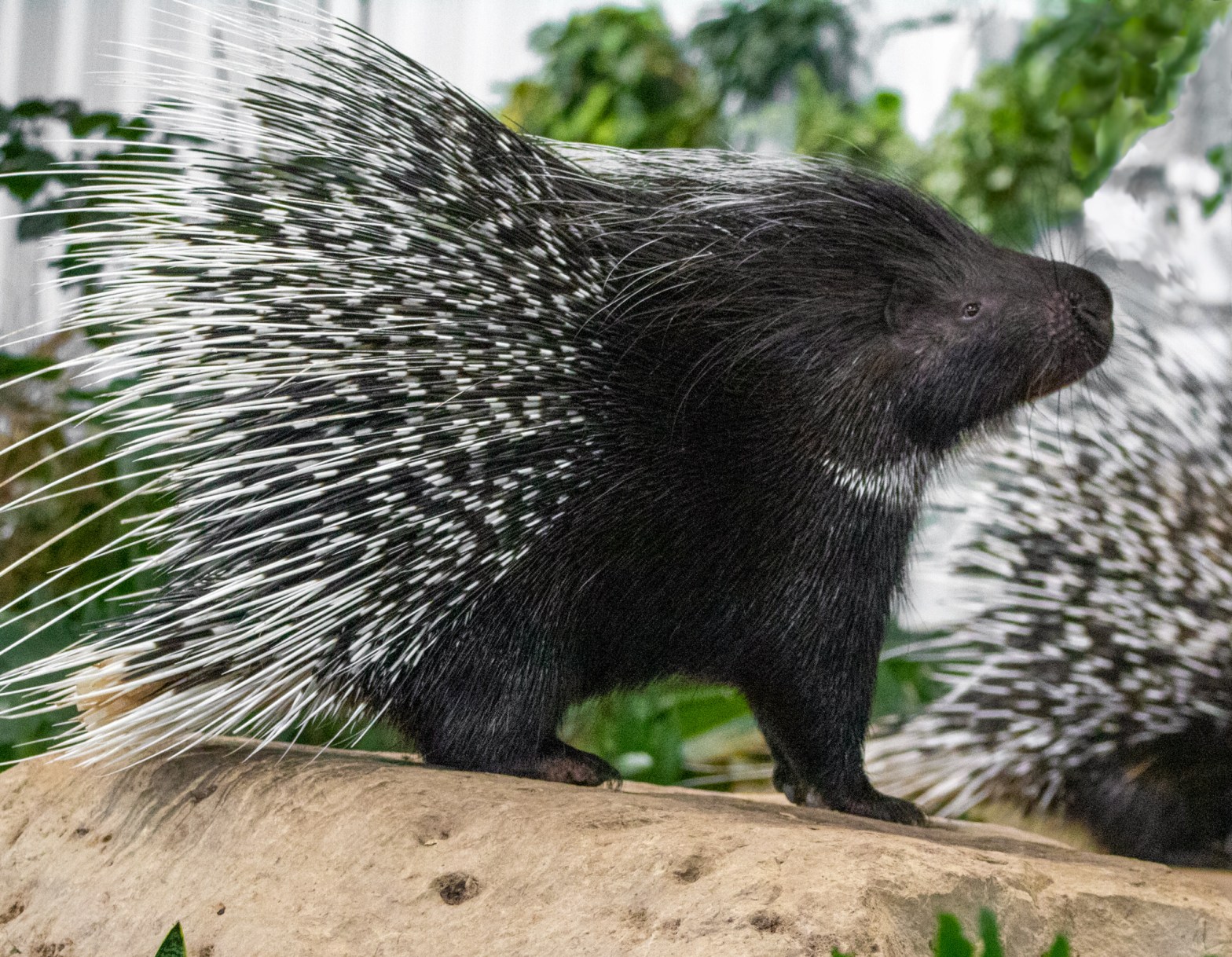
The African crested porcupine. Porcupine means “quill-pigs” in Latin. But don’t be confused porcupines are rodents, not pigs. The African crested porcupine has highly effective defense mechanisms. The first strategy is to appear bigger by raising and fanning out it’s 13 in quills. If this doesn’t scare a predator away the next thing they willContinueContinue reading “The masters of defense”
A Duck known around the World
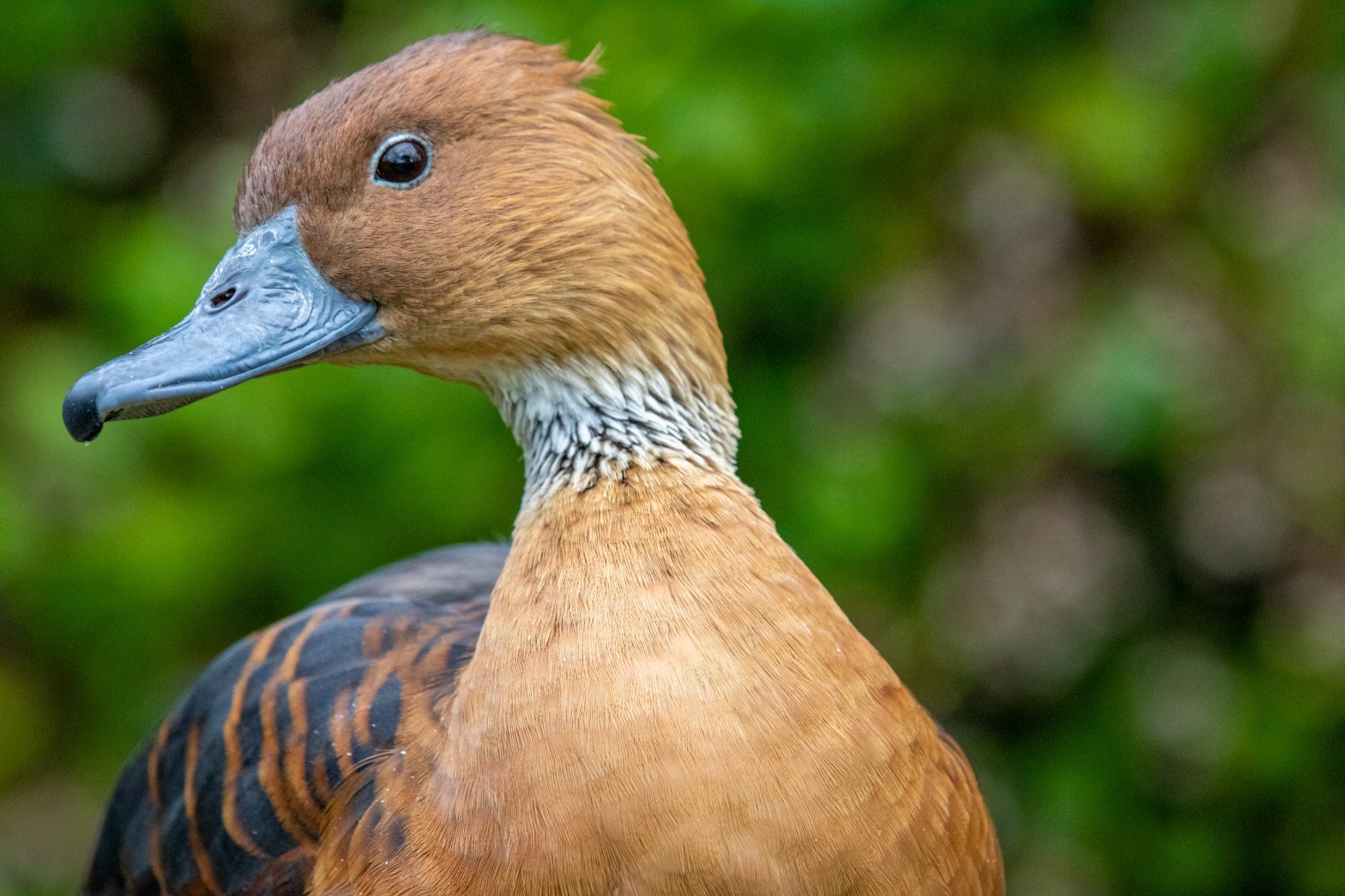
Fulvous whistling ducks are one of the most widespread ducks in the world. They live on four continents, South and North America, Africa, and Asia. These ducks live in freshwater marshes with tall grasses and vegetation. They forage, often at night, eating mainly seeds from aquatic plants. As you might have guessed by the name theseContinueContinue reading “A Duck known around the World”
Flying Monkeys
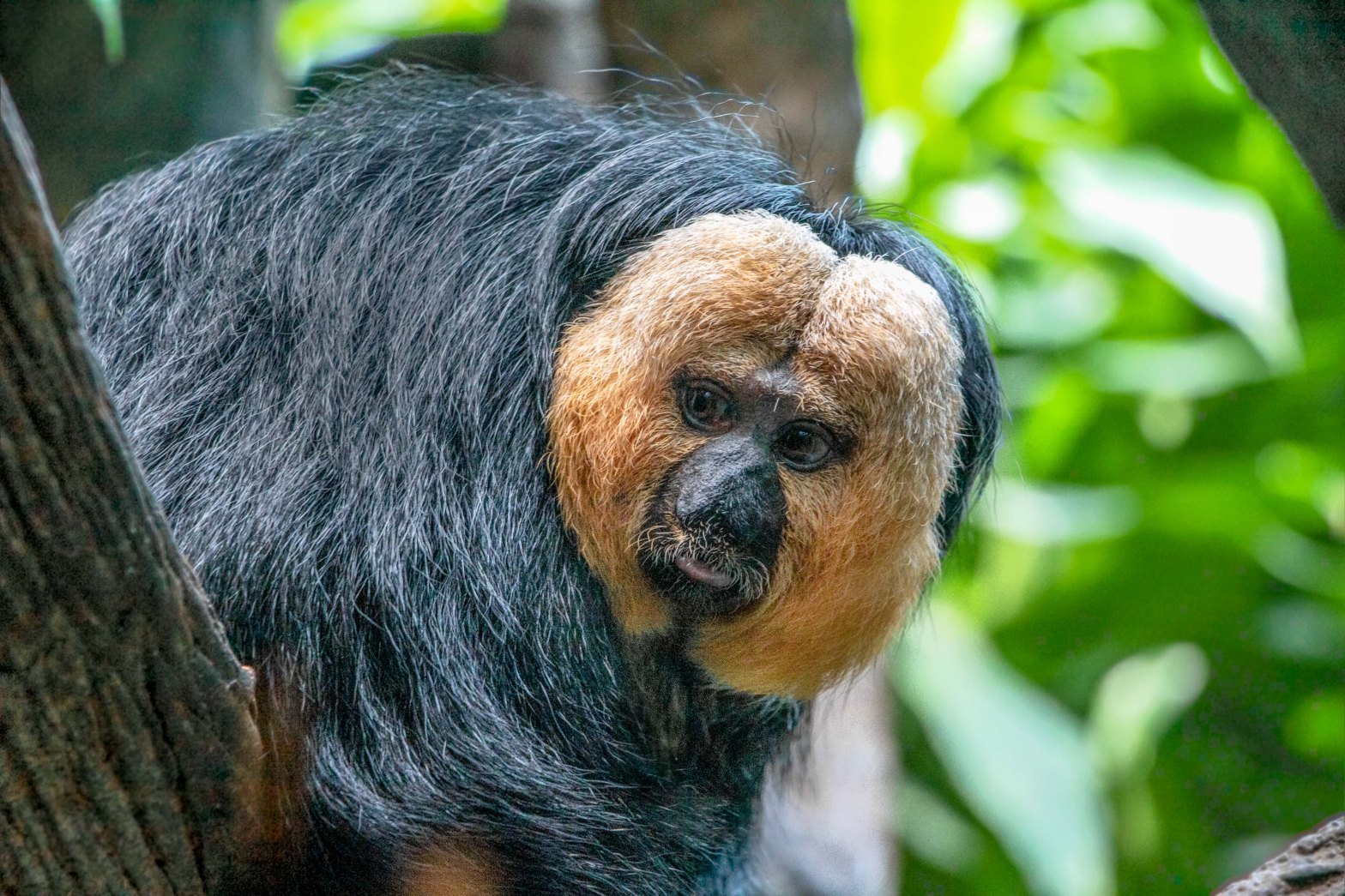
White-faced sakis are nicknamed “flying monkeys” because of their impressive leaps between trees. They can leap up to 33 ft in a single bound. Only the males have a white face, the females have a black/gray face. These monkeys live in the northern part of South America. Their diet consists of fruit, seeds, leaves, andContinueContinue reading “Flying Monkeys”
What animal has no heart, no brain, no blood?
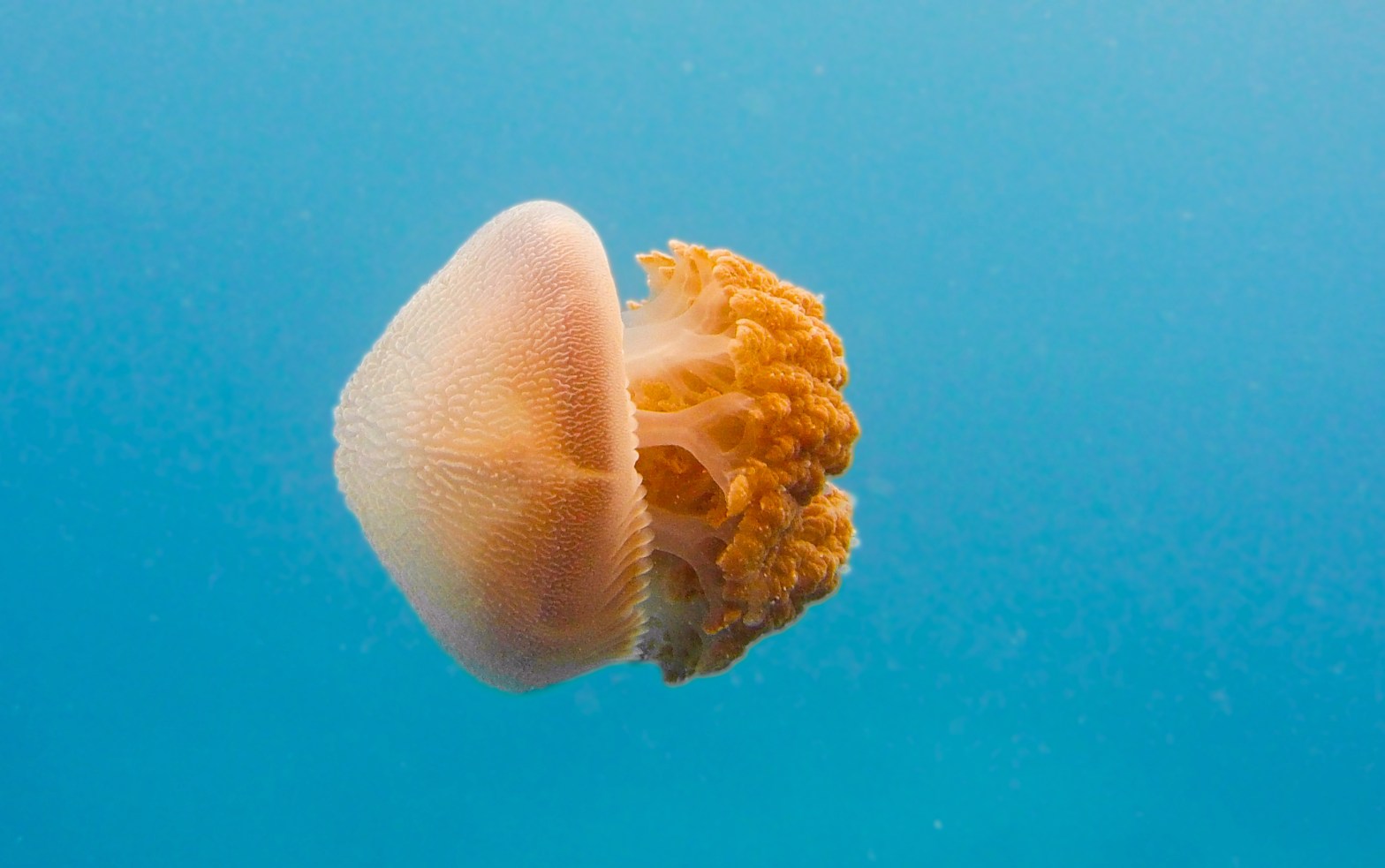
Jellyfish! These unique creatures are mesmerizing. I have always been fascinated by the way they glide through the water. This is a blubber jelly that I saw while diving on The Great Barrier Reef in Australia. https://videopress.com/v/CobOHSOo?preloadContent=metadata The blubber jelly doesn’t have a mouth instead it has tiny openings of each of its eight tentacles.ContinueContinue reading “What animal has no heart, no brain, no blood?”
One tough Cookie
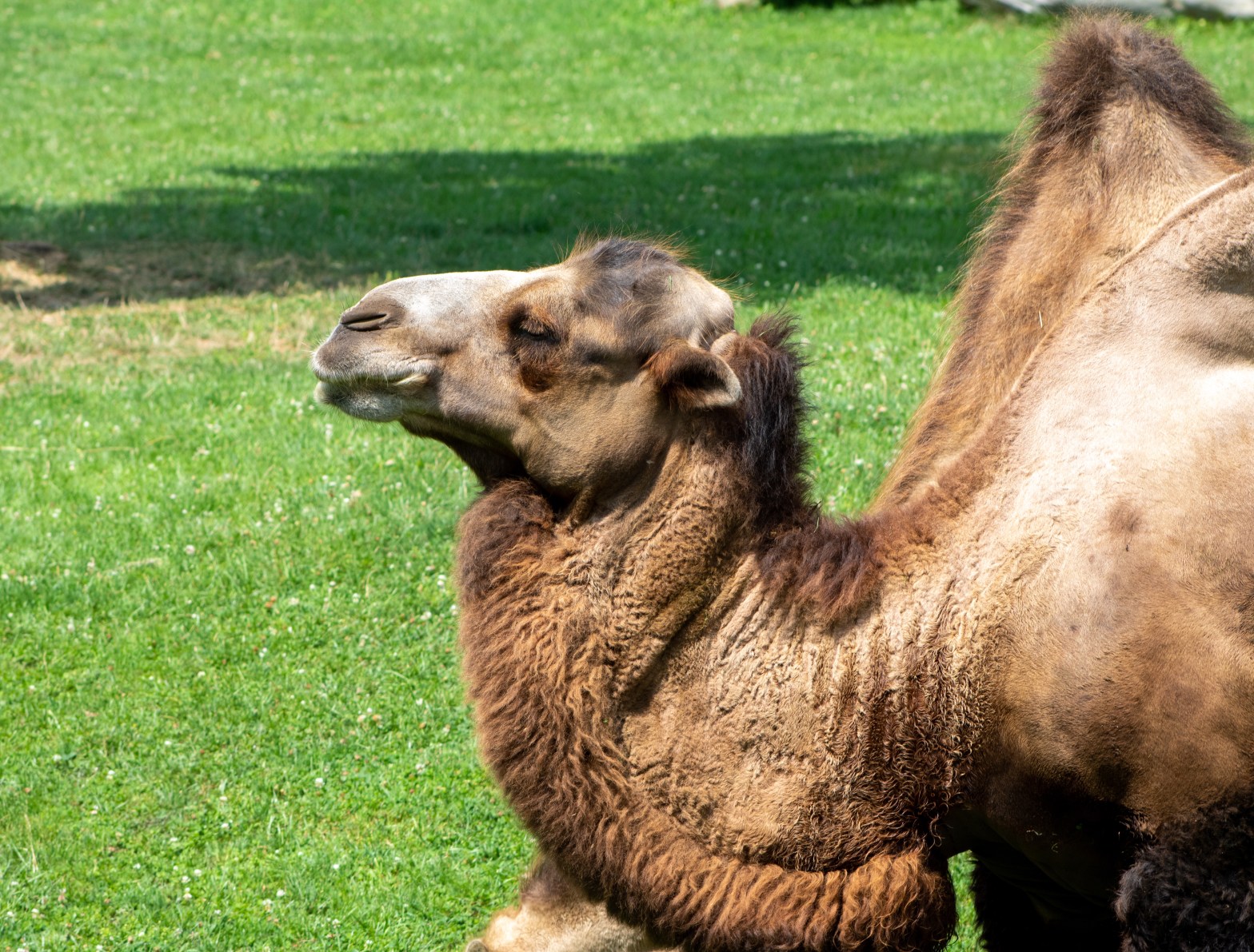
Bactrian camels are built to survive in one of the most hostile regions on earth, The Gobi Dessert. They are one of the few mammals that can eat snow as a way to quench their thirst. They are the only land mammals capable of drinking brackish/salty water with no negative effects. It is a commonContinueContinue reading “One tough Cookie”
Frogs that make their own sunscreen
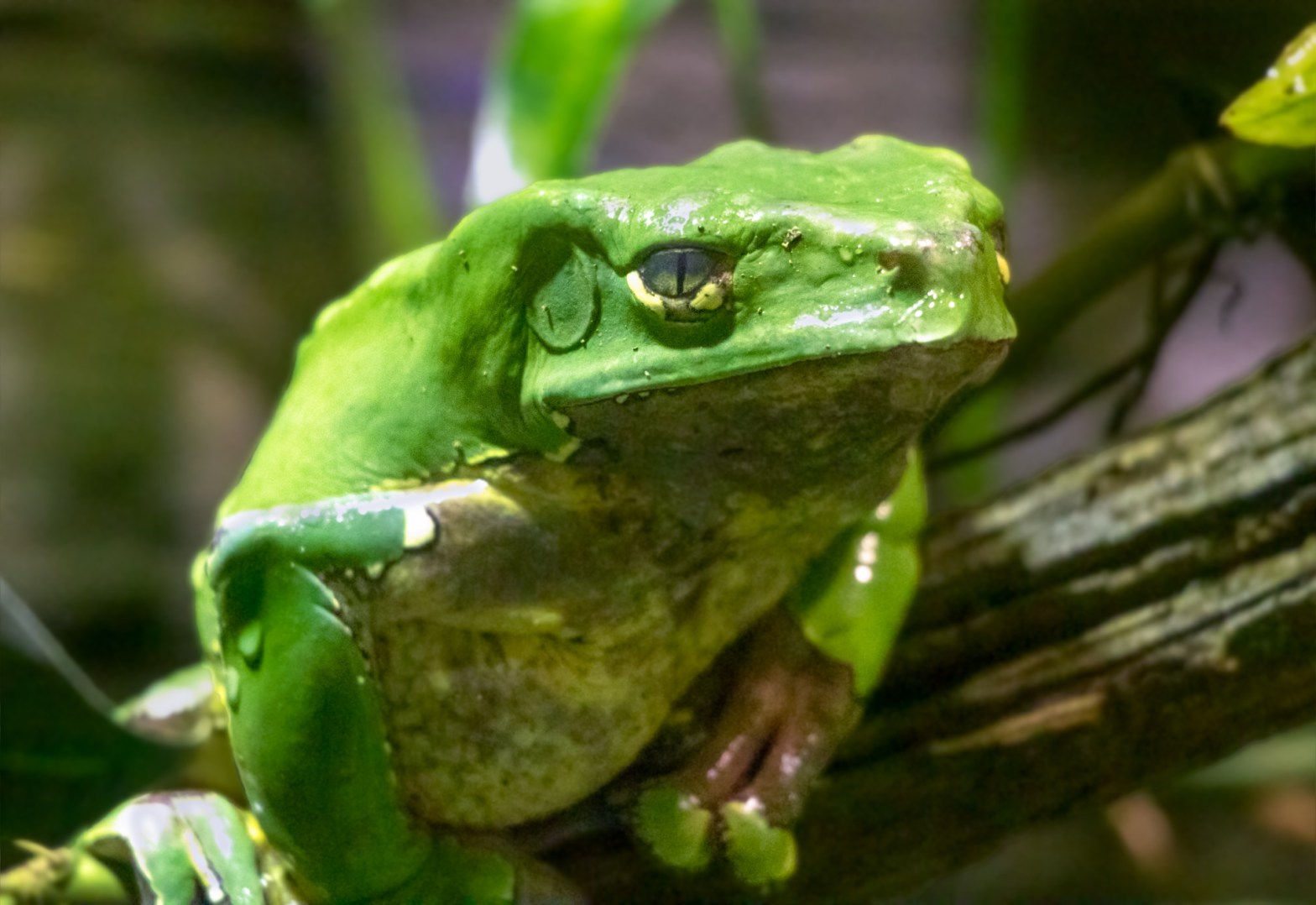
The waxy-monkey tree frog is unlike most frogs. It is able to tolerate higher temperatures and direct sunlight due to their special skin glands that produce a waxy substance. The frogs rub the secretions all over themselves as protection from the sun aka sunscreen. The waxy substance also traps in moisture so the frogs don’tContinueContinue reading “Frogs that make their own sunscreen”
Monkeys with caps
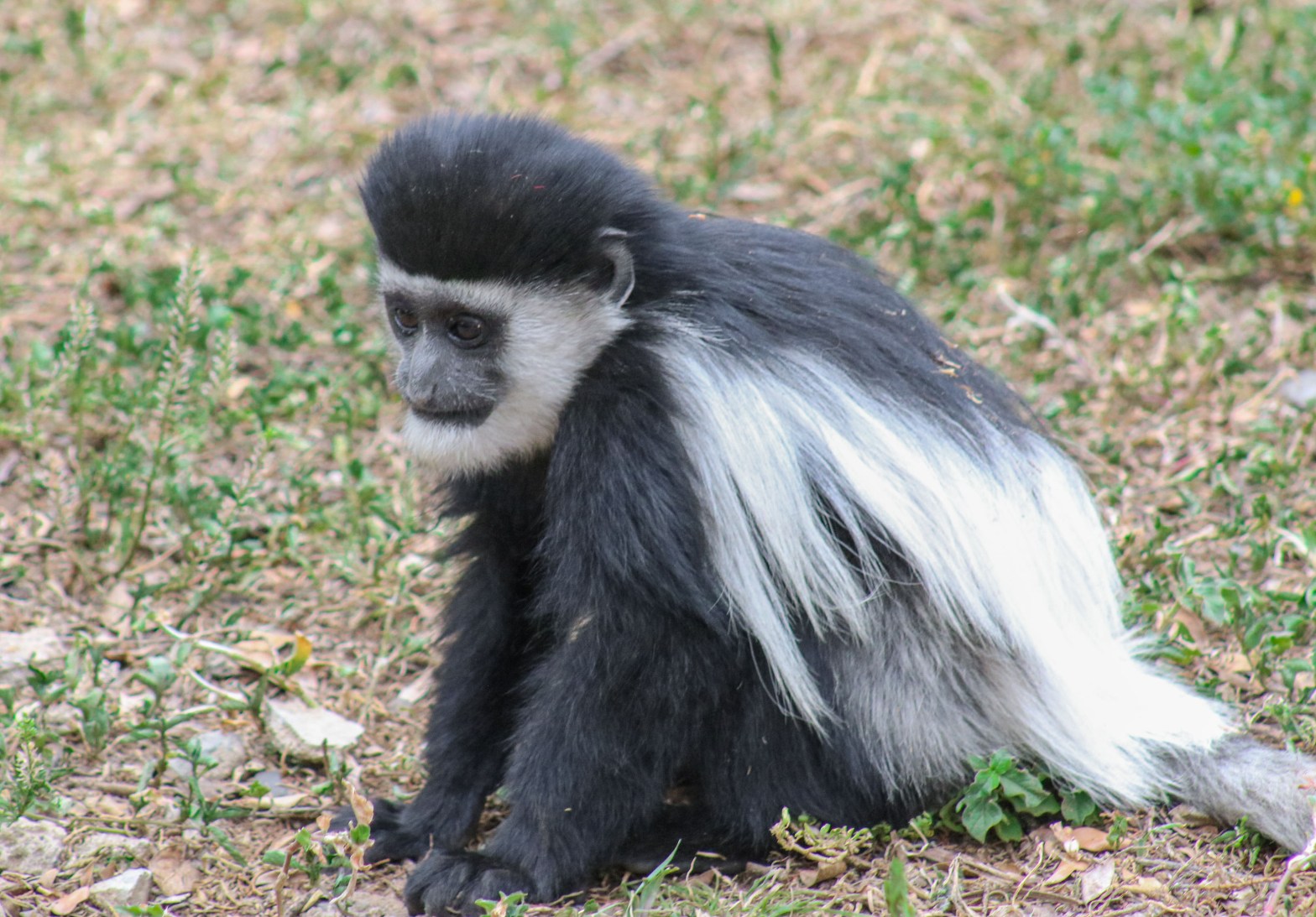
The Eastern Black Colobus Monkey. They can leap up to 25ft from tree to tree, using their long fur as a sort of parachute. The name “colobus” comes from the Greek word for mutilated, because their thumbs are just nubs. They are hunted for their fur which is used to make hats and capes. TheyContinueContinue reading “Monkeys with caps”
Do you know this animal??
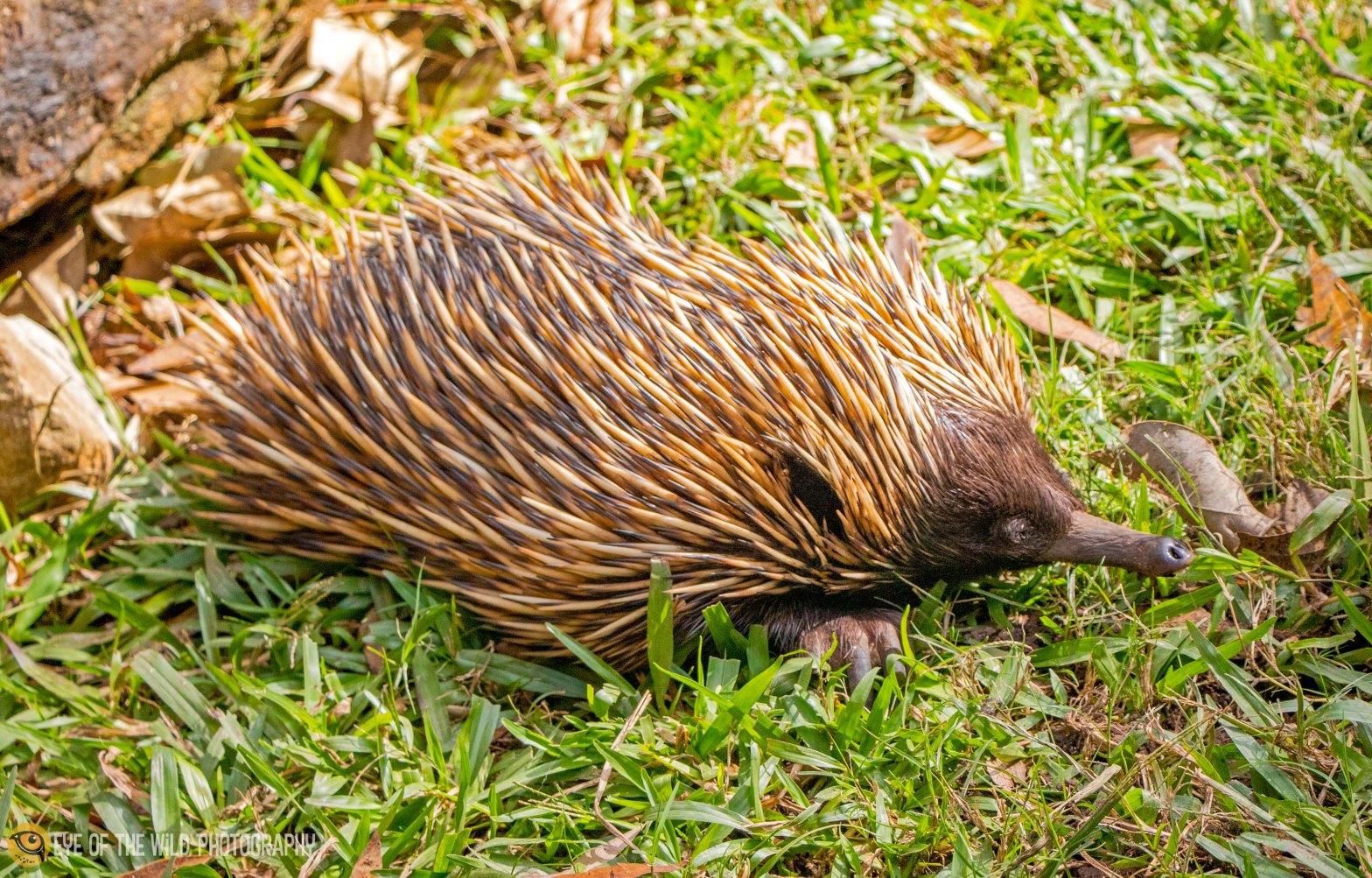
A Short-beaked echidna. Echidnas are truly UNIQUE creatures; they have spines, pouches, beaks, electroreceptors, no teeth, a long sticky tongue, and are monotremes; egg-laying mammals. The platypus is the only other egg-laying mammal. Fun facts: Echidnas can swim.Echidnas have the slowest metabolism of any mammal and can live up to 45 years in the wild.ContinueContinue reading “Do you know this animal??”
 Eye of the Wild Photography