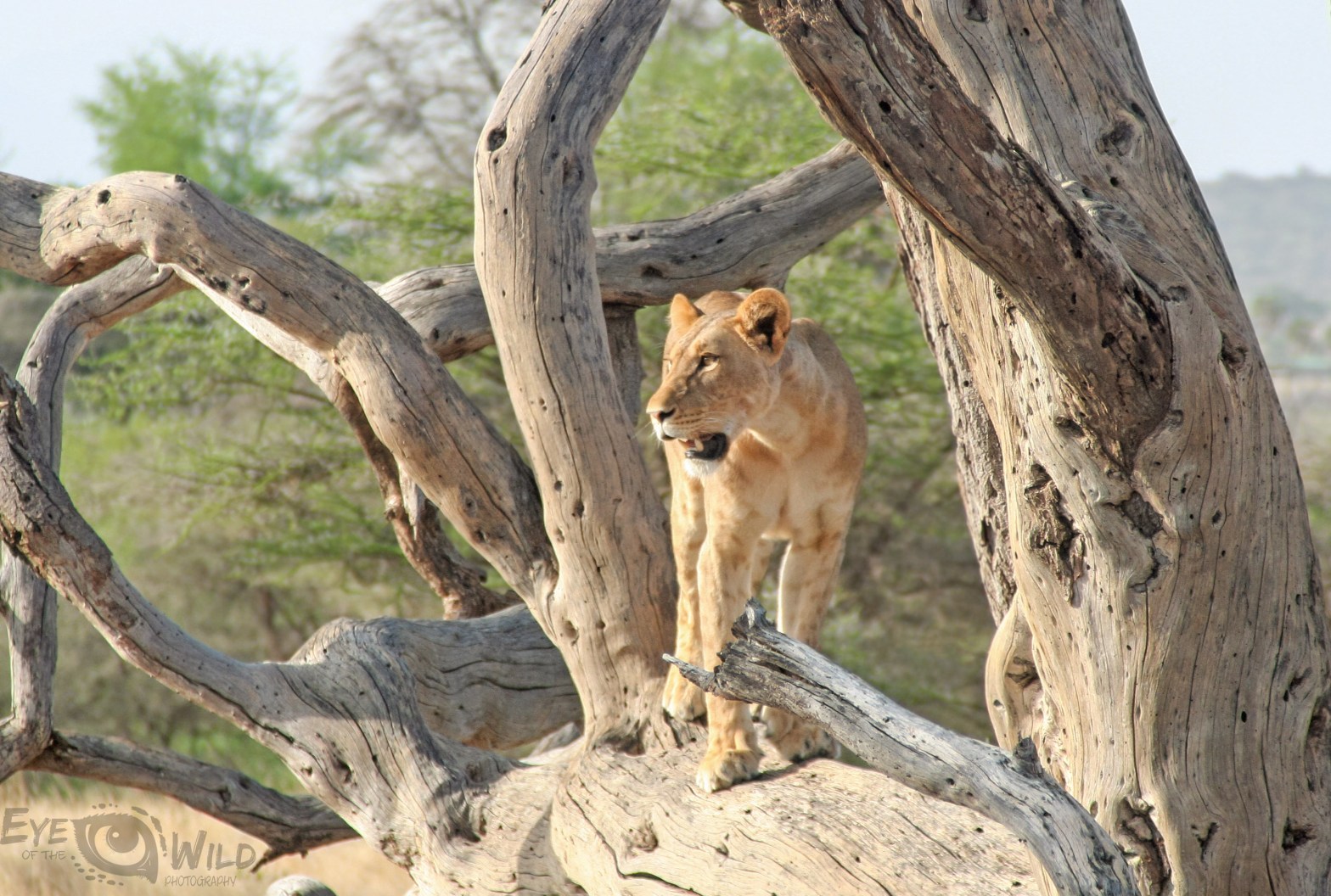
August 10th is World Lion Day
Tag Archives: African animals
Oryx in the US…?
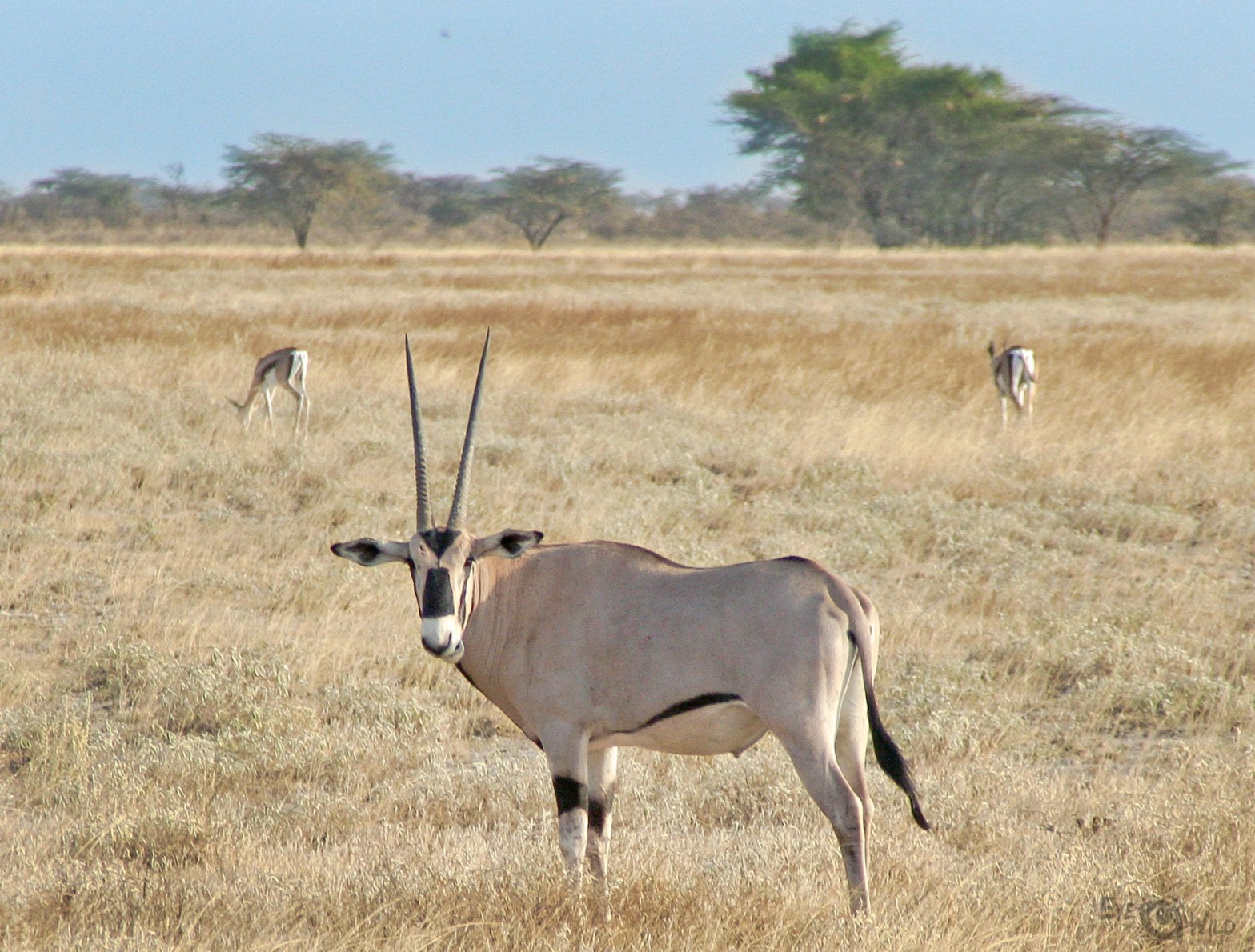
Yes. There are wild oryxes (gemsbok) in the U.S.A. No, they are not a native species. They are native to Africa. In the 1970s the New Mexico Department of Game and Fish wanted to increase “large game” opportunities for hunters. So they intentionally released 95 oryxes into New Mexico’s White Sands Missile Range. An AbundanceContinueContinue reading “Oryx in the US…?”
A Mob of Meerkats
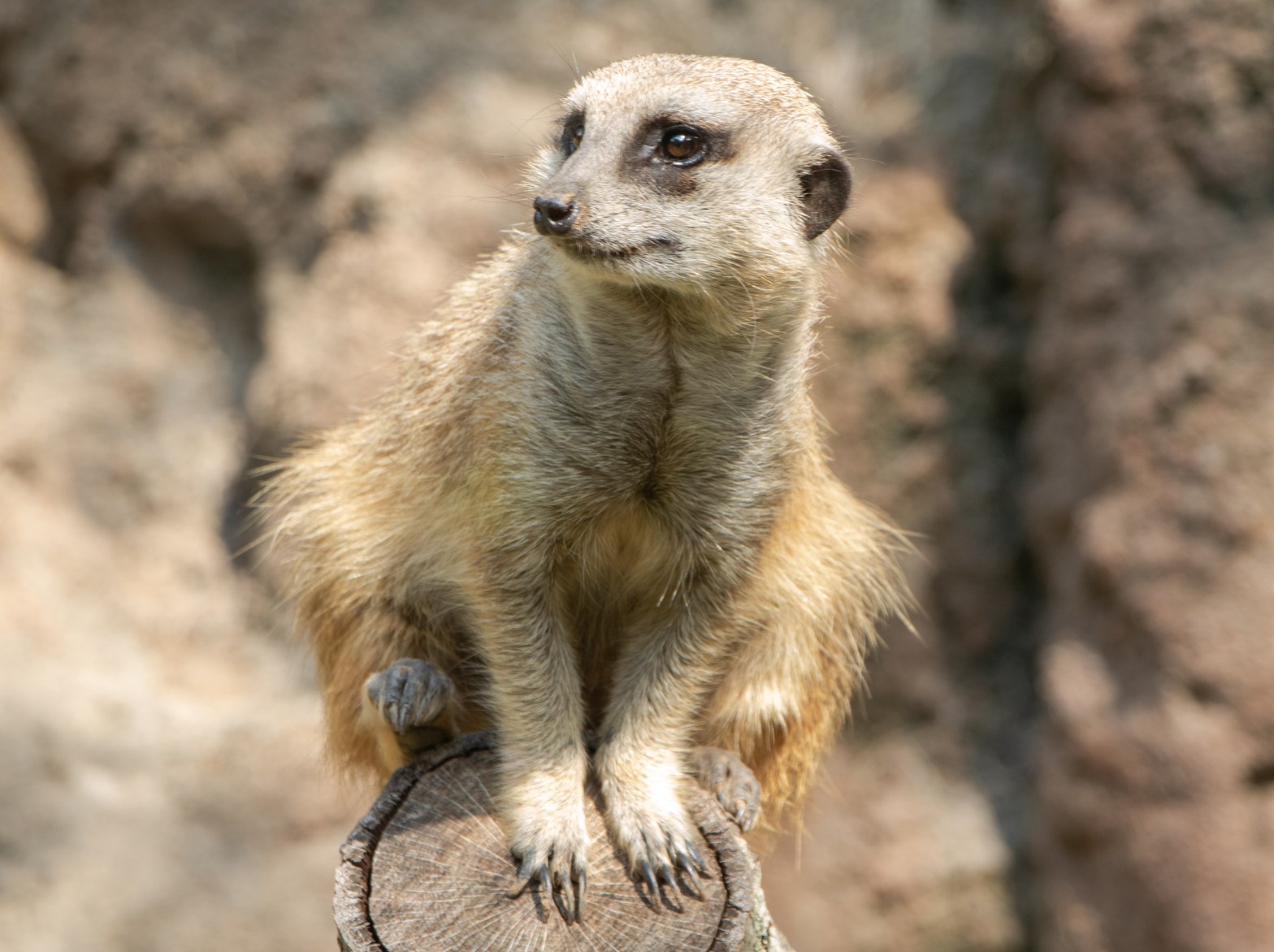
Meerkats are members of the mongoose family. They live in the African savannah and yes like Timon they do eat insects, grubs and termites. They also eat scorpions, luckily they are immune to most venoms. Meerkats live in large groups called mobs, clans or gangs. The mob is led by an alpha female, called theContinueContinue reading “A Mob of Meerkats”
The worlds largest bird
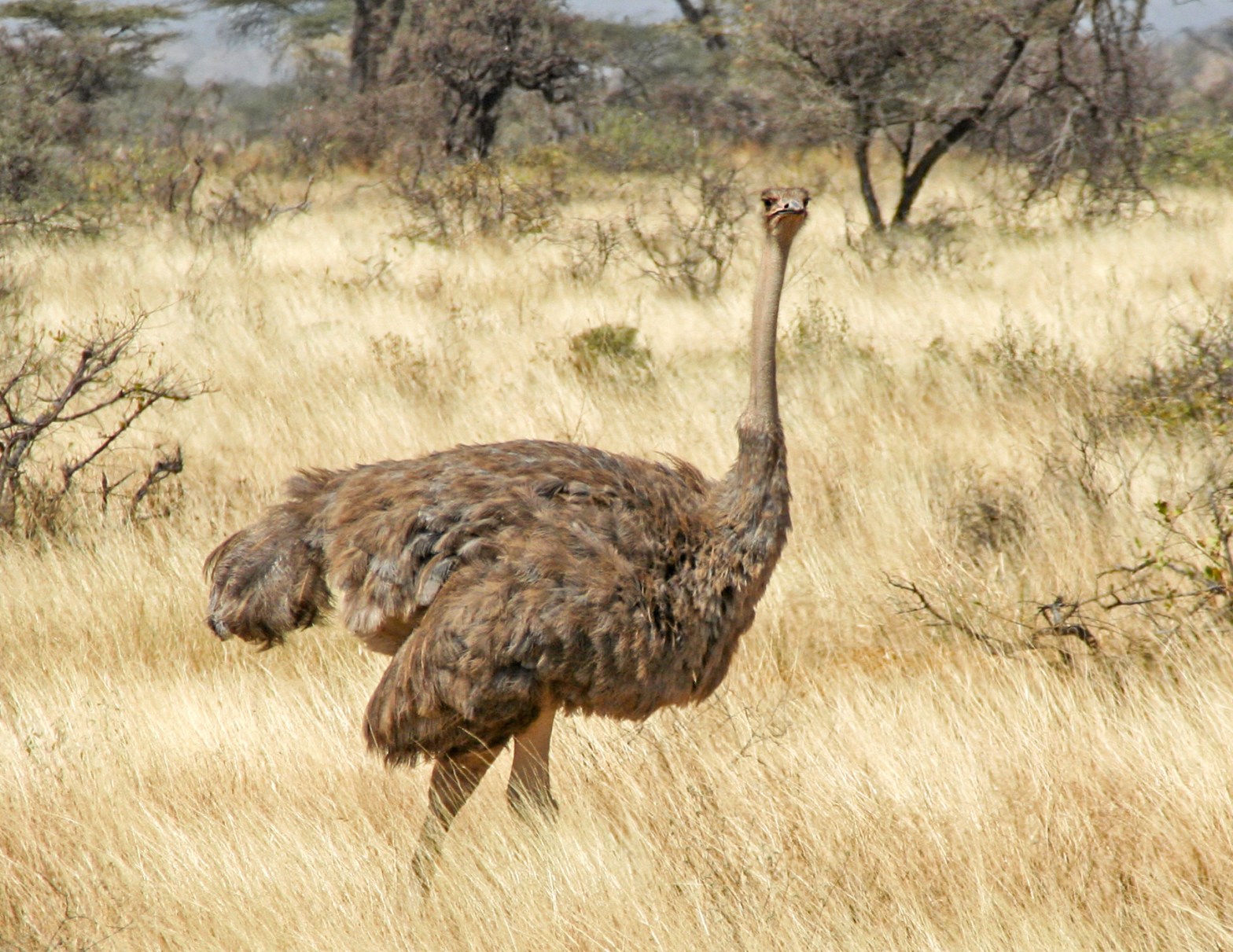
You guessed it…The Ostrich These birds are not just big, they are powerful. The ostriches’ main defense is its legs. They can run up to 43 mph (70 kph). When running isn’t an option, ostriches use their foot equipped with a 4-inch long claw. A single kick from an ostrich can kill a lion. OstrichesContinueContinue reading “The worlds largest bird”
The elephant’s closest living land relative is ….
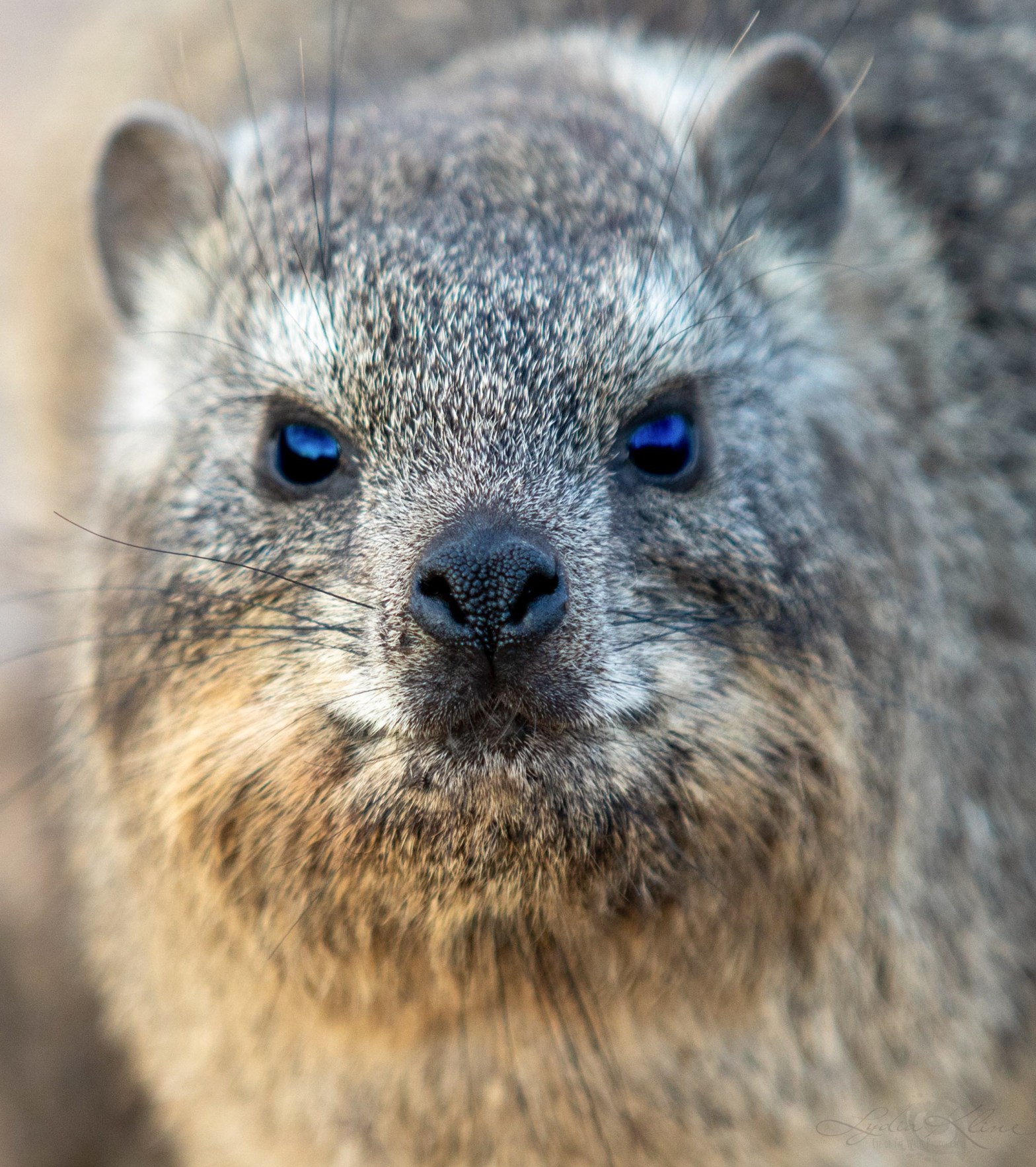
….The hyrax Hyraxes may look like rodents but they are actually cousins of the elephant. Elephants, hyraxes, dugongs, and manatees all share a common ancestor. There are several unique physical characteristics that hyraxes and elephants share. Both have tusks formed from their incisors, instead of their canines like other tusked animals. Both have flattened, hoof-likeContinueContinue reading “The elephant’s closest living land relative is ….”
Flaming Flamingos
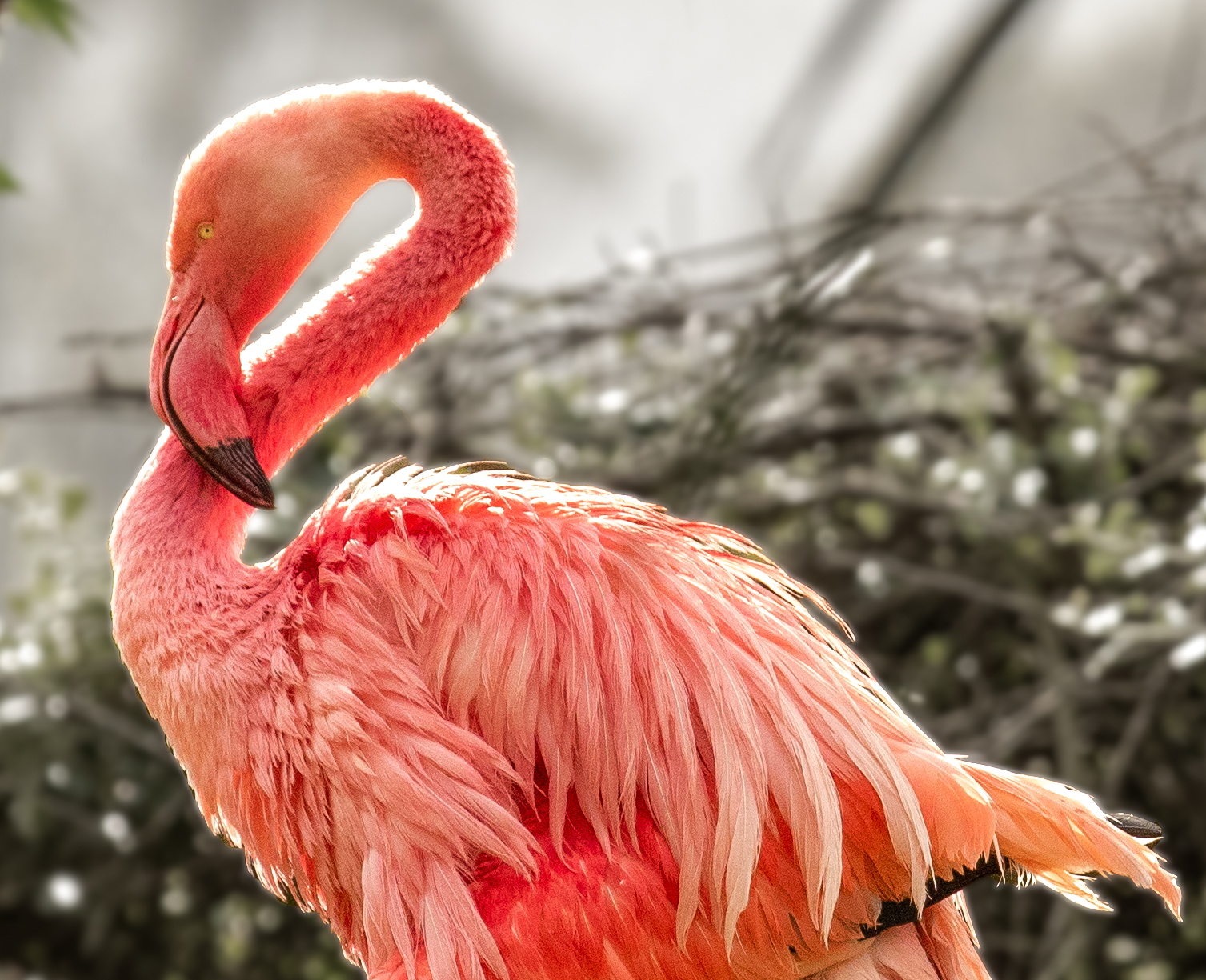
The name “flamingo” comes from Portuguese or Spanish flamengo, meaning “flame-colored” The pink or reddish color of flamingos comes from carotenoids found in the shrimp, plankton, algae and crustaceans they eat. Flamingos have a unique way of eating…upside down. They plunge their head underwater and use their bills like a shovel to scoop up food.ContinueContinue reading “Flaming Flamingos”
The masters of defense
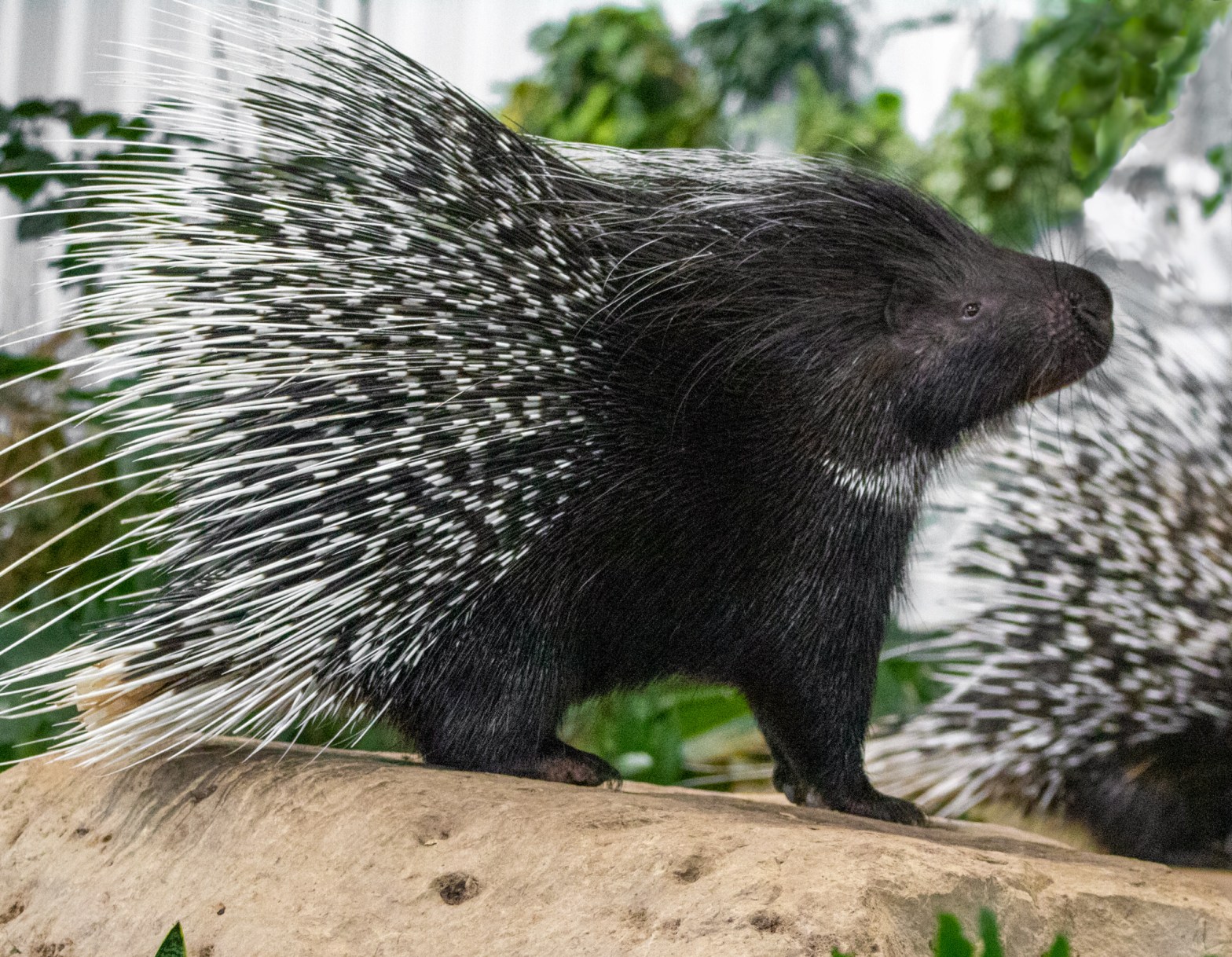
The African crested porcupine. Porcupine means “quill-pigs” in Latin. But don’t be confused porcupines are rodents, not pigs. The African crested porcupine has highly effective defense mechanisms. The first strategy is to appear bigger by raising and fanning out it’s 13 in quills. If this doesn’t scare a predator away the next thing they willContinueContinue reading “The masters of defense”
A Duck known around the World
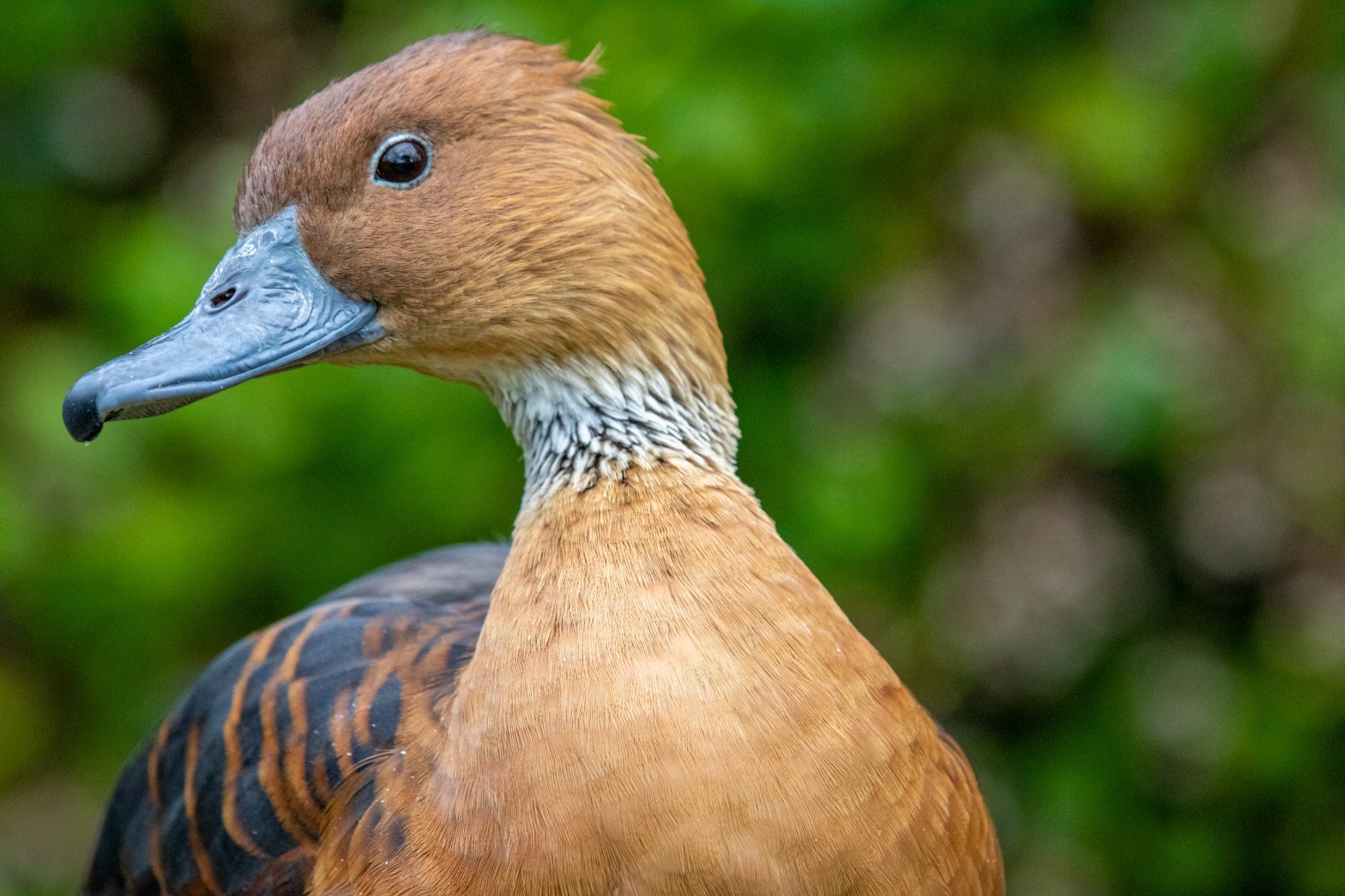
Fulvous whistling ducks are one of the most widespread ducks in the world. They live on four continents, South and North America, Africa, and Asia. These ducks live in freshwater marshes with tall grasses and vegetation. They forage, often at night, eating mainly seeds from aquatic plants. As you might have guessed by the name theseContinueContinue reading “A Duck known around the World”
Humans are killing their closest living relative!
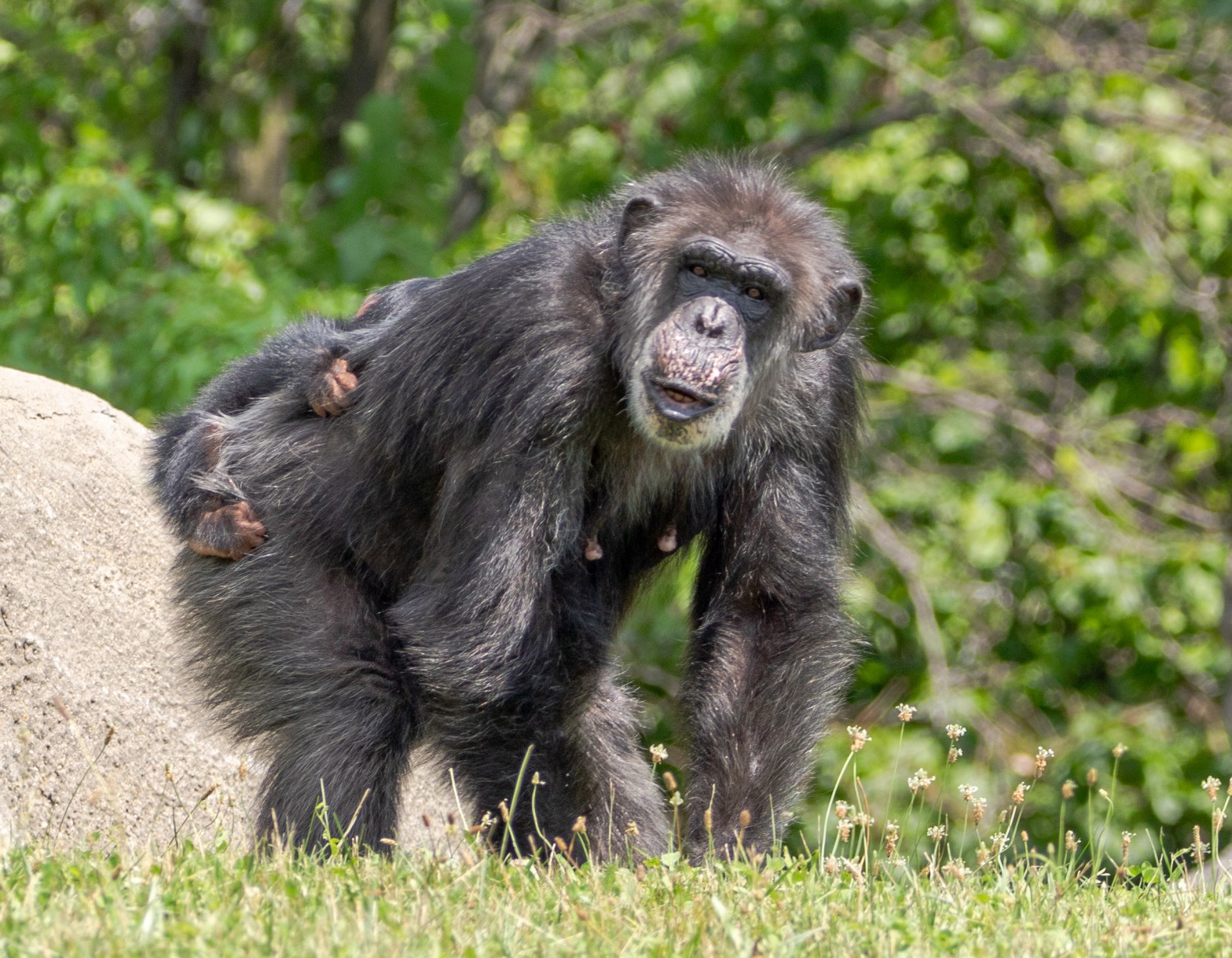
We are pushing our closest cousins towards extinction. Chimpanzees share 98.7% of their genes with us. But humans and chimps do not mix. There has been an increase in human-chimp conflicts. This is largely due to deforestation. And the encroaching human population. Other threats to the species include disease, the illegal pet trade, and being poachedContinueContinue reading “Humans are killing their closest living relative!”
Monkeys with caps
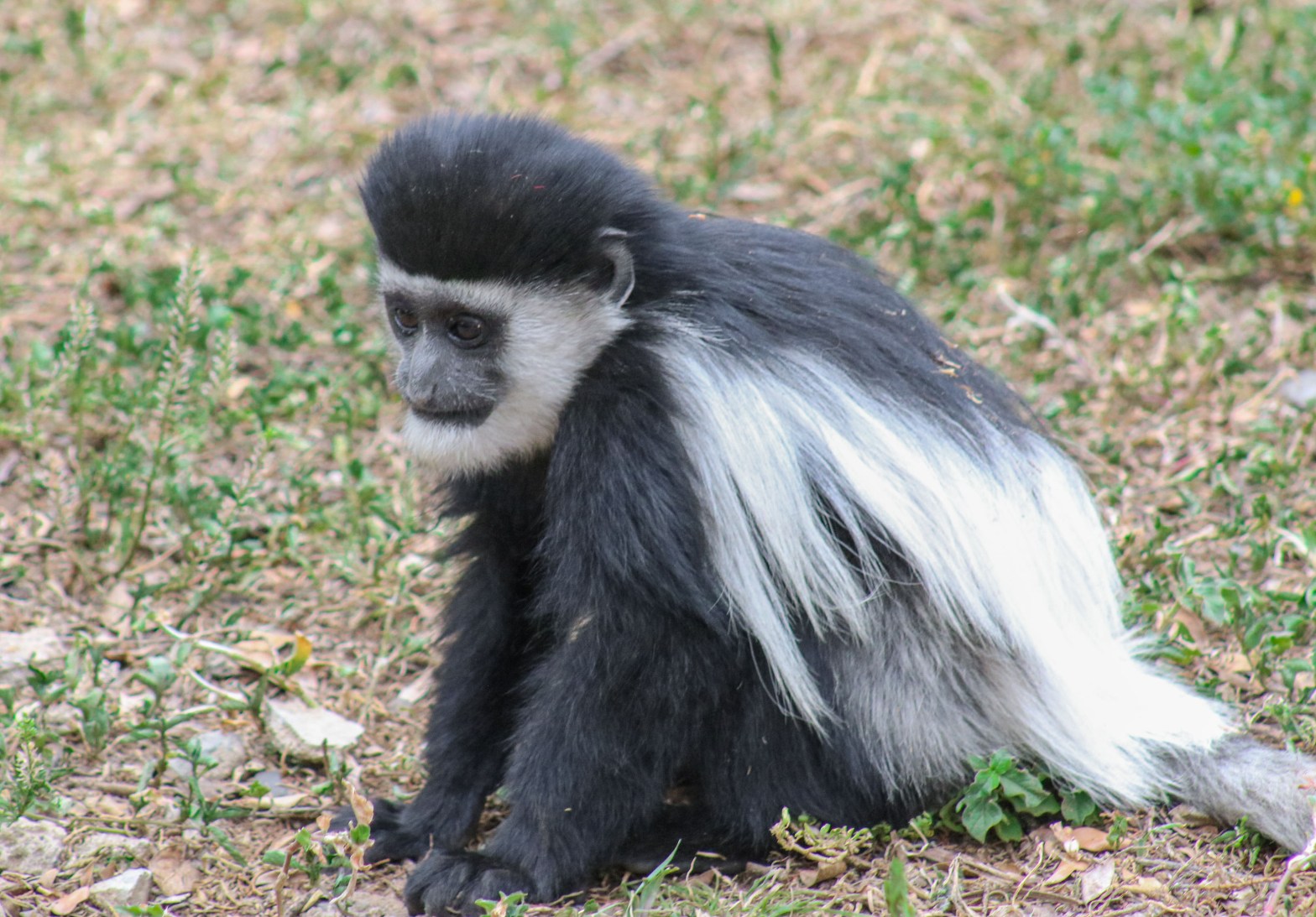
The Eastern Black Colobus Monkey. They can leap up to 25ft from tree to tree, using their long fur as a sort of parachute. The name “colobus” comes from the Greek word for mutilated, because their thumbs are just nubs. They are hunted for their fur which is used to make hats and capes. TheyContinueContinue reading “Monkeys with caps”
 Eye of the Wild Photography