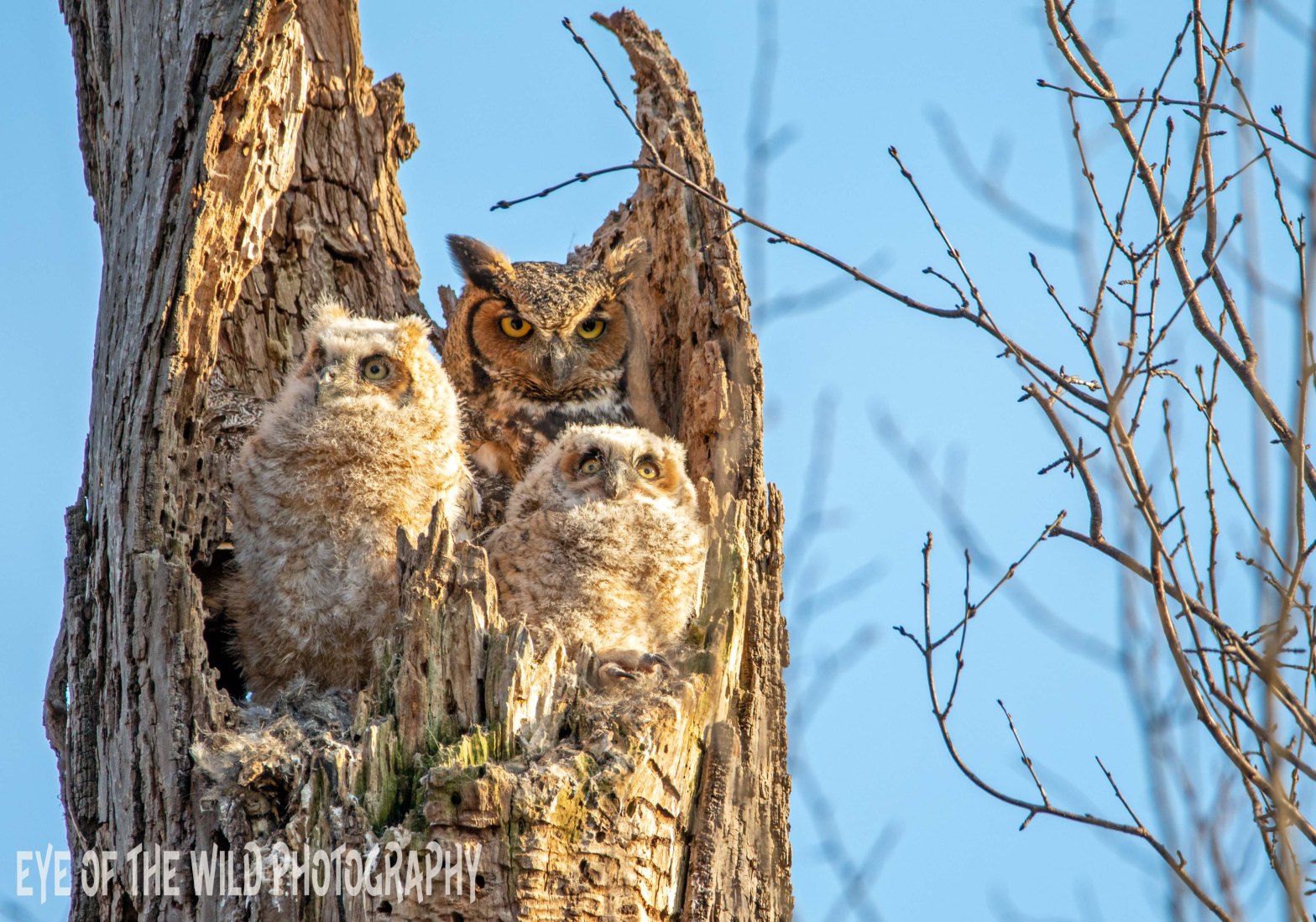
A family of great horned owls nesting in a dead tree. They are monogamous birds that share in parenting duties. They are very protective of their young and have been known to attack humans that come too close to their nest. Owls can turn their heads up to 260 degrees in either direction to compensateContinueContinue reading “Great Horned Owl”
Category Archives: Uncategorized
The Lifeblood of the Earth

The ocean is essential to all life. It covers 71% of the earth’s surface and produces around 70% of the world’s oxygen. Humans are destroying the ocean. Overfishing, pollution, oil spills, dumping garbage, and saturating the atmosphere with CO2 all contribute to the demise of the ocean and life on earth.
Earth Day 2020
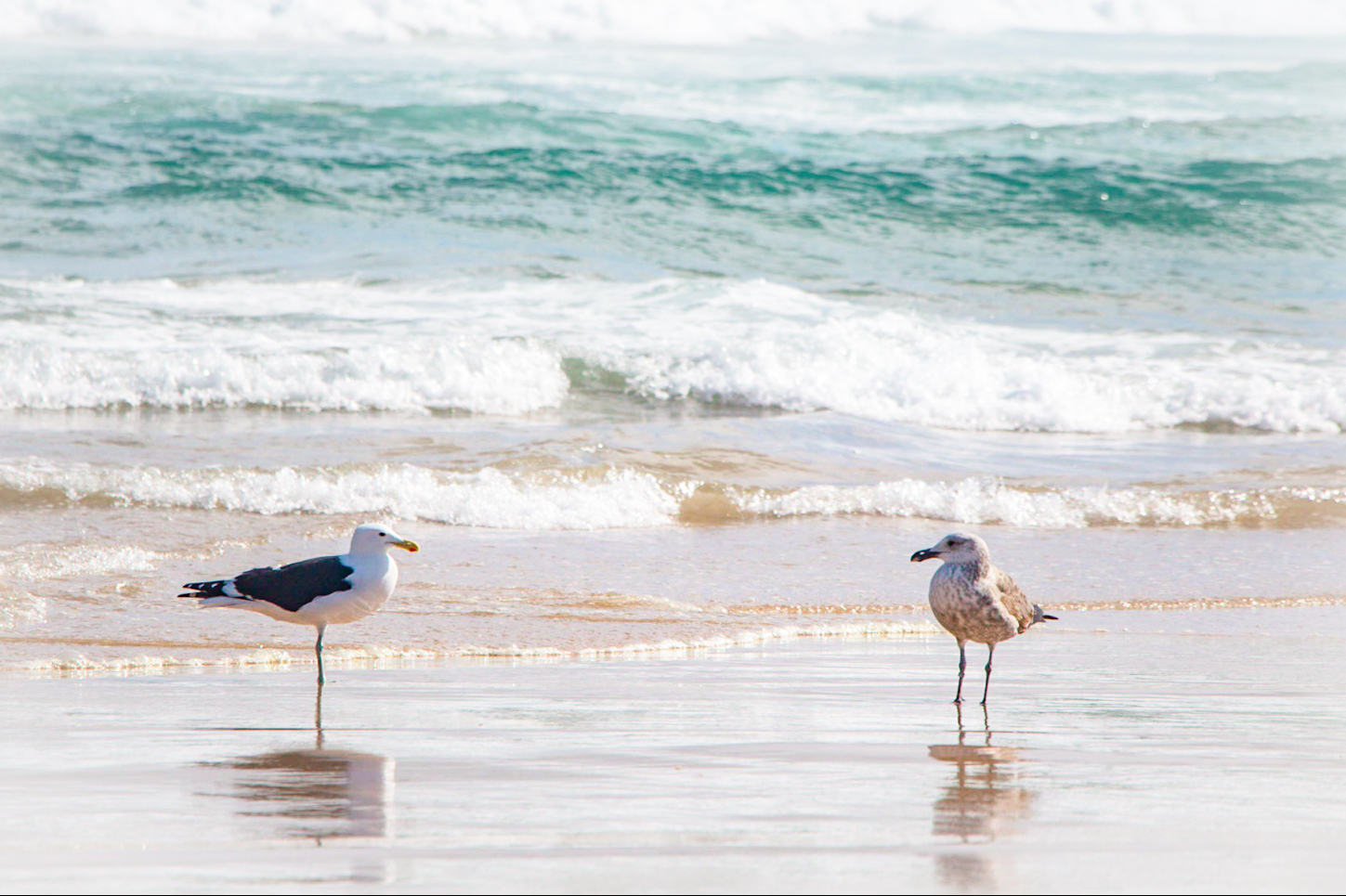
Today we celebrate the 50th anniversary of Earth day, but everyday should be considered earth day. We don’t have time to only think about saving the earth one day a year. Join the initiative to S.A.V.E the world. S- Speak up A- Act V- Vote E- Educate Educating students around the world gives them theContinueContinue reading “Earth Day 2020”
Blue-throated Macaws
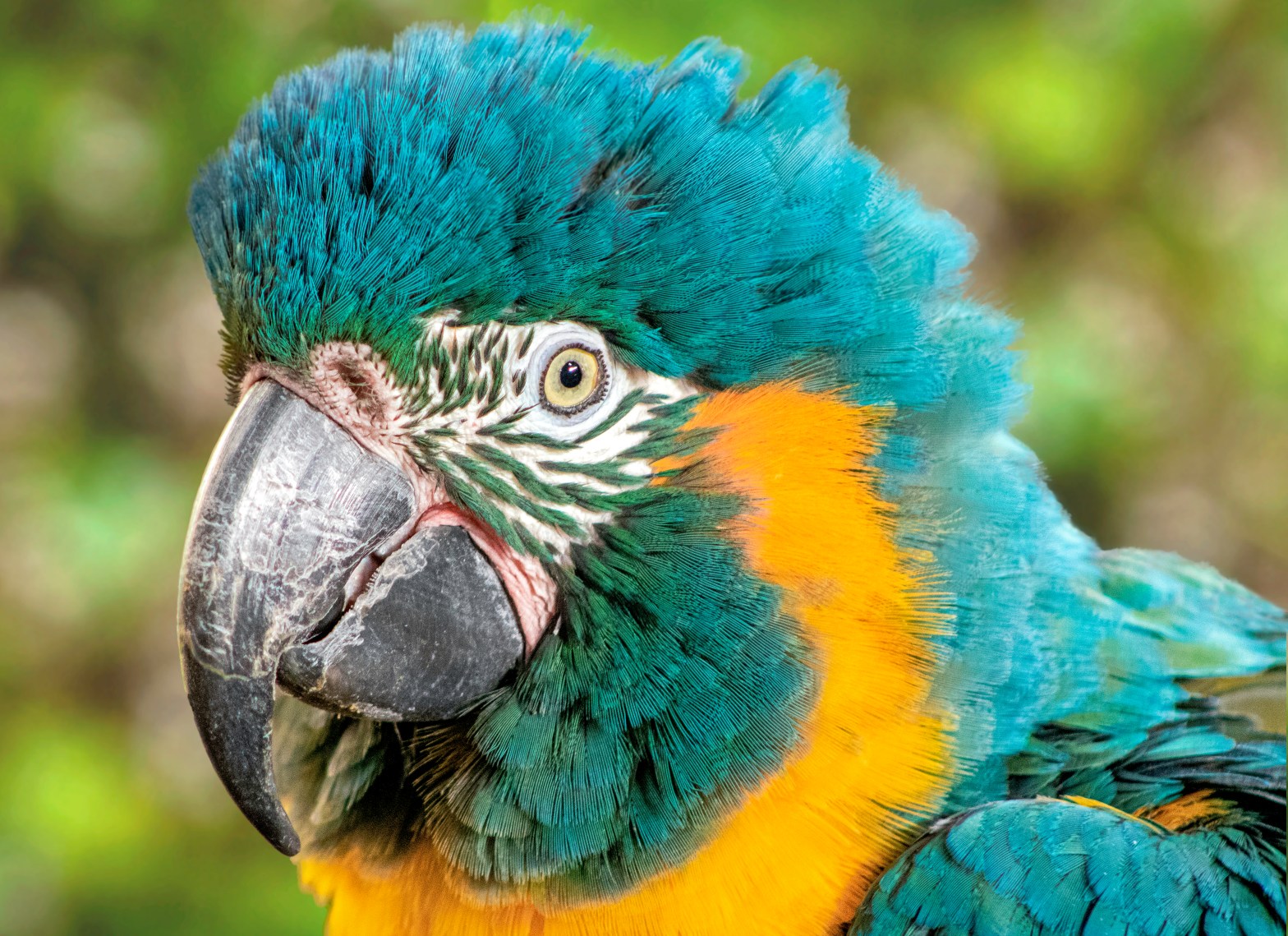
Blue-throated Macaws are listed as Critically Endangered! These beautiful birds are near extinction. There are about 300 birds in the wild. The wild population lives only in a small region in Bolivia. Although they are protected, illegal capture and selling of these birds continues to threaten their survival. Since they are so rare they sellContinueContinue reading “Blue-throated Macaws”
Sun Bears
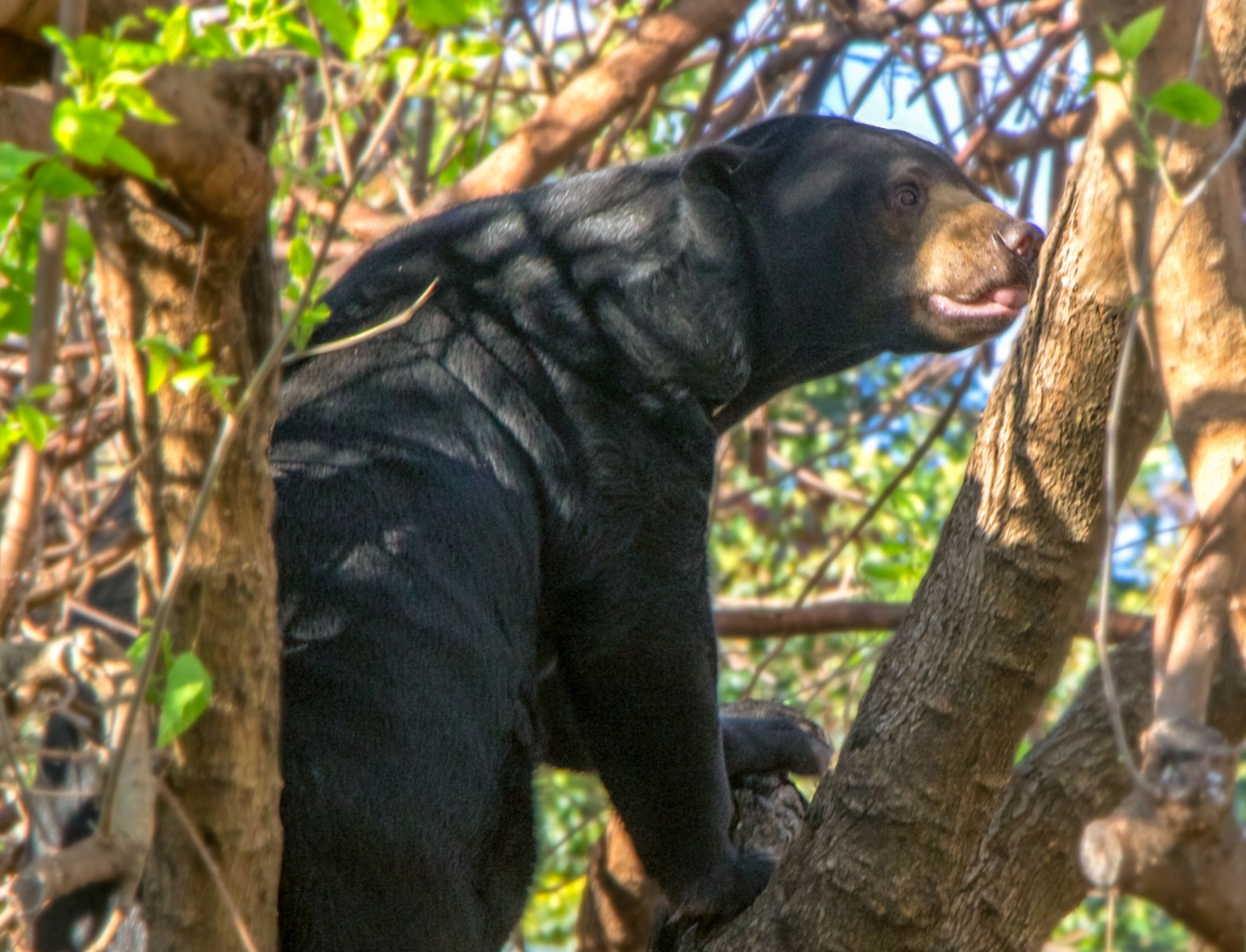
Malayan Sun Bears are listed as vulnerable by the IUCN. These bears are native to Southeast Asia and face several threats. Poachers hunt them for their fur and body parts which are used in folk medicine. Mothers are killed and their cubs are captured and sold in the pet trade. And their habitat is being destroyedContinueContinue reading “Sun Bears”
Kangaroos in a tree..?
Yes, there are actually fourteen species of tree kangaroos, most of which are considered vulnerable or endangered. Goodfellow Tree Kangaroos are marsupials, native to Papua New Guinea. They are listed as endangered on the IUCN Red List. Their population continues to decrease do hunting and habitat loss. Tree kangaroos are hunted for their meat. TheirContinueContinue reading “Kangaroos in a tree..?”
Queen of the Beast
African Lions are listed as vulnerable. Their population has decreased by 43% in the last 20 years and is still decreasing. Humans continue to destroy and move into lions’ natural habitat increasing the number of human-animal conflicts, where the lions end up getting shot. Lions are also threatened by tick-borne illnesses like distemper and babesia.ContinueContinue reading “Queen of the Beast”
Hippos!!
The hippopotamus is listed as vulnerable by the IUCN. Their population is decreasing. Hippos are poached and killed for the meat and ivory teeth. Habitat destruction and human-conflict are other threats that hippos face. Fun Fact: Hippos can’t swim. They push off the bottom or rocks underwater to propel themselves. They can also hold theirContinueContinue reading “Hippos!!”
Caracals
Caracals have a wide distribution range, from Africa to the Middleast to Central Asia. Although they are listed as least concern by the IUCN, caracals are still being impacted by habitat loss and human conflict. The population in Central Asia is considered endangered. Caracals are agile hunters that can jump 10 ft straight up intoContinueContinue reading “Caracals”
Seagulls…evil or misunderstood?
Who says seagulls are not elegant?… Seagulls are hated by many. They dive-bomb people and steal their food. They are loud and can spread disease through their feces. Seagulls are not evil, they are simply opportunistic hunters. If humans were not so careless dropping their food, leaving it unattended, or feeding them purposely, these birdsContinueContinue reading “Seagulls…evil or misunderstood?”
 Eye of the Wild Photography